Quick Navigation
- Understanding the Calorie Basics of Peanut Butter
- The Full Nutritional Picture: It's Not Just About Calories
- Calories in Peanut Butter: A Brand-by-Brand Showdown
- Peanut Butter and Weight Management: Friend or Foe?
- How to Choose the Best Peanut Butter for Your Goals
- Frequently Asked Questions About Peanut Butter Calories
Let's talk about peanut butter. I mean, really talk about it. That creamy (or crunchy) goodness we spread on toast, blend into smoothies, or – let's be honest – eat straight from the jar with a spoon. It's a pantry staple for a reason. But then there's that little voice in the back of your head, the one that whispers about calories peanut butter packs into every serving. Is it a healthy choice or a diet derailer? The answer, like most things in nutrition, isn't black and white. It's a delicious shade of brown, full of nuance.
I used to be terrified of it. I'd see the label – 190 calories for two tablespoons! – and put the jar back on the shelf. It felt like a luxury I couldn't afford on my calorie budget. But over time, after digging into the science and, well, just eating more of it (for research, of course), my perspective completely flipped. Understanding peanut butter calories is less about fear and more about empowerment. It's about knowing exactly what you're getting, so you can enjoy it without guilt and actually use it to your advantage.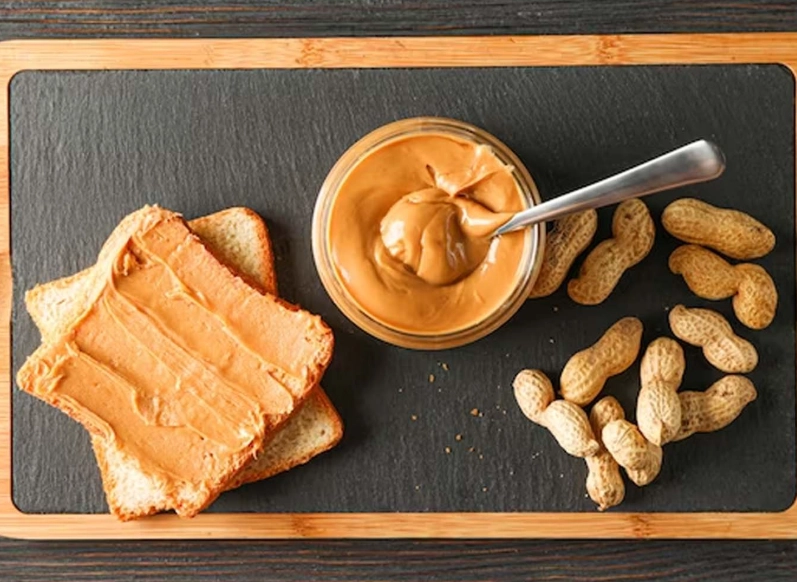
The bottom line up front? Yes, peanut butter is calorie-dense. But those calories come bundled with a powerhouse of nutrients that can support satiety, heart health, and even weight management goals. The trick is in the details: the type you buy, how much you eat, and what you eat it with.
Understanding the Calorie Basics of Peanut Butter
So, let's get down to brass tacks. How many calories are we actually looking at? The standard serving size for peanut butter is two tablespoons (about 32 grams). For most conventional creamy or crunchy varieties, this serving will land you in the ballpark of 180 to 210 calories. Natural peanut butter, the kind where oil separates on top, usually sits at the higher end of that range, sometimes nudging 210-220 calories because it has nothing to dilute the pure peanut content.
But is it just a calorie bomb? Not even close. To see why, we have to look at where those calories come from. This is where peanut butter truly shines. It's not empty calories from sugar or refined carbs (well, in the good kinds it isn't). The vast majority of calories in peanut butter come from fats and protein.
Here’s a quick visual breakdown of what’s in a standard 2-tbsp (32g) serving of generic, salted creamy peanut butter, based on data from the USDA FoodData Central:
| Nutrient | Amount per 2 tbsp | % Daily Value* |
|---|---|---|
| Calories | 191 kcal | ~10% |
| Total Fat | 16.4 g | 21% |
| - Saturated Fat | 3.3 g | 17% |
| - Monounsaturated Fat | ~8.3 g | - |
| - Polyunsaturated Fat | ~4.1 g | - |
| Protein | 7.1 g | 14% |
| Total Carbohydrates | 7.1 g | 3% |
| - Dietary Fiber | 1.6 g | 6% |
| - Sugars | 3.0 g | 6% |
*Based on a 2,000 calorie diet. Values are approximate and vary by brand.
See that? Nearly 8 grams of protein and almost 2 grams of fiber in a single serving. That's what changes the game. Protein and fiber are the dynamic duo of fullness. They slow down digestion, keep your blood sugar from spiking, and tell your brain you're satisfied. So while the calories peanut butter contains might seem high at first glance, the nutritional package makes those calories work harder for you than, say, a bag of chips with a similar calorie count.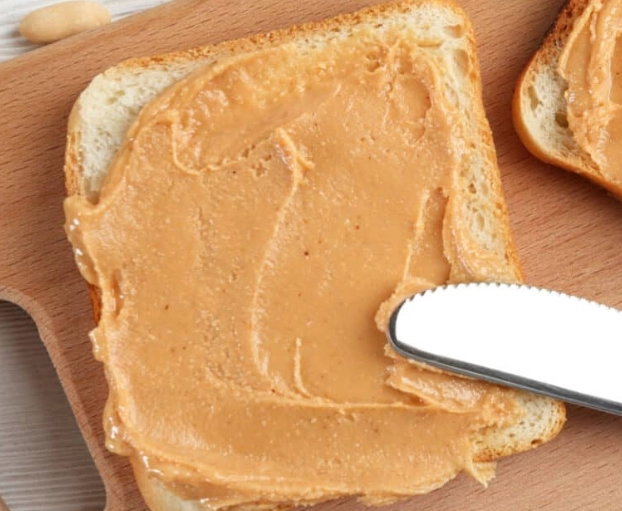
The Full Nutritional Picture: It's Not Just About Calories
If we stop at the calorie count, we're doing peanut butter a massive disservice. This is where the magic happens. Let's unpack that label further.
The Fat Profile: The Good, The Okay, and The Avoidable
About 80% of the calories in peanut butter come from fat. That sounds scary if you're stuck in the 1990s low-fat mindset. But today, we know better. The fat in peanuts is predominantly monounsaturated and polyunsaturated fat – the same heart-healthy fats found in olive oil and avocados. According to the Harvard T.H. Chan School of Public Health, replacing saturated fats with these unsaturated fats is linked to a lower risk of heart disease.
There's a small amount of saturated fat (about 3-4 grams per serving), which is naturally occurring and not a major concern for most people in the context of a balanced diet. The fat to watch out for is trans fat, which is sometimes added to cheaper, highly processed brands for shelf stability. Always check the ingredients for "partially hydrogenated oils." If you see that, put it back. No amount of artificial trans fat is considered safe.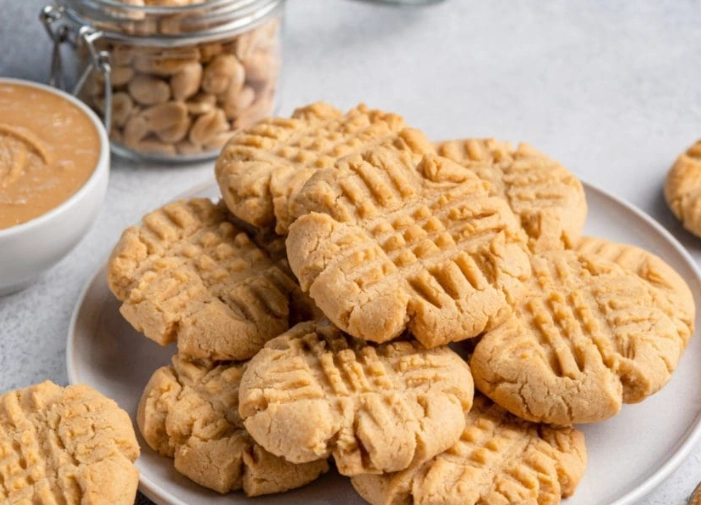
Protein, Fiber, and Micronutrients
Peanut butter is a solid plant-based protein source. That 7+ grams per serving is more than an egg. For vegetarians, vegans, or anyone just trying to build more muscle, it's a fantastic tool. The fiber, while not astronomical, is a nice bonus that aids digestion.
Now, for the unsung heroes: vitamins and minerals. A serving of peanut butter gives you a decent hit of:
- Niacin (Vitamin B3): Crucial for energy metabolism and nervous system function.
- Vitamin E: A powerful antioxidant that protects your cells.
- Magnesium: Involved in over 300 biochemical reactions in your body, from muscle function to mood regulation.
- Phosphorus & Potassium: Important for bone health and fluid balance.
So when you're tallying up peanut butter calories, remember you're also buying a ticket to this nutrient party. It's a whole food, not a refined product.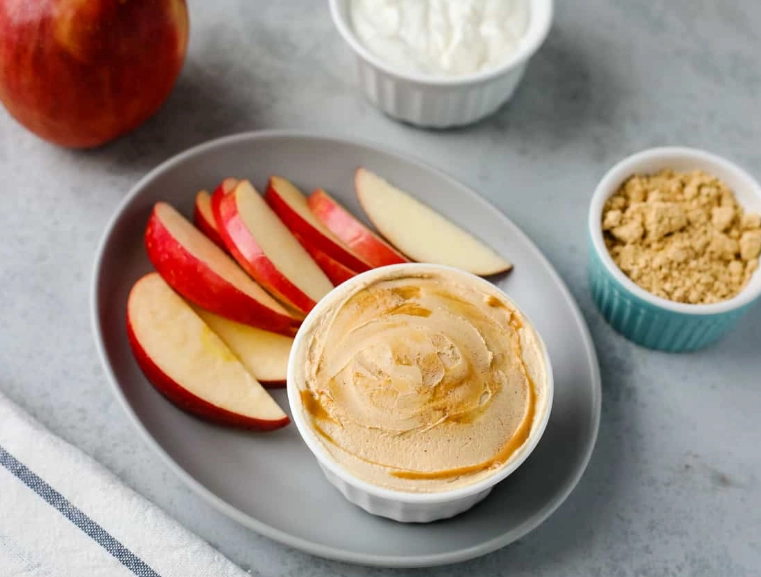
My personal rule: I never judge a food by calories alone. I look at the nutrient density. Are those calories bringing vitamins, minerals, protein, and good fats to the table? If yes, like with peanut butter, avocados, or salmon, they're usually worth it.
Calories in Peanut Butter: A Brand-by-Brand Showdown
This is where things get interesting, and honestly, a bit frustrating. Not all peanut butters are created equal. Walk down the aisle and you'll see jars that look the same but have wildly different ingredients and, consequently, different calories in peanut butter profiles. The main culprits? Added sugars and oils.
I did a deep dive in my local supermarket, comparing labels. Here's what I found in a 2-tablespoon serving:
| Brand & Type | Calories | Total Fat | Protein | Total Sugars | Key Ingredient Notes |
|---|---|---|---|---|---|
| Smucker's Natural (Creamy) | 210 | 17g | 8g | 1g | Just peanuts, salt. Oil separates. |
| Jif Creamy | 190 | 16g | 7g | 3g | Contains added sugar, molasses, fully hydrogenated oils. |
| Justin's Classic Peanut Butter | 200 | 17g | 8g | 2g | Peanuts, palm oil (for stability), salt, sugar. |
| Crazy Richard's 100% Peanuts | 210 | 18g | 8g | 1g | Just peanuts. That's it. |
| Peter Pan Creamy | 200 | 17g | 8g | 4g | Higher in added sugars, contains hydrogenated oils. |
| Powdered Peanut Butter (e.g., PB2) | 60 | 1.5g | 6g | 1g | Fat removed, must be reconstituted with water. |
Notice the pattern? The "natural" brands with just peanuts (and maybe salt) consistently have slightly higher calories peanut butter counts and fat, but also often have a gram more of protein and significantly less added sugar. The big conventional brands sneak in extra sugars and use hydrogenated oils to keep the texture perfectly consistent and non-separating.
My take? The 20-calorie difference is meaningless.
I'd rather have the 210-calorie serving of pure peanuts than the 190-calorie serving diluted with sugar and weird stabilizers. You're getting more actual food, less filler. The fat in the natural kind is the healthy fat we want. Don't let a marginally lower calorie count trick you into choosing a less nutritious product.
The Powdered Peanut Butter Phenomenon
Powdered peanut butter, like PB2, deserves its own mention. By pressing out most of the natural oil, they slash the calories and fat dramatically—down to about 60 calories per two-tablespoon serving of the powder. The protein stays relatively high.
Is it a good option? For specific uses, absolutely. If you're making a smoothie and want a strong peanut flavor without the thickness or all the fat calories, it's perfect. It's also great for baking when you don't want to add extra moisture.
But is it a true replacement? Not for me. You're removing the very heart of peanut butter—its healthy fats. Those fats are what make it satiating. A study published in the British Journal of Nutrition has shown that nuts and nut butters promote feelings of fullness. I find that a tablespoon of real peanut butter keeps me going for hours, whereas the powdered version mixed with water feels like a fleeting snack. Use it as a tool, not a wholesale substitute.
Peanut Butter and Weight Management: Friend or Foe?
This is the million-dollar question, right? Can something with nearly 200 calories in peanut butter per serving actually help you lose weight? Surprisingly, the research suggests it can be a valuable ally, not an enemy.
The key lies in its impact on satiety. Because of its combo of protein, fiber, and fat, peanut butter is incredibly effective at curbing hunger. You're less likely to go hunting for a cookie an hour after having some peanut butter on an apple or whole-wheat toast. This can naturally lead to eating fewer calories overall throughout the day.
Several observational studies have found that people who regularly eat nuts (including peanuts) tend to have a lower body mass index (BMI) and are less likely to gain weight over time. It seems counterintuitive, but it highlights that the quality of calories matters just as much as the quantity.
The crucial caveat: This only works if you practice portion control. It's very, very easy to overeat peanut butter. The serving is two tablespoons, but if you're spreading it liberally on bread or eating it from the jar, you can easily double or triple that without thinking. Suddenly, your 190-calorie healthy snack is a 400-600 calorie mini-meal.
Practical Tips for Enjoying Peanut Butter Without Overdoing It
- Measure, don't eyeball. For the first few weeks, actually use a measuring spoon. You'll be shocked at what a "real" tablespoon looks like versus your usual scoop.
- Pair it strategically. Never eat peanut butter straight from the jar (tempting as it is). Always pair it with something high-volume and low-calorie: apple slices, celery sticks, a rice cake, or a small bowl of oatmeal. This increases the physical volume of food, enhancing fullness.
- Choose the right type. Go for natural peanut butter. The need to stir it and its slightly less "addictive" mouthfeel (because it lacks added sugars and stabilizers) can naturally help you eat less of it.
- Think of it as a condiment, not a main. Use it to add flavor, protein, and richness to other foods, not as the primary event.
I learned this the hard way. I used to make a "healthy" smoothie with what I thought was a modest scoop of peanut butter. When I finally measured, I was using over four tablespoons. No wonder my weight loss had stalled! Measuring was a game-changer.
How to Choose the Best Peanut Butter for Your Goals
Forget the calorie count on the front for a second. Turn the jar around and read the ingredients list. This is your cheat sheet.
The Gold Standard (My Top Pick): The ingredients should list only: Peanuts. Or Peanuts and Salt. That's it. This is your pure, natural, no-fuss peanut butter. The oil will separate, and you'll need to stir it. The texture might be a bit grainier. But this is the real deal. The calories peanut butter of this type are the most "honest"—they're all from peanuts.
The Acceptable Middle Ground: Some brands add a small amount of a stable oil (like palm fruit oil, not to be confused with unhealthy palm kernel oil) to prevent separation. They may also add a gram or two of sugar. If the ingredient list is still short and recognizable, and hydrogenated oils are absent, this is a fine, convenient choice. Justin's is a common example.
The Ones to Avoid: Long ingredient lists with multiple forms of sugar (corn syrup solids, dextrose, molasses), fully hydrogenated oils, and mono- and diglycerides. These are highly processed to be hyper-palatable and shelf-stable, often at the cost of nutrition. The lower calories in peanut butter here are a mirage created by adding fillers.
Frequently Asked Questions About Peanut Butter Calories
Usually, yes, but only by about 10-20 calories per serving. This is because it's 100% peanuts, with no fillers to dilute the calorie density. Think of it as a calorie upgrade—you're getting more actual peanut nutrition per spoonful.
Negligible difference. Nutrition labels for the same brand are typically identical. The crunch just comes from finely chopped peanuts, which don't significantly alter the macronutrient profile.
For most people, yes, as part of a balanced diet. A daily serving can be a great way to get healthy fats, protein, and nutrients. The issue arises if that one serving becomes three or four. Moderation is key, as with any calorie-dense food.
Stick to one to two tablespoons per sitting. One tablespoon (about 90-100 calories) is often enough when paired with high-fiber fruit or vegetables. This allows you to enjoy the flavor and benefits of peanut butter calories without consuming too many.
Yes, but not drastically. Almond butter is very similar, often with a slightly higher calcium and vitamin E content and a gram or two less saturated fat. Cashew butter is often a bit lower in protein. The calorie counts are all in the same ballpark (160-210 per 2 tbsp). The best nut butter is the one you'll eat and enjoy consistently.
Final thought from my kitchen: I keep a jar of the "just peanuts" kind in my fridge. I measure out a tablespoon for my morning oats, and it's the highlight of my breakfast. Knowing exactly what's in it—and what isn't—lets me enjoy every bite without a second thought about the calories peanut butter contributes. It's food, not math. And it's delicious.
So, the next time you reach for the jar, don't just see a number. See a source of good fats, plant protein, and lasting energy. Be mindful of the portion, choose a jar with a clean ingredient list, and enjoy one of life's simple, nutritious pleasures.
Reader Comments