Quick Navigation
- What Exactly Is No Sugar Peanut Butter? (It's Not Just Peanuts)
- Why Bother? The Real Health Perks (And a Few Drawbacks)
- How to Pick the Best No Sugar Peanut Butter (A No-BS Comparison)
- Beyond the Spoon: How to Actually Use This Stuff
- Your No Sugar Peanut Butter Questions, Answered
- The Final Scoop: Is It Worth The Switch?
Let's be honest. The first time you picked up a jar of no sugar peanut butter, you probably had a moment of doubt. It looks... different. Maybe a bit dull. And that layer of oil on top? A little intimidating. I get it. I was a die-hard Jif fan for years, convinced that slightly sweet, perfectly creamy spread was the only option. Switching felt like a punishment.
But then you start reading labels. Or your doctor mentions cutting added sugars. Or you just want to know what you're actually eating. Suddenly, that simple jar of peanut butter becomes a confusing puzzle. What even is "no sugar added" versus "unsweetened"? Is it healthy or just a marketing trick? And which brand won't make you feel like you're eating chalk?
That's why I'm here. I've spent the last few years deep in the world of natural nut butters, taste-testing more jars than I care to admit (it's a tough job, but someone's gotta do it). I've made the gritty mistakes so you don't have to. This isn't just another listicle. Think of it as your straight-talking friend's guide to navigating the no sugar peanut butter aisle, understanding what you're really buying, and maybe even enjoying it.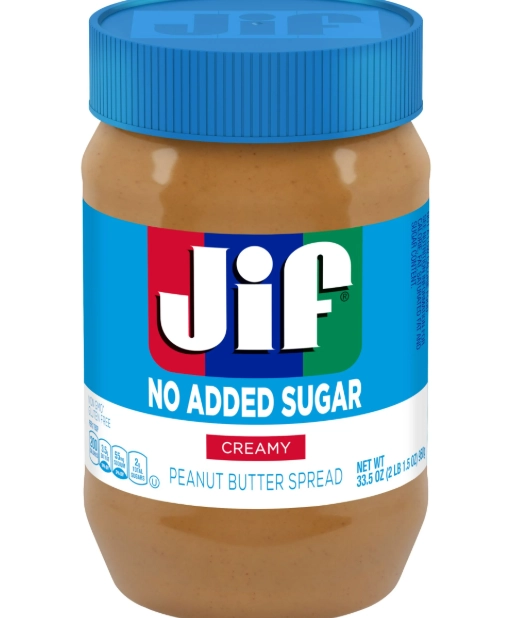
What Exactly Is No Sugar Peanut Butter? (It's Not Just Peanuts)
This seems obvious, right? Peanut butter without sugar. But the devil's in the details, and the food industry loves details. When you see "no sugar peanut butter" on a label, it should mean exactly that: peanuts, and maybe salt. Nothing else. The ingredient list is beautifully short.
But here's where it gets tricky. You'll also see terms like:
- "No Sugar Added": This means the manufacturer didn't put any extra sugar (like cane sugar, honey, molasses) into the product. However, the peanuts themselves naturally contain tiny amounts of sugar. It's minimal, but it's there. Some brands might also add "natural sweeteners" that aren't technically called sugar, like date paste or coconut sugar. Always check the ingredients.
- "Unsweetened": This is usually the purest claim. It means no sweeteners of any kind were added. Just peanuts (and salt, if it's salted). This is the gold standard if you're looking for a true no sugar peanut butter.
- "Natural": This is the vaguest term of all. It has no strict legal definition for peanut butter. A "natural" peanut butter could still have added sugar, palm oil, or other ingredients. Never buy based on this word alone.
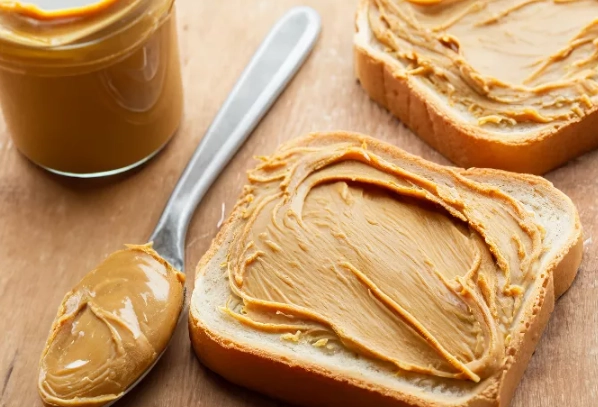
Watch Out For This: I once bought a jar labeled "Natural No Stir" thinking it was a healthier choice. The ingredient list had fully hydrogenated vegetable oils (trans fats!) to keep it from separating. It was smooth, sure, but it defeated the whole purpose of going natural. The lesson? "No Stir" often means added stabilizers or fats. If you want pure no sugar peanut butter, you'll likely need to stir it.
So, why does this matter? If you're managing blood sugar, following a keto or low-carb diet, or just trying to break a sugar addiction, those few grams of added sugar in regular peanut butter can add up. Choosing a true unsweetened peanut butter puts you in control.
Why Bother? The Real Health Perks (And a Few Drawbacks)
Switching to no sugar peanut butter isn't a magic bullet for weight loss. Let's just get that out of the way. A tablespoon still has about 90-100 calories, mostly from fat. But the type of nutrition changes significantly, and that's where the benefits kick in.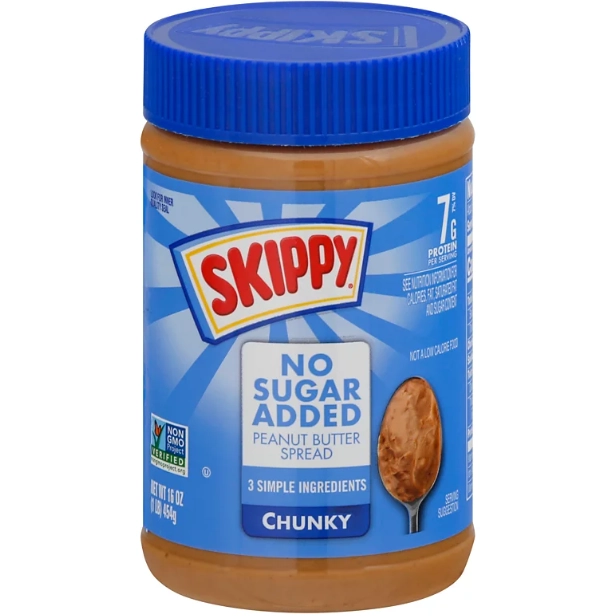
The Good Stuff You're Actually Getting
When you strip away the sugar and fillers, you're left with the power of the peanut itself. We're talking about:
- Healthy Fats: Mostly monounsaturated and polyunsaturated fats, the kinds that are good for your heart. The American Heart Association notes that replacing saturated fats with these unsaturated fats can help improve blood cholesterol levels. You can read more about the role of healthy fats in their diet guidelines here.
- More Protein: Without sugary fillers, the protein content per serving is often slightly higher. It's a great plant-based protein source to help keep you full.
- Fiber: Peanuts have fiber, which aids digestion and helps manage blood sugar spikes.
- Micronutrients: You get a decent dose of magnesium, potassium, vitamin E, and niacin (B3).
Let's Talk About the Not-So-Great Parts
I'm not here to sell you a perfect product. No sugar peanut butter has its quirks.
The Taste Adjustment: If you're used to the sweet, candy-like taste of Jif or Skippy, the first spoonful of pure unsweetened peanut butter can be a shock. It's earthy, robust, and sometimes a bit bitter. It's an acquired taste. I won't lie—my first reaction was "meh." It took me a few weeks of using it in smoothies and on apples to really appreciate the genuine peanut flavor.
The Texture Struggle: The oil separation is real. You must stir it thoroughly when you first open it, and you often need to store it upside down or in the fridge to minimize future separation. Some brands are grittier than others. If you hate crunchy peanut butter, you might find some "natural" no sugar versions have a slight grit from the peanut skins.
It's Still Calorie-Dense: This is the biggest trap. Because it tastes less decadent, it's easy to think you can eat more. You can't. Portion control is still key. A serving is two tablespoons, and it's very easy to double that without thinking.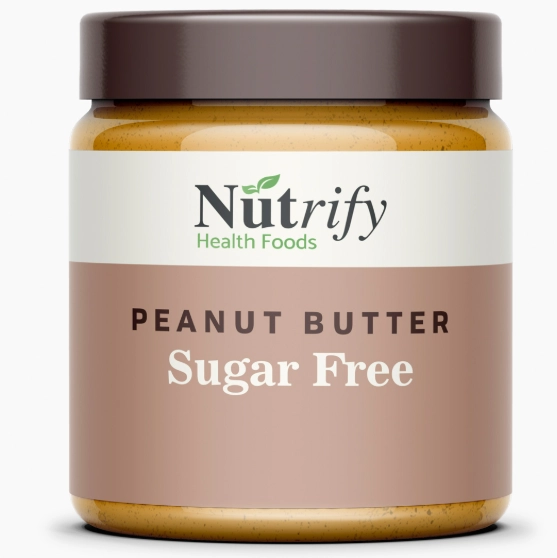
How to Pick the Best No Sugar Peanut Butter (A No-BS Comparison)
Okay, so you're convinced to try it. You walk into the store or browse online, and there are a dozen options. Which one do you grab? I've tried most of the major players, and here's my brutally honest breakdown.
I judged them on three things: ingredient purity (the fewer, the better), taste and texture straight from the jar, and how well they work in common uses (like spreading on toast or blending in a sauce).
| Brand & Product | Ingredients (The Shorter, The Better) | Taste & Texture Notes | My Personal Take & Best Use |
|---|---|---|---|
| Smucker's Natural Peanut Butter (Unsweetened) | Peanuts, 1% or less of salt. | Classic, reliable. Creamy texture when stirred well, a tiny bit salty. Oil separation is significant. | The Everyday Standard. This is your no-frills, widely available option. It's what I recommend for first-timers. Great for sandwiches and smoothies. Find their product info on the Smucker's website. |
| Teddie All Natural Unsalted Peanut Butter | Just peanuts. That's it. | Very pure peanut flavor, almost raw. Texture can be a bit thick and pasty. Zero salt means it tastes flat to some. | The Purist's Choice. If you want absolute control (you can add your own salt), this is it. I find it best for cooking/baking where you control seasoning. It can be bland on its own. |
| Crazy Richard's 100% Peanuts | Peanuts. | Incredibly creamy for a no-stir product (they use a special process). Mild, slightly sweet natural flavor. Surprisingly smooth. | The "No-Stir" Winner. This one changed my mind about convenience. It's truly just peanuts but doesn't separate. A bit pricier, but worth it if you hate stirring. Perfect for direct spreading. |
| Santa Cruz Organic Dark Roasted | Organic Dark Roasted Peanuts, Salt. | Deep, robust, almost coffee-like flavor from the dark roast. Thick texture. Not for those who like mild flavors. | The Flavor Adventure. This is my personal favorite for eating with a spoon or on dark toast. The roast adds a complexity that makes you not miss sugar at all. It's intense, though. |
| Justin's Classic Peanut Butter (No Sugar) | Dry Roasted Peanuts, Palm Oil, Salt. | Very smooth and spreadable right away. Consistent texture. Palm oil gives it a creamier mouthfeel. | The Compromise. The added palm oil is a deal-breaker for some purists (check sustainability concerns). But if texture is your biggest hurdle, this is the easiest transition from conventional peanut butter. It's more of a "no sugar added" than a pure unsweetened peanut butter. |
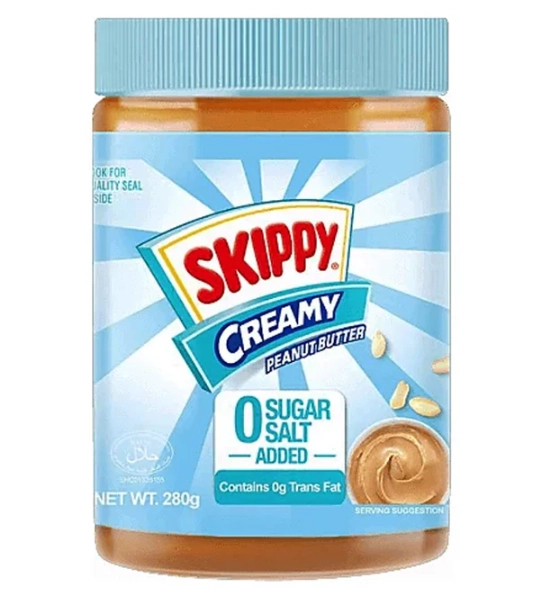 There's no single "best" brand. It depends on whether you value purity, convenience, or flavor most.
Pro Tip: Don't throw away the oil! When you stir your no sugar peanut butter, that peanut oil is gold. Mix it all back in thoroughly for a creamy texture. Pouring it out will leave you with a dry, cement-like paste at the bottom of the jar. Trust me, I've made that mistake.
Beyond the Spoon: How to Actually Use This Stuff
If you only eat it plain, you might get bored. The magic of no sugar peanut butter is its versatility in savory and sweet dishes where you control the sweetness.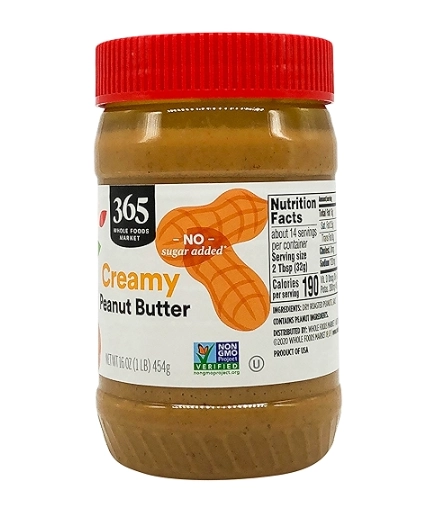
For Breakfast (No Sugar Crash)
- Oatmeal Booster: Stir a tablespoon into your morning oats with a pinch of cinnamon. It makes them incredibly creamy and adds staying power.
- The Ultimate Toast: Spread it on whole-grain toast and top with sliced banana and a sprinkle of cinnamon. The banana's natural sweetness is enough.
- Smoothie Base: Adds creaminess, protein, and healthy fats to any smoothie. Pairs perfectly with spinach, frozen banana, and unsweetened almond milk.
For Lunch & Dinner (Yes, Really)
This is where unsweetened peanut butter shines. It's a fantastic base for sauces without making them cloyingly sweet.
- Simple Satay Sauce: Whisk together ¼ cup no sugar peanut butter, 2 tbsp soy sauce (or coconut aminos), 1 tbsp lime juice, 1 tsp grated ginger, a minced garlic clove, and enough hot water to thin. Perfect for chicken, tofu, or noodle bowls.
- Thai-Inspired Peanut Noodles: Toss cooked noodles (soba or rice noodles) with a sauce made from peanut butter, lime juice, tamari, chili garlic paste, and a splash of rice vinegar. Add shredded veggies and protein.
- African Peanut Stew Base: Sauté onions, garlic, and sweet potato. Add vegetable broth, a big scoop of peanut butter, a can of diced tomatoes, and kale. Simmer until thick. The peanut butter makes it rich and hearty.
For Snacks & Treats (You Can Still Have Dessert)
- Energy Bites: Mix 1 cup rolled oats, ½ cup no sugar peanut butter, ¼ cup honey or maple syrup (or a sugar-free syrup), ¼ cup ground flaxseed, and a handful of dark chocolate chips. Roll into balls. You control the sweetener.
- Apple "Cookies": Slice apples into rounds, spread with peanut butter, and top with a few dark chocolate chips or shredded coconut.
- Frozen Yogurt Drizzle: Gently warm peanut butter with a tiny bit of coconut oil to make a drizzle for plain Greek yogurt with berries.
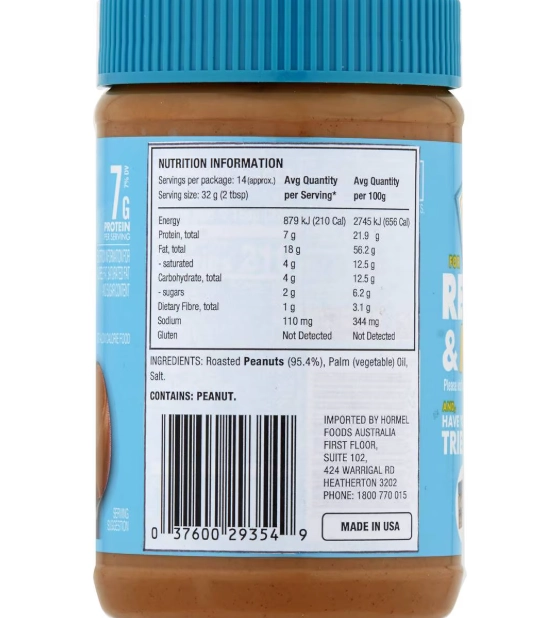
Your No Sugar Peanut Butter Questions, Answered
I've gotten a ton of questions from friends and readers. Here are the ones that come up all the time.
The Final Scoop: Is It Worth The Switch?
Look, I'm not going to tell you that switching to no sugar peanut butter will change your life. But it's one of those small, manageable tweaks that can have a real impact on how you eat. It retrains your palate to appreciate natural flavors. It gives you complete control over what goes into your body. And it opens up a world of culinary uses beyond just a sandwich spread.
Start with a small jar of a reputable brand like Smucker's Natural Unsweetened. Give yourself time to adjust. Use it in a savory sauce first—that's where its true potential shines. You might find, as I did, that you start to prefer it. The overly sweet stuff begins to taste artificial.
At the end of the day, food is about more than just nutrients. It's about enjoyment. The goal isn't to suffer through a jar of tasteless paste. The goal is to find a pure, simple, delicious no sugar peanut butter that you genuinely like. And when you do, you won't miss the sugar at all.
Reader Comments