Your Quick Peanut Butter Breakdown
- The Core Building Blocks: What's Actually in There?
- Beyond the Macros: The Vitamin and Mineral Powerhouse
- The Health Impact: What Does the Science Say?
- Navigating the Aisles: How to Choose the Best Peanut Butter
- Your Peanut Butter Nutrient Content Questions, Answered
- Putting It All Together: Making Peanut Butter Work for You
Let's be honest. Most of us grab a jar of peanut butter because it's delicious. It's that creamy, salty-sweet paste that makes a sandwich sing or turns a boring apple into a treat. But have you ever stopped mid-spoonful and wondered what you're actually eating? I mean, really eating. Beyond the taste, what's the deal with peanut butter nutrient content?
I used to just buy the cheapest brand. Then I started reading labels and got completely lost. “Natural,” “No Stir,” “Reduced Fat,” “Protein Plus” – it's a jungle out there. And the nutrition facts panel? It can feel like you need a degree in biochemistry to understand it.
So I decided to dig in. Not just a quick glance, but a real deep dive into what makes up this pantry staple. What I found surprised me. The peanut butter nutrient profile is a fascinating mix of powerhouse nutrition and some potential pitfalls, depending entirely on what's in your jar.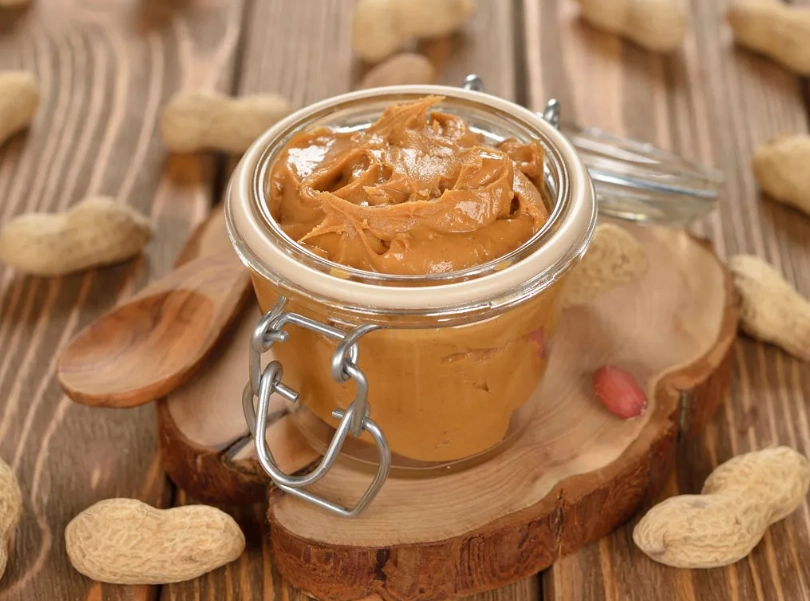
This isn't about telling you to eat it or avoid it. It's about giving you the clear, no-nonsense information you need to make your own choice. To understand exactly what that two-tablespoon serving is doing for (or to) your body. Let's crack open that jar and look inside.
The Core Building Blocks: What's Actually in There?
At its heart, real peanut butter is incredibly simple. It's peanuts. Sometimes a pinch of salt. That's it. When you look at the nutrient content of peanut butter made from just those ingredients, you see a food that's dense in good things. But most jars on the shelf have more going on.
The foundation of any peanut butter nutrient content analysis starts with the big three: fats, protein, and carbs.
The Macro Breakdown: Fats, Protein, and Carbs
For a standard two-tablespoon (32-gram) serving of the classic, regular peanut butter (the kind with added oils and sugars), you're looking at something like this. But remember, these numbers shift dramatically if you choose a natural or no-added-sugar variety.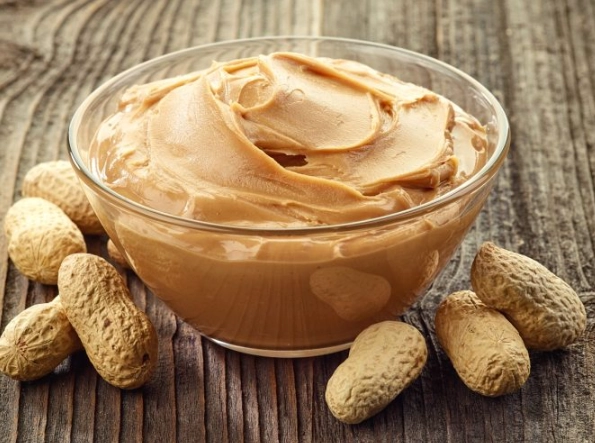
| Nutrient | Amount (in 32g serving) | % Daily Value (DV)* | Why It Matters |
|---|---|---|---|
| Calories | 190-200 | ~10% | Energy-dense, so portion control is key. |
| Total Fat | 16g | 21% | Mostly the heart-healthy unsaturated kind. |
| Saturated Fat | 3g | 15% | Moderate amount. Natural versions have less. |
| Protein | 7-8g | 14-16% | A solid plant-based protein source. |
| Total Carbohydrates | 7g | 3% | Relatively low. The fiber portion is beneficial. |
| Dietary Fiber | 2g | 7% | Supports digestion and gut health. |
| Total Sugars | 3g (can be 0-6g+) | Varies widely | This is the big variable. Often added. |
*Based on a 2,000 calorie diet. Your needs may differ.
See the sugar line? That's where the story splits. A natural peanut butter, one that's just peanuts and salt, will have 1 gram of sugar or less (naturally occurring). But many conventional brands add several grams of sugar—sometimes cane sugar, sometimes molasses, sometimes corn syrup solids. That addition changes the whole peanut butter nutrition game. Suddenly, a healthy fat and protein source becomes a sugary spread.
And the fat. Oh, the fat. This is what scares people off, but it really shouldn't. About 80% of the fat in peanuts is unsaturated—the kind that's good for your heart. You've got both monounsaturated and polyunsaturated fats in there, the same types praised in olive oil and avocados. The saturated fat is there, but in a modest amount, especially if you avoid brands that add palm oil or hydrogenated oils to stop separation.
The Takeaway: Don't fear the fat in peanut butter. Focus on the type. The unsaturated fats are a major health benefit. The real thing to watch is the added sugar and unnecessary oils, which can dilute this benefit.
Beyond the Macros: The Vitamin and Mineral Powerhouse
This is where the peanut butter nutrient content gets really interesting. It's not just about calories and grams. It's packed with micronutrients that play crucial roles in your body. This is the stuff that makes it a “nutrient-dense” food, not just a “calorie-dense” one.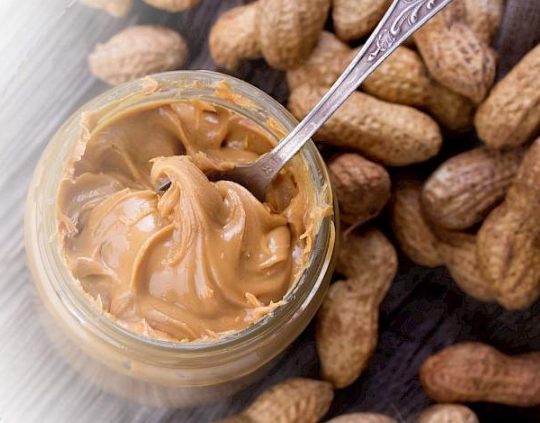
Let's talk about the stars of the show:
- Niacin (Vitamin B3): A two-tablespoon serving gives you about 25% of your daily needs. Niacin is a workhorse for converting food into energy and keeping your nervous system and skin healthy.
- Vitamin E: A powerful antioxidant that protects your cells from damage. Peanut butter is a good source, providing about 10-15% of the DV. Antioxidants are like little bodyguards for your cells, and getting them from food is always better than from a pill.
- Magnesium: Critical for muscle and nerve function, blood sugar control, and bone health. Many people don't get enough. Peanut butter offers around 15% of the DV per serving.
- Phosphorus: Works with calcium to build strong bones and teeth. You'll get a decent chunk here.
- Copper & Manganese: Trace minerals that are essential for brain health, connective tissue formation, and antioxidant defense. Peanut butter is surprisingly rich in them.
It also contains decent amounts of folate, potassium, and zinc. Now, is it a multivitamin in a jar? No. But as part of a varied diet, it meaningfully contributes to your overall micronutrient intake. This rich micronutrient profile is a key part of why the health benefits of peanut butter are studied beyond just its fat content.
I remember reading a label once and being shocked to see it had iron. It made sense—plants have iron too—but it just wasn't something I associated with my PB&J. It's these little bonuses that add up.
The Health Impact: What Does the Science Say?
Okay, so we know the raw numbers of peanut butter nutrient content. But what does that actually mean for your health? Can something this tasty and calorie-rich be good for you? The research, much of it observational but compelling, suggests a resounding “yes,” with some important caveats.
The Good News First: Potential Benefits
When you consume peanut butter with a good nutrient profile (think: minimal additives), studies link it to some positive outcomes:
- Heart Health Helper: This is the big one. Despite the old fat-phobic myths, numerous studies have found that regular nut and peanut butter consumption is associated with a lower risk of heart disease. The Harvard T.H. Chan School of Public Health notes that the unsaturated fats, fiber, magnesium, and other compounds in peanuts help lower LDL (“bad”) cholesterol and improve heart health markers. It's the total package of nutrients working together.
- Blood Sugar Management: This might seem counterintuitive, but the combination of healthy fat, protein, and fiber creates a slow, steady release of energy. It helps prevent those sharp spikes and crashes in blood sugar. Having a little peanut butter with a carbohydrate (like an apple or whole-grain toast) is a smart way to blunt the sugar rush.
- Weight Management (When Portion-Controlled): Yes, you read that right. Because it's so satiating, a small amount of peanut butter can keep you full for hours, potentially reducing overall calorie intake later. The key phrase is “portion-controlled.” Mindlessly eating it from the jar with a spoon? That's a different story.
- A Plant-Based Protein Anchor: For vegetarians, vegans, or anyone trying to eat less meat, the 7-8 grams of protein per serving is a valuable addition to meals and snacks. It's a complete protein source, meaning it contains all nine essential amino acids, though one (methionine) is lower than in animal proteins. Pair it with a whole grain, and you're golden.
For the most authoritative information on dietary fats and heart health, the American Heart Association's guidelines are an essential resource. They clearly distinguish between healthy unsaturated fats and those to limit.
The Not-So-Good News: Cautions and Considerations
It's not all smooth, creamy goodness. There are real downsides, mostly tied to the *type* of peanut butter you choose.
The Added Sugar Problem: This is my biggest gripe with the industry. Many popular brands add significant sugar. When you're trying to manage your weight, support metabolic health, or just avoid unnecessary empty calories, this added sugar completely undermines the natural benefits. You're turning a wholesome food into a dessert spread.
Then there are the added oils. Some brands add fully or partially hydrogenated oils to prevent the natural oil separation. These are sources of trans fats, which are terrible for heart health. Thankfully, many have phased them out, but palm oil is still common. Palm oil is high in saturated fat and its production raises environmental concerns.
Calorie density is a double-edged sword. It's great for energy and satiety, but it's very easy to overconsume. Two tablespoons is a surprisingly small amount visually. Go overboard regularly, and the calorie surplus can lead to weight gain, negating any benefits.
Finally, allergies. This is a serious and life-threatening issue for many. Peanut allergies are common and severe. Obviously, if you or someone in your household has an allergy, peanut butter is off the table.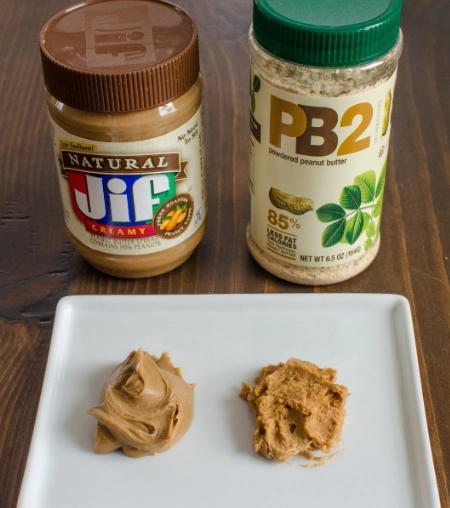
Navigating the Aisles: How to Choose the Best Peanut Butter
This is the practical part. You're standing in the grocery store, faced with twenty different jars. How do you pick the one with the best peanut butter nutrient content for your goals? Here’s my personal checklist, born from too many disappointing purchases.
The Ingredient List is Your Best Friend. Turn the jar around. Read it. What do you see?
- The Gold Standard: “Peanuts, Salt.” Maybe “Peanuts.” That's it. This is your winner. The peanut butter nutrient content here is pure and unadulterated.
- The Acceptable Compromise: “Peanuts, Salt, Palm Fruit Oil.” The palm oil is added to stabilize it so it doesn't separate. The nutrition is still good, but the saturated fat content will be slightly higher. Some people really hate stirring, so this is the trade-off.
- The Yellow Flag: “Peanuts, Sugar, Palm Oil, Salt, Molasses.” Now sugar is the second ingredient. The peanut butter nutrient profile is now skewed. It's becoming more of a treat.
- The Red Flag: “Peanuts, Corn Syrup Solids, Sugar, Hydrogenated Vegetable Oil (Cottonseed and Rapeseed Oil), Salt…” This is a Frankenstein's monster of additives. The healthy fats are compromised by hydrogenation, and added sugars abound. Put it back.
Decode the Label Claims.
“Natural” is almost meaningless on its own. It can still contain added sugar and palm oil. You must read the ingredients.
“Reduced Fat” is a trap. To make up for the removed fat (which is the healthy part!), manufacturers often add more sugar or starchy fillers to improve texture. You end up with a product that's less satisfying and potentially worse for you. Just eat a slightly smaller portion of the full-fat, good stuff.
My rule of thumb? The shorter the ingredient list, the better. I've settled on a brand that has one ingredient: dry-roasted peanuts. It separates like crazy, and I have to stir it vigorously and keep it in the fridge. But the taste is intensely peanutty, and I know exactly what I'm getting. No surprises.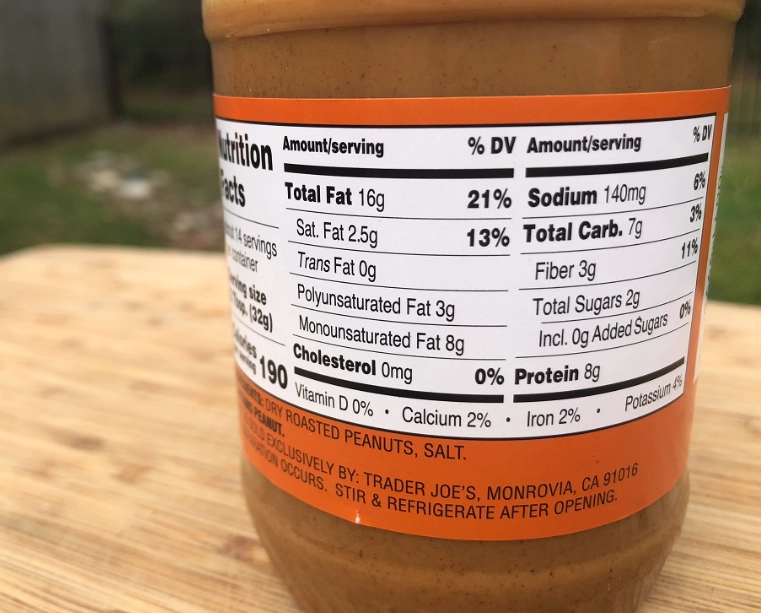
Your Peanut Butter Nutrient Content Questions, Answered
I get a lot of questions about this stuff. Here are the ones that come up most often, based on what people are actually searching for.
Is peanut butter a good source of protein?
Yes, it's considered a good plant-based source. With 7-8 grams per serving, it contributes meaningfully to your daily needs. However, it's not as protein-dense per calorie as something like chicken breast or Greek yogurt. Think of it as a supporting actor for protein, not the sole star, unless you're eating a lot of it.
Is the fat in peanut butter unhealthy?
This is the most common misconception. The majority of the fat is heart-healthy monounsaturated and polyunsaturated fat. These fats help reduce bad cholesterol (LDL) and increase good cholesterol (HDL). The small amount of saturated fat is not a concern for most people when consumed as part of a balanced diet. The unhealthy fats come from *added* hydrogenated oils in some low-quality brands.
How does natural peanut butter nutrition differ from regular?
It's a significant difference. Natural peanut butter (just peanuts, maybe salt) typically has: No added sugars (only the 1-2g naturally present), potentially less saturated fat (if no palm oil is added), and a more favorable mineral ratio because there are no fillers diluting the peanuts. The core peanut butter nutrient content is more concentrated and pure.
Can I eat peanut butter if I'm trying to lose weight?
Absolutely, but with precision. Its high satiety factor can be a powerful tool. The key is strict portion control. Measure out a single serving (2 tbsp) instead of eating from the jar. Incorporate it into meals that need staying power—like a morning smoothie or on whole-grain toast. Avoid the “low-fat” versions and choose natural to maximize nutrients and minimize empty calories from sugar.
What about aflatoxins? Are they a real concern?
This is a nuanced one. Peanuts can be susceptible to a mold that produces aflatoxins, which are potential carcinogens in very high doses. However, in countries like the United States and those in the EU, regulatory bodies like the U.S. Food and Drug Administration (FDA) set strict limits on allowable levels in food. The risk from commercially produced peanut butter is considered extremely low for the general population. Major brands test rigorously. The health benefits of consuming peanut butter far outweigh this minimal, regulated risk.
Putting It All Together: Making Peanut Butter Work for You
So, after all this, what's the final word on peanut butter nutrient content?
It's a nutrient-dense food. When you choose wisely, you're getting a fantastic package of healthy fats, plant-based protein, fiber, vitamins, and minerals. It can support heart health, help manage hunger, and add valuable nutrients to your diet.
But the devil is in the details.
The specific peanut butter nutrient profile in *your* jar makes all the difference. A jar of blended peanuts and salt is a health food. A jar of peanuts, sugar, and hydrogenated oils is a processed spread with some redeemable qualities.
My advice? Don't be afraid of it. Embrace it as a healthy fat source. But be a smart consumer. Read the label every time. Opt for the simplest ingredient list you can find. Measure your portions. And enjoy it—whether it's smeared on celery, blended into a sauce, or just eaten by the spoonful (the measured spoonful!) straight from the jar. Knowing exactly what's in it makes that taste even better.
Reader Comments