Quick Guide
- The Straight Scoop: Protein in Different Types of Peanut Butter
- Is That Protein Actually Good Quality?
- Looking Beyond the Protein: The Full Nutrition Picture
- How to Use Peanut Butter to Hit Your Protein Goals
- Your Top Questions About Protein in Peanut Butter, Answered
- Putting It All Together: The Final Verdict
Let's cut straight to the chase. You're here because you typed "how much protein is in peanut butter" into Google. Maybe you're trying to hit your daily protein goals, building muscle, or just looking for a satisfying snack that keeps you full. I get it. I've been there, spoon in hand, staring at the jar and wondering if I'm actually fueling my body or just indulging.
The short, no-nonsense answer is that a standard two-tablespoon (roughly 32-gram) serving of classic peanut butter gives you about 7 to 8 grams of protein. That's the ballpark figure you'll see on most labels.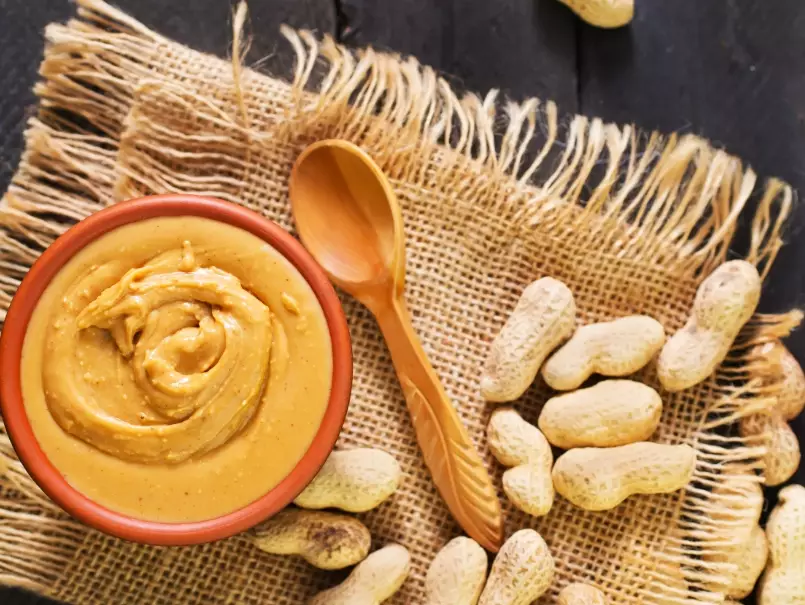
I remember when I first started paying attention to my protein intake. I'd slather peanut butter on everything, thinking I was a nutritional genius. Then I looked at the label of the sugary spread I was using and realized I was getting more corn syrup than protein. It was a bit of a wake-up call. So, let's break this down properly, so you don't make my old mistakes.
The Straight Scoop: Protein in Different Types of Peanut Butter
Not all peanut butter is created equal. Asking "how much protein is in peanut butter" is like asking how fast a car goes—it depends on the model. The primary factor is the peanut content itself. More peanuts (and less of other fillers) usually means more protein.
Here’s a detailed look at what you can expect from different varieties. I've pulled this data together from standard nutrition labels and the USDA FoodData Central database, which is the gold standard for this kind of info.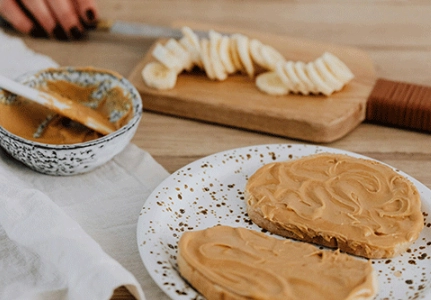
| Type of Peanut Butter | Serving Size (2 tbsp / ~32g) | Approximate Protein Content | Key Things to Know |
|---|---|---|---|
| Smooth/Regular (with added oils & sugar) | 32g | 7-8 grams | The classic. Protein content is consistent but watch for added sugars and hydrogenated oils. |
| Crunchy | 32g | 7-8 grams | Nutritionally very similar to smooth. The texture comes from peanut pieces, not less protein. |
| Natural (Peanuts & Salt only) | 32g | 7-8 grams | Often has a slightly higher peanut percentage, so protein might be at the higher end of the range. Oil separation is normal! |
| Powdered Peanut Butter (like PB2) | 2 tbsp powder (12g) | 5-6 grams* | *This is for the powder before mixing with water. The big sell is much lower fat and calories for a similar protein punch. |
| "Low-Fat" or "Reduced Fat" | 32g | Often 6-7 grams | Be skeptical. Fat is often replaced with extra sugars or fillers, which can dilute the protein per serving. Read the label carefully. |
See? A simple table makes it clearer than a paragraph of text. The protein doesn't vary wildly, but the context around it—the fat, sugar, and additives—changes a lot. That's crucial for your overall diet.
Is That Protein Actually Good Quality?
Okay, so we know the quantity. But what about the quality? This is where things get interesting. Protein isn't just a single thing; it's made of building blocks called amino acids. Your body needs 20 different ones, and 9 of them are "essential," meaning you have to get them from food.
Peanut butter protein is not a "complete protein." A complete protein contains all nine essential amino acids in sufficient amounts. Animal sources like meat, eggs, and dairy are complete. Most plant sources, including peanuts, are low in one or more.
For peanuts (and therefore peanut butter), the limiting amino acid is methionine. It's present, just not in the ideal abundance that, say, chicken breast has.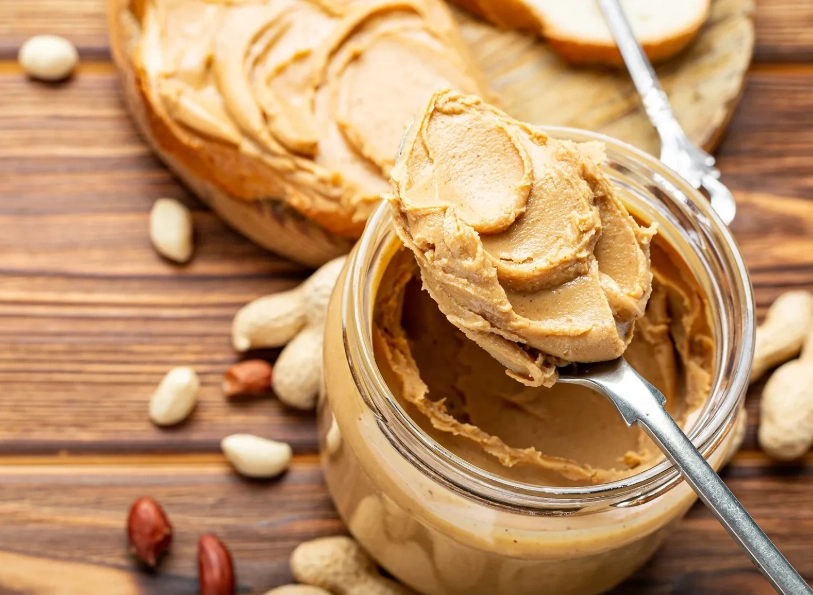
Don't Panic About "Incomplete" Protein
This sounds like a big deal, but it's really not for most people. Unless you're eating only peanut butter all day, you're almost certainly getting methionine from other foods in your diet—grains, seeds, other vegetables. Your body is smart. It pools amino acids from everything you eat throughout the day. So, while peanut butter alone isn't complete, as part of a varied diet, it contributes excellent, usable protein.
How Does It Stack Up Against Other Protein Sources?
Let's put that 7-8 grams into perspective. Is that a lot? Is it a little? It's helpful to compare.
Here’s a quick mental list. Per typical serving:
- Chicken Breast (3 oz cooked): About 26g protein. (Way more, but it's a pure protein source).
- One Large Egg: About 6g protein. (So, two tablespoons of peanut butter has slightly more protein than one egg).
- Greek Yogurt (5.3 oz single serve): About 12-15g protein.
- Lentils (1/2 cup cooked): About 9g protein.
- Almond Butter (2 tbsp): About 6-7g protein. (Slightly less than peanut butter).
So, peanut butter is a solid contributor. It's not your primary muscle-building fuel if you're an athlete, but it's a fantastic supporting player. It's a plant-based protein source with staying power because of its fat and fiber.
Which brings me to my next point...
Looking Beyond the Protein: The Full Nutrition Picture
If you're asking "how much protein is in peanut butter," you're probably health-conscious. So you need to know the whole story. Peanut butter isn't a protein pill; it's a whole food with a mix of nutrients.
The Good Stuff:
- Healthy Fats: It's rich in monounsaturated and polyunsaturated fats, which are heart-healthy. The Harvard T.H. Chan School of Public Health highlights these as beneficial fats for cardiovascular health.
- Fiber: That two-tablespoon serving also gives you about 2 grams of dietary fiber, which aids digestion and helps you feel full.
- Vitamins & Minerals: It's a decent source of Vitamin E (an antioxidant), Magnesium (good for muscles and nerves), Potassium, and B vitamins like Niacin.
The Stuff to Watch:
- Calories: It's energy-dense. Those same 2 tablespoons pack around 180-200 calories, mostly from fat. This is great for satiety but easy to overdo if you're not mindful with the spoon.
- Added Sugars: Many conventional brands add sugar. This can add 2-4 grams of added sugar per serving, which adds up. Check the ingredients list.
- Added Salt: Sodium content can vary. Natural versions with just salt are fine for most, but some processed brands can be higher. The American Heart Association recommends less than 2,300mg a day, so just be aware.
- Unhealthy Fats: Avoid brands that list "partially hydrogenated oils." This is a source of trans fats, which are bad for heart health. Thankfully, these are mostly phased out now.
How to Use Peanut Butter to Hit Your Protein Goals
Knowing the number is one thing. Using it effectively is another. Here’s how I think about incorporating it.
For the Average Adult: The RDA for protein is 0.8 grams per kilogram of body weight. For a 150-pound (68 kg) person, that's about 55 grams per day. Two tablespoons of peanut butter gets you roughly 15% of the way there. It's a meaningful boost.
For Athletes or Those Building Muscle: Needs are higher, often 1.2-2.0g per kg. Here, peanut butter is better as a complementary source. Pair it with a higher-protein food or use it in post-workout snacks that also contain a complete protein.
Practical Ideas (Beyond the Spoon):
- Breakfast Boost: Stir a tablespoon into oatmeal or yogurt. The protein and fat will keep you full for hours.
- The Classic Snack: Apple slices or celery sticks with peanut butter. The fiber from the fruit/veg complements it perfectly.
- Sauce Base: Thin it with a little warm water, soy sauce, lime juice, and chili for a quick satay or noodle sauce.
- Smoothie Thickener: Adds creaminess, flavor, and yes, protein.
- Energy Bites: Mix with oats, a little honey, and protein powder if you want an extra kick, then roll into balls.
I used to make these no-bake protein balls for long hikes. They were perfect—portable, tasty, and kept my energy steady. The peanut butter was the glue that held them together, literally and nutritionally.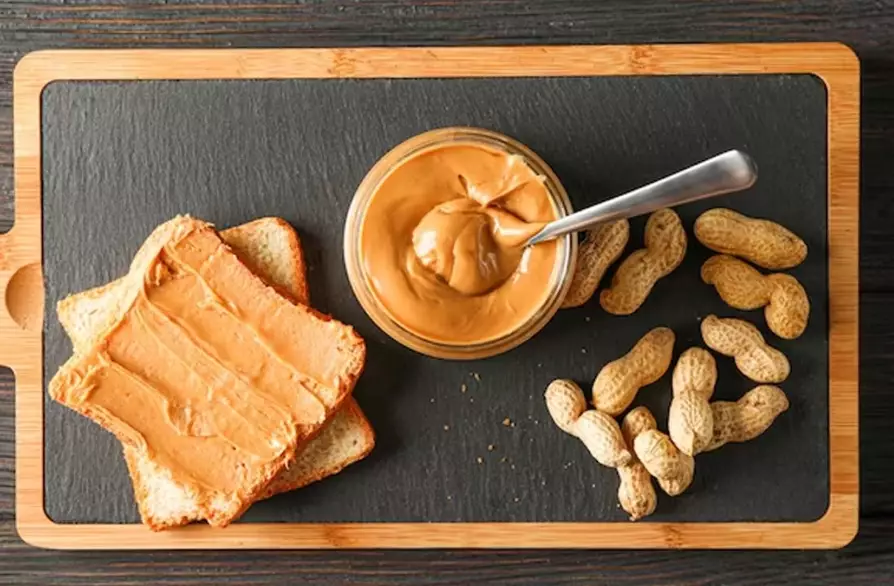
Your Top Questions About Protein in Peanut Butter, Answered
A Quick Word on Allergies and Alternatives
Obviously, if you have a peanut allergy, none of this protein content matters. Thankfully, there are great alternatives. Sunflower seed butter ("sunbutter") and soy nut butter are often formulated to have similar protein contents—usually in the 6-8 gram per serving range. Always check the label, as recipes vary.
Putting It All Together: The Final Verdict
So, after all this, what's the final answer to "how much protein is in peanut butter"?
The reliable, go-to number is 7 to 8 grams per two-tablespoon serving. It's a solid, plant-based source that brings along healthy fats, fiber, and important vitamins and minerals. It's not a complete protein on its own, but in the context of a normal, varied diet, that's not a problem.
When you're at the store, my advice is simple:
- Look at the Ingredients: The best list is short. "Peanuts" or "Peanuts and Salt." That's it.
- Check for Added Sugar: Keep it under 2-3 grams per serving if you can.
- Avoid Hydrogenated Oils: This is non-negotiable for heart health.
- Measure Your Portions: Use a real tablespoon. It's too easy to over-serve.
Peanut butter is a kitchen staple for a reason. It's versatile, delicious, and yes, a pretty good source of protein. It's not a magic bullet, but it's a trustworthy tool in your nutrition toolkit. Now you know exactly what you're getting with every scoop—not just the protein, but the whole, nutty package.
Reader Comments