Let's cut to the chase. If you're here because you have celiac disease, non-celiac gluten sensitivity, or are just avoiding gluten, you want a straight answer. Here it is: Plain peanuts are naturally gluten-free. So, in theory, pure peanut butter should be safe. But in practice, that's where things get messy. The jar sitting on your grocery store shelf is where the real risk lies, not in the peanut itself.
I've been navigating a strict gluten-free diet for over a decade due to celiac disease. I've learned the hard way that "should be" and "is" are worlds apart. The question isn't just "is peanut butter gluten free?" It's "is this specific jar of peanut butter safe for me to eat?" That's what we're going to figure out.
What You'll Find Inside
The Hidden Risk: It's Not the Peanuts, It's Everything Else
Think about how peanut butter is made. Peanuts go from the farm to a processing facility, get roasted, ground, and maybe mixed with other ingredients. At any of these steps, gluten can sneak in. This is called cross-contact or cross-contamination.
The biggest culprit? Shared production lines. A factory might make peanut butter one day and process wheat-based granola or cookie dough the next. Even with cleaning, traces of gluten-containing flour can linger. For someone with celiac disease, even tiny amounts—think crumbs—can trigger an immune response and damage the small intestine.
A Common Misconception: Many people see "natural" on a label and assume it's automatically gluten-free. This is a dangerous assumption. "Natural" is a marketing term, not a safety certification. A "natural" peanut butter could still be made on shared equipment with gluten-containing products.
Then there are the added ingredients. While classic peanut butter is just peanuts and salt, many brands add:
- Hydrogenated oils (to prevent separation)
- Sugars or molasses
- Stabilizers
- Flavorings (like honey, chocolate, or cookie pieces)
Molasses is usually fine, but flavorings and stabilizers can be sources of hidden gluten. Chocolate or cookie swirl varieties are obvious red flags.
Here's a personal story. Early in my diagnosis, I bought a major national brand of creamy peanut butter. It had one ingredient: peanuts. I thought I was golden. A few hours later, I had classic glutening symptoms. I called the company. After a long hold, a representative confirmed they couldn't guarantee the product was gluten-free because they also processed wheat-based products in the same facility and didn't test for gluten. That was my painful lesson in "may contain" statements.
How to Shop for Truly Gluten-Free Peanut Butter
You can't just grab any jar. You need a strategy. Here’s my step-by-step process every time I shop.
Step 1: Read the Ingredient List (But Don't Stop There)
Look for obvious gluten ingredients: wheat, barley, rye, malt, or oats (unless they're certified gluten-free oats). If you see these, put it back. Simple, right? But remember, the absence of these words doesn't mean safety.
Step 2: Hunt for a Gluten-Free Certification Label
This is the gold standard. A third-party certification from organizations like the Gluten-Free Certification Organization (GFCO), NSF, or the Celiac Support Association means the product has been tested to meet strict gluten-free standards (usually 10 ppm or less of gluten). The company's manufacturing process has been audited. Look for the logo on the package.
Step 3: Decode the Allergy Statement
In the U.S., the FDA regulates allergen labeling. Check for a "Contains:" statement. If it says "Contains: Wheat," it's not safe. More importantly, look for voluntary advisory statements like:
- "May contain wheat"
- "Processed in a facility that also processes wheat"
- "Made on shared equipment with wheat"
For most people with celiac disease or high sensitivity, these are warnings to avoid the product. Some people with mild sensitivity might be okay with a "facility" warning, but I never risk it. A "shared equipment" warning is a hard no.
Pro-Tip: Companies change their formulas and manufacturing processes. A brand that was safe last year might not be safe today. I make it a habit to re-check the label every single time I buy a staple like peanut butter. I've been burned by assuming something was still okay.
Step 4: Know Your Safe Brands
To save you some legwork, here's a breakdown of common peanut butter brands and what to look for. This is based on my research and experience, but always verify with the current label.
| Brand | Gluten-Free Status (Check Label!) | Key Notes & Potential Red Flags |
|---|---|---|
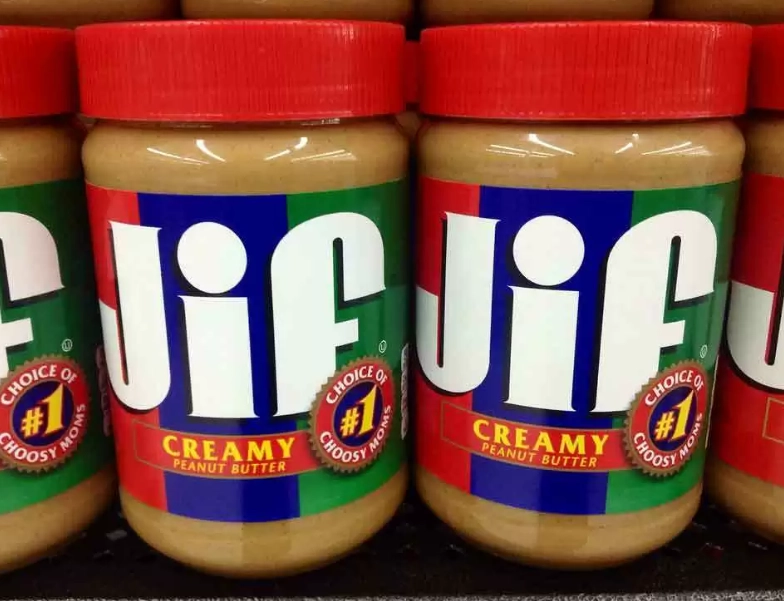
| Jif | Most varieties are labeled gluten-free. | Their website states many products are gluten-free |
| Skippy | Most creamy and chunky varieties are labeled gluten-free. | Similar to Jif, they state most are gluten-free. Again, the on-package label is your final authority. |
| Justin's | All classic nut butters are certified gluten-free (GFCO). | Excellent option. Look for the GFCO seal. Their flavored varieties (like Honey) are also certified. |
| Smucker's Natural | Labeled gluten-free. | The "Natural" series with just peanuts and salt is a reliable, simple choice. |
| Crazy Richard's | 100% peanuts only, no additives. Labeled gluten-free. | One of the purest options. Minimal risk of cross-contact due to simple ingredients. |
| Trader Joe's | Their store-brand creamy and crunchy are labeled gluten-free. | Always a good budget-friendly find. Check the label as store brands can change. |
| Peanut Butter & Co. | Check carefully. | While their "Smooth" and "Crunchy" may be fine, avoid "The Bee's Knees" (has oat flour) and "White Chocolate" which are not gluten-free. |
When in doubt, the Beyond Celiac and Celiac Disease Foundation websites have reliable product databases and guides.
Safe Eating Tips Beyond the Label
You've bought a safe jar. Great! But the risk isn't over. Cross-contamination can happen in your own kitchen.
- Use a clean knife. Never double-dip a knife that's been in bread, crackers, or any gluten-containing food into your peanut butter jar. This is the #1 way people accidentally gluten their safe food at home.
- Consider a dedicated jar. In a shared household, I have my own jar with a bright lid. Everyone knows not to touch it. It prevents well-meaning family members from contaminating it.
- Be careful at diners and cafes. Bulk peanut butter dispensers are cross-contamination nightmares. The scoop goes from toast to the bin constantly. I never eat peanut butter out unless it's in a sealed, single-serve packet from a brand I trust.
- Make your own. It's easier than you think. Buy roasted, unsalted peanuts (ensure they're gluten-free), throw them in a high-powered food processor with a pinch of salt, and blend until smooth. You control everything. It's cheaper, too.
Your Gluten-Free Peanut Butter Questions, Answered
I'm traveling and forgot my safe peanut butter. What's the quickest way to check a random brand?
Ignore the front of the jar. Flip it over. First, scan the ingredient list for wheat, barley, rye, malt. Second, look immediately below the ingredients for a "Contains:" statement. Third, look for any "may contain" or "processed in a facility" warnings near the ingredients or at the very bottom of the label. If it passes all three, it's *likely* okay for low-sensitivity folks, but without a gluten-free label, there's still a risk I wouldn't take with celiac disease.
Are "powdered" or "powder" peanut butters like PB2 usually gluten-free?
They often are, but you must check. PB2 Original is labeled gluten-free. The issue with powders is they sometimes add maltodextrin (which can be wheat-based) or process them in facilities with wheat. The same rules apply: look for the certification or a clear gluten-free claim on the package.
My child with celiac disease wants a peanut butter and jelly sandwich. What's the safest jelly to pair it with?
This is a great question. Jellies and jams can contain gluten as a thickener (modified food starch) or be processed on shared lines. Stick with major national brands like Smucker's (their regular jellies are labeled gluten-free) or Bonne Maman. Again, check the label. The safest bet is a jelly that also has a gluten-free label. And of course, use gluten-free bread.
Is almond butter or other nut butters a safer gluten-free choice?
Not necessarily. They face the exact same cross-contamination risks in processing facilities. Cashew butter, sunflower seed butter—they all require the same rigorous label checking. Don't assume alternative nut butters are automatically safer. SunButter (sunflower seed butter) is often produced in a dedicated gluten-free facility and is a fantastic, safe choice for those with both peanut and gluten allergies.
What about organic peanut butter? Does that guarantee it's gluten-free?
No. Organic refers to how the peanuts are grown, not how they're processed. An organic peanut butter can still be made on equipment that processes wheat. "Organic" and "gluten-free" are completely separate claims. Never use one to assume the other.
The bottom line is empowering. You don't have to give up peanut butter. You just have to become a savvy, slightly skeptical label detective. Trust the certifications, respect the advisory statements, and protect your safe food at home. With these steps, you can enjoy your peanut butter toast, smoothies, and apple slices with complete confidence.
Reader Comments