Jump to What You Need
I messed up my first batch of peanut butter fudge big time. It was grainy, it crumbled, and my family politely called it "interesting." After ten years of tweaking recipes—yes, I'm that person who brings fudge to every potluck—I've nailed down the secrets to creamy, melt-in-your-mouth fudge. This guide isn't just another list of steps; it's the stuff I wish I knew when I started, packed with tips that most blogs gloss over. Whether you're a beginner or looking to up your game, you'll find everything here to make fudge that actually works.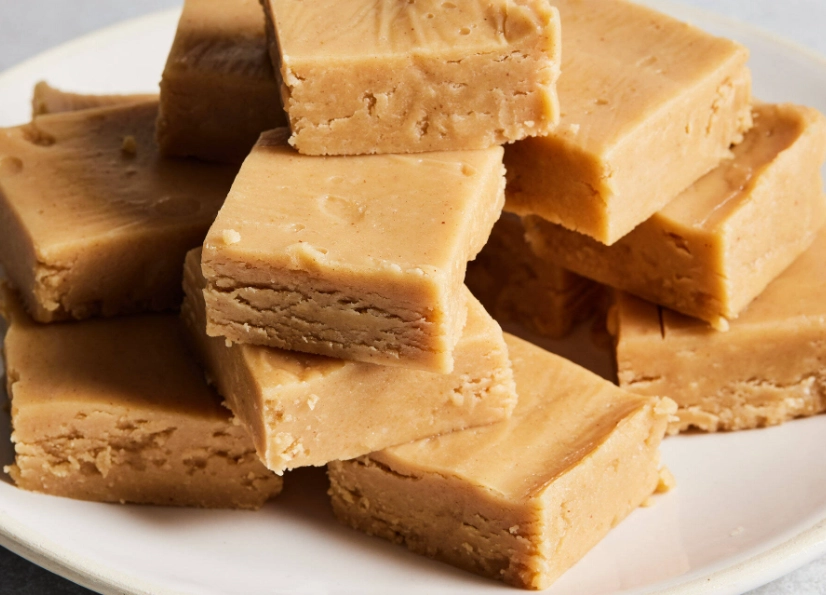
Why Peanut Butter Fudge is a Must-Try
Peanut butter fudge is more than just a sweet treat. It's a comfort food that combines rich, nutty flavors with a smooth texture that melts on your tongue. Unlike other desserts, it's surprisingly simple to make—no baking required, and you can whip it up in under an hour. But here's the kicker: most people get it wrong because they rush or skip key steps. I've seen folks boil the mixture too long or use the wrong type of peanut butter, ending up with a gritty mess. The beauty of this recipe lies in its simplicity, but the devil's in the details.
Think about it: when you search for "easy peanut butter fudge recipe," you're probably hoping for something foolproof that delivers consistent results. That's exactly what this guide offers. I'll walk you through the process, pointing out where things can go south, so you avoid the pitfalls I stumbled into.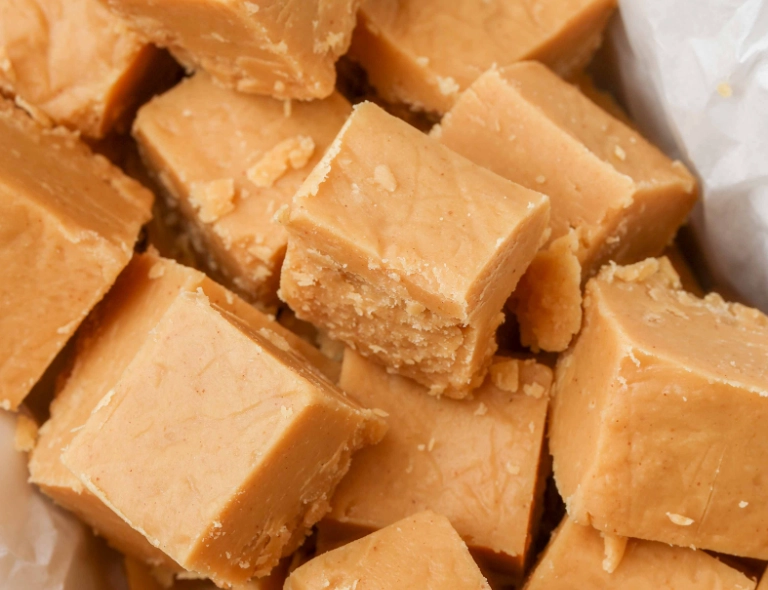
Ingredients and Tools You Can't Skip
Let's get real—using the right stuff makes all the difference. I've made fudge with whatever was in my pantry, and it shows. Here's what you absolutely need:
Essential Ingredients
- Creamy peanut butter: Not the natural kind. Regular creamy peanut butter, like Jif or Skippy, has added oils that help stabilize the fudge. Natural peanut butter can separate and make the texture oily.
- Unsalted butter: Salted butter can throw off the flavor balance. Use unsalted so you control the saltiness.
- Sweetened condensed milk: This is the magic ingredient that gives fudge its creamy base. Don't substitute with evaporated milk—it won't work the same.
- Vanilla extract: Pure vanilla adds depth. Imitation vanilla can taste artificial.
- Powdered sugar: Also called confectioners' sugar. It dissolves easily, preventing graininess.
Tools That Save Time
You don't need fancy gear, but these items are non-negotiable:
- A heavy-bottomed saucepan: Distributes heat evenly to prevent burning.
- Candy thermometer: This is crucial. Guessing the temperature is why many batches fail. Aim for 235°F (soft-ball stage).
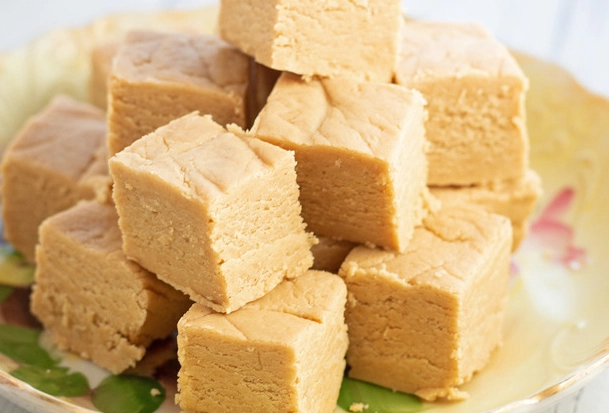
- 8x8 inch baking pan: Lined with parchment paper for easy removal.
- Wooden spoon or silicone spatula: For stirring without scratching your pan.
I learned the hard way that skipping the thermometer leads to overcooked fudge. Trust me, it's worth the investment—you can find one for under $10.
Step-by-Step Recipe for Perfect Fudge
Here's my go-to recipe that never fails. Follow these steps closely, and you'll have fudge ready to impress in no time.
Step 1: Prep Your Workspace
Before you start, line your baking pan with parchment paper, leaving some overhang on the sides. This makes it easy to lift the fudge out later. Measure all your ingredients—this isn't the time to wing it. I use 2 cups of creamy peanut butter, 1/2 cup of unsalted butter, 1 can (14 ounces) of sweetened condensed milk, 2 teaspoons of vanilla extract, and 4 cups of powdered sugar (sifted to avoid lumps).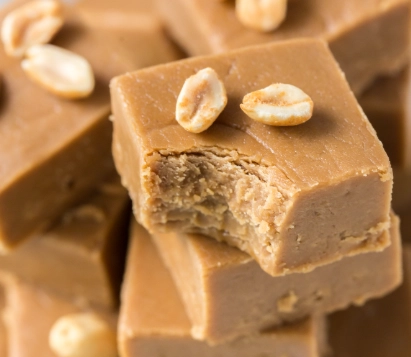
Step 2: Melt and Combine
In your heavy-bottomed saucepan, melt the butter and peanut butter over medium-low heat. Stir constantly until smooth—this takes about 3-4 minutes. Don't let it boil yet. Then, add the sweetened condensed milk and vanilla extract. Keep stirring until everything is well blended. The mixture should be glossy and thick.
Step 3: Heat to the Right Temperature
This is where most people slip up. Attach your candy thermometer to the side of the pan. Increase the heat to medium and bring the mixture to a boil. Once it starts bubbling, stop stirring. Let it cook until it reaches 235°F on the thermometer. This might take 5-7 minutes. If you don't have a thermometer, you can do the soft-ball test: drop a small bit into cold water; it should form a soft ball that flattens when pressed. But I highly recommend the thermometer for accuracy.
Step 4: Mix in the Sugar
Remove the pan from heat immediately. Gradually add the sifted powdered sugar, stirring vigorously until fully incorporated. The mixture will thicken quickly. Pour it into your prepared pan and spread evenly with a spatula.
Step 5: Set and Cut
Let the fudge cool at room temperature for about 2 hours, then refrigerate for another hour to firm up. Use the parchment paper to lift it out, and cut into squares with a sharp knife. For clean cuts, wipe the knife with a warm, damp cloth between slices.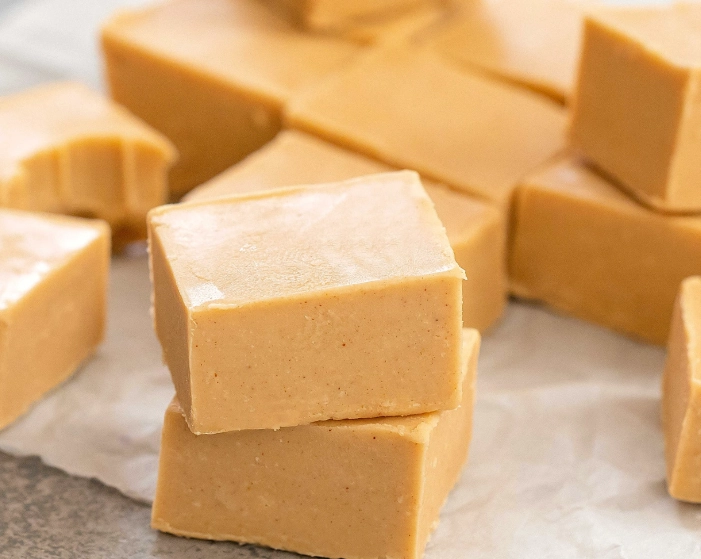
Pro tip from my kitchen: If the fudge sets too hard, you might have overheated it. Next time, pull it off the heat at 230°F—it'll be slightly softer but still sliceable. I prefer that texture anyway.
Common Mistakes and How to Fix Them
I've made every error in the book, so learn from my blunders. Here's a quick table of what goes wrong and how to avoid it:
| Mistake | Why It Happens | How to Fix or Prevent |
|---|---|---|
| Grainy texture | Sugar crystals form from stirring during boiling or using granulated sugar instead of powdered. | Don't stir once boiling starts; use powdered sugar and ensure it's fully dissolved. |
| Too soft or oily | Underheating or using natural peanut butter with separated oils. | Heat to 235°F exactly; use regular creamy peanut butter and store fudge in the fridge. |
| Hard and crumbly | Overcooking above 240°F or adding too much sugar. | Use a thermometer; measure sugar accurately and sift it. |
| Sticks to the pan | Not lining the pan properly or cutting before fully set. | Use parchment paper; let fudge cool completely before slicing. |
One thing most recipes don't mention: humidity can affect fudge setting. On rainy days, I add an extra 1/4 cup of powdered sugar to absorb moisture. It's a small tweak that saves the batch.
Fun Variations to Spice Things Up
Once you've mastered the basic recipe, try these twists. They're perfect for holidays or when you want to impress guests.
- Chocolate Swirl Fudge: Melt 1 cup of chocolate chips and swirl it into the fudge mixture before pouring into the pan. It creates a marbled effect that looks fancy but is easy to do.
- Nutty Crunch Fudge: Fold in 1/2 cup of chopped peanuts or almonds after adding the sugar. This adds texture and a toasted flavor.
- Sea Salt Caramel Fudge: Drizzle store-bought caramel sauce over the fudge before it sets, then sprinkle with sea salt. The sweet-salty combo is addictive.
- Vegan Peanut Butter Fudge: Substitute butter with coconut oil and use a vegan condensed milk alternative. I've tried this with cashew-based milk, and it works well—just expect a slightly different texture.
I often make a double batch and mix in different add-ins for variety. My family loves the chocolate swirl version best; it's become a Christmas tradition.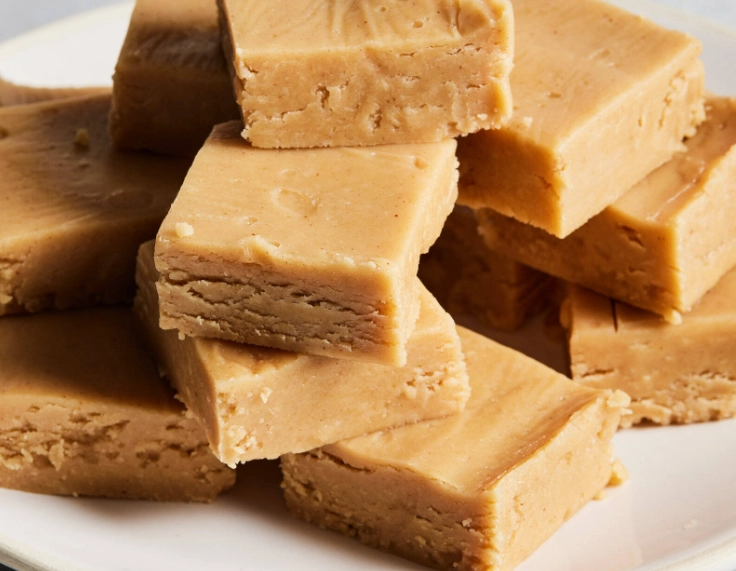
Your Burning Questions Answered
Making peanut butter fudge is a rewarding experience—it's quick, customizable, and always a crowd-pleaser. Start with the basic recipe, pay attention to temperature, and don't be afraid to experiment. If I can go from gritty failures to creamy successes, so can you. Now, grab that saucepan and get cooking; your perfect batch is just a few steps away.
Reader Comments