Quick Guide
So you love peanut butter. I get it. Who doesn't? It's that creamy, salty-sweet paste that makes everything from toast to apples taste better. But if you've ever stood in the grocery aisle, jar in hand, squinting at the tiny print on the label, you know it's not always simple. What are you actually eating? Is it a health food or a dessert in disguise?
Let's cut through the marketing and get to the real peanut butter dietary facts. This isn't about scaring you away from your favorite spread. It's about empowering you to make the best choice, whether your goal is building muscle, losing a few pounds, or just feeling good about what you're putting in your body.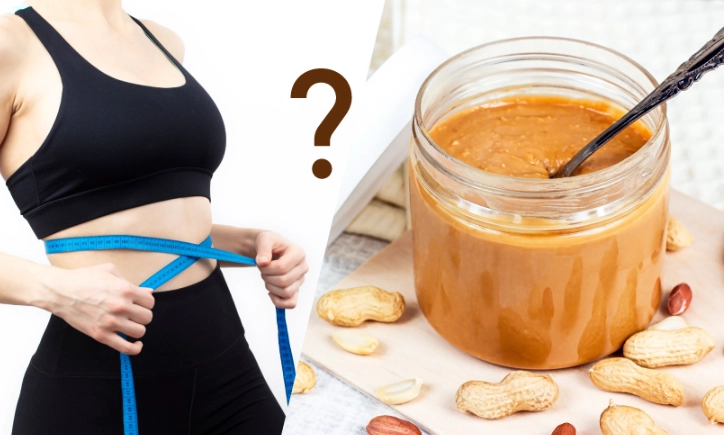
The Basic Nutritional Breakdown: What's in Two Tablespoons?
Let's start with the foundation. A standard serving is two tablespoons (about 32 grams). But what does that get you? The numbers can swing wildly depending on what kind you buy. I remember grabbing a "low-fat" version years ago, thinking I was being smart, only to later realize it had way more added sugar to compensate for taste. Lesson learned.
Here’s a comparison of what you typically get from different types, based on data from the trusted USDA FoodData Central. This is where you find the real, un-spun peanut butter nutrition facts.
| Nutrient | Classic Creamy (with stabilizers) | "Low-Fat" Peanut Butter | Natural Peanut Butter (just peanuts & salt) |
|---|---|---|---|
| Calories | ~190-200 | ~180-190 | ~190-200 |
| Total Fat | 16g | 12g | 16g |
| Saturated Fat | 3g | 2.5g | 2.5g |
| Protein | 7g | 8g | 8g |
| Total Carbs | 7g | 15g | 6g |
| Dietary Fiber | 2g | 2g | 3g |
| Sugars | 3g (mostly added) | 4g (mostly added) | 1g (natural) |
| Sodium | 150mg | 180mg | 5mg (if unsalted) |
See the trap? The "low-fat" one often sneaks in extra carbs and sugars. The calories are almost identical! For me, the natural version is the clear winner. You get the same satisfying fat (the good kind), more protein, less sugar, and fewer weird ingredients.
Decoding the Fat: The Good, The Okay, The Avoidable
This is where most people get hung up. "Sixteen grams of fat! That's so much!" But hold on. Not all fats are created equal. The fat in peanut butter is predominantly monounsaturated and polyunsaturated fat. You know, the kind that's good for your heart.
Monounsaturated fats (like the oleic acid also found in olive oil) can help reduce bad LDL cholesterol and increase good HDL cholesterol. Polyunsaturated fats include essential omega-6 fatty acids. Sure, we need to watch our omega-6 to omega-3 balance in the overall diet, but in the context of a whole food like peanuts, it's not a villain.
The saturated fat content is relatively low and, according to more recent research, the specific type in plant sources like peanuts may not have the same negative impact as saturated fat from animal products. The Harvard T.H. Chan School of Public Health notes that the overall nutritional package of a food is more important than isolating one nutrient like saturated fat.
So, don't fear the fat in quality peanut butter. It's what makes it filling and helps absorb fat-soluble vitamins.
Protein and Fiber: The Satiety Superstars
Seven to eight grams of plant-based protein per serving is nothing to sneeze at. It's not a complete protein like meat or eggs (it's low in the amino acid methionine), but paired with whole grains like whole-wheat bread, you get a complete protein profile. This combo is why peanut butter toast is such a classic—it actually keeps you full.
Then there's the fiber. Two to three grams helps with digestion, feeds your gut bacteria, and further slows down digestion to prevent blood sugar spikes. It's a key part of the peanut butter dietary facts that makes it more than just empty calories.
Is Peanut Butter Actually Healthy? The Pros and Cons
Based on the peanut butter dietary facts, yes, it can be an incredibly healthy part of your diet. But that big "can be" depends entirely on the type you choose and how much you eat.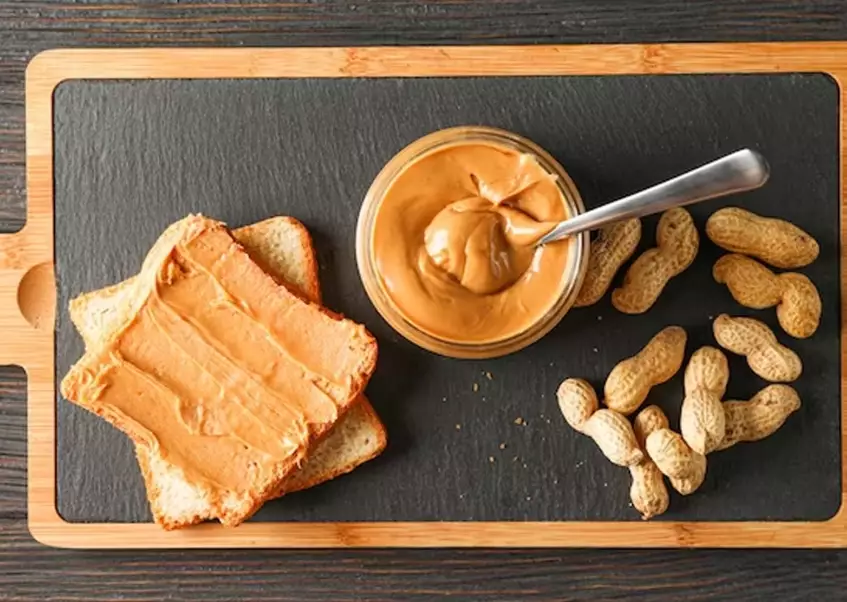
The Good Stuff: Health Benefits Backed by Science
When you pick the right jar, peanut butter offers some solid benefits:
- Heart Helper: The monounsaturated fats, polyunsaturated fats, vitamin E, and magnesium contribute to heart health. Studies, including large cohorts like the Nurses' Health Study, have shown that regular nut consumption is linked to a lower risk of heart disease.
- Blood Sugar Buddy: Despite the "butter" name, it has a low glycemic index. The combination of fat, protein, and fiber means it releases energy slowly, preventing those sharp rises and crashes in blood sugar. Adding a spoonful to a carb-heavy snack (like an apple) is a smart move.
- Weight Management Friend: This seems counterintuitive given the calorie density, but hear me out. Because it's so satiating, a small amount can curb hunger for hours. Research suggests people who include nuts and nut butters in their diet don't gain more weight and may find it easier to control appetite. The key, obviously, is portion control.
- Nutrient Packed: Beyond the macros, it's a source of vitamins and minerals like Vitamin E (a powerful antioxidant), Magnesium (for muscle and nerve function), Potassium (for blood pressure), and B vitamins like Niacin.
The Not-So-Good Stuff: What to Watch Out For
Okay, time for some real talk. Peanut butter isn't perfect, and some types are downright bad for you.
The Added Sugar & Oil Problem: This is the biggest issue with conventional brands. Many add not just sugar, but also fully or partially hydrogenated vegetable oils (a source of trans fats) to prevent oil separation and increase shelf life. Even if the label says "0g trans fat," if "hydrogenated oil" is in the ingredients list, it contains trace amounts per serving (the legal loophole). Trans fats are terrible for heart health. Always, always check the ingredients.
Calorie Density: At about 190 calories for two tablespoons, it's easy to overdo it. I'm guilty of this—who measures perfectly? A "heaping" tablespoon can easily be two servings. If you're dipping a knife straight from the jar, you might be consuming 400-500 calories without even realizing it.
Salt: Some brands are loaded with sodium. If you're watching your blood pressure, look for low-sodium or unsalted versions.
Aflatoxin Concern: Peanuts grow underground and can be susceptible to a mold that produces aflatoxins, which are potential carcinogens in high amounts. Reputable brands in the US and EU test for this rigorously to keep levels extremely low. The U.S. Food and Drug Administration (FDA) sets strict limits. The risk from commercial peanut butter is considered very low, especially when weighed against its benefits, but it's a fact worth knowing.
How to Pick the Healthiest Peanut Butter: A Shopping List Guide
Forget the fancy claims on the front. Turn the jar around. Your mission is to find a product where the ingredient list is short and sweet (but not literally sweet).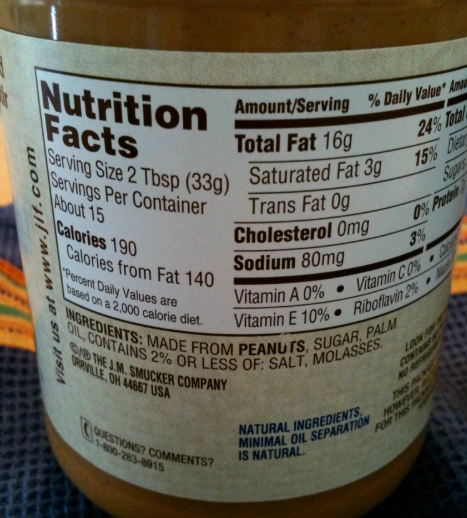
The Gold Standard: The label should read: "Peanuts." Or "Peanuts, Salt." That's it. This is your natural, no-stir (or sometimes stir-required) peanut butter. The oil will likely separate on top—that's normal! Just stir it in. Store it upside down sometimes, or in the fridge after opening to minimize separation.
The Acceptable Compromise: Maybe you really hate stirring. Some brands add a small amount of palm fruit oil (not the same as unhealthy palm kernel oil) to stabilize it. If the ingredients are "Peanuts, Palm Fruit Oil, Salt," that's still a decent choice. The fat profile remains similar.
The Red Flag List: Put the jar back if you see any of these in the ingredients:
- Sugar (or cane sugar, corn syrup solids, dextrose, molasses)
- Fully or Partially Hydrogenated Oils (source of trans fats)
- Palm Kernel Oil or Hydrogenated Palm Kernel Oil (high in saturated fat)
- A long list of emulsifiers and stabilizers you can't pronounce
My personal rule? If it tastes like dessert straight from the spoon, it's probably got too much added sugar. A good peanut butter should taste like... roasted peanuts. Savory, slightly sweet from the peanuts themselves, with a deep roasted flavor.
Your Peanut Butter Dietary Facts Questions, Answered
Putting It All Together: Making Peanut Butter Work For You
Understanding peanut butter dietary facts isn't about creating food fear. It's about liberation. Once you know what to look for, you can enjoy it without guilt, knowing you're fueling your body with something genuinely good.
Start by finding a brand with a clean ingredient list. Get used to the taste of real peanuts—it might take a week if you're switching from the super-sweet stuff, but your taste buds will adjust. Measure your portions at first to train your eye. And then, enjoy it. Smear it on whole-grain bread with banana slices. Blend it into a smoothie for creaminess and staying power. Dip carrot sticks in it. Make a simple satay sauce.
It's a simple, affordable, and delicious source of good nutrition. Just make sure the jar you're grabbing is worthy of the amazing peanut inside.
Reader Comments