I spent years grabbing peanut butter jars without a second glance at the label. Then I gained a few pounds and wondered why. Turns out, I was eating spoonfuls of hidden sugars and unhealthy fats. Now, after digging into nutrition science and even making my own batches, I can tell you that understanding a peanut butter nutritional label is the difference between a healthy staple and a diet saboteur. Let's cut through the marketing fluff and get real about what's in your jar.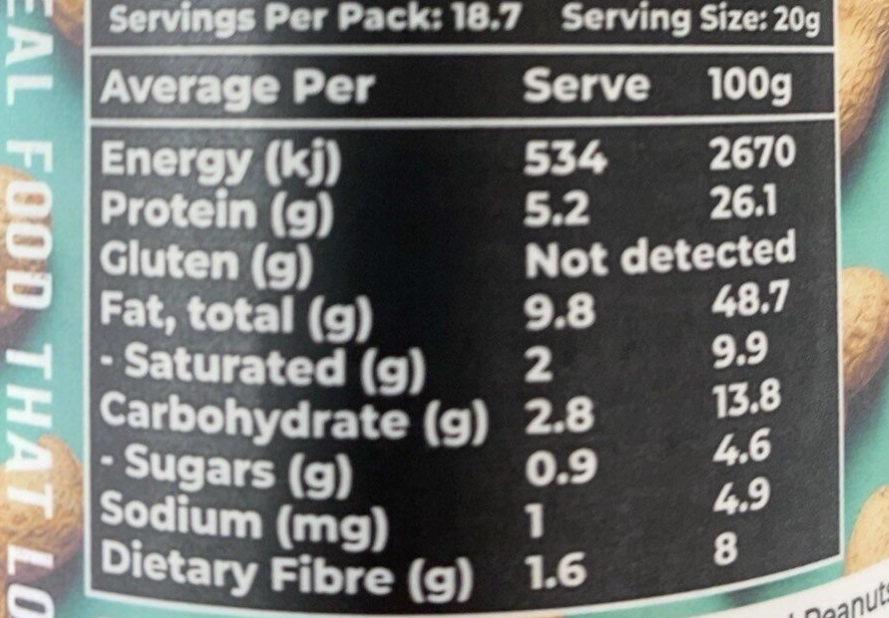
What You'll Learn in This Guide
How to Read a Peanut Butter Nutritional Label Like a Pro
Most folks just check calories and protein, but that's like judging a book by its cover. The real story is in the details. Start with the serving size—it's often misleading. A typical serving is 2 tablespoons (32g), but who stops at that? I used to eat double without realizing it, doubling my sugar intake.
Understanding the Nutrition Facts Panel
Look beyond the big numbers. Fat content: peanuts are naturally high in fat, but it's mostly monounsaturated and polyunsaturated fats, which are heart-healthy. Saturated fat should be low, ideally under 2g per serving. Protein is key—good peanut butter offers 7-8g per serving. Carbohydrates: here's where it gets tricky. Total carbs include fiber and sugars. Aim for high fiber (2-3g) and low added sugars (less than 1g).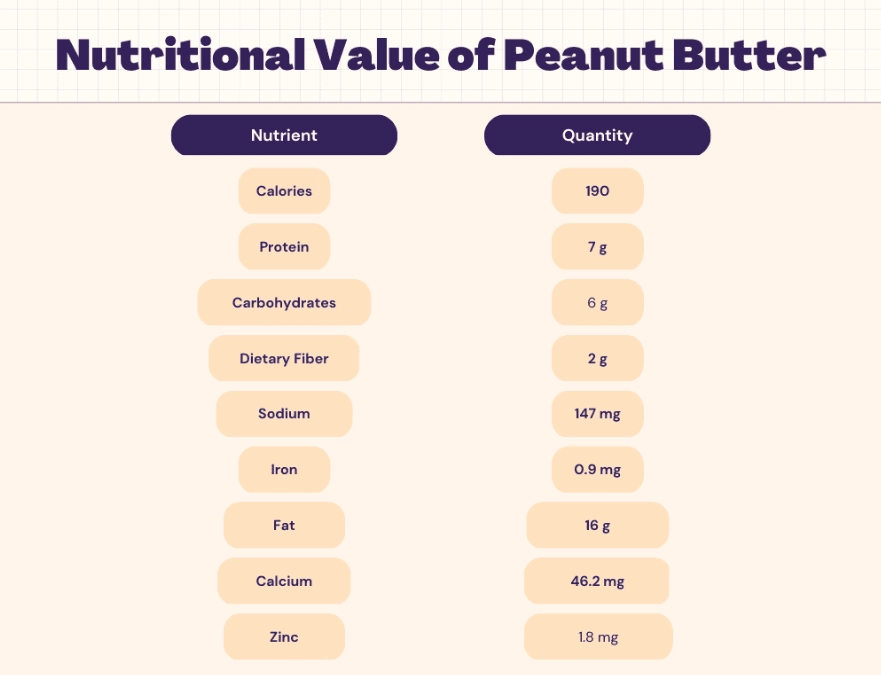
A quick tip from my kitchen: if the label lists "sugars" as more than 2g, put it back. Natural peanut butter should have near zero.
The Ingredient List: Where the Truth Lies
This is non-negotiable. Ingredients are listed by weight. For healthy peanut butter, the list should be short: peanuts, maybe salt. That's it. If you see hydrogenated oils, palm oil, or corn syrup, run. I once bought a "natural" brand that added fully hydrogenated vegetable oil—sneaky, because it doesn't always show as trans fat on the label due to loopholes.
Let's compare two popular brands using a table. I pulled data from actual labels I checked at my local store.
| Brand & Type | Serving Size | Calories | Total Fat | Added Sugars | Ingredients |
|---|---|---|---|---|---|
| Brand A: Natural Creamy | 2 tbsp (32g) | 190 | 16g | 0g | Peanuts, Salt |
| Brand B: Honey Roasted | 2 tbsp (32g) | 200 | 15g | 5g | Peanuts, Sugar, Honey, Hydrogenated Vegetable Oil |
See the difference? Brand B packs extra sugars and unhealthy oils, disguised as a tasty option. According to the FDA's labeling guidelines, added sugars must be listed separately, so use that to your advantage.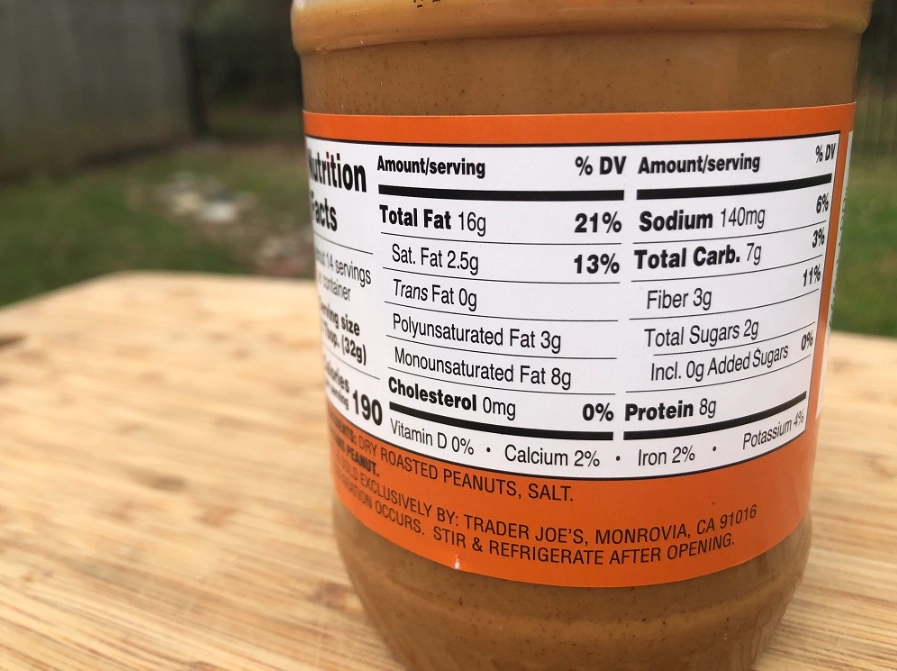
Top Mistakes People Make with Peanut Butter Labels
I've seen friends fall for these pitfalls time and again. First, assuming "low-fat" means healthy. Peanut butter with fat removed often has more sugars or fillers to compensate. Second, trusting front-of-package claims like "no cholesterol"—peanuts are plant-based, so they never had cholesterol to begin with. It's a marketing gimmick.
Another big one: ignoring serving sizes. If you're using peanut butter in smoothies or sauces, you might consume multiple servings without tracking. I did this for months before noticing my energy crashes were tied to sugar spikes from my "healthy" peanut butter.
Let me share a personal story. I recommended a certain brand to a client for weight management, only to find out later they added maltodextrin—a carbohydrate that spikes blood sugar but isn't always labeled as sugar. It's listed under "other ingredients." Now, I always scan for hidden carbs.
How to Choose the Healthiest Peanut Butter for Your Diet
This isn't about picking the most expensive jar. It's about matching your needs. For general health, go for natural, unsweetened varieties. Look for labels that say "100% peanuts" or list peanuts as the sole ingredient. Stores like Trader Joe's or Whole Foods often have good options, but even big brands like Smucker's offer simple versions.
Comparing Brands: A Practical Approach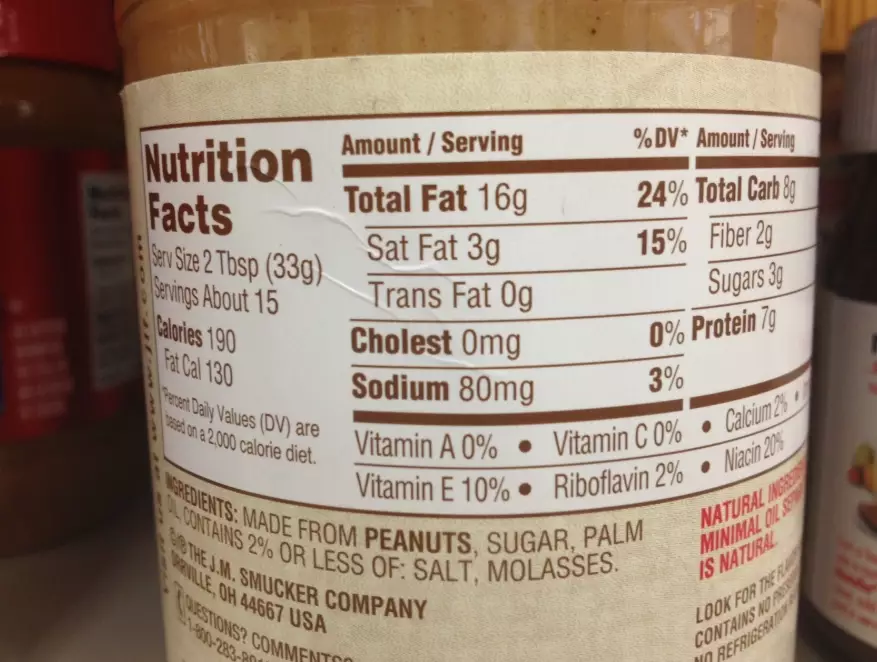
Don't just rely on brand reputation. Grab three jars next time you're shopping. Compare their labels side-by-side. Check the added sugars—the USDA dietary guidelines recommend limiting added sugars to less than 10% of daily calories. For a 2,000-calorie diet, that's 50g max, so every gram counts.
Here's a list of things I prioritize when choosing:
- No added sugars: This is my rule number one. Even "organic" brands can sneak in cane juice or honey.
- Minimal ingredients: Peanuts and salt only. If salt is listed, it should be near the end, meaning less sodium.
- Oil separation: If the oil separates on top, that's a good sign—it means no stabilizers were added. Stir it in; it's worth the effort.
Why Homemade Peanut Butter Wins
I started making my own last year. It's dead simple: roast peanuts, blend them in a food processor until smooth, add a pinch of salt if you want. Cost? About half the price of premium brands. Nutritional control? Total. You know exactly what's in it—no surprises. The flavor is richer, too. It takes 10 minutes, and you can customize it with cinnamon or cocoa for variety.
But if homemade isn't your thing, at least use these criteria to shop smarter. A report from the Environmental Working Group highlights how food labels can be deceptive, so always double-check.
Your Burning Questions About Peanut Butter Nutritional Labels
 For weight loss, should I choose reduced-fat peanut butter based on the label?
Wrapping up, decoding a peanut butter nutritional label isn't rocket science, but it does require a keen eye. Start with the ingredient list, watch for added sugars, and don't be fooled by front-label claims. Whether you're managing weight, building muscle, or just eating clean, the right peanut butter can be a powerhouse in your diet. I still enjoy a spoonful daily—now from a jar I trust completely.
Reader Comments