You grab a jar, unscrew the lid, and dig in with a spoon. That creamy, nutty goodness is a staple in pantries everywhere, loved for its taste and its reputation as a protein-packed snack. But if you're counting macros, building muscle, or just trying to eat better, you need a real number. So, how much protein is in a scoop of peanut butter? The short answer is between 7 to 8 grams for a standard 2-tablespoon (32-gram) serving. But that's just the starting point. Stick around, because the real story is in the details most people miss—like what "a scoop" actually means, which brands deliver more, and why your measuring technique might be costing you grams of protein.
What You'll Learn in This Guide
What is a Standard Scoop of Peanut Butter?
Let's get this out of the way first. When nutrition labels and most articles say "a scoop," they're almost always talking about a 2-tablespoon (tbsp) serving, which weighs about 32 grams. This is the standard unit used by the USDA FoodData Central and nearly every major brand. It's roughly the size of a ping-pong ball or a standard soup spoon heaped up.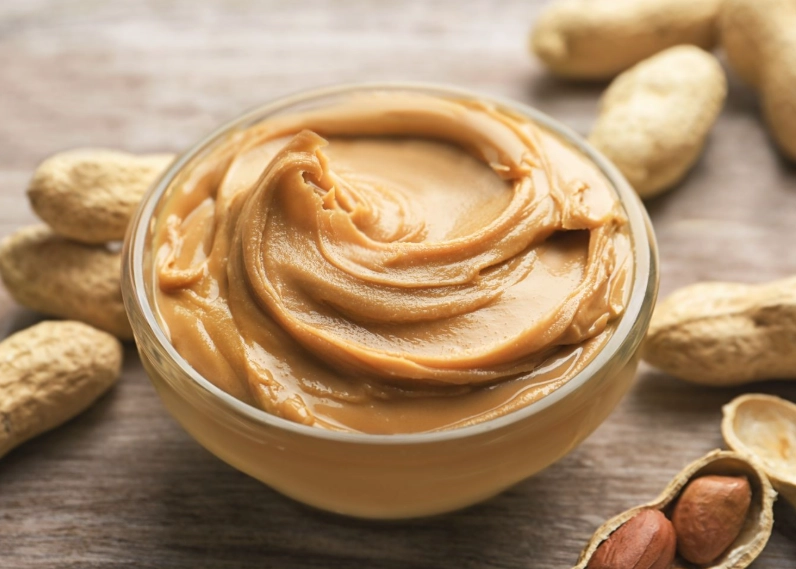
But here's the first pitfall: your idea of a scoop and the label's idea are probably different. I've seen people use a heaping tablespoon, a dessert spoon, or just eyeball it straight from the jar. That "scoop" could easily be 3 or even 4 tablespoons, doubling your calories and protein—but also your fat and carbs. If you're serious about tracking, you need a consistent measure.
Key Takeaway
For accurate tracking, always refer to the 2-tablespoon (32g) serving size on the nutrition label. That's your baseline "scoop." Any other scoop size needs to be converted.
Protein Showdown: Brand-by-Brand & Type Comparison
Not all peanut butter is created equal. The protein content can vary based on the brand, whether it's natural or processed, and if it has added ingredients. I pulled data from official nutrition labels and the USDA database to give you a clear picture.
This table shows the protein content per standard 2-tablespoon (32g) serving for common types and brands.
| Peanut Butter Type & Brand | Protein per 2-tbsp Scoop | Notes & Why It Matters |
|---|---|---|
| Classic Processed (e.g., Jif Creamy) | 7 grams | The baseline. Contains added oils and sugars, which slightly dilute the peanut percentage. |
| "Natural" Stirred (e.g., Smucker's Natural) | 8 grams | Just peanuts and salt. Higher peanut content means more protein. Oil separation is normal. |
| Powdered Peanut Butter (e.g., PB2) | 6 grams* | *For a 2-tbsp powder serving (12g). When reconstituted, it has much less fat but protein density is high per calorie. |
| High-Protein Blends (e.g., Naked PB) | 8-9 grams | Sometimes includes added pea protein isolate. Check labels for pure peanut content. |
| USDA Standard (Generic) | 7.1 grams | The scientific average for plain peanut butter, according to the USDA National Nutrient Database. |
See the pattern? Natural, no-stir peanut butters consistently edge out the processed ones by about a gram of protein per scoop. That's because they have a higher percentage of actual peanuts. The processed versions fill space with hydrogenated oils and sweeteners. A gram might not seem like much, but over a week of daily scoops, that's an extra 7 grams of protein—equivalent to a large egg.
Powdered peanut butter is a different beast. Per serving of powder, it has less total protein. But its superpower is protein per calorie. You're getting most of the protein with a fraction of the fat. It's a trade-off.
The #1 Mistake People Make: How to Measure Accurately
This is where most online advice falls flat. They give you the number but not the method. Scooping peanut butter is messy and imprecise. A "scoop" can be a rounded mound, a level spoon, or anything in between. The difference in weight can be 10 grams or more, throwing your protein count off by 2+ grams.
Forget using just a tablespoon from your drawer. Here's what I do after years of tracking:
Use a Kitchen Scale. This is the gold standard. Zero out the scale with your bowl or bread on it. Spoon peanut butter until it reads 32 grams. That's your true 2-tablespoon serving. Do this a few times, and you'll train your eye.
The Level-and-Sweep Method (No Scale). If you must use a measuring spoon, use a narrow, straight-edged utensil. Overfill the spoon, then take the back of a knife and sweep it across the top to create a perfectly level surface. Don't pack it down. This gets you much closer to 32 grams than a heaping spoon ever will.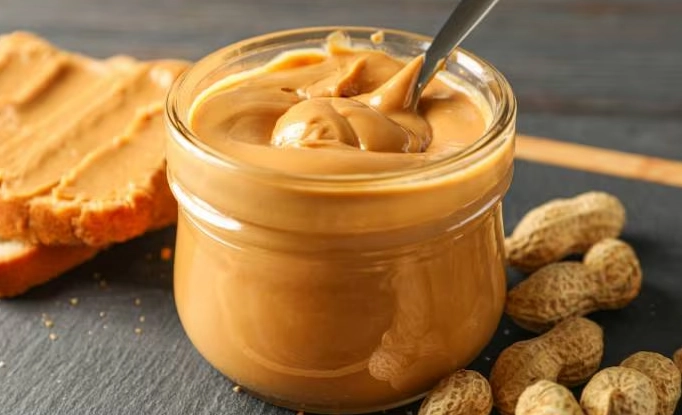
I used to just dig in with a knife. My "scoop" was easily 45 grams. I was getting more protein, sure, but I was also consistently overshooting my fat and calorie goals without realizing it. Precision matters.
How to Maximize Peanut Butter as a Protein Source in Your Diet
Getting 7-8 grams of plant-based protein from a spoonful is decent. But peanut butter is not a complete protein on its own—it's low in the essential amino acid methionine. To make it a true protein powerhouse in your diet, you need to pair it strategically.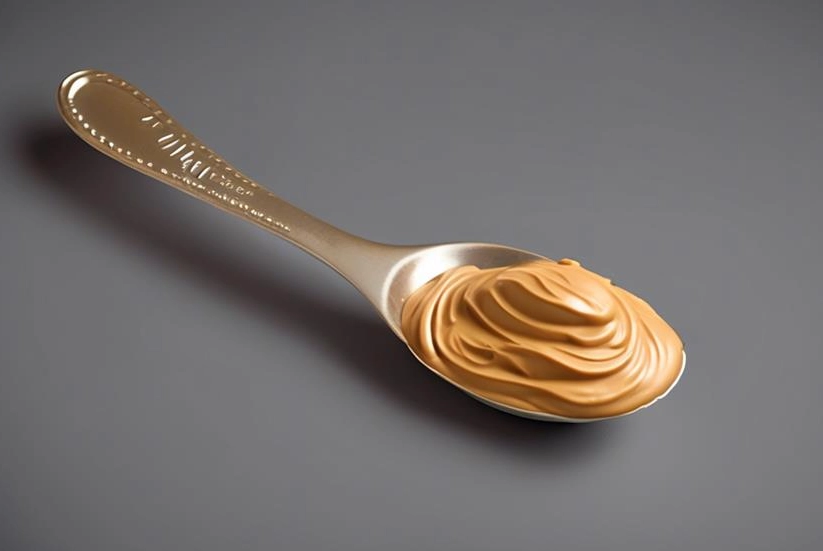
Pair with a Whole Grain. This is the classic for a reason. Whole wheat bread, oats, or brown rice provide the methionine that peanuts lack. Two slices of whole wheat toast (5g protein) with 2 tbsp of natural peanut butter (8g) gives you a 13-gram protein snack or meal component.
Blend it into a High-Protein Smoothie. Don't just add a scoop to a fruit smoothie. Build around it. My go-to: one scoop of peanut butter, one scoop of vanilla protein powder (25g protein), a banana, and unsweetened almond milk. You're looking at 35+ grams of protein that tastes like a milkshake.
Use it as a Dip for High-Protein Foods. This sounds odd, but it works. Slice an apple and dip it in peanut butter. The apple adds minimal protein, but pair it with Greek yogurt (10g protein per 100g) mixed with a teaspoon of peanut butter. Now you have a satisfying dip with a much better amino acid profile.
The goal isn't to make peanut butter your primary protein source—it's too calorie-dense for that. The goal is to use its flavor and nutrition to enhance other protein-rich foods, making your overall diet more satisfying and effective.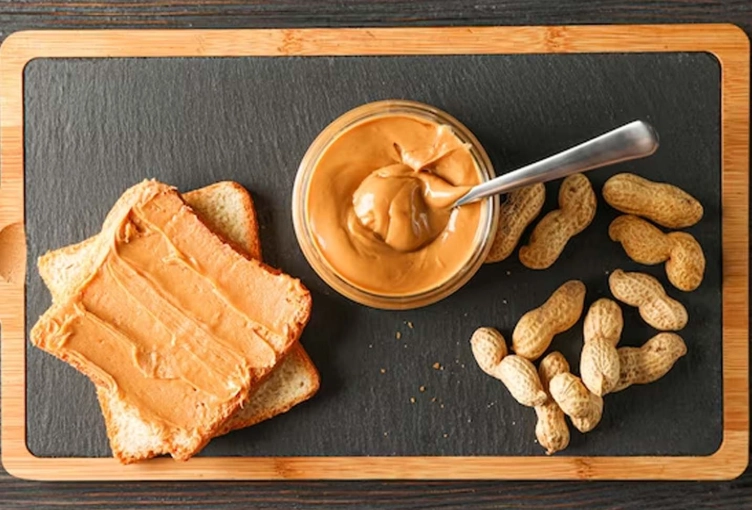
Your Peanut Butter Protein Questions, Answered
It's different. Peanut butter protein is plant-based and incomplete, meaning it doesn't contain all nine essential amino acids in optimal ratios for muscle synthesis. Animal proteins like chicken and whey are complete and have a higher biological value, meaning your body can use a greater percentage of the protein for tissue repair. For overall health and variety, plant proteins are excellent. For maximum muscle repair post-workout, animal or whey protein is more efficient. Think of peanut butter as a supporting player in your protein intake, not the star.
Not by itself, no. After a workout, your body needs quickly digestible protein and carbs to start recovery. Peanut butter's protein digests slowly due to its high fat and fiber content, and it's low in carbs. A better post-workout choice would be a whey protein shake with a banana. However, peanut butter is fantastic in a post-workout meal 1-2 hours later, paired with fast carbs (like jam on whole wheat bread) to create a more sustained release of nutrients.
Negligible difference. The "crunch" comes from finely chopped peanut pieces, which are just more peanuts. Nutrition labels between creamy and crunchy versions of the same brand are typically identical for protein, fat, and carbs. Choose based on texture preference. The real protein difference comes from the ingredients list (natural vs. processed), not the texture.
You can, but you shouldn't rely on it exclusively. A daily scoop is a healthy addition for most people, providing not just protein but healthy fats, vitamin E, and magnesium. However, its calorie density means portion control is critical. Also, diversifying your protein sources (beans, lentils, dairy, lean meats, other nuts) ensures you get a full spectrum of amino acids and nutrients. Don't put all your protein in one nutty basket.
So, back to the original question. A standard scoop—2 level tablespoons—of classic peanut butter gives you about 7 grams of protein. Go for a natural style, and you might get 8. But the number is less important than how you use it. Measure it right, pair it smartly, and understand its role in your overall diet. That's how you turn a simple scoop from a tasty treat into a genuine nutritional asset.
Reader Comments