Your Fluff Journey
- What Is Peanut Butter Marshmallow Fluff, Anyway?
- Making Your Own Peanut Butter Marshmallow Fluff: A Step-by-Step Guide
- Buying Peanut Butter Marshmallow Fluff: A Brand Showdown
- So Many Ways to Use Peanut Butter Marshmallow Fluff
- Answering Your Peanut Butter Marshmallow Fluff Questions
- A Few Final Thoughts From My Kitchen
Let's talk about peanut butter marshmallow fluff. You've probably seen it, maybe you've even tasted it—that impossibly light, sweet, and slightly sticky concoction that sits somewhere between a spread, a frosting, and a guilty pleasure. Is it a dessert? A sandwich filling? A dip? Honestly, it's all of the above. If you've ever wondered what this stuff really is, how it's made, or what to do with a jar of it besides eating it straight from the spoon (no judgment here), you're in the right place.
I remember the first time I encountered it. A friend made these bizarre-looking sandwiches for a party—white bread, a layer of this pale tan fluffy stuff, and another piece of bread. I was skeptical. One bite later, and I was a convert. It was like a cloud of peanut butter and sugar had a baby. But it also left me with questions. What exactly is in this? Can I make it myself? Is the store-bought stuff any good?
This guide is my attempt to answer all those questions, and the ones you didn't even know you had. We'll dig into its surprisingly long history, break down how to whip up a batch in your own kitchen, compare the brands you can find on shelves, and throw in a bunch of ideas for how to use the stuff that goes way beyond the classic Fluffernutter sandwich.
Here's the thing: peanut butter marshmallow fluff isn't just a niche novelty. It's a staple in certain parts of the country (hello, New England), a secret weapon for bakers looking for easy texture, and a total nostalgia trip for anyone who grew up with it. Whether you're a fluff veteran or a curious newcomer, there's something here for you.
What Is Peanut Butter Marshmallow Fluff, Anyway?
At its core, peanut butter marshmallow fluff is exactly what the name suggests: a smooth, spreadable mixture of peanut butter and marshmallow creme (the stuff that's like melted marshmallows but shelf-stable). The texture is its defining feature—it's airy, light, and creamy all at once, not dense like plain peanut butter. The flavor is sweet peanut butter, but the marshmallow component cuts the richness and adds a vanilla-like sweetness.
It's different from just mixing peanut butter with marshmallows you melt yourself. That mixture tends to be thicker and harder as it cools. The commercial stuff (and good homemade versions) uses techniques to keep it fluffy and spreadable even at room temperature.
Where did it come from? The story of marshmallow creme itself goes back to the early 20th century. The most famous brand, Marshmallow Fluff, was created in Massachusetts in 1917. The idea of combining it with peanut butter into a pre-made spread, however, feels like a natural evolution that probably happened in countless home kitchens before any company bottled it. The peanut butter marshmallow fluff we know today is that marriage made convenient.
Making Your Own Peanut Butter Marshmallow Fluff: A Step-by-Step Guide
Honestly, making peanut butter marshmallow fluff at home is easier than you think. You control the ingredients, the sweetness, and the peanut butter ratio. Want it more peanut-forward? Use more peanut butter. Want it less sweet? Choose a natural peanut butter with no added sugar. It's all up to you.
Let's start with a solid, basic recipe that works every time. This is my go-to.
The Basic Homemade Recipe
You'll need a stand mixer or a hand mixer with some stamina. Trying to do this by hand is... not recommended unless you're training for a boxing match.
Ingredients:
- 1 cup (about 260g) of smooth peanut butter (I like using a standard commercial brand like Jif or Skippy for the first try—they're stabilized and mix predictably)
- One 7-ounce jar (about 200g) of marshmallow creme (like Marshmallow Fluff)
- 1/4 cup (30g) of powdered sugar (confectioners' sugar)
- 1-2 tablespoons of milk, heavy cream, or even water (to adjust consistency)
- A tiny pinch of salt (trust me, it makes the sweet flavors pop)
The Process:
- Dump the peanut butter and the entire jar of marshmallow creme into the bowl of your mixer. Scrape it all out—this stuff is sticky business.
- Start mixing on low speed just to combine them. It will look messy and separated at first. That's fine.
- Once they're roughly combined, add the powdered sugar and the pinch of salt.
- Turn the mixer up to medium-high speed and let it run for 2-3 minutes. You're not just mixing; you're incorporating air. Watch the magic happen as it transforms from a lumpy mess into a light, homogeneous, fluffy cloud.
- Check the consistency. Is it too thick for your liking? Add a tablespoon of your chosen liquid and mix for another 30 seconds. Repeat until it's as spreadable as you want. Be careful not to add too much, or it can become runny.
And that's it. You now have homemade peanut butter marshmallow fluff. Store it in an airtight container in the fridge. It will thicken up a bit when cold, but it stays spreadable. It should last for up to two weeks, but let's be real—it probably won't last that long.
Pro Tip for Success: If your kitchen is cool, the peanut butter might be stiff. Let both the peanut butter and the marshmallow creme sit at room temperature for 30 minutes before you start. It makes the mixing process much smoother and helps prevent your mixer motor from straining.
Common Homemade Fluff Problems (And How to Fix Them)
It doesn't always go perfectly. Here are some hiccups I've run into:
Problem: The fluff is too runny.
Why it happens: You likely added too much liquid, or your peanut butter was a very oily natural variety.
The fix: Chill it in the fridge for an hour. The fats in the peanut butter will firm up. If it's still too thin, you can try folding in a little more powdered sugar, but this can make it overly sweet. Better to use it as a dip or a sauce and know for next time.
Problem: The fluff is too stiff or grainy.
Why it happens: The peanut butter was too cold, or you used a peanut butter with a very coarse grind. Also, not mixing long enough to fully incorporate air and sugar.
The fix: Let it come to room temperature and give it another good whip with the mixer. If graininess persists, you might be stuck with it—use it as a filling where texture is less critical.
Problem: It tastes bland or just “sweet.”
Why it happens: Using a very mild peanut butter or forgetting the salt.
The fix: That pinch of salt is non-negotiable. You can also try adding a quarter teaspoon of vanilla extract to enhance the marshmallow flavor, or a tiny dash of cinnamon for depth.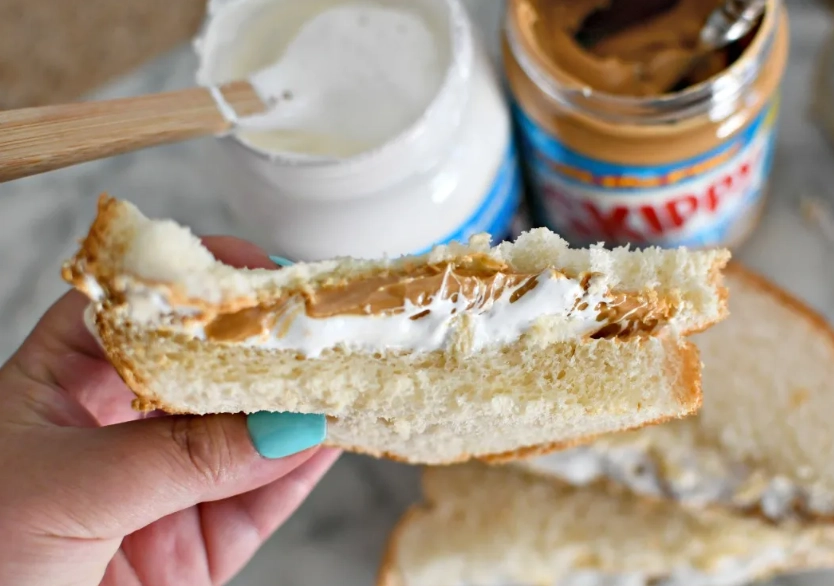
A Quick Safety Note: This is an egg-free, no-cook recipe, which is great. But because it contains dairy (if you used milk/cream) and is low in sugar compared to the commercial preservative-packed versions, it does need refrigeration. Don't leave it sitting out all day.
Buying Peanut Butter Marshmallow Fluff: A Brand Showdown
Not everyone wants to make their own, and that's perfectly fine. The grocery store has options. The availability varies wildly by region. In the Northeastern U.S., you might find a whole shelf. In other places, you might have to hunt in the peanut butter aisle or the baking section.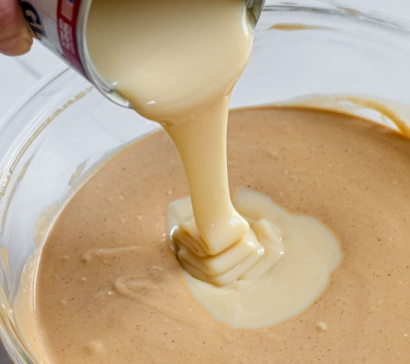
Here’s a breakdown of the major players you might encounter:
| Brand Name | What It Is | Taste & Texture Notes | Best For |
|---|---|---|---|
| Marshmallow Fluff & Peanut Butter Swirl | The original Marshmallow Fluff brand's version. It comes in a swirled jar. | The peanut butter is a distinct swirl, so you can control the ratio in each scoop. Texture is classic, light fluff. | Purists and those who want to adjust the PB-to-fluff ratio. Making a visual statement in a recipe. |
| Jif Peanut Butter & Marshmallow Flavored Spread | A pre-mixed spread from a major peanut butter brand. | Smooth, very peanut-forward flavor, slightly denser than others. Less airy. | People who want a stronger peanut butter taste. It feels more like a flavored peanut butter than a true fluff. |
| Store Brands (Kroger, Great Value, etc.) | Generic versions of the pre-mixed spread. | Can be hit or miss. Often sweeter, with a less pronounced peanut flavor and a sometimes gummy texture. | Budget option or when it's the only thing available. Check the ingredient list if you have concerns. |
| Homemade (using Marshmallow Fluff + PB) | You buy a jar of plain Marshmallow Fluff and mix in your own peanut butter. | You have 100% control. Use any PB you like (creamy, crunchy, natural, honey-roasted). | Anyone who wants customization or can't find the pre-mixed version. It's often fresher tasting. |
My personal take? I usually prefer the homemade route or buying the swirled jar. The pre-mixed spreads from the big brands sometimes have a slightly artificial aftertaste to me, like they're trying too hard to be both things at once. The texture of the straight Marshmallow Fluff brand product is unbeatable for lightness.
For reliable information on food product standards and ingredients, you can refer to resources like the U.S. Food and Drug Administration (FDA) Food section, which provides guidelines on food labeling and safety.
So Many Ways to Use Peanut Butter Marshmallow Fluff
This is the fun part. That jar of peanut butter marshmallow fluff is a kitchen workhorse for sweet treats. Let's move beyond the sandwich.
The Classics (Where It All Began)
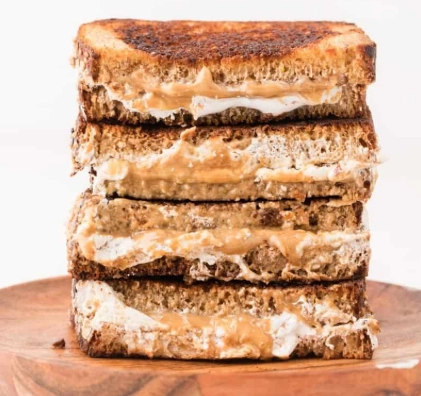
- The Fluffernutter Sandwich: White bread, a generous layer of fluff. That's it. Some people add banana slices, which is a game-changer. Others add bacon for a sweet-salty-crunchy wonder. Don't knock it till you try it.
- Fruit Dip: Thin out a cup of fluff with a tablespoon or two of milk or yogurt. Serve with apple slices, strawberries, pretzels, or graham crackers. It disappears at parties.
- Ice Cream Topping: Warm it gently for 10 seconds in the microwave (stir well!) and drizzle it over vanilla or chocolate ice cream. It hardens into a chewy, magical shell.
Next-Level Baking & Desserts
This is where fluff shines as an ingredient. It adds moisture, sweetness, and that unique texture.
- No-Bake Cookies & Bars: It's the perfect binder for rice cereal treats, mixed with oats for no-bake cookies, or layered in graham cracker crusts for a quick fridge pie filling.
- Brownie & Blondie Swirl: Make your favorite brownie or blondie batter. Drop spoonfuls of fluff on top and use a knife to swirl it in before baking. You get pockets of gooey marshmallow-peanut butter goodness.
- Frosting & Filling: Mix it with some softened cream cheese and a little powdered sugar for an incredible cupcake frosting or cake layer filling. It's stable and holds its shape.
- Milkshakes & Smoothies: A big spoonful blended into a vanilla milkshake creates a “peanut butter cup shake” vibe. It incorporates better than just peanut butter.
Answering Your Peanut Butter Marshmallow Fluff Questions
Store-bought, opened: Most jars say “refrigerate after opening.” I always do. It keeps the texture consistent and is safer.
Homemade: Definitely refrigerate in an airtight container. It's best within 1-2 weeks.
A Few Final Thoughts From My Kitchen
Peanut butter marshmallow fluff sits in that wonderful category of foods that are greater than the sum of their parts. It's simple, almost childish in its concept, but it opens a door to a huge amount of culinary creativity. Is it an everyday health food? No. But it's a fantastic treat, a brilliant easy dessert component, and a little jar of nostalgia.
My advice? If you've never tried it, grab a jar of the swirled kind or make a small batch at home. Start with a simple Fluffernutter on toasted bread. Then maybe try it as a fruit dip. From there, who knows? You might end up swirling it into your next batch of brownies like I do.
It has its flaws—it's sticky, it can be too sweet if you're not in the mood, and cleaning the measuring spoon is a commitment. But for a quick sweet fix or a party-pleasing ingredient, it's hard to beat.
So go on, embrace the fluff. Your inner child (and your dessert menu) will thank you.
Reader Comments