I still remember the first time I tried to make fantasy fudge with peanut butter. It was a disaster—grainy, too sweet, and it never set properly. I ended up with a pan of goo that my dog wouldn't even eat. After years of tweaking and learning from mistakes, I've nailed down a recipe that works every single time. This isn't just another generic guide; it's the result of countless batches, failed experiments, and happy taste-testers. If you're looking for creamy, dreamy fudge that actually holds its shape, you're in the right place.
Jump to What You Need
What Makes Fantasy Fudge with Peanut Butter Special?
Fantasy fudge is a classic American dessert that dates back to the 1960s, often attributed to Kraft Foods. It's known for its smooth, creamy texture and rich flavor. Adding peanut butter? That's a game-changer. The peanut butter doesn't just add flavor—it brings a subtle saltiness that cuts through the sweetness, and its fat content helps create a melt-in-your-mouth consistency. But here's the thing most recipes don't tell you: not all peanut butter works the same. I've found that using processed creamy peanut butter, like Jif, gives the best results because it's emulsified and stable. Natural peanut butter can separate and make the fudge oily.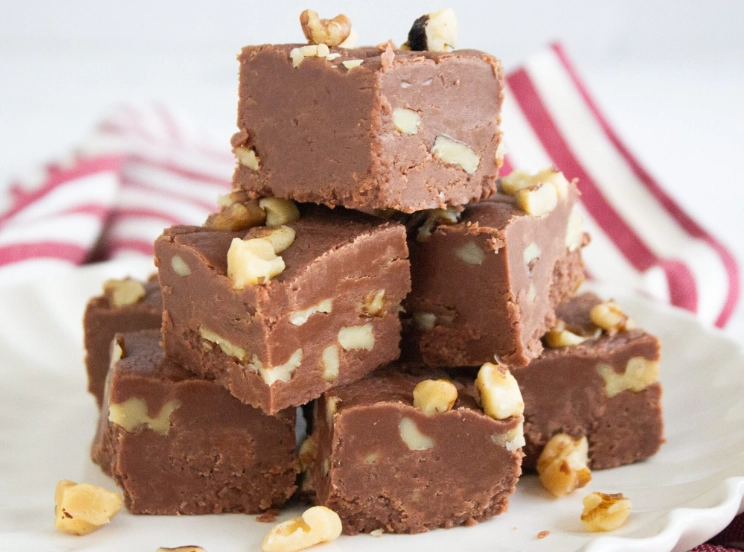
Why bother with this recipe? Because store-bought fudge often tastes artificial and costs a fortune. Homemade lets you control the quality. Plus, it's a crowd-pleaser for holidays, gifts, or just a sweet treat.
The Exact Ingredients You Need (and Why)
Let's get specific. Precision matters here—swap one thing, and the texture can go off. Here's a table breaking it down:
>This is key—don't use sweetened condensed milk; evaporated milk has less sugar and helps with setting.>I prefer Ghirardelli or Nestlé for consistent melting. Milk chocolate works, but it's sweeter.>Processed type like Jif or Skippy. Avoid natural or crunchy unless you're ready for texture variations.>This is the secret to creaminess. Don't skip it—it prevents crystallization.>Pure vanilla adds depth; imitation can taste artificial.>Enhances flavors, especially with peanut butter.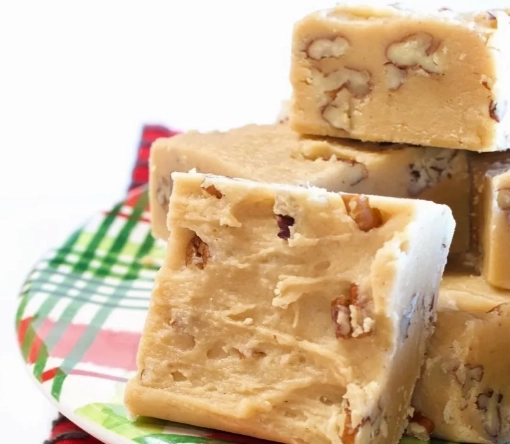
| Ingredient | Quantity | Notes |
|---|---|---|
| Granulated sugar | 3 cups | Use regular white sugar; don't substitute with brown sugar—it adds moisture and changes texture. |
| Unsalted butter | 3/4 cup (1.5 sticks) | Unsalted lets you control saltiness. Cut into chunks for even melting. |
| Evaporated milk | 5/8 cup (or 2/3 cup minus 1 tbsp) | |
| Semi-sweet chocolate chips | 12 oz (about 2 cups) | |
| Creamy peanut butter | 1 cup | |
| Marshmallow creme | 7 oz jar | |
| Vanilla extract | 1 teaspoon | |
| Salt | 1/4 teaspoon |
You'll also need a 9x13 inch baking pan, lined with parchment paper or lightly greased. A candy thermometer is non-negotiable—guessing temperatures is why most fudge fails. I learned that the hard way.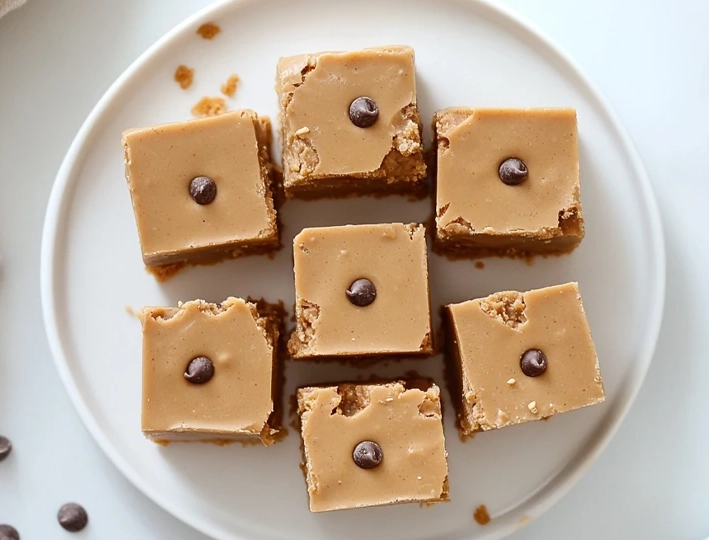
Step-by-Step: How to Make It Without Failing
Prep Work: Setting Up for Success
First, line your pan. I use parchment paper with overhangs—it makes lifting the fudge out easier. Have all ingredients measured and ready. This recipe moves fast once cooking starts, so no last-minute searches for the peanut butter.
Cooking the Base: The Critical Temperature Stage
In a heavy-bottomed saucepan (like a Dutch oven), combine sugar, butter, and evaporated milk. Stir over medium heat until the butter melts and sugar dissolves. Then, stop stirring. Bring it to a full rolling boil. Attach your candy thermometer—this is where most people mess up. Boil without stirring until it reaches 234°F to 240°F (soft-ball stage). That's about 4-5 minutes. If you go over, the fudge hardens; under, it stays soft.
I once got distracted and let it hit 245°F. The fudge was like a brick. Lesson learned: watch the thermometer like a hawk.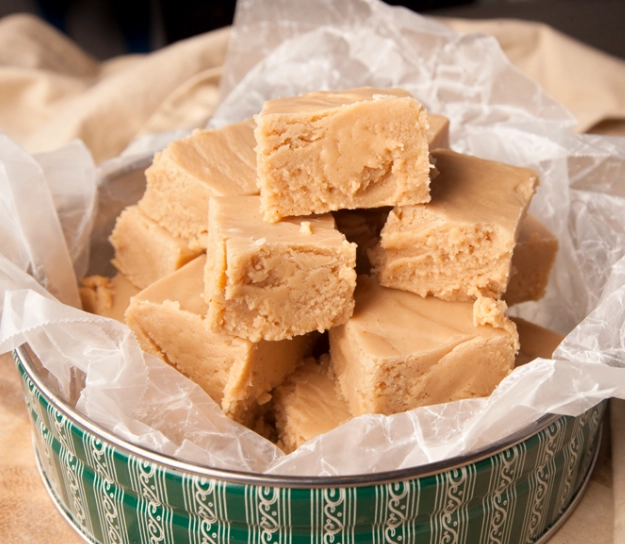
Combining and Setting: The Magic Moment
Remove from heat. Immediately add chocolate chips, marshmallow creme, peanut butter, vanilla, and salt. Stir vigorously until everything melts and blends into a smooth, glossy mixture. This takes about 2-3 minutes. Pour into the prepared pan, spreading evenly. Let it cool at room temperature for at least 4 hours—don't refrigerate to speed it up, as that can cause condensation and graininess.
Cut into squares once fully set. A sharp knife dipped in hot water works best for clean cuts.
Common Mistakes Most Beginners Make
Here's where I share the pitfalls I've seen over the years:
- Stirring while boiling: This encourages sugar crystals to form, leading to grainy fudge. Once it boils, hands off the spoon.
- Using the wrong peanut butter: Natural peanut butter separates; its oil can make the fudge greasy. Stick with processed creamy types.
- Skipping the thermometer: Guessing by "thread stage" is unreliable. A $10 candy thermometer saves batches.
- Overbeating after adding peanut butter: Beat just until combined—overbeating can incorporate air and affect texture.
- Rushing the cooling: Setting in the fridge seems faster, but it risks uneven texture. Patience pays off.
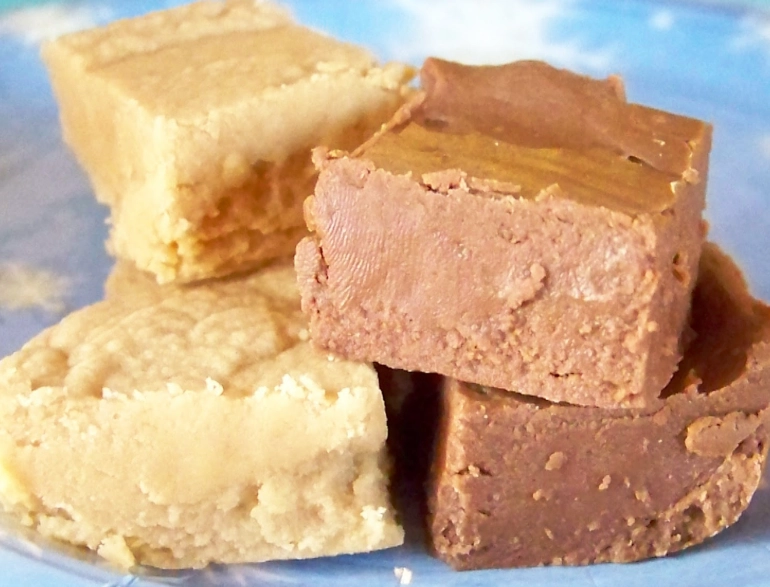
Pro tip from a failed batch: If your fudge does turn out grainy, you can sometimes salvage it by gently reheating with a splash of evaporated milk and re-beating, but it's tricky. Prevention is easier.
Customizations and Pro Tips
Swapping Peanut Butter Types
Want to experiment? Creamy peanut butter is safest, but if you love crunch, add 1/2 cup chopped peanuts at the end, not crunchy peanut butter—the oil content varies too much. For a twist, try almond butter or Nutella, but reduce sugar slightly as they're sweeter.
Adding Mix-ins and Flavors
After pouring into the pan, sprinkle with sea salt for a gourmet touch. Or mix in 1/2 cup of mini marshmallows or crushed pretzels for texture. Chocolate lovers can swirl in melted white chocolate before setting.
For holidays, I add red and green sprinkles on top—kids adore it. But add after pouring, not during cooking, to avoid melting.
Storing and Serving Your Fudge
Store in an airtight container at room temperature for up to 2 weeks. Layer between parchment paper to prevent sticking. Freeze for longer storage—wrap tightly in plastic wrap and then foil; it keeps for 3 months. Thaw at room temperature before serving.
Serving ideas: Pair with coffee for a dessert platter, or gift in decorative tins. It's rich, so small squares are perfect.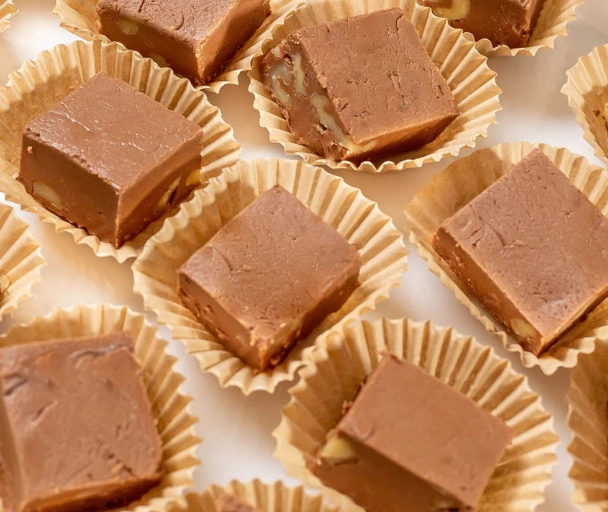
Reader Comments