Quick Guide
Let's be honest. The store-bought stuff is fine in a pinch. But have you ever read the label on some of those jars? Sugar, palm oil, emulsifiers... it starts to feel less like food and more like a chemistry project. That's what pushed me over the edge a few years ago. I had a bag of perfectly good peanuts sitting in the pantry and a sudden, stubborn refusal to buy another plastic tub of the overly sweet spread. So I dumped them in my food processor, hit blend, and waited.
The noise was something else. A loud, grinding roar that made my dog hide under the table. But then, magic happened. The chopped peanuts went from crumbs to a dry ball, and then, almost reluctantly, it released its oils. That dry ball collapsed into a creamy, flowing river of pure peanut goodness. The smell? Unreal. Toasted, nutty, and warm. That first taste of my own homemade peanut butter was a revelation. It was peanuts. Just intensely, purely peanuts. And it was so easy.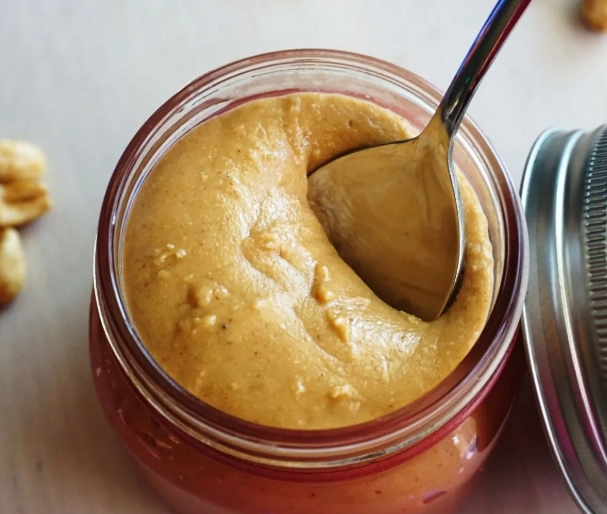
Why Bother Making It Yourself?
Okay, so it's easy. But is it worth the extra ten minutes? I think it's a no-brainer, and here's why. First, you know exactly what's going into it. The USDA FoodData Central shows that peanuts are packed with protein, healthy fats, and fiber. When you make it at home, you keep all that goodness without the weird additives.
You also get to customize everything. Want it super salty? Go for it. Prefer a hint of honey or maple syrup instead of refined sugar? Perfect. Craving a spicy kick with some cinnamon or cayenne? The world is your oyster... or rather, your peanut.
And then there's the cost. A bag of raw or roasted peanuts often costs less per ounce than a fancy jar of natural peanut butter. You're paying for peanuts, not branding, packaging, and cross-country shipping. It's a simple win for your wallet.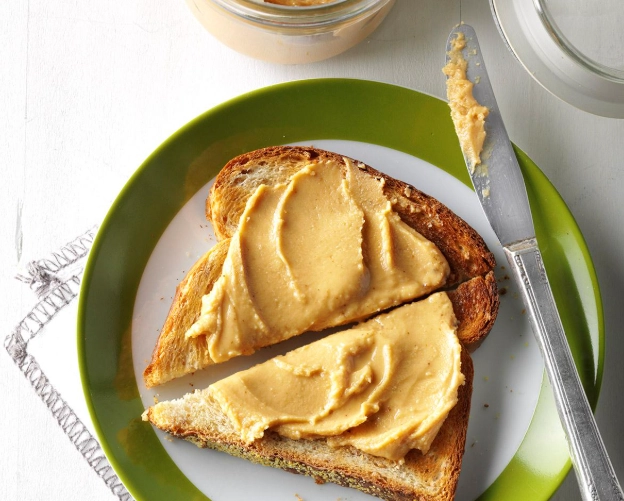
The Only Ingredient That Truly Matters
This is the heart of the whole operation. You start with peanuts. That's it. But the type of peanut you choose sets the stage for your final homemade peanut butter.
Runner vs. Virginia vs. Spanish: Does It Make a Difference?
You bet it does. Most commercial peanut butters use Runner peanuts—they're reliable, have a good flavor, and yield a consistent product. But at home, you can play. Virginia peanuts are the big ones, often sold as "cocktail" peanuts. They have a slightly sweeter, more buttery flavor. Spanish peanuts have smaller kernels and a higher oil content, which some say gives a nuttier, more intense taste. I find Spanish peanuts make a slightly grainier texture, which I actually enjoy for a change.
My go-to? Dry-roasted, unsalted Runner or Virginia peanuts from the bulk bin. The dry-roasting brings out the oils and deepens the flavor so much that you barely need to add anything else.
| Peanut Type | Best For | Flavor Profile | Oil Content |
|---|---|---|---|
| Runner | Classic, creamy texture | Balanced, roasted | Medium |
| Virginia | Rich, buttery spreads | Sweeter, larger nuts | Medium-High |
| Spanish | Intense, rustic texture | Nutty, strongest flavor | High |
Raw vs. Roasted: The Flavor Crossroads
This is personal preference territory. Raw peanuts will give you a very mild, almost bean-like flavor. You'll need to add more salt or sweetener to make it pop. Roasted peanuts? That's where the magic is for me. The roasting process develops those deep, toasty, complex flavors that scream "peanut butter." You can buy them pre-roasted or do it yourself in the oven. A single layer on a baking sheet at 350°F (175°C) for 10-15 minutes, shaking once, does the trick. Let them cool completely before blending, though. Hot peanuts turn into peanut paste, not butter.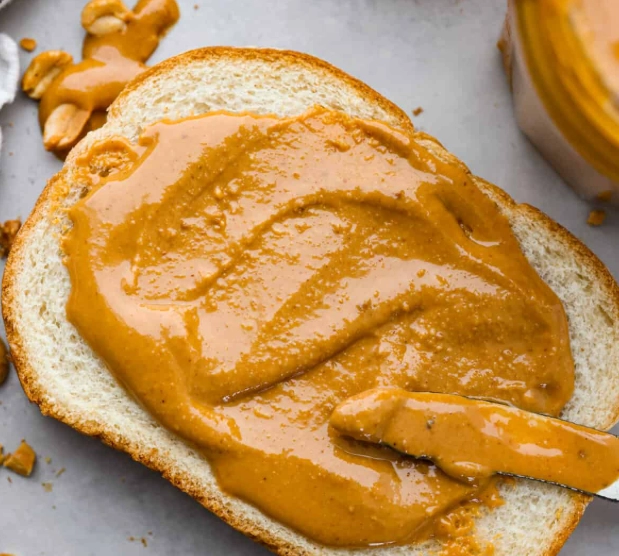
The Foolproof, No-Stress Process
If you have a food processor or a powerful blender, you're golden. A food processor is ideal because of its wide bowl, but I've made decent batches in my high-speed blender too—you just have to stop and scrape down the sides more often.
Here’s the step-by-step, from my kitchen to yours.
Step 1: The Big Dump
Add 2 to 3 cups of peanuts to your processor bowl. Don't overfill it. You need space for the peanuts to move around. For a first try, 2 cups is perfect.
Step 2: The Grind
Secure the lid. Now, just let it run. Start with a few pulses to break them up, then let the motor run continuously. It will get loud.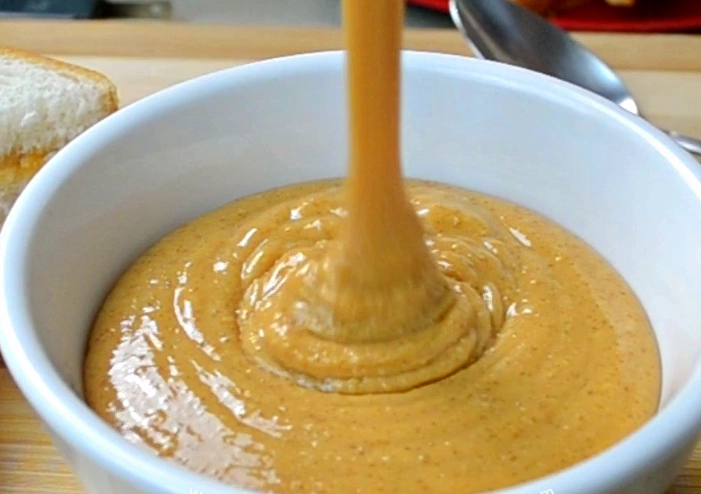
Step 3: The Transformation
After 2 to 4 minutes of total processing time, that dry ball will suddenly, dramatically, let go. It will collapse into a thick, gritty paste. This is the moment. The natural oils are being released. Let it run for another minute or two. It will get smoother and more liquid. This is when you stop for taste-testing.
Step 4: The Customization
Now, with the processor off, scrape down the sides. Taste it. This is your blank canvas. Here are your tools:
- Salt: Start with a pinch of fine sea salt. I use about 1/4 teaspoon for 2 cups of unsalted peanuts.
- Oil: Only if needed. If your peanuts are very dry or you want it extra creamy, add a neutral oil (like peanut or avocado oil) one teaspoon at a time while processing.
- Sweetener: A drizzle of honey, maple syrup, or a spoonful of coconut sugar. Add sparingly—you can always add more.
- Flavor Boosts: A dash of vanilla extract, a sprinkle of cinnamon, or a pinch of cocoa powder.
Add your chosen extras, then process again for another 30-60 seconds until everything is completely incorporated. And that's it. You've made homemade peanut butter.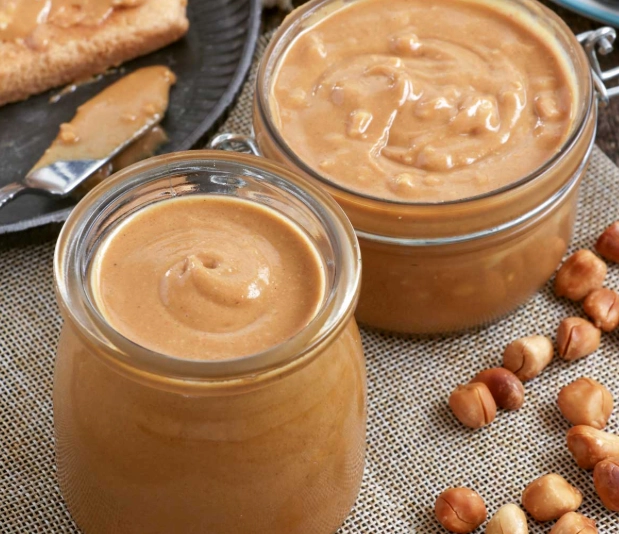
Solving Your Homemade Peanut Butter Problems
It doesn't always go perfectly. Here are the issues I've hit (and fixed) over dozens of batches.
Why Is It So Grainy and Not Smooth?
This is the number one question. You probably just didn't process it long enough. Peanuts need time to fully release their oils. Keep the machine running. If you've been going for 5+ minutes and it's still not smoothing out, your peanuts might be too dry. The fix? Add a teaspoon of a neutral oil while the processor is running. It will emulsify and smooth right out.
Why Did It Turn Out Too Runny or Oily?
You might have used oil-roasted nuts, or your peanuts were very fresh with a super high oil content. Unfortunately, you can't take oil out. For your next batch, use dry-roasted peanuts. For this batch, pop it in the fridge. The oils will firm up a bit, and it will become spreadable. It's still perfectly good to eat!
My Peanut Butter Tastes Bitter or Burnt!
If you roasted your own peanuts, you might have gone a shade too dark. The fine line between "deeply roasted" and "burnt" is real. Also, over-processing can generate enough heat to give a slightly bitter edge. Next time, roast for less time and let the nuts cool completely. Process in 1-minute bursts, letting the machine cool down in between.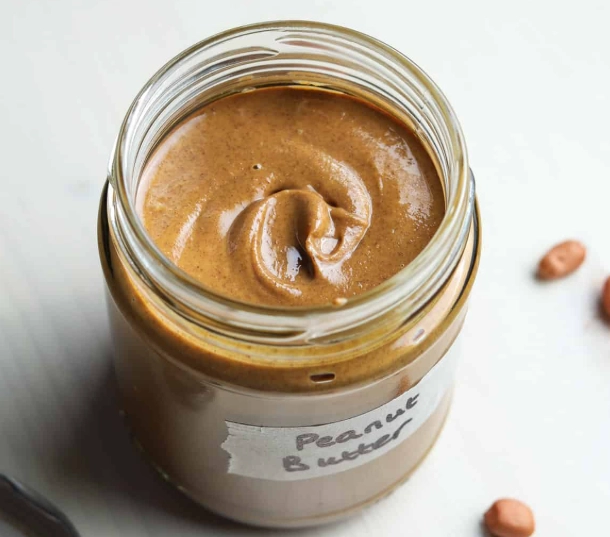
Beyond the Basic Spread: Get Creative
Once you've mastered the basic homemade peanut butter recipe, a whole world opens up. This isn't just for sandwiches.
Flavor Variations to Try
- Honey Cinnamon: Add 2 tbsp honey and 1 tsp cinnamon during the final blend.
- Chocolate Dream: Blend in 2 tbsp unsweetened cocoa powder and an extra tsp of sweetener.
- Spicy Thai-Inspired: A tablespoon of soy sauce (or coconut aminos), a squeeze of lime juice, and a pinch of red pepper flakes. Sounds wild, but it's amazing for dipping satay or spreading on rice cakes.
- "Cookie Dough" Style: A splash of vanilla extract and a handful of mini dark chocolate chips folded in after processing.
How to Use Your Homemade Creation
Obviously, on toast, apples, and celery. But think bigger.
Stir a spoonful into oatmeal or yogurt for instant protein and flavor. Use it as the base for a quick satay sauce for noodles or grilled chicken. Blend it into smoothies for a creamy texture. Thin it out with a little warm water, vinegar, and soy sauce for an incredible salad dressing. It's the ultimate pantry multitasker.
The beauty of DIY is making it exactly how you like it.
Your Homemade Peanut Butter Questions, Answered
I've gotten a lot of questions from friends and readers over the years. Here are the most common ones.
The Final Scoop
Making your own homemade peanut butter is one of those simple kitchen skills that feels disproportionately rewarding. It takes minutes, saves money, and gives you a product that's fresher and more customizable than anything on a shelf.
Is it a little messier? Sometimes. Does the food processor need a good clean afterwards? Definitely. But the trade-off is a jar of something you made yourself, with ingredients you chose, tasting exactly how you want it.
Honestly, the hardest part is waiting for the freshly roasted peanuts to cool down before you blend them. The anticipation is real.
Reader Comments