Forget everything you think you know about fudge. The combination of peanut butter and marshmallow fluff creates a confection that's less about crystalline sugar structure and more about creamy, dreamy indulgence. It's the difference between a formal dinner and a cozy blanket on the couch. Most recipes get you close, but they often miss the mark on texture—ending up too grainy, too hard, or weirdly greasy. The secret weapon isn't a fancy ingredient; it's understanding the role of marshmallow fluff as a stabilizer and how heat management dictates everything from sliceability to mouthfeel.
What's Inside This Fudge Guide?
What Makes This Peanut Butter Fudge Different?
Traditional fudge relies on sugar crystals forming just right. It's finicky. This version uses marshmallow fluff (or creme) as a shortcut to a smooth, stable emulsion. The fluff contains gelatin and corn syrup, which interfere with sugar crystal formation, giving you a guaranteed creamy result without needing a candy thermometer (though one helps for precision).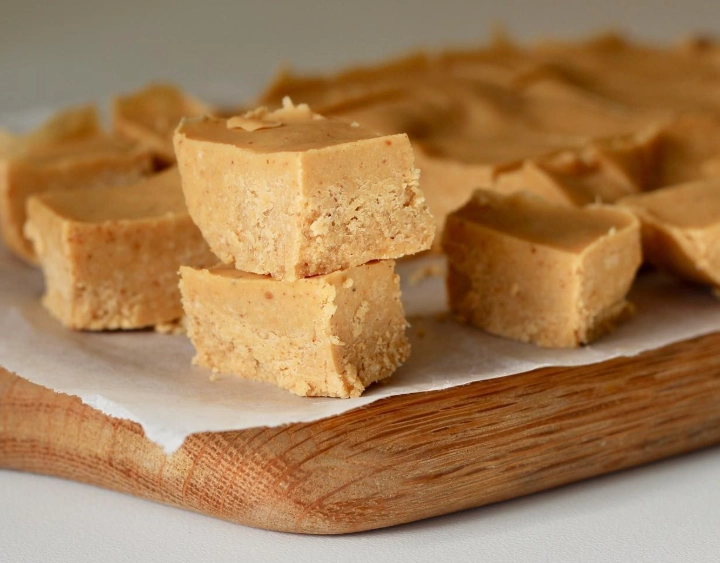
I've made probably a hundred batches over the years. The biggest lightbulb moment came when I stopped treating it like candy and started treating it like a controlled fat-and-sugar emulsion. If your peanut butter separates, you've lost the battle before you even start.
The Ingredients Breakdown: Why Each One Matters
What You'll Need (For a 9x9 Pan)
- Unsalted butter (½ cup / 1 stick): Salted butter can throw off the flavor balance. Unsalted lets you control the salt.
- Granulated sugar (2 cups): The base. Don't substitute with brown sugar here—it adds moisture and changes the chemistry.
- Evaporated milk (⅔ cup): Not sweetened condensed milk. The higher protein content and lack of extra sugar are crucial for the right consistency.
- Marshmallow fluff (1 heaping cup / 7 oz jar): The magic ingredient. The store-brand stuff works perfectly. Do not substitute with mini marshmallows unless you're prepared for a different technique.
- Peanut butter (1 cup): This is critical. Use a standard, no-stir creamy peanut butter like Jif or Skippy. The stabilizers in them help the fudge set. Natural, oily peanut butter will lead to a greasy, unset mess.
- Pure vanilla extract (1 tsp): Rounds out the flavors.
- Fine sea salt (¼ tsp): Enhances all the other flavors. Non-negotiable.
See the note on peanut butter? That's the #1 mistake I see. Everyone wants to use their healthy, natural peanut butter. It won't work. The oils separate. Save that for your toast. For fudge, you need the emulsified, shelf-stable kind. Trust me on this.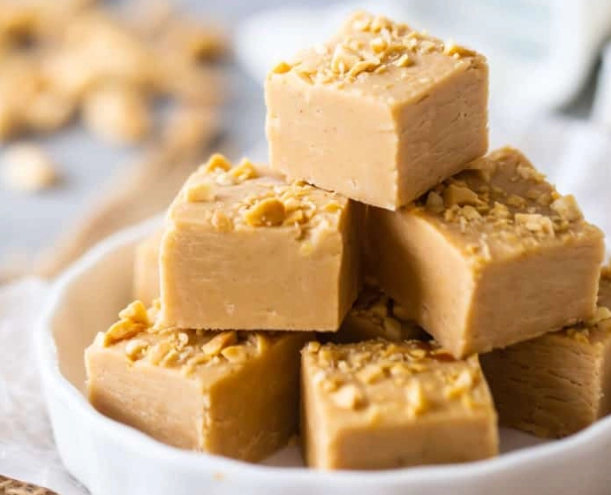
The Foolproof Step-by-Step Process
Prep Work is Everything
Line your 9x9 pan with parchment paper, leaving overhang on two sides. This is your lifeline for removing the fudge later. Don't grease it. Have all your ingredients measured and within arm's reach. Once the cooking starts, you can't walk away.
The Cooking Phase
After 5 minutes, remove the pot from the heat. This is where haste makes waste. Let it sit off the heat for exactly 1 minute. This slight cooldown prevents the heat from “cooking” the peanut butter when you add it next.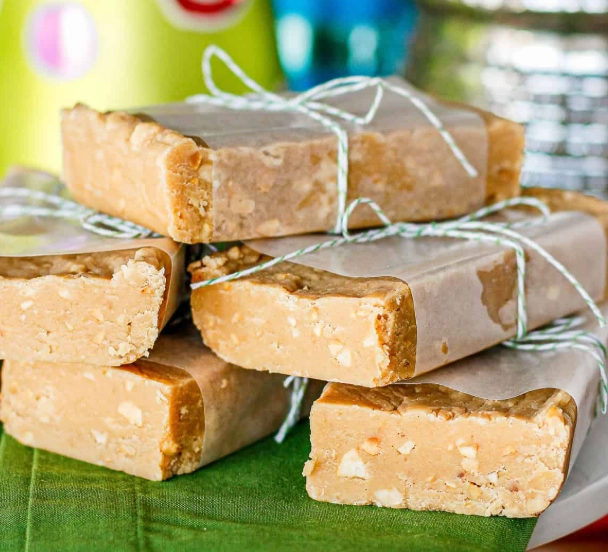
Setting Up for Success
Pour immediately into your prepared pan. Don't scrape the pot aggressively—those last bits are often overcooked. Smooth the top with a spatula. Now, the hardest part.
Do not, under any circumstances, put this fudge in the refrigerator right away. The rapid cooling causes condensation and can make the top sticky. Let it cool at room temperature for at least 2 hours, then cover it and then refrigerate for another 2-3 hours to fully firm up. This slow set gives the best texture.
Use the parchment paper handles to lift the whole slab out. Cut with a sharp knife wiped clean between cuts for perfect squares.
The 3 Most Common Fudge Mistakes (And How to Dodge Them)
After judging at a local county fair, I've seen these errors repeatedly.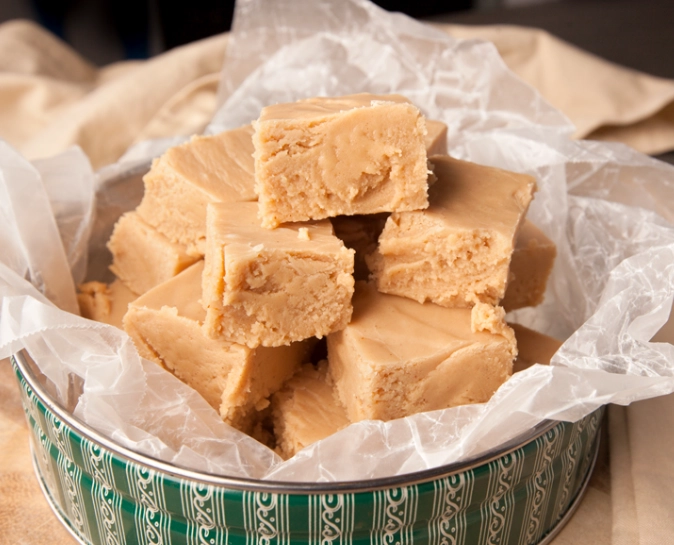
1. The Wrong Peanut Butter. We covered this. Natural peanut butter = oily, weepy fudge. Just don't.
2. Undercooking the Sugar Mixture. If you don't get it to a full, rolling boil and maintain it for the full 5 minutes, the sugar won't be fully dissolved. The result? Gritty, sandy fudge. It should look like a lava bubble when boiling.
3. Over-Stirring After Adding Peanut Butter. Once everything is combined, stop. Pour it. Continuing to stir as it cools in the pot encourages graininess. You're done. Walk away.
Creative Variations & Storage Secrets
Once you master the base, play around.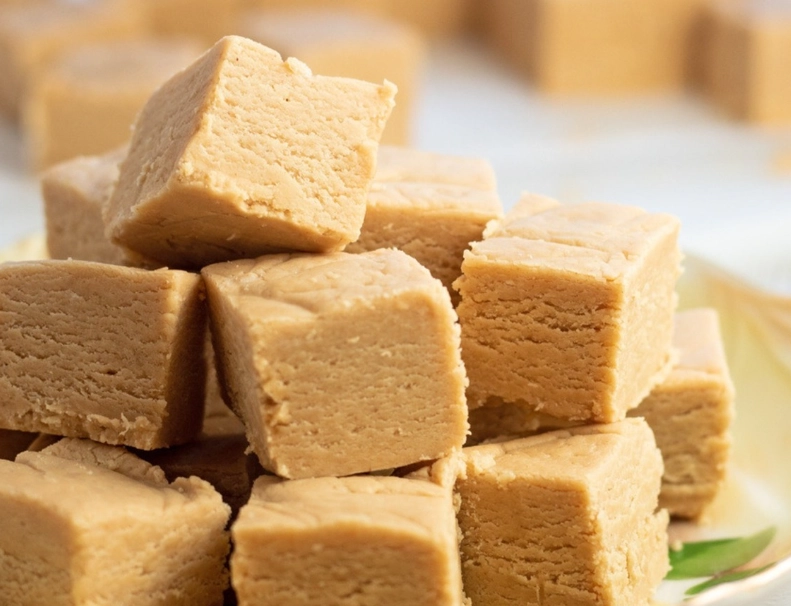
Chocolate Swirl: After pouring, drizzle ¼ cup of melted semi-sweet chocolate over the top and drag a knife through it for a marbled effect.
Salted Pretzel Crunch: Press crushed salted pretzel pieces into the top right after pouring.
Cookie Butter Swap: Replace half the peanut butter with speculoos cookie butter for a spiced twist.
Storage: This fudge stores beautifully. Layer it between parchment paper in an airtight container. It keeps at room temperature (cool place) for about a week, and in the fridge for up to 3 weeks. You can also freeze it for 3 months. Thaw overnight in the fridge.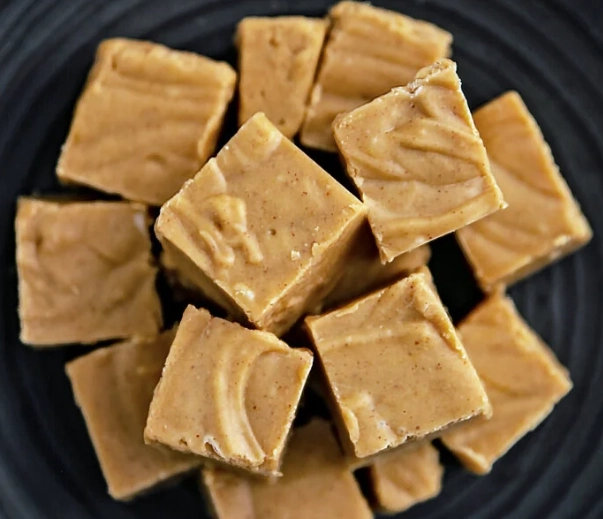
Your Fudge Questions, Answered
Can I use marshmallows instead of marshmallow fluff?
You can, but it changes the process and ratio. You'd need about 4 cups of mini marshmallows. Add them in Step 2 with the vanilla and stir over very low heat just until melted. The risk is overheating the marshmallows, which can make them tough. Fluff is more forgiving and consistent, which is why it's the standard for this "no-fail" style fudge.
My fudge turned out too soft and won't set. What happened?
The most likely culprit is undercooking the sugar-butter-milk mixture. It didn't reach a high enough temperature to evaporate sufficient water. Next time, ensure a vigorous boil for the full time. Using a candy thermometer, aim for 235°F (soft-ball stage). Also, double-check you used evaporated milk, not sweetened condensed milk.
Why did a greasy film separate on top of my fudge?
This is almost always the peanut butter. Either natural peanut butter was used, or the mixture was stirred too vigorously after adding the peanut butter, breaking the emulsion. Use the recommended creamy, stabilized peanut butter and stir just until combined.
Can I make this fudge dairy-free or vegan?
It's tricky. For dairy-free, use a plant-based butter stick (not spread) and full-fat coconut milk instead of evaporated milk—simmer it to reduce by about a third first. For vegan, you also need to find a vegan marshmallow fluff (like Ricemellow Creme) and ensure your sugar is vegan (some is processed with bone char). The texture will be slightly different but still good.
How do I get perfectly clean cuts without the fudge crumbling?
Use a long, sharp chef's knife. Run it under very hot water, wipe it dry, and cut in one smooth, firm motion. Wipe the blade clean and reheat it between every cut or two. The heat helps the knife glide through the creamy fat without dragging. Chilling the fudge thoroughly before cutting is non-negotiable.
Reader Comments