You’re staring at the grocery aisle, holding two jars of peanut butter. One says "Natural," the other screams "Sugar Free." The sugar-free one looks healthier, right? Maybe. I’ve been down this road for years, tweaking my diet for energy and weight management, and I’ve learned that the "sugar free" label is often a starting point, not a finish line. The real story of sugar free peanut butter nutrition is in the fine print—the type of fats, the sneaky additives, and what "no sugar" actually means for your body. Let’s cut through the marketing and look at what’s really in the jar.
What’s Inside This Guide?
The Real Sugar Free Peanut Butter Nutrition Breakdown
Forget the generic labels. To understand what you're eating, you need to look at a standard two-tablespoon (32g) serving. Here’s a typical profile for a pure, no-stir sugar-free peanut butter made with just peanuts and salt, based on data from the USDA FoodData Central.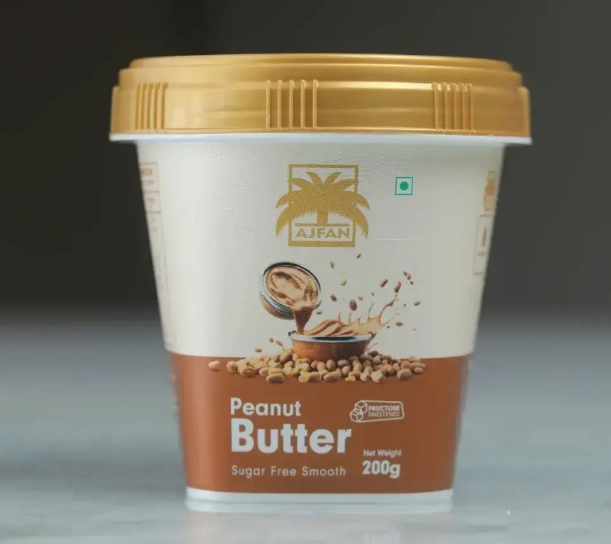
| Nutrient | Amount per 2 Tbsp (32g) | Why It Matters |
|---|---|---|
| Calories | ~190-200 kcal | Energy dense. Portion control is key, even without sugar. |
| Total Fat | 16-17g | The majority is heart-healthy monounsaturated and polyunsaturated fat. |
| Saturated Fat | 2.5-3g | Moderate level. Not a major concern for most in this context. |
| Total Carbohydrates | 6-7g | Primarily from the peanuts themselves. |
| Dietary Fiber | 2-3g | Good for digestion and helps blunt blood sugar spikes. |
| Net Carbs | ~4-5g | This is the key number for low-carb and keto dieters (Carbs - Fiber). |
| Sugars | 1-2g (naturally occurring) | These are intrinsic sugars from the peanuts, not added. |
| Protein | 7-8g | A solid plant-based protein source that promotes satiety. |
| Sodium | ~100-150mg (with salt) | Can vary widely. "No Salt Added" versions may have |
The biggest takeaway? Net carbs are king. A truly clean sugar-free peanut butter keeps net carbs around 4 grams per serving, making it a staple for low-carb lifestyles. Compare that to a conventional brand like Jif, which can have 3g of added sugar alone, pushing net carbs much higher.
Here’s a nuance most miss: the "sugar free" claim doesn’t mean zero sugar grams. Peanuts naturally contain a small amount of sugar. If a label says "0g Sugars," it’s likely been rounded down. Don’t panic—it’s still a far cry from the spoonfuls of added sucrose or high-fructose corn syrup in regular versions.
How to Choose the Best Sugar Free Peanut Butter
Not all sugar-free jars are created equal. I’ve thrown out more than a few that tasted like chalk or had a weird, greasy texture. Your goal is to find one that’s nutritious and palatable. Follow this checklist.
The 5-Second Label Scan: Turn the jar over. The Ingredients List should be short. Ideally, it reads: "Peanuts, Salt." That’s it. Some acceptable variations include peanut oil (to prevent separation) or a natural stabilizer like palm fruit oil. Run, don’t walk, away from these:
- Hydrogenated Oils: Code for trans fats, even if the label says "0g." They’re used to prevent oil separation but are terrible for heart health.
- Maltodextrin, Corn Syrup Solids, or "Sugar Alcohols" like Maltitol: These are often used as bulking agents in "powdered" or low-fat peanut butters. They can spike blood sugar in many people and cause digestive distress.
- "Natural Flavors": Often a grey area. Why does pure peanut butter need extra flavoring? It’s usually a sign of lower-quality peanuts.
Top Contenders: A Real-World Comparison
Based on my pantry and countless taste tests (a tough job, I know), here’s how some popular options stack up beyond just marketing.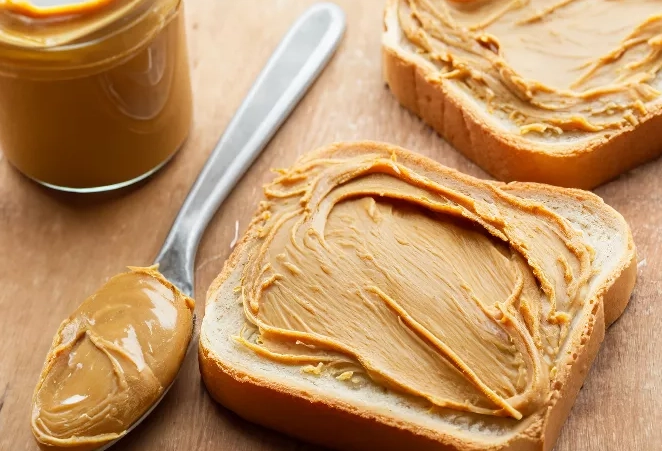
Smucker’s Natural Peanut Butter (No Salt Added): The classic. Just dry-roasted peanuts. It separates like crazy, so you have to stir it and store it upside down. The taste is pure, roasted peanut. Net carbs: ~4g. It’s widely available and affordable, but the texture can be off-putting for some.
Crazy Richard’s 100% Peanuts: Similar to Smucker’s—just one ingredient. I find it slightly creamier. A fantastic, no-fuss choice. Their commitment to simple ingredients is solid.
Santa Cruz Organic Dark Roasted: If you love a deep, almost smoky peanut flavor, this is your jar. Organic, no sugar, just peanuts and salt. It’s pricier, but the flavor complexity is worth it for a treat.
Powdered Peanut Butter (e.g., PB2): Here’s the controversial one. It’s defatted, so it’s much lower in calories and fat. The nutrition profile changes drastically: more protein and fiber per calorie, but you’re removing the healthy fats. It’s a processed food. I use it occasionally for smoothies or baking where fat content needs to be low, but it’s not a nutritional replacement for the real thing. Watch for added sugar in flavored versions.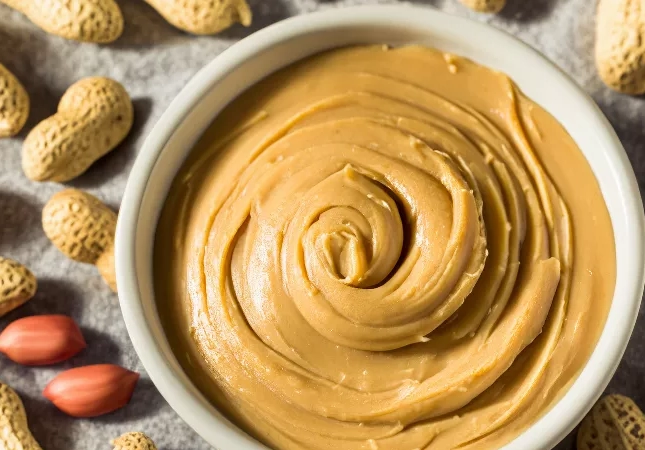
Using It for Keto & Weight Loss: A Practical Plan
Yes, sugar-free peanut butter can fit into a keto or weight loss diet. The mistake is treating it like a free pass. At nearly 200 calories a serving, those spoonfuls add up fast.
For Keto: With ~4g net carbs, it’s a great fat bomb component. The key is pairing it with foods that have near-zero carbs.
- Breakfast: A tablespoon blended into a coffee with MCT oil and heavy cream.
- Snack: Celery sticks (almost zero net carbs) with a measured tablespoon of peanut butter.
- Dessert: Mix a serving with a few drops of stevia and cocoa powder, freeze for fat-based fudge.
For Weight Loss: It’s about leveraging its protein and fat for satiety.
- Measure your serving. Don’t eat from the jar. Use a tablespoon.
- Pair it with fiber. The apple-and-peanut-butter combo works because the apple’s fiber slows everything down, making you feel fuller longer.
- Make it a planned snack, not a mindless one. Pre-portion a 1-tbsp serving on a rice cake or in a small container.
I learned this the hard way. During my first keto attempt, I’d eat three or four unmeasured spoonfuls of "sugar-free" peanut butter while watching TV. I couldn’t figure out why my weight loss stalled. Those "healthy" spoonfuls added over 600 extra calories and 12+ grams of carbs to my day—enough to knock me out of ketosis.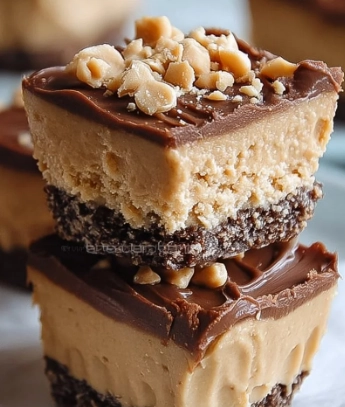
3 Common Mistakes People Make (And How to Avoid Them)
After a decade of navigating this, I see the same errors repeated.
Mistake 1: Assuming "Sugar Free" equals "Low Calorie." It doesn’t. The calories come mostly from fat, which is healthy but dense. You can easily overconsume.
Mistake 2: Not accounting for natural sugars in carb counts. On a strict keto plan (
Mistake 3: Choosing brands with unhealthy stabilizers. You bought it to be healthy, but hydrogenated oils undermine the whole point. Always check for them.
Reader Comments