You grab a spoon, dip it into the jar, and enjoy that creamy, salty-sweet goodness. It feels substantial, almost meaty. It must be packed with protein, right? The short, straightforward answer is about 3.5 to 4 grams of protein in a standard 16-gram tablespoon of classic peanut butter. But if you stop there, you're missing the whole story. That number is just the starting point. What kind of protein is it? How does it compare to other snacks? And crucially, are you choosing a peanut butter that maximizes this benefit or sabotages it with added junk?
I've been a nutrition coach for over a decade, and I've seen countless clients lean on peanut butter as a protein source, only to hit plateaus or get confused by conflicting labels. The truth about peanut butter protein is more nuanced—and more interesting—than a single gram count.
What You'll Find Inside
- The Basic Math: Protein in a Tablespoon
- Not All PB is Equal: A Brand-by-Brand Comparison
- The "Complete" Protein Myth and Peanut Butter's Real Strength
- How to Maximize the Protein Power of Your Peanut Butter
- 3 Common Mistakes That Undermine Your Protein Intake
- Your Peanut Butter Protein Questions, Answered
The Basic Math: Protein in a Tablespoon
A level tablespoon of peanut butter typically weighs 16 grams. The USDA's FoodData Central, a trusted nutritional resource, lists 3.85 grams of protein for that serving of smooth peanut butter with salt. For crunchy, it's about 3.72 grams. So, let's call it roughly 4 grams.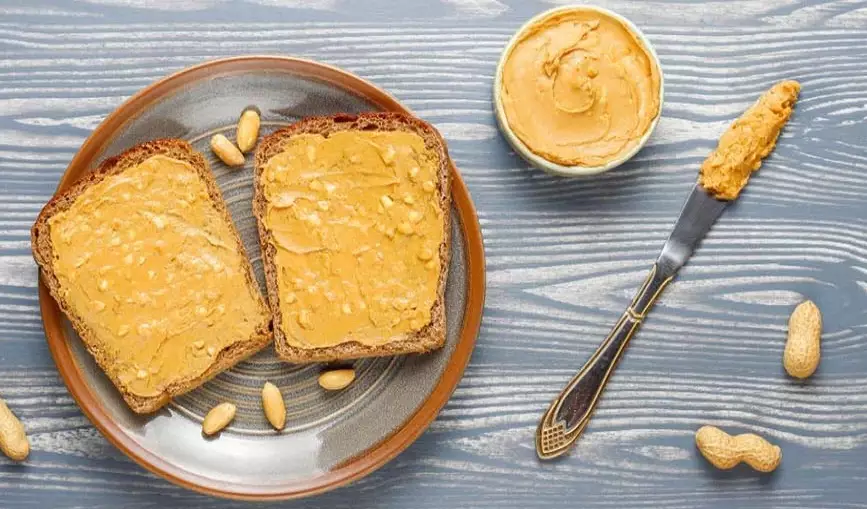
But here's the immediate context most articles skip: that same tablespoon also delivers about 8 grams of fat (mostly the healthy, unsaturated kind) and 3 grams of carbohydrates. The protein makes up roughly 17-20% of its total calories. This macronutrient profile is key—it's not a lean, pure protein source like chicken breast. It's a nutrient-dense package where protein is a significant player alongside healthy fats.
Quick Reality Check: Is 4 grams a lot? Compared to a whole egg (6g), it's decent for a spoonful of spread. Compared to a scoop of protein powder (20-25g), it's modest. Its value isn't in being the highest-protein food, but in being a convenient, palatable, and versatile source that adds up throughout the day.
Not All PB is Equal: A Brand-by-Brand Comparison
Walk down the grocery aisle, and the "peanut butter" options range from simple ground peanuts to jars with a chemistry set of ingredients. This dramatically affects your protein-per-spoon yield. I spent an afternoon (a delicious, messy afternoon) comparing labels. Here’s what I found: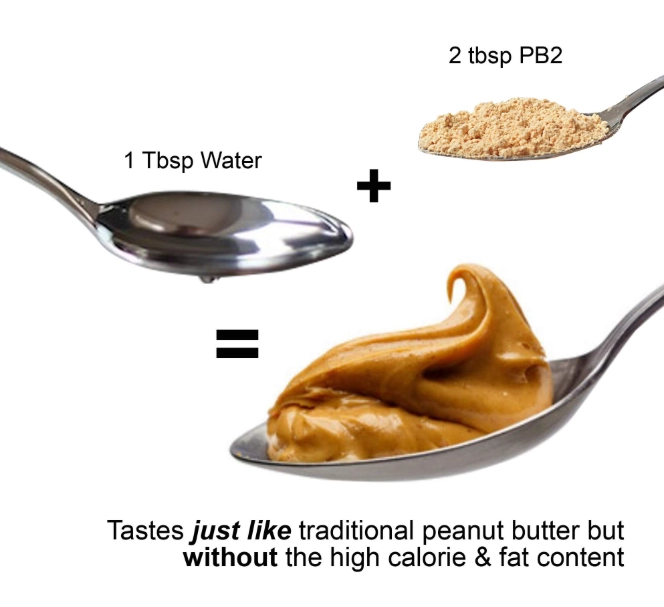
| Brand & Type | Serving Size (g) | Protein (g) | Key Ingredients (Beyond Peanuts) | The Protein Takeaway |
|---|---|---|---|---|
| Generic "Natural" Smooth | 32g (2 Tbsp) | 8g | Peanuts, Salt | 4g/Tbsp. The baseline. Oil separation is normal. |
| Jif Creamy | 33g (2 Tbsp) | 7g | Peanuts, Sugar, Molasses, Hydrogenated Oils, Salt | ~3.5g/Tbsp. Added oils and sugar dilute protein density slightly. |
| SKIPPY Creamy | 33g (2 Tbsp) | 7g | Peanuts, Sugar, Hydrogenated Vegetable Oil, Salt | ~3.5g/Tbsp. Similar story. The "hydrogenated oil" adds trans fats, a nutritional downside. |
| Crazy Richard's 100% Peanuts | 32g (2 Tbsp) | 8g | Peanuts. That's it. | 4g/Tbsp. Maximizes protein and healthy fats without filler. |
| Powdered Peanut Butter (e.g., PB2) | 12g (2 Tbsp powder) | 6g | Peanuts, Sugar, Salt | 3g/Tbsp powder. Far less fat, but check for added sugar. Protein is concentrated. |
The pattern is clear. The more the ingredient list reads like a peanut farm receipt, the more predictable and optimal your protein intake will be. Brands that add palm oil, hydrogenated fats, or excessive sugar are padding the jar with non-protein elements, effectively giving you less protein per gram of what you spread on your toast.
The "Natural" Label Trap
Here's a subtle mistake I see all the time. A jar says "Natural" on the front, so people assume it's just peanuts. But the FDA doesn't strictly regulate "natural" for peanut butter. I've seen jars labeled "Natural" that still contain fully hydrogenated oils (which are technically trans-fat-free but still a highly processed additive) and extra sugar. The only way to be sure? Flip the jar and read the ingredients. The ideal list: Peanuts. Maybe salt. That's it. The oil on top is a sign of purity, not a defect.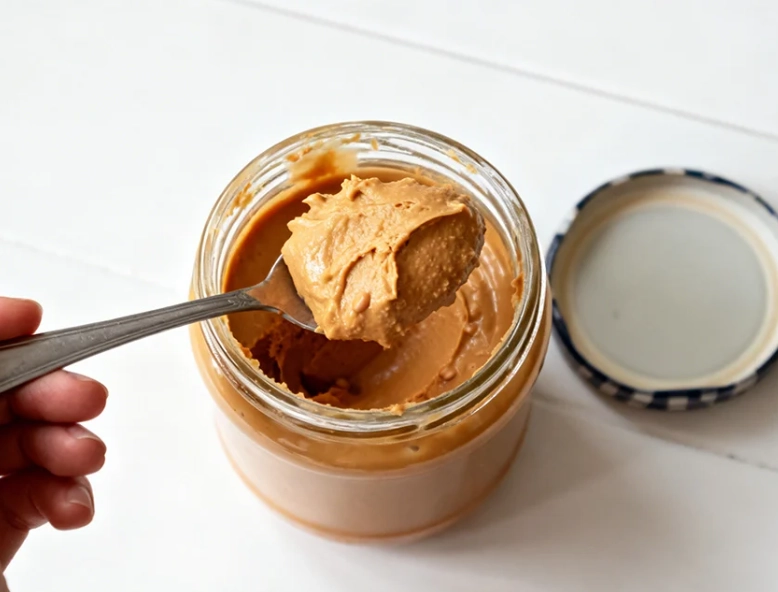
The "Complete" Protein Myth and Peanut Butter's Real Strength
Now, let's tackle the big, buzzy question: Is peanut butter a "complete" protein? This is where most online info gets it half-right.
Technically, no. A complete protein contains all nine essential amino acids in sufficient amounts. Peanut butter is lower in one essential amino acid called methionine. But this is practically meaningless unless peanut butter is your only protein source all day, which it shouldn't be.
The concept of "protein combining" at every meal has been largely debunked. Your body pools amino acids throughout the day. If you eat grains, seeds, or even a piece of toast with your peanut butter later on, you'll easily get all the methionine you need. The American Dietetic Association has stated that planning complementary proteins at each meal is unnecessary.
So, the real strength of peanut butter's protein isn't in its standalone amino acid profile. It's in its satiety factor. The combination of protein (4g) and fiber (about 1-2g) and fat (8g) in that tablespoon slows digestion. It keeps you full longer than a purely carbohydrate-based snack. This helps regulate appetite, making it easier to manage overall calorie and protein intake—which is the ultimate goal for most people.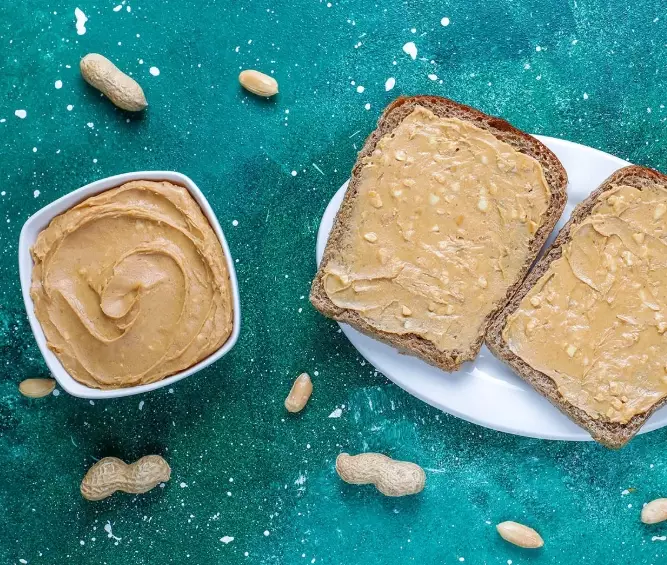
How to Maximize the Protein Power of Your Peanut Butter
Thinking of peanut butter as just a spread is limiting its potential. Here’s how to strategically use it to boost your daily protein intake effectively.
Pair it with a Complementary Protein Source: This is the easiest upgrade. Don't just eat it from the spoon.
- Greek Yogurt Bowl: Mix 1 Tbsp PB into a cup of plain Greek yogurt (which has about 20g protein). You add flavor, healthy fats, and an extra 4g protein, creating a powerhouse 24g snack.
- The Ultimate Apple Snack: Slice an apple and pair it with a tablespoon of PB for dipping. The protein/fat/fiber combo prevents the blood sugar spike from the apple's natural sugars.
- Oatmeal Booster: Stir a tablespoon into your morning oats along with a scoop of collagen peptides or some milk. Turns a carb-heavy breakfast into a balanced meal.
Use Powdered Peanut Butter in Smoothies: If your goal is to add peanut butter flavor and a protein bump without the calories from fat, powdered PB is a great tool. Two tablespoons of the powder give you about 6g of protein for around 50-60 calories. Blend it into a smoothie with milk, banana, and maybe a scoop of vanilla protein powder.
Make a High-Protein "Peanut Butter" Spread: This is a trick from my own kitchen. Blend one cup of dry-roasted peanuts (unsalted) in a food processor until smooth. Then, add a scoop of unflavored or vanilla whey or plant-based protein powder and a pinch of salt. Blend again. You've just created a custom spread with significantly higher protein density per tablespoon.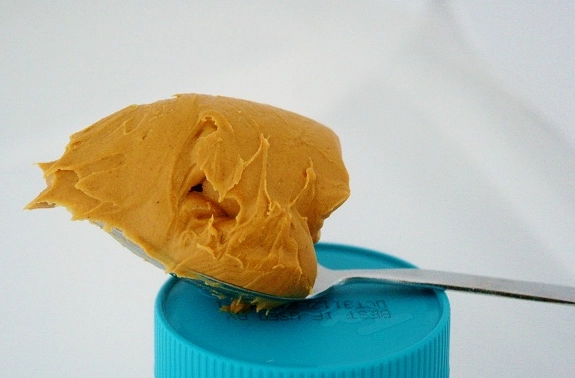
3 Common Mistakes That Undermine Your Protein Intake
After years of coaching, I see the same errors repeatedly. Avoiding these will make your peanut butter habit much more effective.
1. The Heaping "Tablespoon": This is the number one miscalculation. A "heaping" spoon can easily be double a level tablespoon—16 grams becomes 30+ grams. You're getting more protein, sure, but you're also getting double the calories (close to 200+). If you're tracking intake, use a proper measuring spoon or a food scale for the first week to calibrate your eye. My "tablespoon" was once 42 grams. I was essentially eating a quarter of the jar in one go.
2. Choosing the Wrong Partner: Smearing a ton of peanut butter on white bread or a sugary cracker undermines its benefits. You're pairing a slow-digesting food with a fast-digesting carb, which can still lead to an energy crash. Opt for whole-grain bread, rice cakes, or celery sticks to let the protein and fats do their satiety magic.
3. Ignoring the Added Sugar in "Healthy" Brands: Some "natural" or "organic" brands sneak in 2-4 grams of added sugar per serving. That's up to a teaspoon of sugar diluting your protein-packed bite. Always scan the "Added Sugars" line on the nutrition label. Go for 0g or 1g at most.
Your Peanut Butter Protein Questions, Answered
So, back to the original question: how much protein in a tablespoon of peanut butter? It's a solid 4 grams, but that's just the entry ticket. The real value comes from choosing a jar with just peanuts, pairing it smartly with other foods, and understanding its role as a satiating, nutrient-dense package—not a miracle muscle-builder. Ditch the overly processed brands, measure your servings at first, and enjoy it as one versatile piece of your overall protein puzzle.
Reader Comments