You grabbed the jar, you're looking at the label, and your brain is asking the question: just how many grams of protein is in peanut butter? Let's cut to the chase. A standard 2-tablespoon (roughly 32-gram) serving of classic creamy peanut butter delivers about 7 to 8 grams of protein. That's the number you came for. But if you stop there, you're missing the whole story. Is that a lot? Is it good protein? Should you eat it after a workout? The answer isn't just a number on a label—it's about how that protein works in your body, how it fits into your day, and frankly, whether the brand in your pantry is giving you the best bang for your buck.
I've been tracking my nutrition for over a decade, first as a curious home cook and later while training for marathons. I've seen the peanut butter aisle explode with options: powdered, high-protein, reduced-fat, natural, you name it. And I've made the mistake of thinking a giant spoonful was a perfect protein snack, only to wonder why I wasn't recovering as well as I hoped. The protein in peanut butter is a powerful tool, but you've got to know how to use it.
What’s Inside: Your Quick Protein Guide
- How Much Protein is Actually in Peanut Butter?
- Is It "Good" Protein? Understanding Quality & Digestion
- Brand Breakdown: Protein in Jif, Skippy, Natural & More
- How to Maximize Protein Absorption from Peanut Butter
- Common Protein Mistakes (And How to Fix Them)
- Your Peanut Butter Protein Questions Answered
How Much Protein is Actually in Peanut Butter?
Let's get specific. That 7-8 gram figure is your baseline for most commercial smooth peanut butters. But it changes based on what's in the jar. The primary source, the USDA FoodData Central database, lists 7.1 grams of protein per 2-tbsp serving of smooth peanut butter with salt. Chunky styles might have a tiny bit more because of the extra peanut pieces, but we're talking fractions of a gram.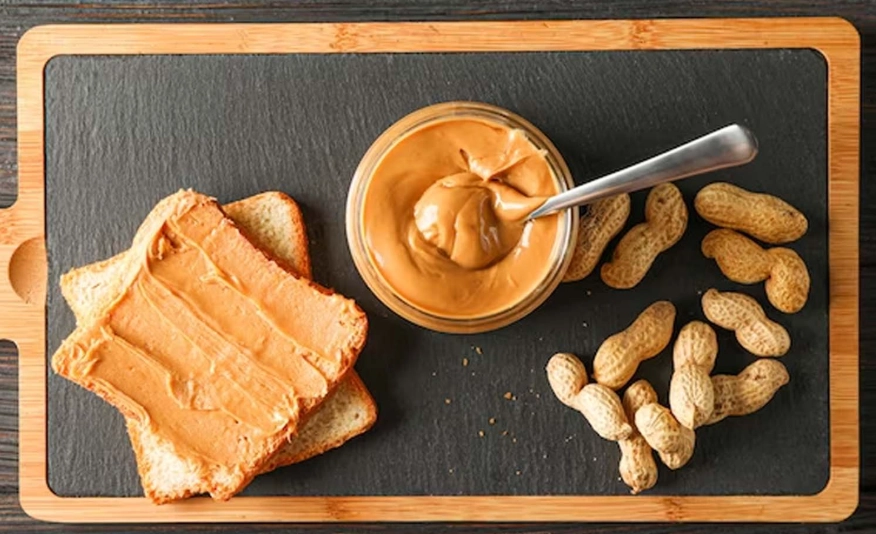
Where people get tripped up is serving size. We're all guilty of it. That "heaping" tablespoon you scoop out with a regular spoon? That's probably closer to 1.5 or even 2 official tablespoons. So your "quick snack" might actually be giving you 10-12 grams of protein... along with double the calories and fat you logged in your app. Consistency matters too. The oil separation in natural peanut butter means you might get less actual peanut mass (and thus protein) per scoop if you don't stir it thoroughly. It sounds minor, but over weeks it adds up.
>Often has more added sugar/carbs to compensate for taste.>Added protein isolate (pea, whey). Check for artificial ingredients.| Type of Peanut Butter (2 Tbsp Serving) | Approximate Protein (grams) | Key Notes |
|---|---|---|
| Classic Creamy (Jif, Skippy) | 7g | Contains added sugars & hydrogenated oils. |
| Natural (Just peanuts & salt) | 7-8g | Protein content is very similar to classic. |
| Powdered Peanut Butter (PB2) | 5-6g* | *Per 2 tbsp powder (reconstituted). Much lower fat/calories. |
| Reduced Fat | 6-7g | |
| High-Protein Blends | 10-15g |
So, is 7-8 grams a lot? Compared to a chicken breast (about 30g), no. But as a plant-based protein source for a snack or meal component, it's solid. It's more protein than a large egg (6g) and adds up quickly when paired with other foods.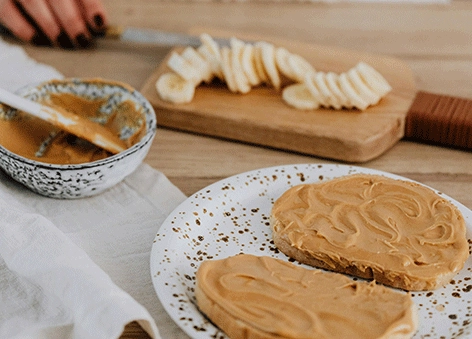
Is It "Good" Protein? Understanding Quality & Digestion
This is the part most blogs gloss over. They give you the gram count and call it a day. But not all protein is created equal. Protein is made of amino acids, the building blocks your body uses. A "complete" protein contains all nine essential amino acids in sufficient amounts. Here's the catch: peanut butter is not a complete protein.
It's low in one essential amino acid called lysine. This doesn't make it "bad"—it makes it incomplete. Your body can't use incomplete protein as efficiently for building and repairing tissue (like muscle) unless you get the missing pieces from elsewhere in your diet. This is where the concept of "protein pairing" comes in, something our grandparents knew instinctively with peanut butter on whole wheat bread.
The whole grains provide the lysine peanuts lack, creating a complete protein profile. Other great pairs? Oatmeal, rice, or even a glass of milk. If you're just eating peanut butter straight from the spoon, you're not getting the full anabolic (muscle-building) potential of that 7 grams.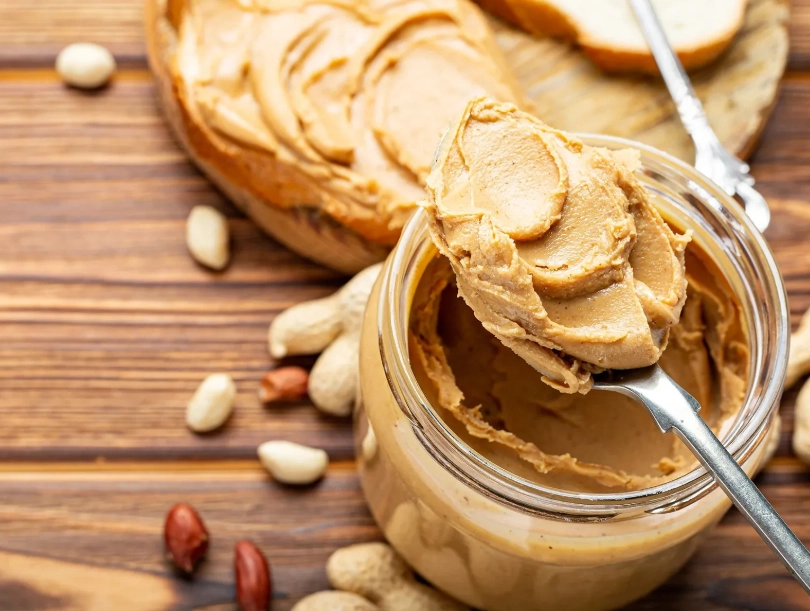
Expert Tip: The protein digestibility score (PDCAAS) for peanuts is around 0.7 out of 1.0. For reference, egg or whey protein is 1.0. This means your body can digest and use about 70% of the protein in peanut butter. The fiber and fat slow digestion, providing a slow, steady release of amino acids—great for satiety, less ideal for immediate post-workout recovery.
Brand Breakdown: Protein in Jif, Skippy, Natural & More
Let's look at real jars from real shelves. The differences are less in the protein grams and more in what comes with them.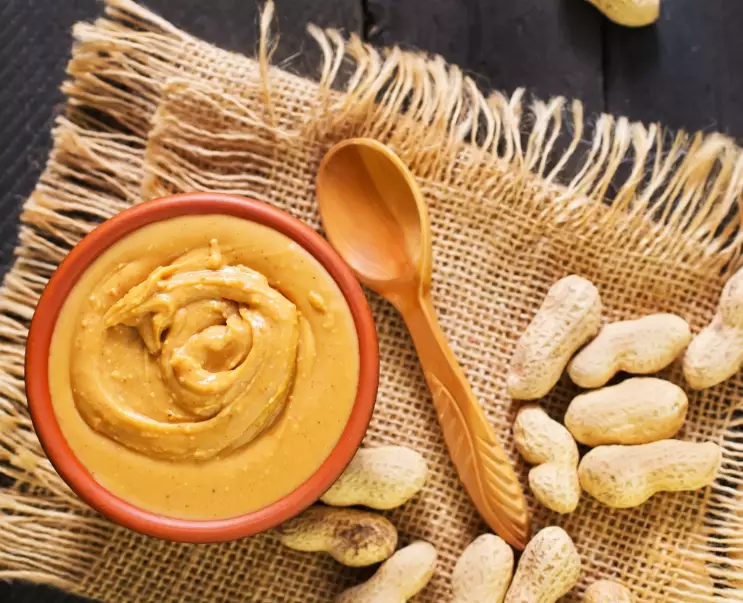
Jif Creamy: 7g protein per 2 tbsp. It's the consistent, sweet standard. The protein is there, but so are fully hydrogenated vegetable oils and added sugar. You're getting your protein alongside ingredients that might not align with a whole-foods diet.
Skippy Creamy: Also 7g protein. Similar story—roasted peanuts, sugar, hydrogenated oil.
Smucker's Natural: 8g protein. Ingredients: Peanuts, Salt. This is where I've landed for daily use. The protein is virtually the same, but the ingredient list is clean. The texture is grainier and it separates, but the nutritional payoff is better.
Powdered Peanut Butter (like PB2): This is a different beast. Two tablespoons of the powder (which you mix with water) have about 5-6g of protein. They remove most of the fat, so the calories are drastically lower. The trade-off? You lose the healthy fats that aid in nutrient absorption and satiety. It's a useful tool for calorie restriction, not a direct replacement.
The "High-Protein" Marketing Trap: Some new brands add pea protein or whey isolate to boost the count to 10g or more per serving. Scrutinize these. Sometimes, to make it taste good with all that added protein, they pack in sugar alcohols, artificial sweeteners, or extra fillers. Ask yourself if you need that isolated protein hit from your peanut butter, or if you could just add a scoop of protein powder to your smoothie separately.
How to Maximize Protein Absorption from Peanut Butter
Knowing the grams is step one. Making them work for you is step two. Here’s how to turn peanut butter from a simple spread into a protein powerhouse.
Pair for Completeness: Always think about the lysine. Combine peanut butter with:
- Whole grain bread, crackers, or pasta.
- A glass of milk or a yogurt parfait.
- Quinoa or oats in a breakfast bowl.
Time It (Loosely): The slow-digesting nature makes it a better snack between meals or a component of a balanced breakfast than an immediate post-weightlifting refuel. For recovery after heavy lifting, you want faster proteins. But for general muscle maintenance throughout the day? Perfect.
Measure, Don't Guess: Use a proper tablespoon measure for a week. You'll be surprised. This ensures you actually get the 7g you're counting on and helps with calorie control.
Common Protein Mistakes (And How to Fix Them)
I've made these, and you probably have too.
Mistake 1: Treating it as a primary post-workout protein. After tearing down muscle fibers, your body needs quickly digestible, complete protein to start repair. Peanut butter's fat and fiber slow it down. Fix: Have your peanut butter on toast an hour before training, or save it for a later snack. Post-workout, opt for a shake, Greek yogurt, or chicken.
Mistake 2: Ignoring the rest of the label. Chasing 2 extra grams of protein in a "high-protein" version might mean consuming 5 extra grams of weird-tasting sugar alcohols. Fix: Prioritize simple ingredients. Seven grams of clean protein from peanuts and salt is almost always better than 10 grams from a chemical cocktail.
Mistake 3: Assuming "natural" means more protein. It doesn't. It usually means fewer additives and healthier fats, but the protein content per serving is nearly identical to conventional brands. Don't pay a premium expecting a protein jackpot.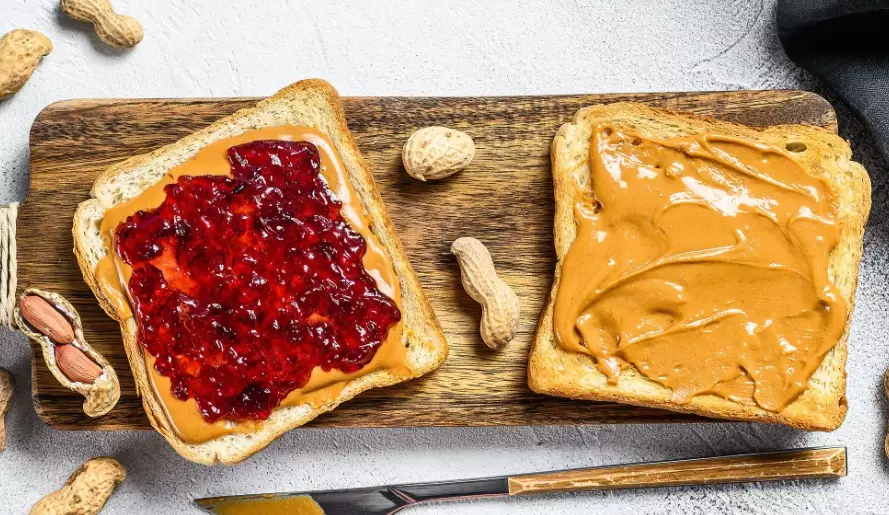
Your Peanut Butter Protein Questions Answered
These are the questions my readers and clients ask most often, beyond the basic gram count.
So, how many grams of protein is in peanut butter? You now know it's roughly 7 to 8 per serving. More importantly, you know that this protein is useful, versatile, but incomplete on its own. You know to check labels for more than just the protein number, to pair it wisely, and to avoid common pitfalls. Don't just count the grams—make them count. Grab the jar with the cleanest ingredients, measure out a proper serving, slap it on some whole-grain toast, and enjoy one of the simplest, most satisfying protein boosts in your kitchen.
Reader Comments