You're standing in the peanut butter aisle, holding two jars. One says "Natural." The other, your childhood favorite, promises a "Creamy" experience. The question pops into your head: does peanut butter have sugar? The short, frustrating answer is: it depends entirely on the jar in your hand. Some have zero added sugar. Others pack more sweetener than you might expect. Let's cut through the marketing and look at what's actually in the jar.
I learned this the hard way years ago. I was trying to eat healthier and grabbed a jar labeled "Honey Roasted" without a second thought. The taste was fantastic, of course. But when I finally glanced at the nutrition label, I was shocked. That "healthy" snack had turned into a dessert. It changed how I shop for good.
What You'll Find Inside
The Short Answer: It Depends on the Jar
Peanuts themselves contain minuscule amounts of natural sugars—we're talking about 4-5 grams per 100 grams of peanuts, mostly sucrose. That's not what we're worried about. The real issue is added sugar.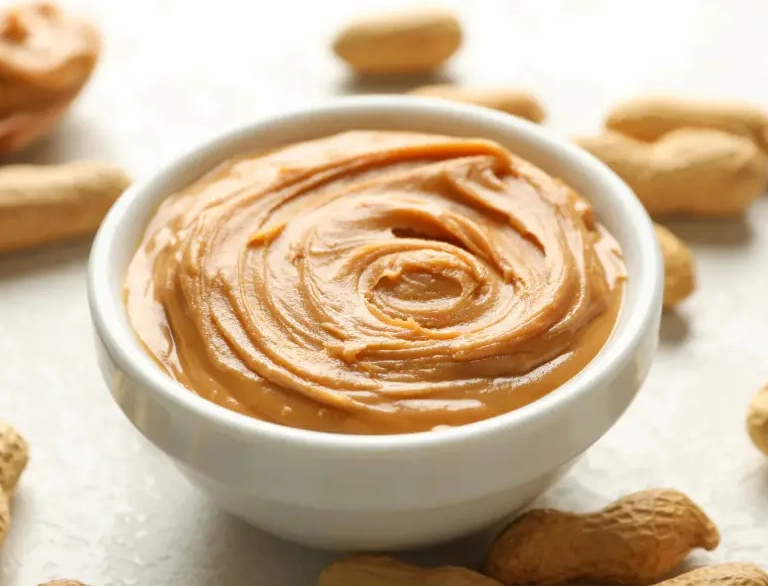
So, does peanut butter have sugar?
Natural peanut butter (the kind that's just peanuts, maybe salt): No added sugar. The sugar listed on its label is just the peanuts' natural content.
Conventional or "regular" peanut butter (like most big-name brands): Almost always has added sugar. It's a key ingredient for flavor, texture, and shelf stability.
The range is wild. A serving of pure peanut butter might show 1-2g of total sugar (natural). A serving of a leading conventional brand can have 3g, 4g, or even more of added sugar on top of the natural base.
The Long Answer: Decoding the Two Main Types
Think of the peanut butter world as two distinct camps. Understanding this split is the key to answering "does peanut butter have sugar?" for any specific product.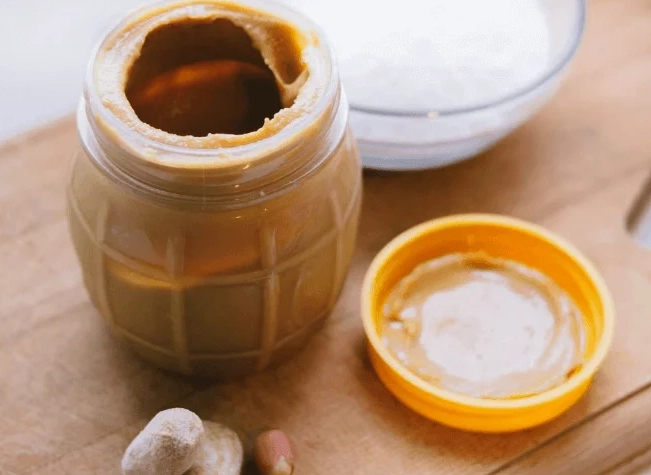
Natural Peanut Butter (The Minimalist)
Ingredients: Peanuts. Sometimes salt. That's it. You'll find it in the natural foods section or refrigerated aisle. The oil separates and sits on top—you have to stir it. The texture is often grainier, and the taste is purely, intensely peanutty.
Brand examples: Kirkland Signature Organic (from Costco), Smucker's Natural, Teddie. Many store brands also have a natural option.
I keep a jar of this kind in my fridge. The first time I bought one, I saw the oil layer and thought it was spoiled. A quick Google (and a messy stir later) proved me wrong. It tastes completely different from what I grew up with—less sweet, more robust.
Regular or Conventional Peanut Butter (The Enhanced)
Ingredients: Roasted peanuts, sugar, hydrogenated vegetable oils (like soybean and cottonseed oil), salt, molasses, emulsifiers.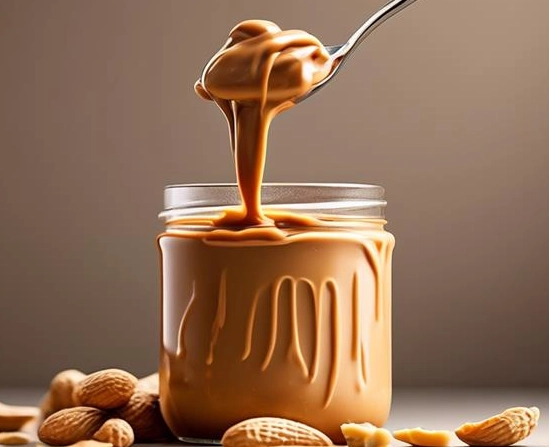
This is the creamy, spreadable, never-separates peanut butter from your childhood. The added sugars (often in the form of cane sugar, corn syrup solids, or molasses) and hydrogenated oils work together to create that uniform texture and sweet, familiar flavor. It's a processed food, engineered for consistency and mass appeal.
Brand examples: Jif, Skippy, Peter Pan, Reese's.
Here’s a side-by-side look at what you’re really getting:
| Feature | Natural Peanut Butter | Conventional Peanut Butter |
|---|---|---|
| Primary Ingredients | Peanuts (>,> 99%), maybe salt. | Peanuts, added sugars, hydrogenated/fully hydrogenated oils. |
| Added Sugar | Typically 0g. | Commonly 2-4g per 2 tbsp serving. |
| Texture | Can be gritty; oil separates. | Consistently smooth and creamy; no separation. |
| Taste | Pure roasted peanut, sometimes salty. | Sweet, familiar, "balanced" flavor. |
| Storage | Often refrigerated after stirring to prevent re-separation. | Stable at room temperature for months. |
| Typical Brand | Smucker's Natural, Teddie | Jif, Skippy |
There's a third, tricky category: "Natural" brands that add a bit of sugar. They might have ingredients like "peanuts, cane sugar, palm oil, salt." They're a hybrid—often easier to stir than pure natural butters, but they still contain added sweeteners. Always check the label.
How to Spot Added Sugar on Any Label
Don't just look at the front of the jar. Turn it around. The Nutrition Facts panel and Ingredients list are your best friends.
1. Check the "Includes Added Sugars" Line. Since 2016, the FDA requires this line under "Total Sugars." This is the golden ticket. If it says "Includes 3g Added Sugars," you know exactly how much sugar was dumped in during processing, separate from the peanuts' own sugars.
2. Read the Ingredients List. Ingredients are listed by weight. If "sugar," "cane sugar," "corn syrup solids," "molasses," "honey," or "brown rice syrup" appears in the first three ingredients, it's a significant component. If you see multiple types of sugar listed (e.g., sugar, molasses, honey), that's a red flag for a heavily sweetened product.
3. Beware of "Low-Fat" or "Reduced Fat" Versions. This is a classic trap. When manufacturers remove fat, they often add more sugar (and starches) to make up for the lost flavor and texture. The "low-fat" version of a popular brand can have more sugar and carbs than the original.
Why Do Brands Add Sugar Anyway?
It's not just to hook you on sweetness, though that's part of it. Sugar plays functional roles:
Flavor Balance: Sugar cuts the slight bitterness of roasted peanuts and enhances the overall "roasted" flavor profile. It creates that universally appealing taste.
Texture and Preservation: Sugar binds water, which can help prevent oil separation and extend shelf life. The hydrogenated oils are the main player in preventing separation, but sugar supports the structure.
Cost: Sugar is cheaper than peanuts. Adding sugar (and oils) increases the product volume without increasing the proportion of expensive peanuts.
It's a business decision. The conventional formula is designed to be affordable, stable, and loved by the broadest possible audience—including kids who might find pure peanut butter too intense.
Choosing Your Peanut Butter: A Practical Guide
So, which one should you buy? It's not about "good" or "bad." It's about what fits your goals. Let's walk through three common scenarios.
Scenario 1: You're managing blood sugar or cutting added sugars. Your Choice: 100% natural peanut butter (peanuts only). Why: Zero added sugars means the carbohydrate impact comes with fiber and healthy fats, leading to a slower, more manageable blood sugar response. This is non-negotiable for many diabetics or anyone on a low-sugar diet. Action: Go to the natural foods aisle. Pick a jar where the only ingredient is peanuts. Be ready to stir and store it in the fridge.
Scenario 2: You want a healthier everyday option but aren't ready for pure peanuts. Your Choice: A "natural" peanut butter with just peanuts and salt, OR a no-stir natural brand that uses palm fruit oil (not hydrogenated) to prevent separation. Why: You avoid added sugars and hydrogenated oils but get a slightly more user-friendly product. Brands like Justin's or certain store-brand "Simple" lines fit here. Action: Read labels carefully. Look for max 2 ingredients. If there's a third, make sure it's a natural stabilizer like palm fruit oil, not sugar.
Scenario 3: You love the classic taste and use it sparingly. Your Choice: Your favorite conventional brand. Why: Life is about enjoyment. If a peanut butter sandwich with Jif is your comfort food, having it occasionally is fine. The problem is unconscious daily consumption. Action: Be mindful of portion size. Recognize it as a treat that contains added sugar and oils, not a "health food." Don't buy the giant tub if it leads to overconsumption.
Beyond Sugar: Other Ingredients to Watch For
While sugar is the headliner, the supporting cast matters too.
Hydrogenated Oils: These are added to prevent oil separation and create that smooth texture. Fully hydrogenated oils are essentially saturated fat (like palm oil). Partially hydrogenated oils contain trans fats, which are now banned by the FDA but were a major health concern. Most major brands have reformulated to remove PHOs, but the replacement oils (like fully hydrogenated soybean or palm oil) are still highly processed saturated fats.
Emulsifiers like Mono- and Diglycerides: These also help keep the product homogeneous. They're generally recognized as safe but are another sign of a highly processed food.
Salt: Amounts vary. If you're watching sodium, compare the % Daily Value. Natural peanut butters often have low-sodium or no-salt-added options.
The purest choice is always the one with the shortest, most recognizable ingredient list.
Frequently Asked Questions (Your Quick Guide)
The bottom line on whether peanut butter has sugar is that you are in control. The answer is written in plain English on the side of the jar. By understanding the two main types and becoming a label-reading pro, you can choose a peanut butter that aligns with your health goals and your taste buds—without any unwelcome sugary surprises.
Reader Comments