Let's be honest. When you grab that jar of crunchy peanut butter, you're probably not thinking about monounsaturated fats or micronutrients. You're thinking about that satisfying crunch, the rich, salty-sweet flavor, and maybe how perfectly it sticks to the roof of your mouth. I get it. I've been a peanut butter enthusiast for decades, from the sugary spreads of my childhood to the artisan jars I seek out now. But here's the thing I learned the hard way: not all crunchy peanut butter is created equal. The nutrition profile can swing from a health powerhouse to a glorified dessert topping based on a few lines on the ingredient list. This guide will cut through the marketing and give you the real, actionable facts about crunchy peanut butter nutrition, so your next spoonful is as good for you as it tastes.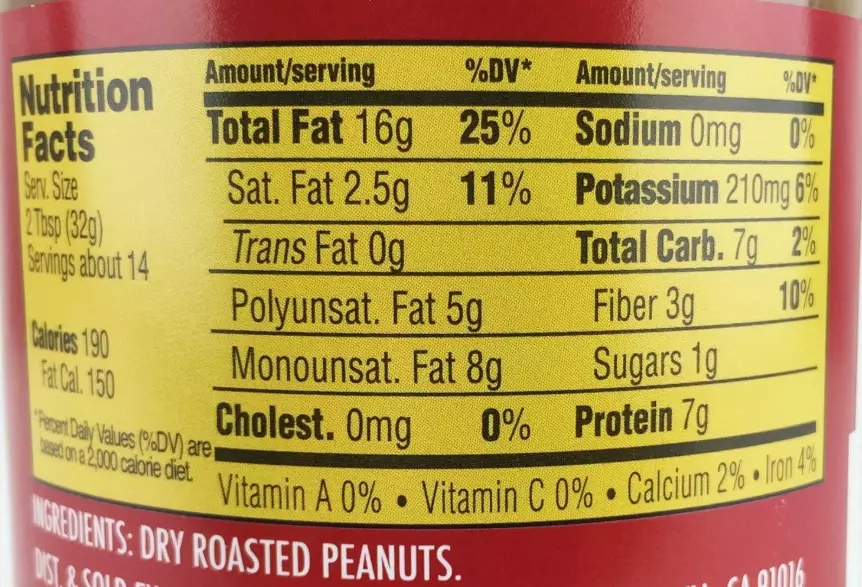
What's Inside: Your Quick Guide
The Core Nutrition Breakdown (By the Numbers)
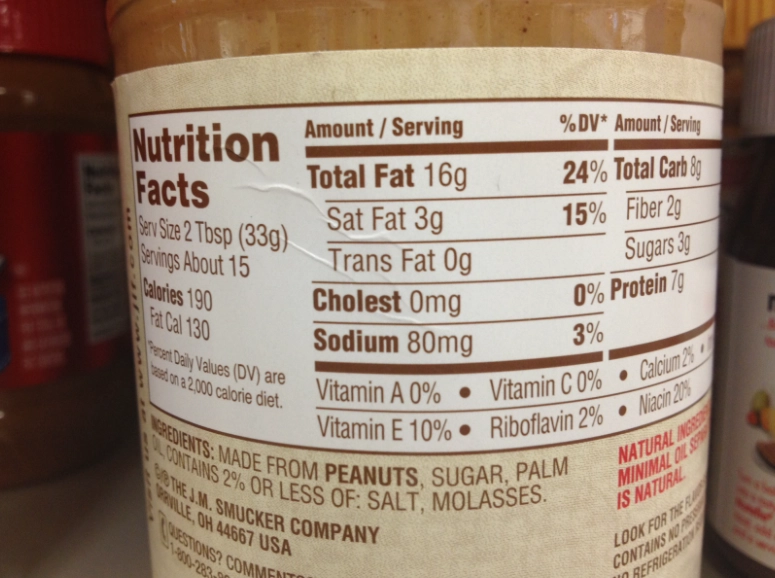
First, let's look at the standard two-tablespoon (32g) serving of a typical crunchy peanut butter made with just peanuts and salt. This is our baseline. Data from the USDA FoodData Central is the gold standard here.
| Nutrient | Amount per 2 tbsp (32g) | % Daily Value (DV)* |
|---|---|---|
| Calories | ~190-200 kcal | 10% |
| Total Fat | 16g | 21% |
| - Saturated Fat | 2.5g | 13% |
| - Monounsaturated Fat | 8g | – |
| - Polyunsaturated Fat | 4g | – |
| Protein | 7-8g | 16% |
| Total Carbohydrates | 6-7g | 2% |
| - Dietary Fiber | 2-3g | 11% |
| - Sugars | 1-2g (naturally occurring) | – |
| Sodium | ~120-150mg (with salt) | 5-7% |
*Based on a 2,000 calorie diet.
Now, here's the first non-consensus point most blogs miss: focusing solely on the fat content is a mistake. Yes, 16 grams of fat seems high. But over 80% of that fat is the unsaturated kind—the type linked to improved heart health. The fear of fat is what led to the creation of those awful "low-fat" peanut spreads packed with extra sugar and fillers to compensate for taste. You're better off with the natural fat profile.
The protein and fiber combo is the secret weapon. It's what makes peanut butter so satiating. That 7-8 grams of plant-based protein isn't just for bodybuilders; it helps repair tissues and keeps you full for hours, which is crucial for weight management.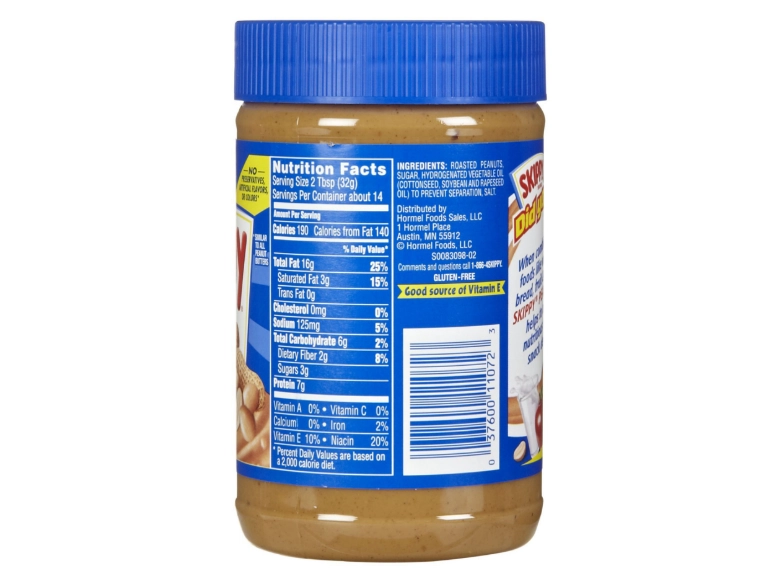
Beyond Calories: The Real Health Benefits
When you choose a quality crunchy peanut butter, you're getting more than just macros. The peanut pieces themselves add a textural dimension that might have subtle benefits over smooth.
Heart Health Isn't Just About Low Fat
The monounsaturated and polyunsaturated fats in peanuts help lower LDL (the "bad") cholesterol and maintain HDL (the "good") cholesterol. Research, including studies cited by the American Heart Association, supports nuts and nut butters as part of a heart-healthy diet. The crunchy bits? They might encourage slightly slower eating, giving your brain more time to register fullness.
Weight Management and Blood Sugar Control
This is where people get confused. High in calories, good for weight? It seems contradictory. But the protein, fiber, and fat work together to slow digestion. This leads to a more gradual rise in blood sugar and prolonged satiety. A study in the Journal of the American College of Nutrition found that peanut butter consumption was associated with better weight maintenance. The key, of course, is portion control as part of a balanced diet, not eating it straight from the jar while watching TV.
The Micronutrient Bonus Round
Peanut butter is a decent source of several vitamins and minerals that often fly under the radar:
- Vitamin E: A powerful antioxidant that protects your cells.
- Magnesium: Essential for muscle, nerve function, and blood sugar control.
- Potassium: Helps counteract sodium and manage blood pressure.
- Niacin (B3): Important for converting food to energy.
It's not a multivitamin, but it's a nutritious addition to your day.
How to Choose a Truly Healthy Crunchy Peanut Butter
Standing in the grocery aisle can be overwhelming. Here's my simple, three-step filter system I've used for years.
Step 1: Flip the jar and read the ingredient list. This is non-negotiable. The ideal list has two items: Peanuts. Salt. That's it. Sometimes you'll see "peanut oil" listed separately, which is fine—it's just oil that naturally separated. If the salt is sea salt or pink Himalayan salt, that's a marketing flourish; nutritionally, it's still sodium.
Step 2: Scan for the two major red flags.
- Hydrogenated or Partially Hydrogenated Oils: These are trans fats, used to prevent oil separation. They are terrible for heart health. Many brands have removed them, but always check.
- Added Sugars: Look for words like "cane sugar," "corn syrup solids," "molasses," "dextrose," or "honey." In a two-tablespoon serving, aim for 0g or at most 1-2g of added sugar. The natural sugars are already accounted for.
Step 3: Check the nutrition label for confirmation.
- Protein: Should be at least 7g per serving.
- Fiber: Aim for 2-3g.
- Sugars: Total sugars should be 3g or less if it's just peanuts and salt.
If the numbers are way off, something else is in there.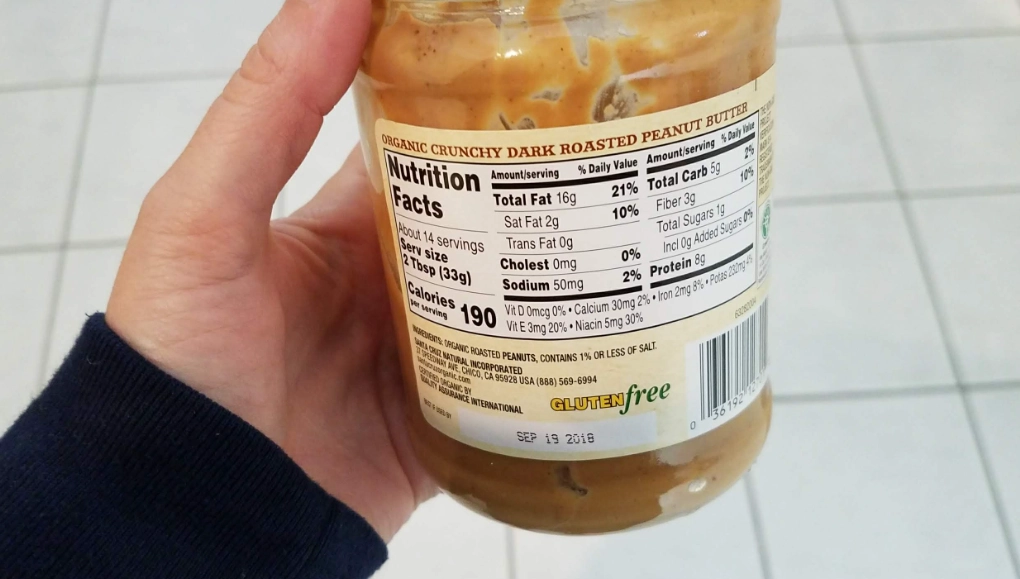
One personal gripe: "No Stir" natural peanut butters. They often use palm fruit oil to stabilize them. While it's not a trans fat, it's a saturated fat added for convenience. I'd rather spend 30 seconds stirring for a cleaner ingredient profile.
A Real-World Look at Popular Brands
Let's apply the rules. This isn't about declaring one brand the absolute winner, but showing you how the nutrition stacks up in practice. I'm looking at the standard crunchy varieties.
| Brand (Crunchy Variety) | Key Ingredients (Beyond Peanuts) | Added Sugars (per 2 tbsp) | Notes from the Aisle |
|---|---|---|---|
| Brand A: "Natural" Style | Peanuts, Salt | 0g | The gold standard. Oil separates, needs stirring. Pure peanut taste and crunch. |
| Brand B: Classic National Brand | Peanuts, Sugar, Hydrogenated Vegetable Oils, Salt | 3g | Contains trans fats (hydrogenated oils). Sweeter, creamier texture, no separation. |
| Brand C: "No Stir" Natural | Peanuts, Palm Fruit Oil, Salt | 0g | Convenient, but includes an added oil (palm fruit). Slightly higher saturated fat. |
| Brand D: Organic Store Brand | Organic Peanuts | 0g | Often just one ingredient (no salt). Great for controlling sodium intake. Can taste bland to some. |
See the trade-offs? Brand A gives you the cleanest nutrition but requires a bit of work. Brand B sacrifices heart health for sweetness and convenience. Your choice depends on your priorities. For daily nutrition, I'm almost always in the Brand A or D camp.
Your Crunchy Peanut Butter Questions, Answered
 My natural crunchy peanut butter is dry and crumbly at the bottom, even after stirring. Did I get a bad jar?
At the end of the day, crunchy peanut butter is a simple food made complex by our food industry. By understanding the core nutrition, ignoring fear-based fat messaging, and learning to decode labels, you can confidently make it a delicious and nutritious part of your diet. Don't overcomplicate it. Find a jar where peanuts are the first, and ideally the only, ingredient. Store it upside down, stir it well, and enjoy that honest, satisfying crunch.
Reader Comments