So you want to know how many calories are in peanut butter. The short answer is about 90 to 100 for a level tablespoon. But if you stop there, you're missing the whole picture. That number is almost useless without context. Is it a heaping spoon or a level one? Is it natural peanut butter or the sugary kind? Are you weighing it or just guessing? I've seen people meticulously track a 50-calorie apple and then casually smear what amounts to three tablespoons of peanut butter on their toast, adding 300+ calories without a second thought. Let's fix that.
What's Inside This Guide?
Peanut Butter Calories: The Basic Numbers
Let's start with the official data. According to the USDA FoodData Central, the gold standard for nutrition info, 100 grams of smooth peanut butter with salt contains about 588 calories. Most of us don't think in grams, so let's translate.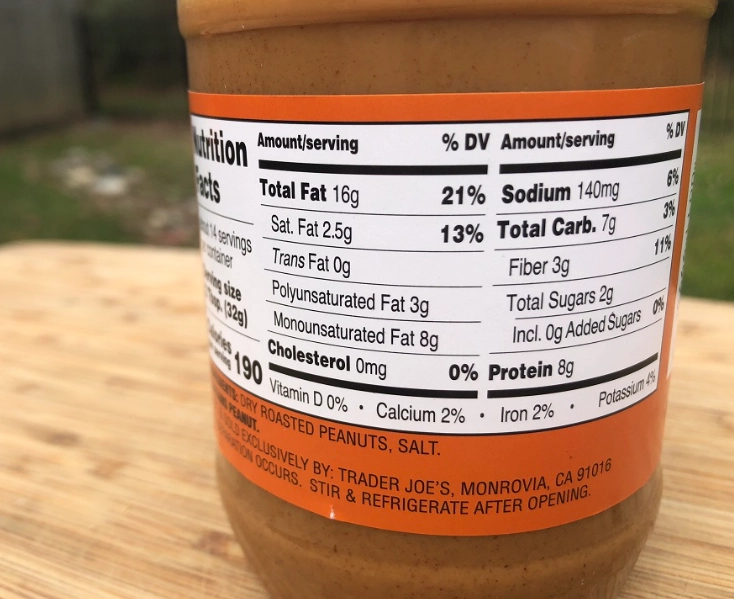
A standard serving is 2 tablespoons, which is about 32 grams. That serving packs roughly 188 calories. But here's the first catch: a "tablespoon" on a nutrition label is a specific weight (usually 16g), not the random scoop you take from the jar with your dinner spoon.
The macro breakdown for that 2-tablespoon serving is telling:
- 16g of Fat (mostly the heart-healthy unsaturated kind)
- 8g of Protein (solid for a plant-based food)
- 7g of Carbs (with about 2-3g being fiber, the rest sugars)
The calories come predominantly from fat, which is why peanut butter is so energy-dense. It's nutrient-dense too, but that density is a blessing and a curse.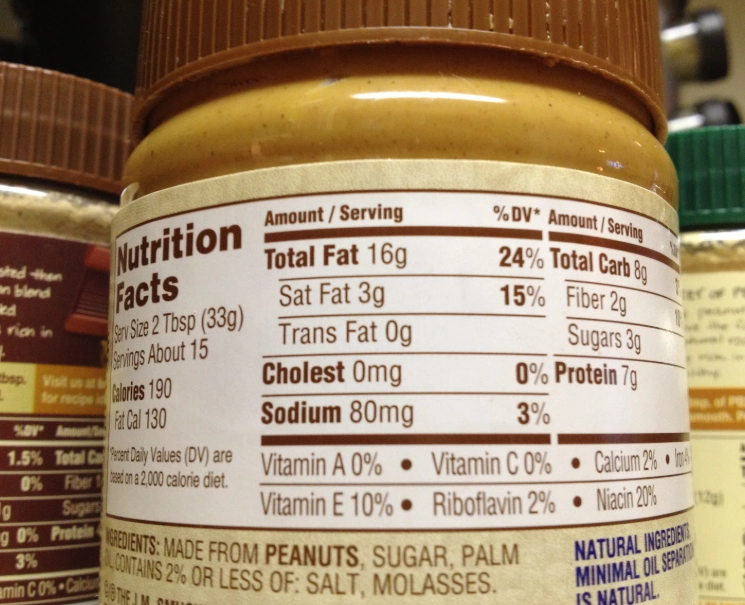
Brand Showdown: Jif, Skippy, Justin's & More
Not all peanut butters are created equal. The calorie count can shift based on added ingredients. I pulled the numbers straight from the jars in my pantry and the brands' websites to show you the real-world spread.
| Brand & Type | Calories (per 2 tbsp / 32g) | Key Notes (Where Calories Come From) |
|---|---|---|
| Jif Creamy | 190 | Contains fully hydrogenated oils and added sugar. Slightly higher calorie due to stabilizers and sweeteners. |
| Skippy Creamy | 190 | Similar profile to Jif: hydrogenated oils, sugar. Consistent texture, higher in added sugars. |
| Justin's Classic Peanut Butter | 190 | Uses palm oil as a stabilizer. Still has added sugar, but no hydrogenated oils. |
| Smucker's Natural (Peanuts & Salt) | 200 | Just peanuts and salt. Oil separates. Calories are purely from peanut fats, no additives. |
| Crazy Richard's 100% Peanuts | 180 | Only ingredient: peanuts. Slightly lower calorie count per serving, likely due to natural variance. |
| Powdered Peanut Butter (e.g., PB2) | 60 | Fat is removed, so calories plummet. You reconstitute it with water. A totally different product for calorie control. |
See the pattern? The calorie counts are surprisingly close, hovering around 190-200 for a two-tablespoon serving. The source of those calories is what matters most for your health.
Natural vs. Regular: A Calorie and Nutrition Showdown
This is where most generic articles stop. They give you the number and call it a day. But the real debate isn't about a 10-calorie difference. It's about what you're eating along with those calories.
I made the switch to natural peanut butter years ago, and the first jar was a mess. The oil on top, the hard lump of peanuts below. It was inconvenient. But after you stir it and refrigerate it, it's fine. The taste is cleaner, more peanutty, less cloyingly sweet.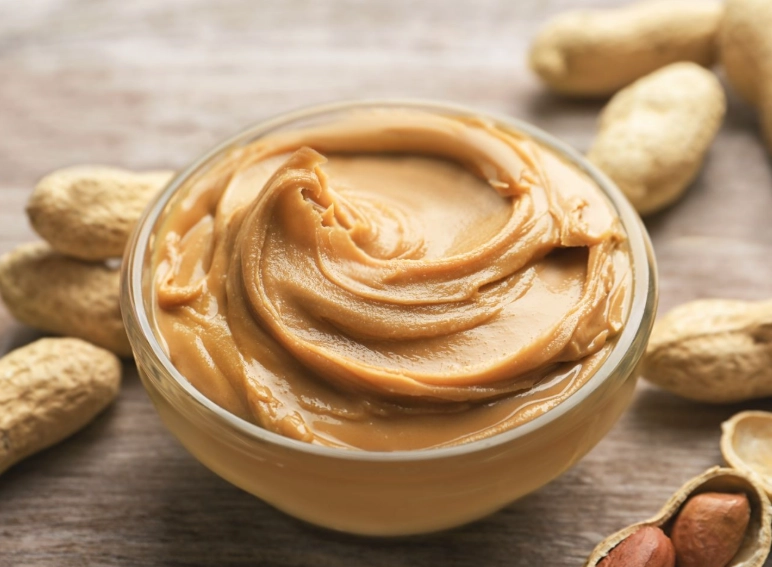
More importantly, look at the ingredient lists:
Regular Jif/Skippy: Roasted Peanuts, Sugar, Hydrogenated Vegetable Oils (soybean, rapeseed), Salt, Molasses.
Natural Smucker's: Peanuts, Salt.
Those hydrogenated oils are added to prevent oil separation and give that perfectly smooth, spreadable texture straight from the fridge. The problem? They create small amounts of trans fats, which the FDA has said are not safe for human consumption. Even "0g trans fat" on the label can hide up to 0.5g per serving due to labeling loopholes. Eat multiple servings, and it adds up.
The added sugar is the other culprit. It can add 2-4 grams of sugar per serving. Over a year, that's pounds of extra sugar just from your peanut butter.
So while the calorie count is nearly identical, the natural option gives you better-quality calories—more unsaturated fat, no trans fat, less processed sugar. You're getting nutrition, not just empty energy.
The Serving Size Trap (And How to Avoid It)
This is the biggest mistake I see. People use a tablespoon, but it's a heaping, rounded mountain of peanut butter. That "tablespoon" can easily weigh 25-30 grams instead of 16. You've just eaten 150-180 calories thinking it was 90.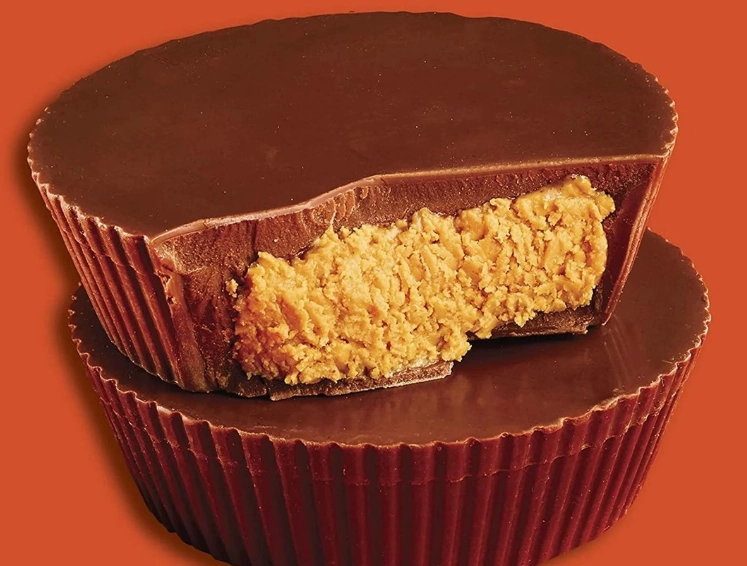
Here's my practical advice, born from messing this up myself:
- Weigh it. This is the most accurate. Put your bowl or bread on a kitchen scale, tare it to zero, and spread until you hit 16g for a tablespoon or 32g for two.
- No scale? Level it off. Use a proper measuring spoon and drag the flat edge of a knife across the top. No peaks allowed.
- Visual hack: Two level teaspoons is about the size of a standard poker chip. A level tablespoon is about the size of your thumb from tip to first knuckle.
And for goodness sake, don't eat it straight from the jar. It's impossible to gauge. Portion it out first.
How to Enjoy Peanut Butter Without the Guilt
Peanut butter isn't the enemy. It's a fantastic source of protein, healthy fats, vitamin E, and magnesium. The goal is strategic enjoyment. Here are ways I incorporate it without blowing my daily calories:
- The Classic Apple or Celery Vehicle: Slice an apple, measure out 1 tablespoon (16g) of natural peanut butter, and dip. The fiber in the fruit balances the density.
- Oatmeal Booster: Stir a measured tablespoon into your morning oatmeal. It melts and makes it creamy and rich, adding staying power to your breakfast.
- Smoothie Thickener: Half a tablespoon is enough to add a nutty flavor and creamy texture to a protein smoothie.
- Asian-style Sauces: Whisk a tablespoon with soy sauce, lime juice, a little honey, and chili flakes for a quick noodle or salad dressing. It stretches the flavor.
- Pre-portioned Snacks: I make "energy bites" with oats, a little honey, and peanut butter. I calculate the calories per ball when I make the batch, so each one is a known quantity.
The theme is pairing and measuring. It's a condiment or a component, not the main event.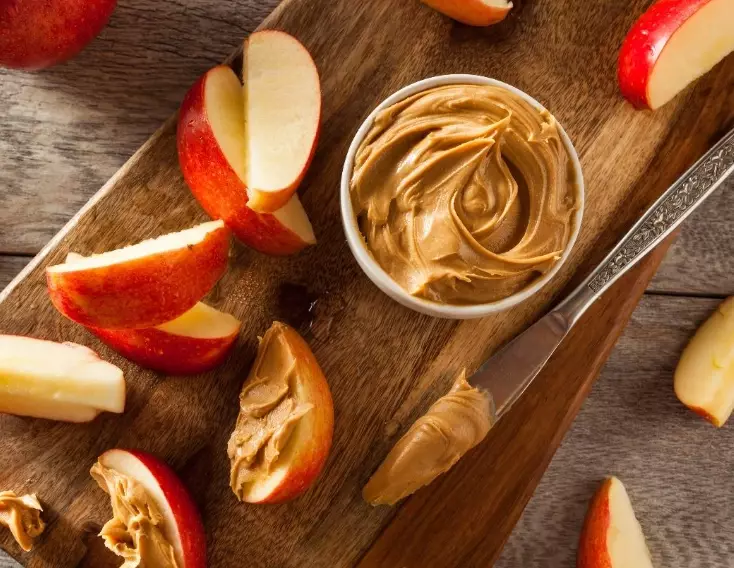
Your Peanut Butter Questions, Answered
Let's tackle the specific things people get stuck on.
Look, peanut butter is a kitchen staple for a reason. It's delicious, versatile, and nutritious. By understanding the real calorie story—not just the number, but the serving size, the brand differences, and the ingredient quality—you can make it work for your goals. Ditch the guesswork, grab a proper spoon or a scale, and enjoy every mindful bite.
Reader Comments