Let's talk about creamy peanut butter. That smooth, rich paste you probably have in your pantry right now. Most of us grew up with it, spreading it on toast or making a classic PB&J. But I've spent years working with ingredients as a recipe developer, and I'm here to tell you that creamy peanut butter is one of the most underrated and versatile staples in your kitchen. It's not just for lunchboxes. It's a tool for better snacks, quick sauces, and even solving common cooking problems. This guide will walk you through everything from picking the best jar to using it in ways you might not have considered.
What's Inside This Jar?
How to Pick the Right Jar (It's Not Just About Taste)
Walk down the aisle and you'll see dozens of options. The choice matters more than you think, depending on what you want to do with it.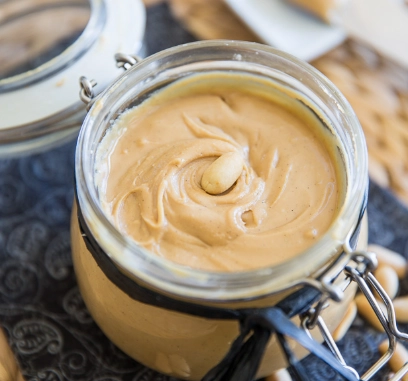
Here’s the breakdown most food blogs won't give you: the biggest divide is between natural and commercially stabilized peanut butter.
| Type | What's In It | Best For | Watch Out For |
|---|---|---|---|
| Natural Creamy | Just peanuts (and maybe salt). The oil separates on top. | Drizzling, healthy snacks, smoothies. When you want a pure peanut flavor. | You MUST stir it. Can get dry at the bottom. Not ideal for precise baking. |
| Stabilized (like Jif, Skippy) | Peanuts, sugar, salt, hydrogenated oils (emulsifiers). | Baking, spreading, sauces where consistent texture is key. | Added sugars and oils. The flavor is sweeter and less "roasty." |
| "No-Stir" Natural | Peanuts, salt, often palm fruit oil to prevent separation. | Convenience without fully committing to hydrogenated oils. | Check the type of added oil. Some use sustainable palm, others don't. |
My personal take? I keep two jars. One natural brand for everyday eating and smoothies (I'm loyal to the ones with just peanuts, salt). And one stabilized jar specifically for baking cookies. Using natural peanut butter in a cookie recipe is a common mistake—the separated oils can make your cookies spread into greasy puddles.
Creamy Peanut Butter Beyond the Sandwich
This is where the magic happens. That smooth texture is a blank canvas.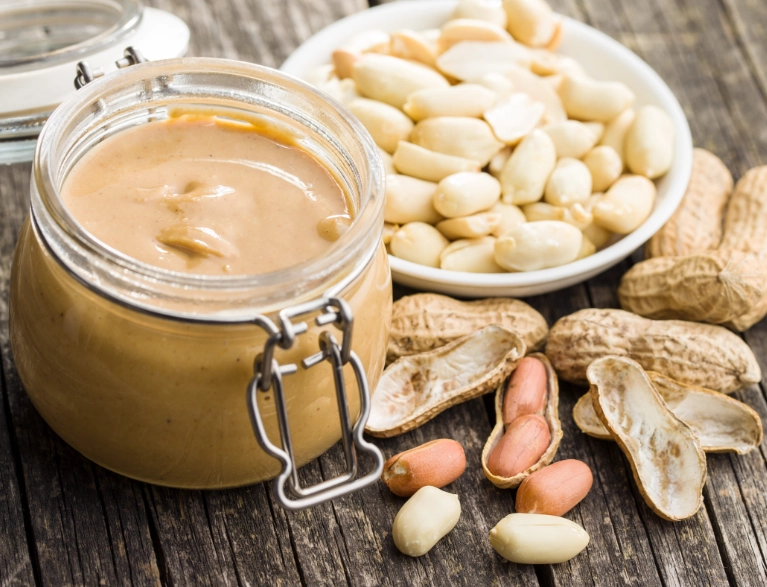
Your Secret Weapon for Quick Sauces & Dressings
Struggling to make a dressing that clings to your salad? Whisk a tablespoon of creamy peanut butter into your basic vinaigrette (olive oil, vinegar, a little honey). It emulsifies beautifully, creating a creamy, luxurious coating that sticks to every leaf of kale or spinach. It adds a nutty depth that makes a simple salad feel special.
For a lightning-fast satay or noodle sauce, combine ¼ cup peanut butter with 2 tbsp soy sauce, 1 tbsp lime juice, 1 clove of minced garlic, and a squirt of sriracha. Thin it out with warm water until it's pourable. You've just made a restaurant-quality sauce in under two minutes.
The Ultimate Healthy Snack Base
Apple slices and peanut butter is a classic for a reason. But let's upgrade it.
- Energy Bites: No bake required. Mix 1 cup rolled oats, ½ cup peanut butter, ⅓ cup honey, and a handful of chocolate chips or chopped nuts. Roll into balls. You have portable snacks for the week.
- "Nice" Cream: Blend a frozen banana with a big spoonful of peanut butter and a splash of milk. It makes a shockingly good, one-ingredient (plus PB) ice cream alternative.
- Greek Yogurt Bowl: Stir a spoonful into plain Greek yogurt along with some berries. The protein combo is incredibly satisfying and keeps you full for hours.
Two Simple Recipes to Start With
Let's get practical. Here are two foolproof ways to use your jar.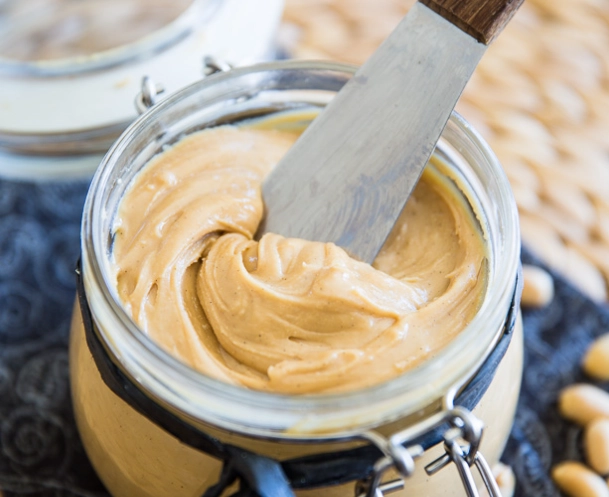
1. 5-Minute Peanut Butter Energy Balls
This is my go-to when I need a snack at 3 PM but don't want junk. You don't need exact measurements.
In a bowl, dump about a cup of old-fashioned oats. Add three big, heaping spoonfuls of creamy peanut butter. The natural kind works great here. Squeeze in some honey or maple syrup—start with two tablespoons. Throw in a handful of whatever you have: chia seeds, mini chocolate chips, chopped dried cranberries, or even a sprinkle of cinnamon.
Now get your hands in there and mix. If it's too dry and won't stick together, add more peanut butter or honey. If it's too sticky, add more oats. Roll into tablespoon-sized balls. That's it. No baking. Store them in the fridge. They're chewy, salty-sweet, and actually filling.
2. The Weeknight "Peanut Noodle" Sauce
You boiled some spaghetti or soba noodles. Now what? While the pasta cooks, make the sauce right in your serving bowl.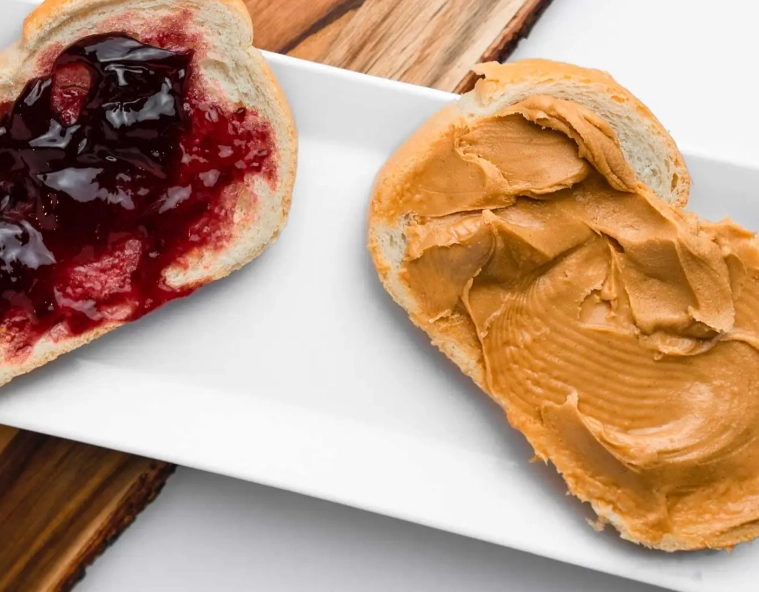
Combine ⅓ cup creamy peanut butter (any kind), 2 tablespoons soy sauce, 1 tablespoon rice vinegar, 1 teaspoon sesame oil, and a minced garlic clove. Grate in a little fresh ginger if you have it. Now, slowly whisk in about ¼ cup of the hot pasta water. This is the chef's trick—the starchy water loosens the peanut butter into a silky, clingy sauce. Toss with your hot noodles, add some chopped scallions and shredded carrot. Dinner is served in 15 minutes flat.
Common Problems, Solved
Solution: Store the new jar upside down for a day or two before opening. This lets the oil start permeating through. When you open it, stir from the bottom up with a strong knife or a dedicated butter knife. Don't use a spoon—you need leverage.
Problem: You only have crunchy peanut butter, but the recipe calls for creamy.
Solution: Pulse the crunchy peanut butter in a small food processor or blender for 30 seconds. It won't be perfectly smooth like the commercial stuff, but it'll work in a pinch for sauces or baking.
Problem: Your natural peanut butter keeps separating, even in the fridge.
Solution: After stirring, store it upside down in the refrigerator. The cold thickens the oils, and storing it upside down continually redistributes them as you use it. This little hack saved me from so many frustrating stir sessions.
Your Questions, Answered
Look at that jar in your cupboard with new eyes. It's not just a condiment. It's a shortcut to a better snack, a richer sauce, and a more satisfying meal. Start with one of the recipes above. You might just find creamy peanut butter becomes your most reliable kitchen helper.
Reader Comments