Let's cut to the chase: if you've ever ended up with grainy, too-hard, or just plain weird peanut butter fudge, this recipe will change that. Using marshmallow creme isn't a cheat—it's the secret to creamy, no-fail fudge that sets perfectly every time. I've made this for years, and it's the one dessert people always ask me to bring to parties.
What's Inside This Guide
What You'll Need: Ingredients and Tools
First things first, gather your stuff. I learned the hard way that rushing this step leads to messes. Here's the breakdown.
Essential Ingredients
You don't need fancy items. For a standard 8x8 inch pan, which yields about 64 small squares, use:
- Granulated sugar – 2 cups. Yes, it's a lot, but fudge is a candy.
- Evaporated milk – ¾ cup. Not condensed milk—that's sweeter and thicker. I once used condensed milk by accident, and the fudge was overly sweet and didn't set right.
- Marshmallow creme – 1 jar (about 7 oz). Look for brands like Kraft Jet-Puffed. The creme should be smooth, not stiff.
- Peanut butter – 1 cup. Creamy works best; crunchy can make the texture uneven. I prefer Skippy or Jif for consistency.
- Butter – ¼ cup. Unsalted, so you control the saltiness.
- Vanilla extract – 1 teaspoon. Pure extract, not imitation, for better flavor.
Optional Add-ins
Want to jazz it up? Try these:
- Chocolate chips – ½ cup, stirred in at the end.
- Sea salt – a sprinkle on top before setting.
- Chopped nuts – like walnuts or peanuts, for crunch.
Tools You Can't Skip
A heavy-bottomed saucepan (to prevent burning), a candy thermometer (non-negotiable for beginners), a wooden spoon (metal can react), and an 8x8 inch pan lined with parchment paper. Don't use wax paper—it sticks.
Step-by-Step Instructions for Perfect Fudge
Follow this closely. Fudge making is part science, part patience.
Preparing Your Pan
Line the pan with parchment paper, leaving overhangs on two sides. This makes removal a breeze. Lightly grease it with butter. I forgot once and had to chisel the fudge out—not fun.
Cooking the Fudge Base
In the saucepan, combine sugar and evaporated milk. Stir over medium heat until the sugar dissolves completely. This takes about 5 minutes. If you see undissolved sugar crystals, keep stirring—they'll cause graininess later.
Once dissolved, stop stirring. Bring to a boil and attach the candy thermometer. Heat to 235°F (soft-ball stage). This usually takes 10-15 minutes. Don't walk away; the temperature climbs fast near the end.
Adding the Marshmallow Creme and Peanut Butter
Remove from heat immediately at 235°F. Add butter, marshmallow creme, peanut butter, and vanilla. Stir vigorously until smooth and well combined. This is where the magic happens—the mixture will thicken slightly. Use a wooden spoon to avoid scraping the pan too hard.
Setting and Cutting
Pour into the prepared pan. Smooth the top with a spatula. Let it cool at room temperature for 2 hours, then refrigerate for another hour to firm up. Don't rush this; cutting too early leads to crumbles.
Lift out using the parchment overhangs. Cut into 1-inch squares with a sharp knife. Wipe the knife clean between cuts for neat edges.
Common Mistakes and How to Avoid Them
I've made every mistake possible. Here's the quick fix list:
Mistake: Fudge turns grainy or sugary.
Why: Over-stirring after boiling causes sugar crystals to form.
Fix: Stir only until sugar dissolves, then leave it alone until it reaches 235°F.
Mistake: Fudge is too soft or doesn't set.
Why: Undercooking; you didn't reach 235°F.
Fix: Use a candy thermometer; don't rely on guesswork.
Mistake: Burnt bottom or bitter taste.
Why: High heat or cheap pan.
Fix: Use medium heat and a heavy-bottomed saucepan.
If your fudge fails, don't toss it—crumble it over ice cream or use it as a sweetener in other desserts.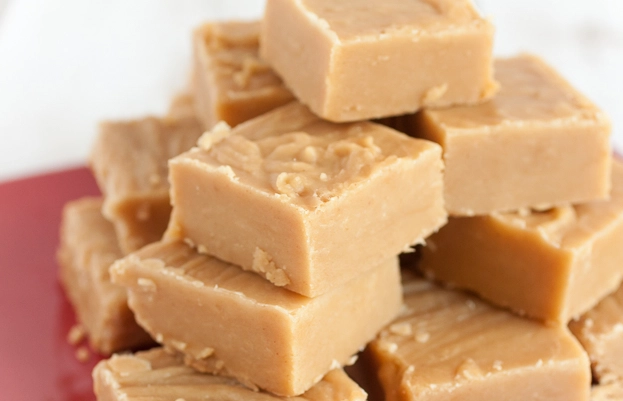
Expert Tips for Customizing Your Fudge
Once you master the base, get creative. Here are my go-to variations:
| Variation | How to Do It | Best For |
|---|---|---|
| Chocolate Swirl | Melt ½ cup chocolate chips, drizzle over fudge before setting, then swirl with a knife. | Chocolate lovers; adds visual appeal. |
| Nutty Crunch | Fold in ½ cup chopped peanuts or almonds after mixing. | Texture seekers; balances creaminess. |
| Sea Salt Topping | Sprinkle flaky sea salt on top right after pouring. | Gourmet touch; enhances sweetness. |
Storage is key. Keep fudge in an airtight container at room temperature for up to 2 weeks. If it's humid, refrigerate to prevent stickiness. Freeze for longer storage—wrap pieces individually in parchment paper.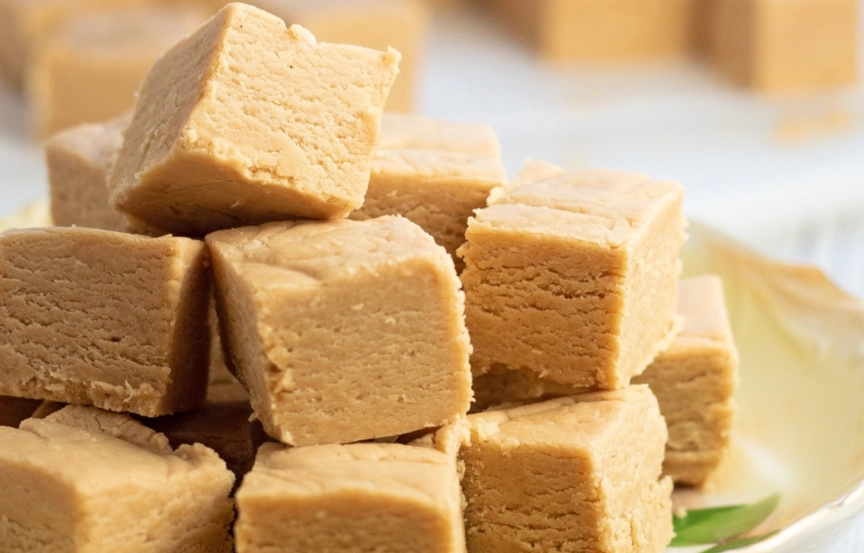
FAQ: Your Questions Answered
That's it. Give this recipe a shot, and you'll have foolproof fudge that impresses every time. Trust me, once you get it right, you'll never go back to store-bought.
Reader Comments