Your Smoothie Roadmap
- Why a High Protein Peanut Butter Smoothie is a Game-Changer
- The Non-Negotiable Foundation: Your Core Recipe
- Choosing Your Weapons: The Ingredient Deep Dive
- Next-Level Customization: Make It Yours
- Solving Your Smoothie Problems (The FAQ You Actually Need)
- When to Drink It: Timing is (Almost) Everything
- The Final Blend: Putting It All Together
Let's be honest. Most protein shakes taste like chalky disappointment. You drink them because you have to, not because you want to. I've been there, staring into a shaker bottle with a sense of duty rather than desire. That all changed when I stopped forcing down pre-made powders and started building my shakes around real food. And what's more real, more comforting, and frankly, more delicious than peanut butter?
This isn't just another recipe. This is a complete system for making a high protein peanut butter smoothie that you'll actually crave. We're talking about a drink that feels like a treat but fuels your body like a champion. Whether you're rushing out the door in the morning, needing something substantial after a workout, or just fighting off that 3 PM slump, this guide has you covered. I've made all the mistakes so you don't have to (trust me, watery smoothies are a sad affair), and I'm here to walk you through every single step, ingredient choice, and troubleshooting tip.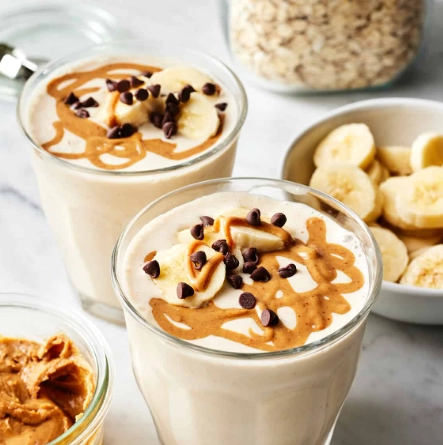
Why a High Protein Peanut Butter Smoothie is a Game-Changer
You might be wondering, why go through the trouble? Can't I just eat a sandwich? Sure, you could. But the beauty of a high protein peanut butter smoothie lies in its efficiency and versatility. Think of it as nutritional multitasking at its finest.
First, let's talk protein. Protein is the building block for muscle repair, it keeps you feeling full longer, and it helps stabilize your blood sugar. Combining a high-quality protein source with the healthy fats and fiber from peanut butter creates a powerful satiety duo. It's a meal that sticks with you. According to the Harvard T.H. Chan School of Public Health, incorporating adequate protein into your diet supports muscle health and can be beneficial for weight management. A smoothie is one of the easiest ways to hit that target without feeling like you're stuffing yourself.
Then there's the peanut butter factor. Good peanut butter (and we'll get to what 'good' means in a second) brings more than just flavor. It provides heart-healthy monounsaturated fats, a bit of fiber, and essential nutrients like magnesium and vitamin E. The U.S. Department of Agriculture's FoodData Central shows that a two-tablespoon serving of peanut butter packs about 7-8 grams of protein and 2 grams of fiber. It's a nutrient-dense foundation.
But here's my personal take: the real magic is psychological. When your healthy option tastes this good—creamy, rich, slightly sweet—it doesn't feel like a sacrifice. You're not white-knuckling your way through a diet. You're enjoying a delicious drink that also happens to be fantastic for you. That's a sustainable habit.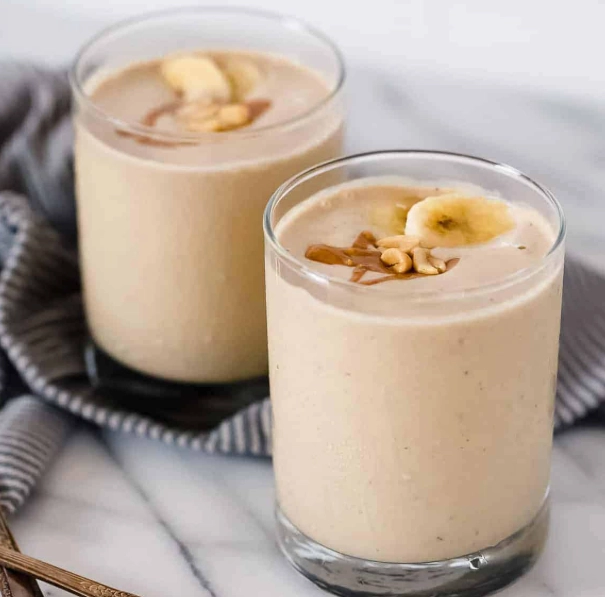
The Non-Negotiable Foundation: Your Core Recipe
Alright, let's get practical. This is my go-to, no-fail blueprint. I've tweaked this ratio over hundreds of blends to find the perfect balance between thickness, flavor, and drinkability. Memorize this base, and you can innovate forever.
The Ultimate Base Recipe
- Liquid (1 to 1.5 cups): Unsweetened almond milk or oat milk. Start with 1 cup, you can always add more.
- Protein (1 scoop or serving): 20-30g of vanilla or unflavored protein powder. Whey, pea, or brown rice protein all work.
- Peanut Butter (2 tablespoons): Creamy, natural peanut butter with just peanuts (and salt). This is non-negotiable for the right texture.
- Banana (1 medium, frozen): The secret weapon for creamy sweetness without added sugar. Must be frozen.
- Handful of Spinach (optional): You won't taste it, I promise. It adds nutrients and a vibrant color.
Method: Add liquid to the blender first, then protein powder, then peanut butter, then frozen banana and spinach. Blend on high for 45-60 seconds until completely smooth and creamy.
See? Simple. But the devil (and the delight) is in the details. Using a frozen banana instead of ice is the single biggest tip I can give you. Ice waters things down. A frozen banana chills the smoothie while making it luxuriously thick, almost like a milkshake. It’s a complete game-changer for your high protein peanut butter smoothie experience.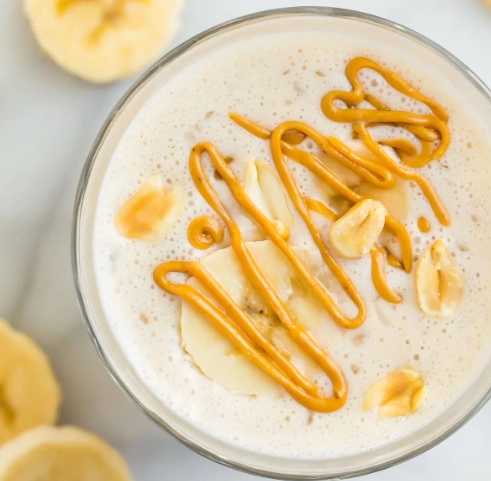
Don't have a frozen banana? Okay, fine. Use a fresh one and add 3-4 ice cubes. But it won't be as good. Just saying.
Choosing Your Weapons: The Ingredient Deep Dive
This is where most blogs just list options. I want to tell you what actually works, what's overrated, and what can ruin your drink. Let's break down each component.
The Protein Powder Dilemma
This choice can make or break your high protein peanut butter smoothie. The wrong powder turns it into a gritty, artificial-tasting mess.
- Whey Protein Isolate: My top pick for most people. It mixes incredibly smoothly, has a neutral flavor, and is absorbed quickly. Perfect for post-workout. If you're dairy-sensitive, avoid it.
- Plant-Based Blends (Pea, Brown Rice, Hemp): Fantastic for dairy-free folks. The texture can be slightly grainier, but a powerful blender fixes that. Look for a blend that includes a digestive enzyme blend—it helps. Some brands have a strong earthy taste that can clash with peanut butter, so vanilla-flavored is safer.
- Collagen Peptides: Great for skin and joints, but it's not a complete protein. It dissolves completely and is flavorless, so it won't alter your taste. I sometimes add a scoop on top of my regular protein for an extra boost.
Peanut Butter: The Heart of the Matter
Not all peanut butter is created equal. The standard jar with added sugar and hydrogenated oils will work, but it's a downgrade. You want the kind where the oil separates and you have to stir it. Yes, it's a bit messy. Yes, it's worth it.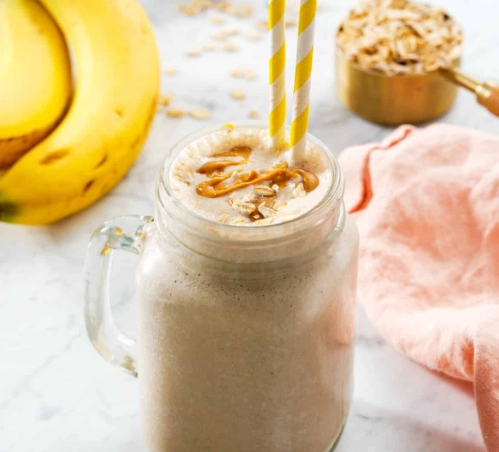
Natural peanut butter has a cleaner, more intense peanut flavor and lacks the weird stabilizers. The oil can make the smoothie a bit richer, which I love. If you're using it, make sure it's well-stirred before you scoop. For a lower-fat option, powdered peanut butter (like PB2) is a legit substitute. You reconstitute it with water or just add the powder directly. It slashes the calories and fat while keeping the flavor, though you lose some of that creamy mouthfeel. I use it when I'm in a calorie-cutting phase.
Liquids: More Than Just Water
Your liquid base sets the stage. Water is… fine. It's boring, but fine. Milk (dairy or soy) adds creaminess and more protein. But my favorites are unsweetened almond milk or oat milk. They're light, have a subtle flavor that complements the peanut butter, and keep the calories in check. Coconut water can be nice for extra electrolytes, but it adds a distinct tropical sweetness that doesn't always pair perfectly with peanut butter in my opinion. Try it and see what you think.
Next-Level Customization: Make It Yours
Once you've mastered the base, the world is your oyster. Or your smoothie. Here’s where you can tailor your high protein peanut butter smoothie to your specific goals, cravings, or whatever you have left in the pantry.
For Flavor Adventures:
- Chocolate Lover: Add 1 tbsp unsweetened cocoa powder and use chocolate protein powder. It's like a healthy Reese's cup.
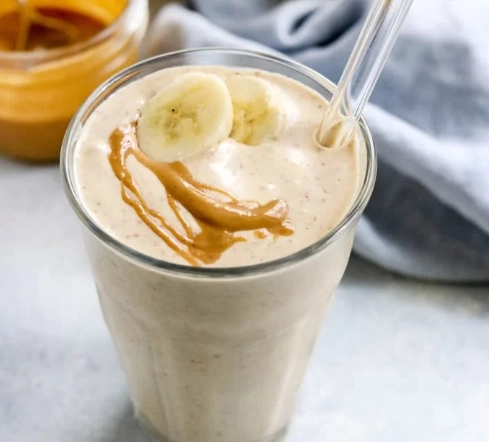
- Coffee Boost: Replace ½ cup of your milk with cold brew coffee. Incredible for a morning pick-me-up.
- “Snickerdoodle”: Add ¼ tsp cinnamon and a tiny pinch of nutmeg. Sounds weird, tastes like dessert.
- Berry Twist: Add ½ cup frozen blueberries or raspberries. The tart berries cut through the richness beautifully.
For Texture & Fullness:
- Extra Thick (Smoothie Bowl Style): Use only ¾ cup liquid and add ¼ cup rolled oats or ⅓ cup Greek yogurt. You'll need a spoon.
- Fiber & Omega Boost: Add 1 tbsp ground flaxseed or chia seeds. Let the blender run a bit longer to fully incorporate them.
To make choosing easier, here’s a quick-reference table for common add-ins and what they do:
| Add-In | Amount | What It Does | Best For |
|---|---|---|---|
| Greek Yogurt | 1/2 cup | Adds creaminess, tang, and extra protein (up to 12g). | Making the smoothie thicker and more filling. |
| Rolled Oats | 1/4 cup (dry) | Adds complex carbs and fiber for sustained energy. | A meal-replacement breakfast smoothie. |
| Spinach or Kale | Big handful | Packs in vitamins/minerals with minimal flavor impact. | Sneaking greens into your day. |
| Cocoa Powder | 1 tbsp | Adds rich chocolate flavor and antioxidants. | Satisfying a dessert craving healthily. |
| Chia Seeds | 1 tsp | Adds fiber, omega-3s, and creates a thicker texture. | Boosting nutritional density. |
Solving Your Smoothie Problems (The FAQ You Actually Need)
I've gotten a ton of questions over the years. These are the real ones people ask when their blend goes wrong.
Why is my smoothie so watery?
You probably used too much liquid or not enough frozen ingredients. Remember the frozen banana rule! Also, add ice after you've blended your other ingredients to check consistency. You can always add more, you can't take it out.
Why is it so thick I can't drink it?
Welcome to my world. This happens when you get over-enthusiastic with peanut butter or frozen fruit. Just add more liquid, a tablespoon at a time, with the blender running on low until it reaches your preferred consistency. A splash of milk fixes everything.
My protein powder won't blend and it's clumpy!
This is usually an order-of-operations error. Always put your liquid in the blender first, then add the protein powder on top before adding heavier items like peanut butter and banana. This lets the powder submerge and incorporate immediately. A blender with a tamper helps, but the liquid-first method is 90% of the battle.
Can I make a high protein peanut butter smoothie without protein powder?
Absolutely. The protein just won't be as high. Rely on Greek yogurt (½ cup adds ~12g), a bit more peanut butter, or even some silken tofu (it's flavorless, I swear!). It'll be a different, but still delicious and satisfying, drink.
How do I store it? Does it keep?
It's best fresh. But if you must, pour it into a sealed jar or bottle, leaving minimal air at the top, and refrigerate for up to 24 hours. It will separate—just shake it vigorously before drinking. The texture suffers a bit, but it's okay in a pinch. I don't recommend freezing the blended smoothie; the texture becomes weird and icy.
When to Drink It: Timing is (Almost) Everything
This high protein peanut butter smoothie is versatile, but when you drink it can change how you experience it.
As a Breakfast: Perfect. The combo of protein, fat, and carbs provides steady energy without a mid-morning crash. Add those oats for staying power.
Pre-Workout (1-2 hours before): I'd go lighter here. Maybe use half a banana and less peanut butter to avoid feeling too full. You want fuel, not a brick in your stomach.
Post-Workout (within 30-60 minutes after): This is its sweet spot. Your muscles are craving protein and carbs for recovery. The banana provides quick carbs to replenish glycogen, and the protein powder gets to work on repair. This is when I enjoy my high protein peanut butter smoothie the most—it feels earned and utterly satisfying.
As a Snack: Totally fine. Halve the recipe if you're watching calories, or just enjoy the whole thing as a substantial afternoon pick-me-up to avoid unhealthy vending machine trips.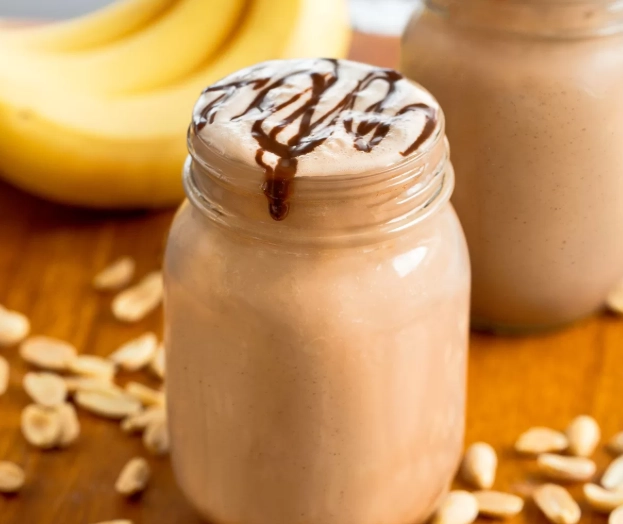
The Final Blend: Putting It All Together
Look, at the end of the day, a high protein peanut butter smoothie is supposed to make your life easier and tastier, not more complicated. Start with the core recipe. Make it three times. Get the feel for it. Notice how the frozen banana creates that perfect thickness. Taste how the natural peanut butter shines through.
Then, start playing. Toss in a handful of spinach. No? Try some cocoa powder. Want it to keep you full all morning? That's when you throw in the oats.
The goal is to create a habit that doesn't feel like a chore. For me, whipping up this smoothie is a 5-minute ritual that sets me up for a good day. It's reliable, delicious, and it works. I've served versions of this to skeptical friends who now swear by it. That's the real test.
So, grab your blender. It's time to make a drink that's actually worth drinking.
Reader Comments