Let's cut to the chase. A standard scoop—meaning a level tablespoon (about 16 grams)—of most peanut butters packs between 90 and 100 calories. But that number is a mirage if you don't understand what's behind it. I've spent years tracking macros and coaching people through their nutrition, and the single biggest mistake I see with calorie-dense foods like peanut butter isn't eating it; it's measuring it wrong. That innocent-looking heaped spoonful can easily double the calorie count, turning a healthy snack into a calorie bomb that derails your goals.
What's Inside: Your Quick Guide
What Exactly is a “Scoop” of Peanut Butter?
This is where everything starts. In nutrition, a "scoop" is almost always a level tablespoon. Not a heaping one, not a rounded one. Level. The official serving size for peanut butter, according to the USDA FoodData Central database, is 16 grams, which translates to one level tablespoon.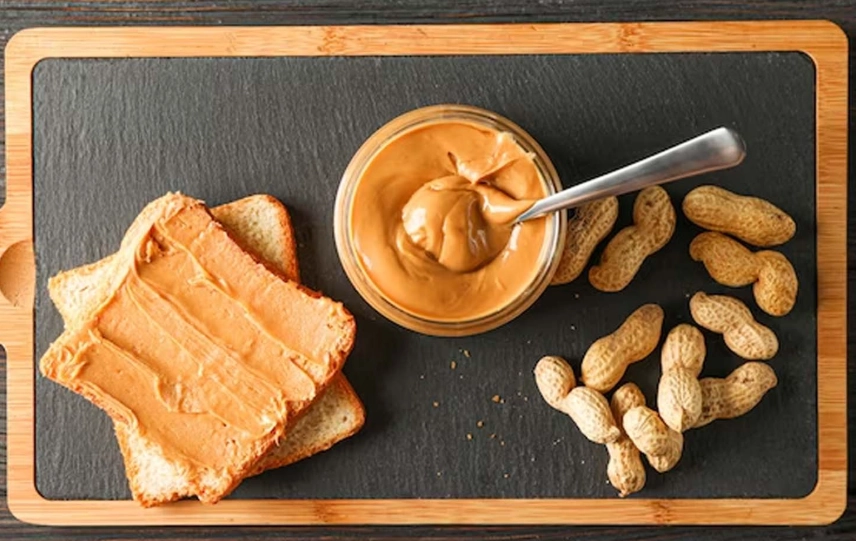
But here's the non-consensus part everyone misses: the volume-to-weight ratio is tricky. Because peanut butter is dense and sticky, a visual "tablespoon" can weigh anywhere from 14 to 22 grams depending on how you scoop it. That's a potential 50-calorie swing before you've even taken a bite. Relying on the spoon that comes in the jar or just digging in with a knife is a recipe for inconsistent tracking.
The Calorie Breakdown: Creamy, Crunchy, and Natural
All peanut butter gets its calories from three main components: fat, protein, and carbohydrates. The exact mix—and therefore the calorie count per gram—varies slightly based on the type and brand. Let's get specific.
| Peanut Butter Type | Calories per Tbsp (16g) | Calories per 100g | Key Notes |
|---|---|---|---|
| Commercial Creamy (e.g., Jif, Skippy) | ~95 kcal | ~590 kcal | Contains added sugars, hydrogenated oils for stability. Consistent texture. |
| Commercial Crunchy | ~95 kcal | ~590 kcal | Calorie count is identical to creamy. The peanut pieces add minimal extra weight/volume. |
| "Natural" Creamy (Stirred) | ~96 kcal | ~600 kcal | Just peanuts and salt. Oil separation is normal. Slightly higher fat content can mean 1-2 more calories per spoon. |
| Powdered Peanut Butter (e.g., PB2) | ~45 kcal* | ~350 kcal | *When reconstituted to a paste-like consistency with water. Fat is significantly reduced. |
See the pattern? The mainstream varieties are nearly identical. The major difference between a scoop of creamy and crunchy peanut butter calories is effectively zero. The real divergence is in the ingredients list, not the calorie label.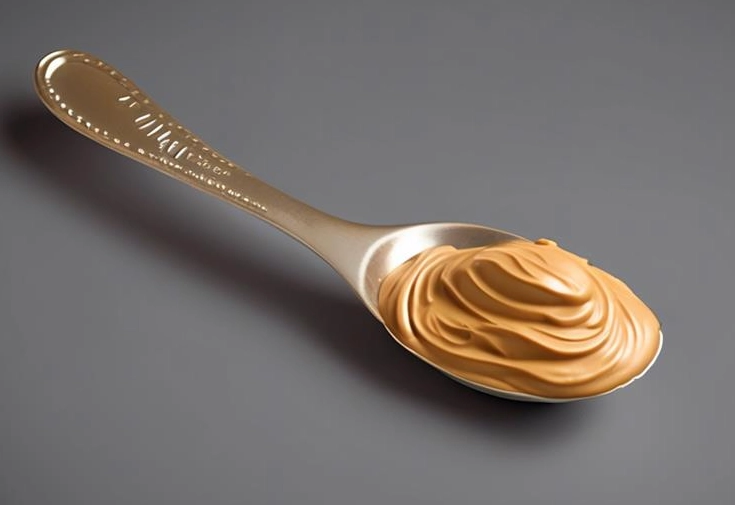
Natural peanut butter often gets a "health halo," but per scoop, it's just as calorie-dense. I've had clients who switched to natural, felt virtuous, and started using more—ending up consuming more calories than before. The health benefit is in the absence of added sugar and trans fats, not in a lower calorie count.
Why "Low-Fat" Peanut Butter is a Trap
You might find older varieties labeled "low-fat." To compensate for removing fat (which carries flavor), manufacturers often add more sugar or fillers. The result? The calories per scoop might drop only slightly, from 95 to maybe 85, but you're trading healthy unsaturated fats for refined carbs. It's rarely a worthwhile swap for your health or satiety.
How to Measure Peanut Butter Accurately (Every Time)
This is the practical skill that makes or breaks your diet. Here’s my field-tested method, born from years of messy jars and inaccurate logs.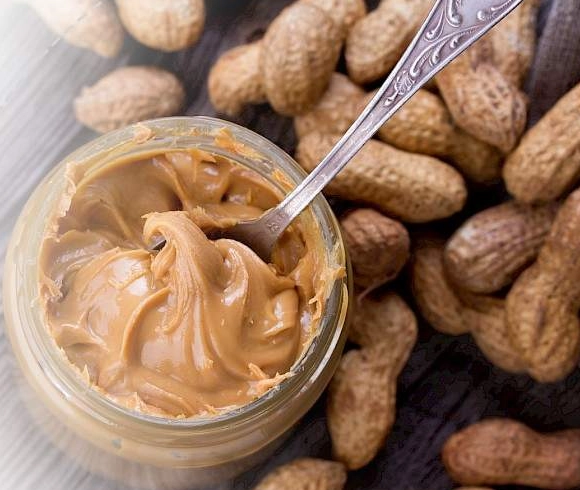
The Scale Method (Most Accurate):
- Place your bowl, plate, or bread slice on the kitchen scale.
- Tare the scale to zero.
- Using a spoon or knife, directly add peanut butter to the vessel until the scale reads 16g (or your desired serving).
- No mess, no sticky measuring spoons to clean, perfect accuracy.
This method completely bypasses the issue of the peanut butter sticking to the spoon. You count only what lands on your food.
The Displacement Trick (No Scale): If you absolutely don't have a scale, here's a decent workaround. Take two tablespoons of water. Add peanut butter to one spoon until it fully displaces and pushes out all the water. That's roughly one level tablespoon by volume. It's fussy, but better than guessing.
What about those "perfect portion" spoons sold online? They're okay for visual guidance, but they still suffer from the stickiness problem. A scale is a one-time $15 investment that saves you hundreds of calories of guesswork per week.
I learned this the hard way early in my fitness journey. I was meticulously tracking "2 tbsp" of peanut butter in my oatmeal every morning, using a measuring spoon. After a month with no progress, I weighed what my "2 tbsp" actually was. It was 42 grams—over 2.5 servings and 250 calories instead of the 190 I thought I was eating. That small error was enough to stall weight loss completely.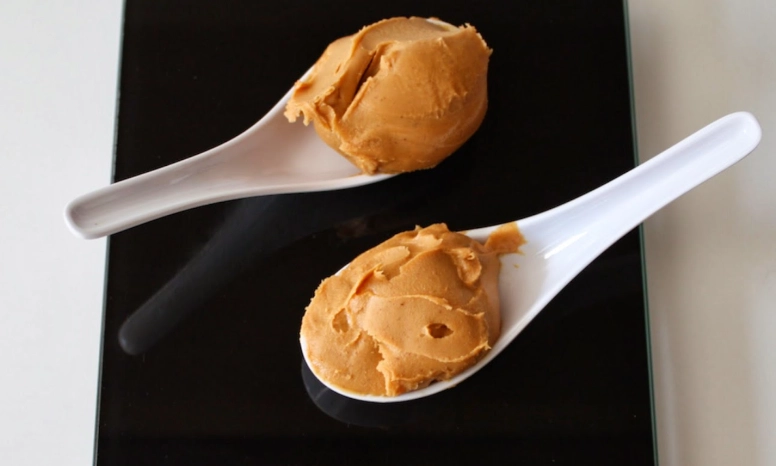
Is Peanut Butter Good for Weight Loss or Weight Gain?
It's excellent for both, which sounds contradictory. It's all about context and control.
For Weight Loss: Peanut butter is a powerhouse for satiety. Its combo of protein, fiber, and fat digests slowly, keeping you full. The key is strict portion control. One measured serving (16g) is a tool. It adds flavor, nutrients, and satisfaction to otherwise plain foods—think celery sticks, apple slices, or a small whole-wheat cracker. It prevents feeling deprived. But it's a terrible choice for mindless eating. Sitting with the jar and a spoon is a guaranteed way to consume 500+ calories in minutes.
For Weight or Muscle Gain: Here, its calorie density is an asset. Adding a scoop or two to a smoothie, oatmeal, or on top of toast is an easy, palatable way to bump up your daily calories with healthy fats and protein. For someone struggling to eat enough, peanut butter can be a valuable ally.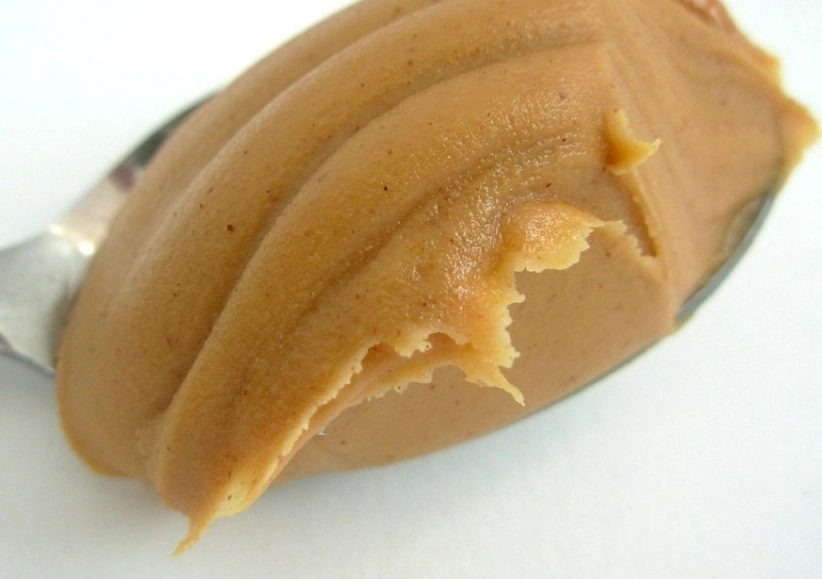
The research, like a review published in the Journal of Nutrition and Metabolism, supports that regular nut consumption is linked to better weight management, not weight gain, likely due to increased fullness. But this assumes the nuts (or nut butter) replace other calories in your diet, not just get added on top.
The "Two-Spoon" Rule for Mindful Eating
My personal rule to avoid overdoing it: I never eat peanut butter directly from a container larger than a single-serve packet. At home, if I want some, I measure out my one or two servings into a small bowl and put the jar away. The physical barrier of having to reopen the jar and get another spoon stops the unconscious extra bites that add up.
Your Peanut Butter Calories Questions, Answered
So, the final word on a scoop of peanut butter calories? It's about 95. But that number is useless without the skill to measure it and the wisdom to use it. Ditch the guesswork, embrace the scale, and let peanut butter be the satisfying, nutrient-rich food it's meant to be in your diet.
Reader Comments