Your Quick Guide
Let's be honest. Most of us grab a jar of peanut butter without giving the ingredients list more than a passing glance. We see "peanuts" at the top and assume the rest is just details. I used to do the same thing. Then one day, standing in the grocery aisle trying to choose between ten different brands, I actually read the labels. It was eye-opening. The ingredients in peanut butter can tell you a lot about what you're eating—from the super simple to the surprisingly complex.
This isn't about fear-mongering. It's about understanding. Knowing what each ingredient does, why it's there, and how it might affect your health is the key to making a choice you feel good about. Whether you're a crunchy or creamy loyalist, a health nut, or just someone who loves a good PB&J, this deep dive into the ingredients in peanut butter is for you.
The Core Ingredients: It Starts (and Sometimes Ends) with Peanuts
This seems obvious, but not all peanuts are created equal. The type and quality of peanuts used are the foundation of the final product. Most commercial peanut butters use runner-type peanuts, which are known for their uniform size and good flavor profile. But the real story begins after the peanuts are harvested and roasted. That roasting process is crucial—it develops the rich, nutty flavor we all love. Some cheaper brands might skimp on roasting time or temperature, which can lead to a blander taste.
Once roasted, the peanuts are ground. This is where the magic—and the science—really happens. Ground peanuts naturally release their oils. In a truly natural peanut butter, that's it. Ground roasted peanuts. That single ingredient creates a product that's wholesome but has a quirk: the oil separates and rises to the top, requiring a good stir. For many people, that separation is a sign of purity. For others, it's just a messy inconvenience. This is the first major fork in the road for manufacturers and consumers alike.
The Common Additions: Sugar, Oils, and Stabilizers
This is where the ingredient lists start to lengthen. Most conventional, mass-market peanut butters add more than just peanuts. Let's break down the usual suspects you'll find when you scrutinize the ingredients in peanut butter.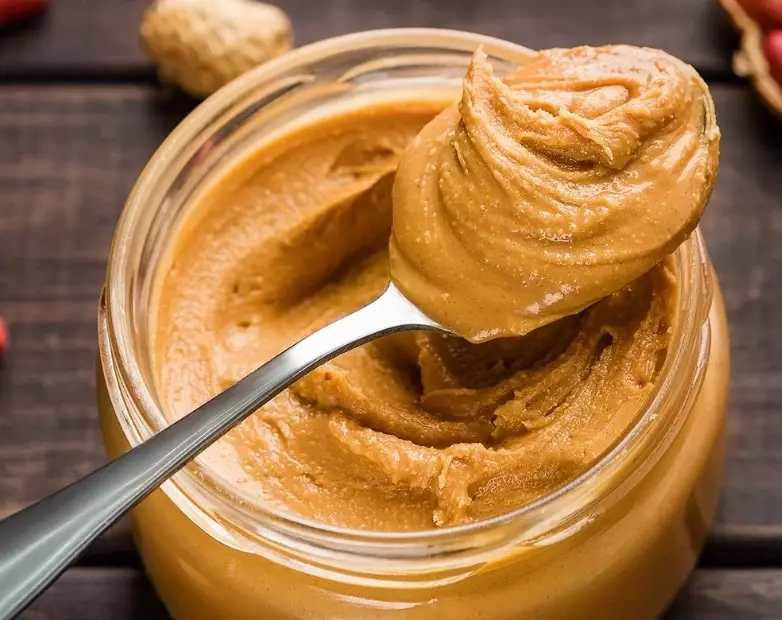
Added Sweeteners
Sugar, or some form of it, is in a huge number of jars. It's not just about making it sweet; it balances the natural slight bitterness of peanuts and enhances the overall flavor profile that many kids (and adults) have come to expect. But the type of sugar matters.
- Sugar (Sucrose): The most common. Just plain old granulated sugar.
- Corn Syrup Solids or High-Fructose Corn Syrup (HFCS): A cheaper sweetener that also helps retain moisture. I personally avoid these when I can. They're a highly processed form of sugar that adds empty calories without any nutritional benefit.
- Molasses or Honey: Sometimes used in "natural" style brands to add a different flavor note and a touch of sweetness without using refined sugar.
The amount of added sugar can vary wildly. Some brands have a teaspoon or less per serving, while others can have several grams. It adds up quickly if you eat a lot of it.
Added Oils and Fats
This one trips people up. Peanuts have plenty of their own oil, so why add more? The answer usually comes down to texture, cost, and prevention of separation.
- Hydrogenated Vegetable Oils (Cottonseed, Soybean, Rapeseed): This is the big one. Partially hydrogenated oils were once the standard for creating a creamy, spreadable texture that never separates. However, they are a source of artificial trans fats, which are terrible for heart health. Due to FDA regulations, most major brands have now removed partially hydrogenated oils. But you still need to check labels, especially on store brands or older stock. Fully hydrogenated oils don't contain trans fats but are still a highly processed additive.
- Palm Oil: A common replacement for hydrogenated oils. It's semi-solid at room temperature, so it stabilizes the peanut butter and prevents oil separation without creating trans fats. The downside? There are major environmental concerns about unsustainable palm oil production leading to deforestation. Some brands now specifically source sustainable palm oil.
Emulsifiers and Stabilizers
These are the ingredients that keep everything homogenous. The most common one is a wonder-ingredient called mono- and diglycerides. These are fats that help blend the peanut solids with the oils, preventing separation and creating that perfectly smooth, spreadable texture straight from the fridge. They're generally recognized as safe, but they're another sign of a highly processed food product. In a simple peanut butter, you won't find them.
The Salt Shaker Debate
Salt is in almost every peanut butter, even many "natural" ones. A little salt enhances the flavor of the peanuts tremendously. The difference is in the amount. Some conventional brands can have over 150mg of sodium per two-tablespoon serving, while others (especially unsalted varieties) may have 0mg. If you're watching your sodium intake, this is a key line to check on the nutrition panel, not just the ingredient list.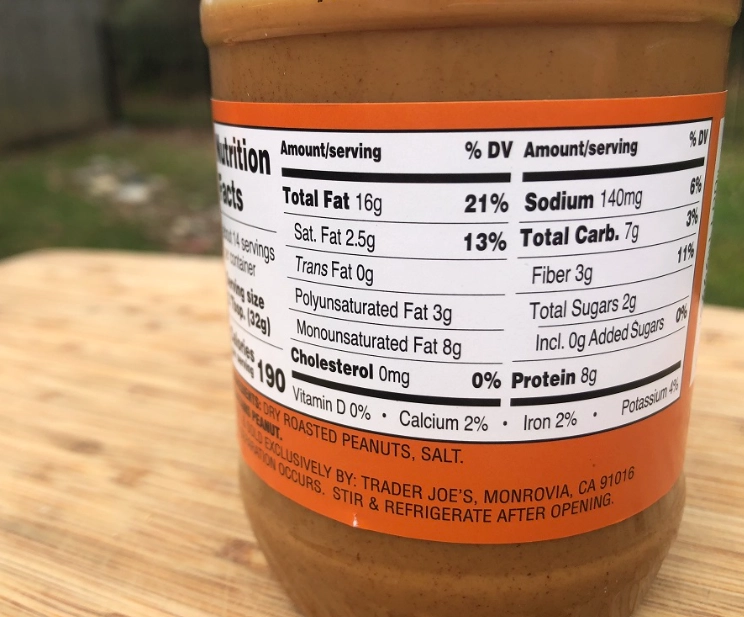
Side-by-Side: Comparing Common Ingredient Lists
Let's look at how these ingredients play out in real jars. This table shows you the spectrum of what's out there.
| Type of Peanut Butter | Typical Ingredients List | What It Tells You |
|---|---|---|
| "Natural" (No-Stir) | Peanuts, Palm Oil, Sugar, Salt | The palm oil prevents separation. Contains added sugar and salt for mainstream taste. |
| "Natural" (Oil-Separates) | Peanuts, Salt | The purest form. Just ground peanuts and maybe salt. You have to stir it. |
| Conventional Creamy | Roasted Peanuts, Sugar, Hydrogenated Vegetable Oil (Cottonseed, Soybean, and Rapeseed Oils), Salt, Mono- and Diglycerides. | Classic supermarket style. Hydrogenated oils for texture, emulsifiers, and added sugar. Check if oils are *partially* hydrogenated. |
| "Healthy" Brand Alternative | Organic Peanuts, Organic Palm Fruit Oil, Organic Cane Sugar, Sea Salt. | Uses organic ingredients and sustainable palm oil, but still includes added oil and sugar for convenience and taste. |
| The Simplest | Peanuts | Nothing added. Just 100% peanuts. The texture may be thicker and the flavor more intensely peanutty. |
How to Choose: Decoding the Label for Your Needs
So with all these options, how do you pick? It depends entirely on your priorities. Here's my practical approach.
First, look at the order. Ingredients are listed by weight. Peanuts should be first. If sugar or an oil is listed before peanuts, put it back. That's not peanut butter; it's peanut-flavored frosting.
Second, check the length. The shorter the list, the less processed it generally is. My personal rule of thumb? I try to stick to jars with five ingredients or fewer. Peanuts, salt, maybe a touch of sugar or another oil. Once I see mono- and diglycerides, corn syrup solids, and multiple types of hydrogenated oils, I know it's a highly formulated product.
Third, match it to your lifestyle. Are you feeding kids who are picky about texture and taste? A slightly sweetened, stabilized brand might get them to eat it without a fight, and that's a win. The American Academy of Pediatrics notes that peanut butter can be a good source of protein and healthy fats for children, but watching added sugar is wise. Are you managing heart health? Prioritize options with no hydrogenated oils (to avoid trans fats) and lower sodium. The American Heart Association recommends limiting added sugars and avoiding trans fats, which directly informs a good peanut butter choice. Just trying to eat cleaner? Go for the one or two-ingredient jar. Yes, you have to stir it. Yes, it might be a bit drippy. But you know exactly what you're getting.
I made the switch to a peanuts-and-salt-only brand a few years ago. The first few bites tasted different—less sweet, more intense. But after a week, I couldn't go back. The conventional stuff tasted like candy to me. That's just my palate, though.
Answering Your Peanut Butter Ingredient Questions
Let's tackle some of the specific questions people have when they search for information on ingredients in peanut butter.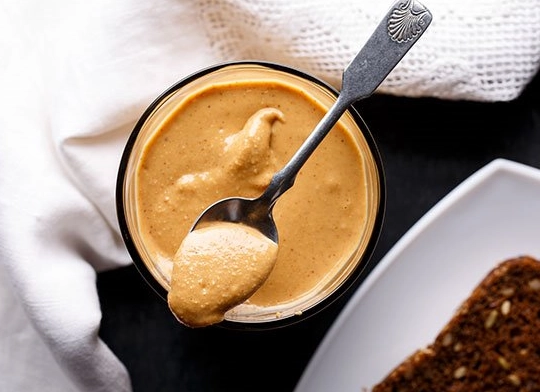
The Bottom Line on Peanut Butter Ingredients
At the end of the day, peanut butter is a simple food that has been made complicated by our desire for convenience, shelf-stability, and a specific sweet, creamy taste. There's no single "best" choice for everyone. The best peanut butter for you is the one that aligns with your health goals, your taste preferences, and your budget.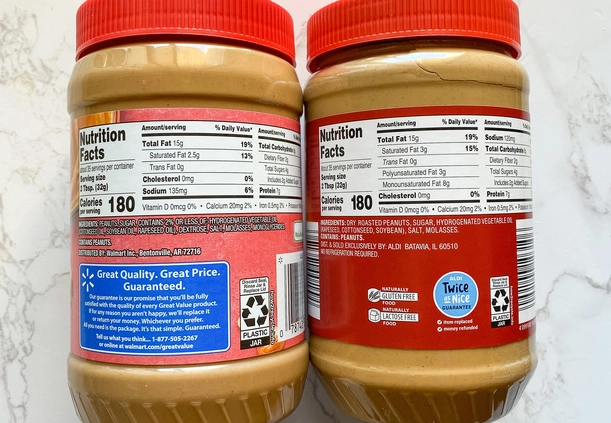
If you want maximum control and purity, seek out the short list: just peanuts. Embrace the stir. If you need a no-fuss, no-separate spread that your whole family will eat, look for brands that use simple stabilizers like sustainable palm oil and have a reasonable amount of added sugar. Try to avoid the ghosts of peanut butter past: those jars that still contain partially hydrogenated oils and trans fats.
The most important thing is to become a label reader. Spend that extra 30 seconds in the aisle. Compare a few jars. Look at where "peanuts" falls on the list, scan for hydrogenated oils, and note the grams of added sugar. That knowledge is power. It turns a passive purchase into an active choice about what you're putting into your body.
After all, understanding the ingredients in peanut butter isn't just about one jar. It's a small lesson in understanding all the food you eat.
Reader Comments