Let's be honest. Most of us grab peanut butter because it's delicious, not because we're meticulously tracking macros. But if you've ever stared at the label on that jar, wondering if your favorite spread is a health hero or a sugar-laden villain, you're not alone. The nutrition info for peanut butter can be confusing. Is all that fat bad? Why does the protein content matter? And what's the deal with "natural" versus "regular"? I've been a nutrition coach for over a decade, and I've seen countless clients get tripped up by the same few details. Today, we're cracking open the jar to look at everything—the good fats, the hidden sugars, and how to make peanut butter work for your goals, whether that's building muscle, losing weight, or just eating better.
What's Inside This Jar?
The Core Nutrition Breakdown: What You're Really Eating
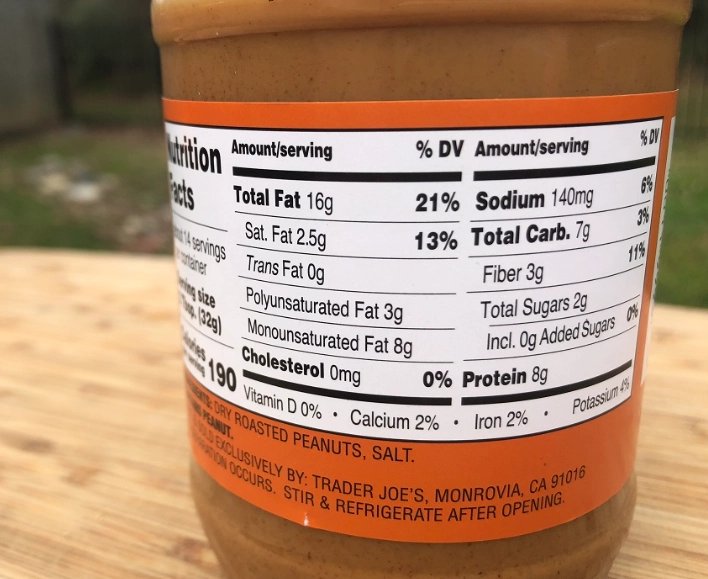
A standard 2-tablespoon (32g) serving of typical natural peanut butter (just peanuts and salt) gives you a specific nutritional profile. It's a concentrated source of energy and nutrients, which is why portion control is key. Here’s a snapshot based on data from the USDA FoodData Central database.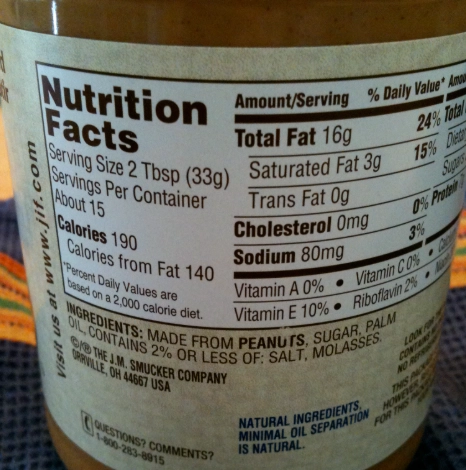
| Nutrient | Amount per 2 tbsp (32g) | % Daily Value* |
|---|---|---|
| Calories | ~190-200 | 10% |
| Total Fat | 16g | 21% |
| - Saturated Fat | 2.5-3g | 13-15% |
| - Monounsaturated Fat | ~8g | – |
| Protein | 7-8g | 14-16% |
| Total Carbohydrates | 6-7g | 2% |
| - Dietary Fiber | 2-3g | 7-11% |
| - Sugars | 1-2g (naturally occurring) | – |
*Percent Daily Values are based on a 2,000 calorie diet.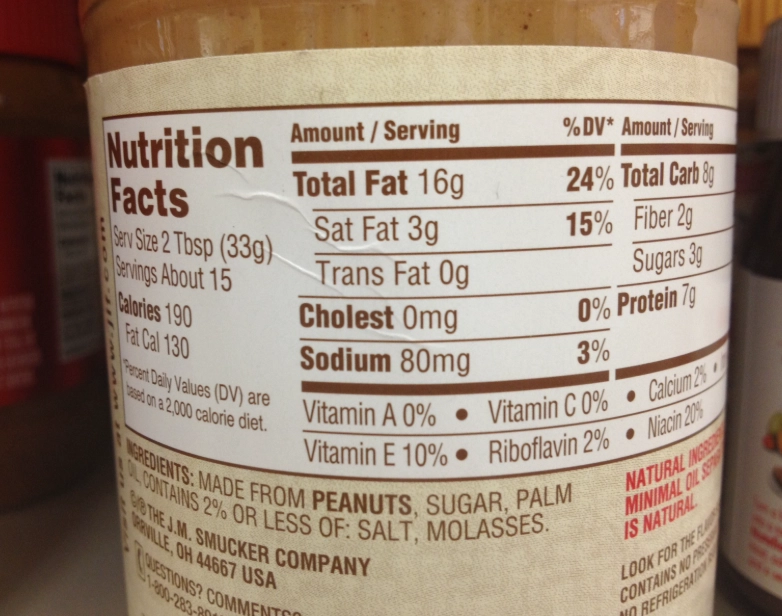
The first thing that jumps out is the fat content. Sixteen grams sounds like a lot. But here's the crucial detail most people miss: about 80% of that fat is the heart-healthy, unsaturated kind. Monounsaturated fat, the same type found in olive oil, makes up the bulk. This fat helps manage cholesterol levels and supports sustained energy. The saturated fat is a smaller portion, and current research, like that summarized by the Harvard T.H. Chan School of Public Health, suggests that the overall nutrient package in peanuts is beneficial.
Then there's the protein. Seven to eight grams per serving is substantial for a plant-based food. It's not a complete protein (lacking optimal amounts of one essential amino acid), but when paired with whole grains throughout the day, it contributes significantly to muscle repair and keeps you feeling full.
The carbs are mostly fiber, which is fantastic for gut health. The natural sugars are minimal. Peanut butter also packs in micronutrients: it's a good source of magnesium, vitamin E, and niacin (B3).
How to Read a Peanut Butter Nutrition Label (Like a Pro)
This is where the magic—or the mischief—happens. The front of the jar is marketing. The back, specifically the ingredients list and nutrition facts panel, is the truth.
The Ingredient List: The Single Most Important Thing
Turn the jar around. What do you see? For the healthiest choice, the list should be short. Ideally: Peanuts. Salt. That's it. Maybe some peanut oil if it's a "no-stir" natural variety.
Now, pick up a standard supermarket brand. The list often reads: Roasted Peanuts, Sugar, Hydrogenated Vegetable Oils (Cottonseed, Soybean, and Rapeseed), Salt.
See the difference? The second one adds two major things: added sugar and hydrogenated oils (a source of trans fats, which are terrible for heart health, even in small amounts). These ingredients are added for shelf stability, spreadability, and to cater to a sweeter palate. They dilute the nutritional quality.
The Sugars Line on the Nutrition Panel
Look at "Total Sugars." In a natural peanut butter, this will be 1-3g, all from the peanuts themselves. In a conventional one, it can easily be 3-5g per serving, with 2-4g of that being added sugar. Over a week, that extra spoonful of sugar adds up without you even tasting it as "sweet."
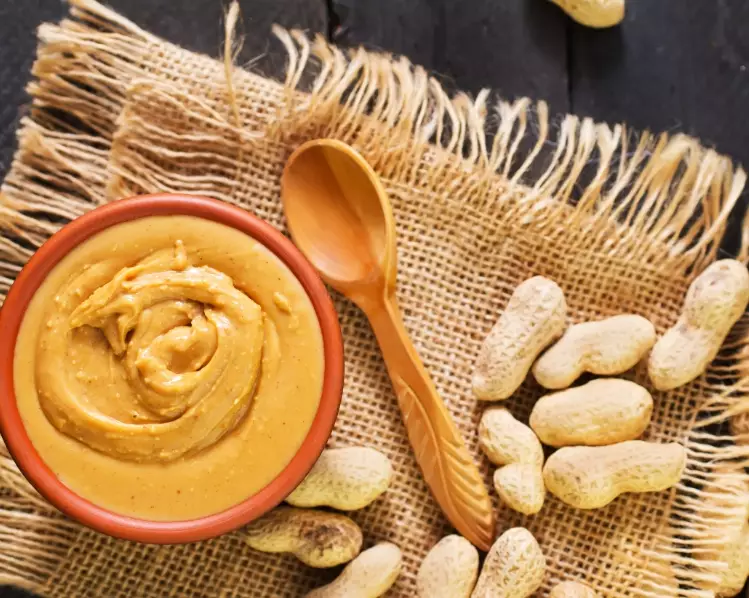
Natural, Regular, Low-Fat: A Head-to-Head Comparison
Let's put three common types side-by-side for a 2-tablespoon serving. This makes the trade-offs clear.
| Type / Brand Example | Calories | Total Fat | Sat. Fat | Protein | Total Carbs | Sugars (Added) | Key Ingredients |
|---|---|---|---|---|---|---|---|
| Natural (e.g., Smucker's Natural) | 200 | 16g | 3g | 8g | 7g | 1g (0g) | Peanuts, Salt |
| Conventional (e.g., Jif Creamy) | 190 | 16g | 3g | 7g | 8g | 3g (2g) | Peanuts, Sugar, Hydrogenated Oils, Salt |
| "Low-Fat" (e.g., Reduced Fat Jif) | 190 | 12g | 2.5g | 8g | 15g | 4g (3g) | Peanuts, Corn Syrup Solids, Sugar, Pea Protein... |
Notice something? The calories are nearly identical. The "low-fat" version cuts fat by 4 grams but doubles the carbohydrates and increases sugar. Your body processes that sugar cocktail much faster than it does healthy fats and fiber.
There's also powdered peanut butter (like PB2). It's defatted, so it's much lower in calories and fat (about 50 calories per 2 tbsp). It retains most of the protein. It's a great option for adding peanut flavor to smoothies or oatmeal without the calorie density, but it doesn't provide the same satiety or healthy fat benefits as the real thing. Think of it as a different product altogether.
Fitting Peanut Butter into a Healthy Diet
So, you've picked a jar with just peanuts and salt. How do you eat it without overdoing it?
Master the Portion. Two tablespoons is a serving. It's smaller than you think. Use a measuring spoon for a week to train your eye. That's about the size of a ping-pong ball.
Pair it Strategically. Peanut butter's fat and protein make it a perfect partner for carbohydrates, helping to balance your meal.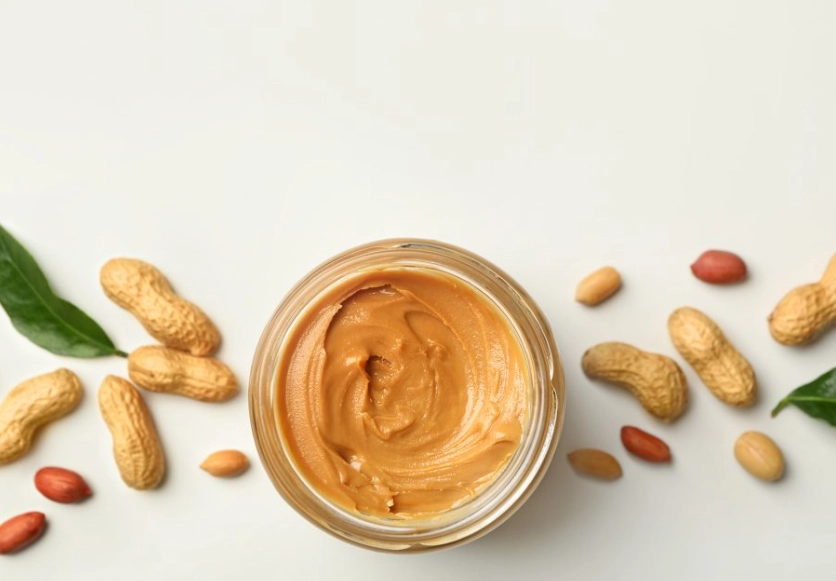
- Breakfast: Swirl into plain Greek yogurt with berries. Spread on whole-grain toast with banana slices.
- Lunch: Use it as a satiating base for a Thai-inspired salad dressing (mix with lime juice, soy sauce, and a little water).
- Snack: The classic apple or celery sticks. A small whole-wheat pita with a measured scoop.
- Post-Workout: A peanut butter and banana smoothie with protein powder or milk.
I keep a jar in my desk drawer for afternoon slumps. A spoonful with a glass of water kills cravings far better than a granola bar.
Baking & Cooking. It adds richness and moisture. You can often substitute a portion of butter or oil in recipes with peanut butter, adding protein in the process.
Reader Comments