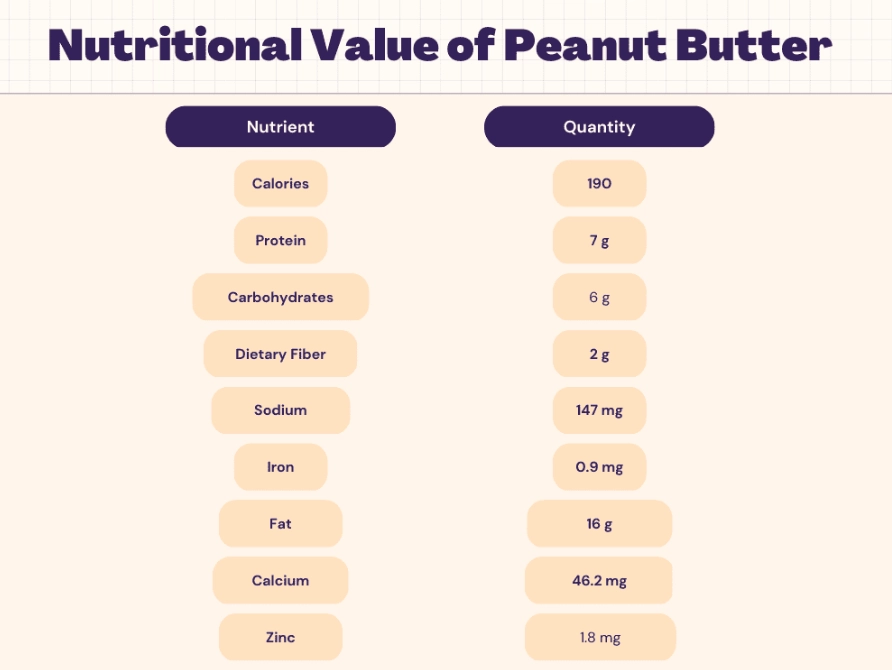
Let's cut to the chase. A standard two-tablespoon (32g) serving of regular peanut butter has about 190 to 210 calories. But if you stop there, you're missing the whole story. That number on the jar is just the starting point. What really matters is what those calories are made of, how they fit into your day, and why peanut butter—despite its calorie density—is a nutritional powerhouse that deserves a spot in your kitchen.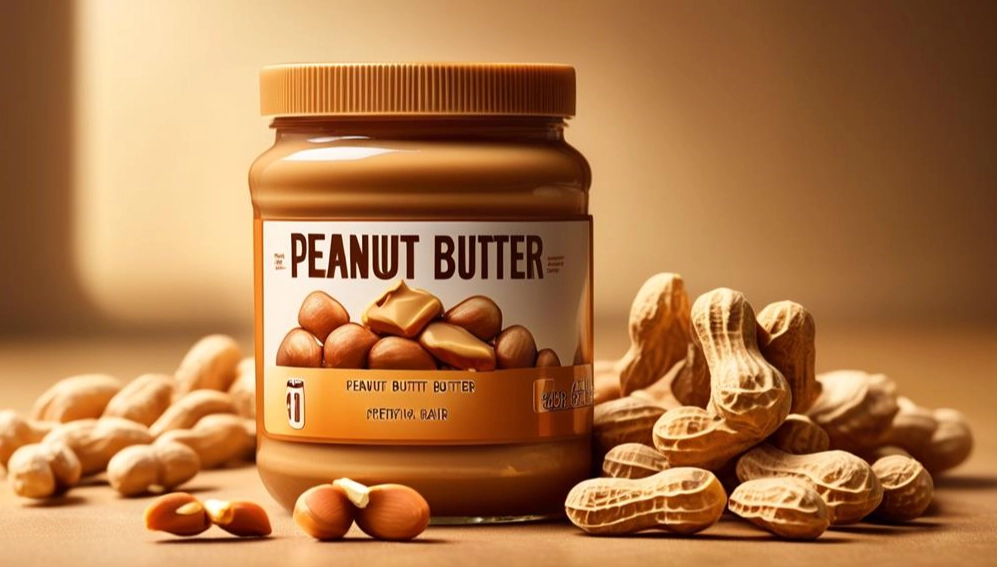
I remember staring at a jar years ago, torn between loving the taste and fearing the label. It took me a while to understand that not all calories are created equal. This guide is what I wish I had back then.
What's Inside This Guide
How Many Calories Are in Peanut Butter? (Brand by Brand)
The generic number from the USDA's FoodData Central is 191 calories per 2-tbsp serving of smooth peanut butter with salt. But walk down any grocery aisle, and you'll see numbers dancing between 180 and 210. Why the range? It comes down to the grind, the oil content, and added ingredients.
Here’s a quick look at what you're actually getting with some common options. This isn't just about calories—it's about the protein and sugar too.
| Brand & Type (2 Tbsp Serving) | Calories | Protein | Added Sugars | Key Note |
|---|---|---|---|---|
| Generic Smooth (USDA Data) | 191 | 7.1g | ~0g | The baseline. Just peanuts, salt. |
| Jif Creamy | 190 | 7g | 3g | Contains fully hydrogenated oils, sugar. |
| SKIPPY Creamy | 190 | 7g | 3g | Similar profile to Jif. |
| Justin's Classic Peanut Butter | 200 | 8g | 1g | Uses palm oil for stability, less sugar. |
| Smucker's Natural Creamy | 210 | 8g | 0g | Just peanuts and a pinch of salt. Oil separates. |
| Powdered Peanut Butter (like PB2) | 60* | 6g | 1g | *When reconstituted with water. Fat/calories drastically reduced. |
See the pattern? The "natural" ones with just peanuts often have slightly higher calories because they haven't had fat removed or replaced. But they also have no added sugars or weird stabilizers. It's a trade-off.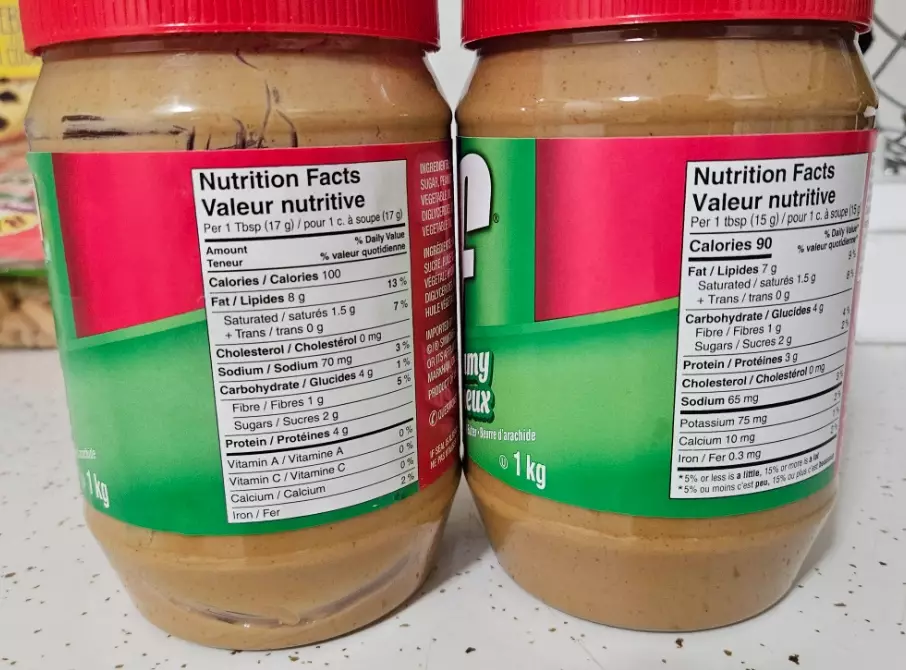
The Portion Problem: Why Your "Spoonful" is Probably Bigger
Here's the expert-level mistake almost everyone makes: eyeballing a serving. The label says 2 tablespoons (32g). Most people grab a heaping dinner spoon and call it a day. That "spoonful" can easily be 3 or even 4 tablespoons.
Suddenly, your 190-calorie snack is 400 calories. No wonder people get frustrated.
How do you fix this?
Weigh it. For one week, use a cheap kitchen scale. Scoop out what you think is 32 grams. You'll be shocked. After a week, your eyes will calibrate.
Use a measuring spoon. Keep a dedicated tablespoon in the jar. It feels fussy at first, but it becomes habit.
Pre-portion. When you open a new jar, use a silicone tray to make 2-tbsp "pucks," freeze them, and store them in a bag. Grab and go.
Portion control isn't about restriction. It's about accuracy. Knowing exactly what you're eating gives you power.
What's Beyond the Calories? The Nutrition That Matters
Focusing solely on peanut butter calories is like judging a book by its cover weight. The magic is inside.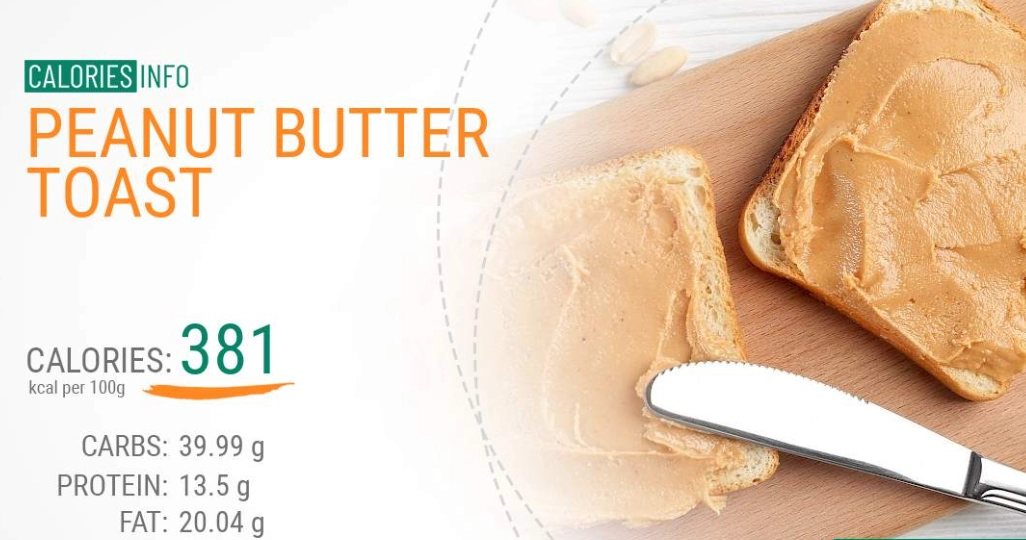
The Fat Isn't Your Enemy
About 16 of the 17 grams of fat in a serving are unsaturated fats—the heart-healthy kind. Monounsaturated fats, the same type found in olive oil, make up the majority. These fats help manage cholesterol, reduce inflammation, and keep you satisfied.
The Non-Consensus View: The fear of fat in the 90s gave us "low-fat" peanut butter. They took out the healthy peanut oil and replaced it with... maltodextrin and extra sugar. You ended up with a product that was often higher in carbs and sugar, less satisfying, and arguably worse for you. Choosing full-fat, natural peanut butter is almost always the smarter move.
Protein and Fiber: The Satiety Duo
With 7-8 grams of protein and 2-3 grams of fiber per serving, peanut butter is a champion at curbing hunger. That combination slows digestion, provides steady energy, and prevents the blood sugar spike and crash you'd get from a sugary snack.
It's why a slice of whole-wheat toast with peanut butter can keep you going for hours, while a bagel with jam leaves you searching for a mid-morning snack.
How to Choose a Healthy Peanut Butter (The Ingredient List Test)
Forget the flashy "High Protein!" or "No Sugar Added!" claims on the front. Turn the jar around. The ingredients list tells the real story.
The Gold Standard: Peanuts. Maybe salt. That's it. If you see palm oil, it's not a deal-breaker for stability, but it adds saturated fat. If you see "fully hydrogenated vegetable oils," that's a hard pass—it's a trans fat loophole. If sugar (or corn syrup, molasses, honey) is in the first three ingredients, it's a dessert spread.
The oil separation in natural peanut butter is a good sign. It means nothing artificial is holding it together. Just stir it well when you open it, and store it upside down in the fridge to prevent re-separation.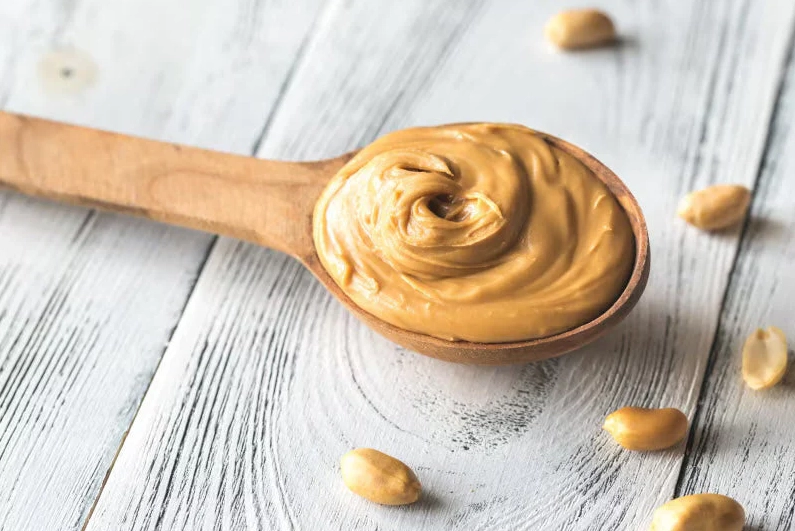
Can You Eat Peanut Butter and Still Lose Weight?
Absolutely. It's about strategy, not elimination.
Think of peanut butter as a calorie-dense condiment or accent, not the main event. Here’s how to make it work:
Pair it with volume. Spread a measured tablespoon (95 cal) on apple slices or celery sticks. You get the creamy richness paired with the low-calorie crunch and fiber of the fruit/veg.
Boost your smoothie. Half a serving (1 tbsp) adds creaminess, protein, and healthy fats to a berry and spinach smoothie, making it far more substantial.
Use powdered peanut butter for sauces. Want a Thai peanut sauce for your noodles or chicken satay? Reconstitute powdered peanut butter with water, soy sauce, lime, and chili. You get that iconic flavor for a fraction of the calories and fat.
The key is mindful inclusion. Banning foods you love leads to cravings and binges. Learning how to fit them in smartly leads to sustainable habits.
Your Peanut Butter Questions, Answered
For most standard creamy peanut butters, it's between 190 and 210 calories. Natural peanut butters containing only peanuts tend to be on the higher end of that range (around 210) because they retain all their natural oil, while some conventional brands may be slightly lower due to different processing or added fillers.
The protein will be around 7-8 grams, and total fat around 16-17 grams.
First, use a measuring spoon—one level tablespoon is plenty. That's about 95-105 calories. Second, choose a hearty, fiber-rich bread like rye or seeded whole grain. Third, add texture and volume with zero-calorie toppings: a sprinkle of cinnamon, a few thin banana slices (measure those too!), or a light drizzle of sugar-free syrup. The combo gives you the satisfaction without the calorie overload of a heaping, unmeasured slather.
 What's the healthiest type of peanut butter I can buy?
Look for a jar where the only ingredient is peanuts. Salt is optional and fine. This guarantees you're getting all the natural nutrients without added sugars, hydrogenated oils (trans fats), or excess sodium. The oil-on-top kind you have to stir is usually the purest. Brands like Smucker's Natural, Teddie, or many store-brand "natural" versions fit this bill. Don't be swayed by "low-fat" versions; they usually compensate with sugar.
It's a decent plant-based protein source, but it's not complete on its own. With about 8 grams per serving, it contributes to your daily protein needs. For muscle building, it's best paired with a complete protein source (like in a post-workout smoothie with Greek yogurt or milk) or combined with whole grains throughout the day to form complete proteins. Its real value here is the healthy fats that support hormone function and recovery.
 I have a mild peanut allergy. What should I watch for with peanut butter calories in other foods?
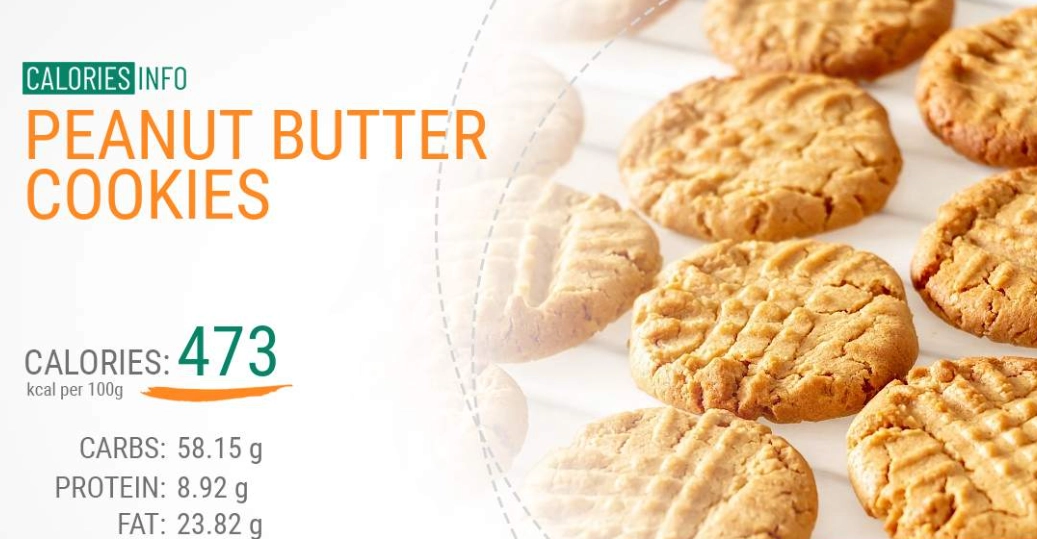
This is crucial. If you're allergic, you're likely avoiding peanut butter entirely. But peanut butter calories and fat often make it a "secret ingredient" in sauces, dressings, baked goods, and even some vegetarian dishes for richness. Always ask about ingredients in restaurant sauces (like satay, certain chili sauces, or "house dressings"). Read labels on granola bars, cereals, and trail mixes meticulously. Sunflower seed butter or soy nut butter can be similar-calorie alternatives, but always check with your doctor first.
Reader Comments