Let's be honest. You've probably baked a batch of peanut butter cookies that looked perfect but tasted like sweet, crumbly sand. Or maybe they puffed up like little cakes. The dream of that dense, slightly yielding, melt-in-your-mouth chew seems just out of reach. I've been there. After a decade of testing, burning, and perfecting, I've cracked the code. Making chewy peanut butter cookies isn't about following any random recipe; it's about understanding the science of a few key ingredients and techniques. This guide will walk you through not just a recipe, but the ten non-negotiable principles that guarantee a chewy texture every single time.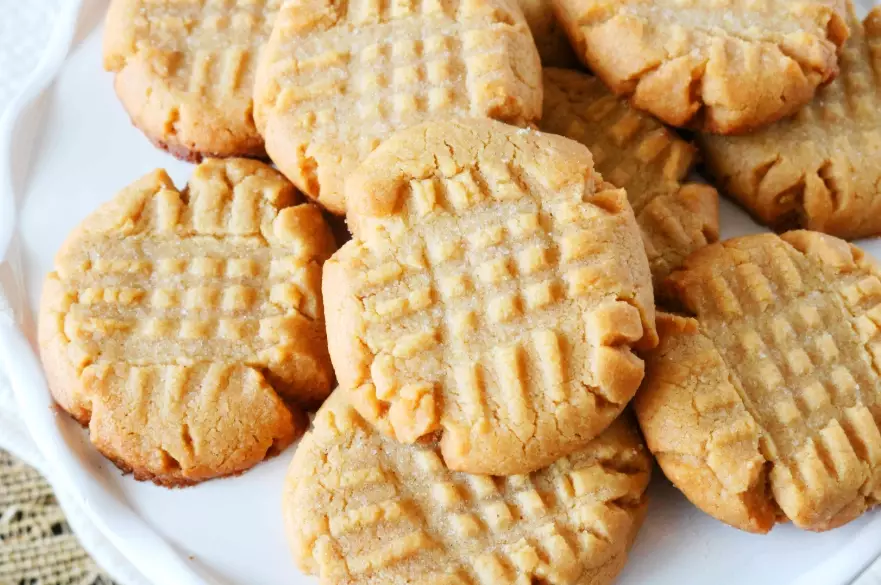
What's Inside This Guide
The Science Behind Chewy Peanut Butter Cookies
Chewiness is a texture battle between moisture and structure. Too much structure (from flour, over-mixed gluten, or too much leavening) and you get cakey or crumbly. Too little, and you have a greasy puddle. The goal is a cookie that has enough internal moisture and the right type of sugar to stay soft for days.
Most recipes get this wrong by treating peanut butter cookies like any other drop cookie. They're not. Peanut butter is a unique fat that's also a protein. It brings its own rules to the game.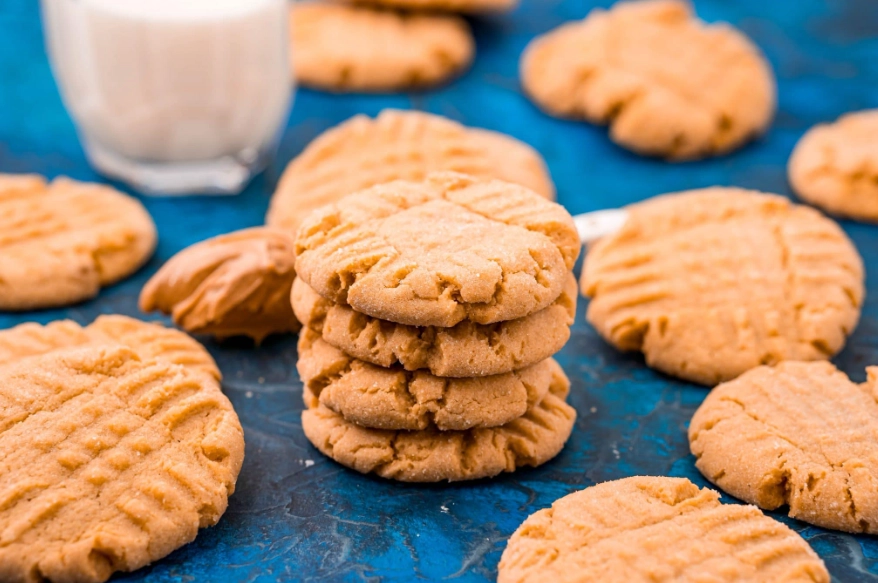
Key Insight: The single biggest factor for chew is the type of sugar you use. White sugar spreads and crisps. Brown sugar, specifically its molasses content, attracts and retains moisture. A cookie high in brown sugar will be chewier and stay softer longer. If your recipe calls for 1 cup of sugar, at least 2/3 of it should be brown sugar for a reliably chewy result.
Ingredient Deep Dive: What Really Creates Chew
Let's break down each player in your bowl and its role in the texture game.
1. Peanut Butter: The Foundation
This is where most people make their first critical choice. Use conventional, shelf-stable peanut butter (like Jif or Skippy), not natural or homemade for this style. I know it sounds counterintuitive. Natural peanut butter, with its separated oil, alters the fat-to-solid ratio drastically. The emulsifiers in conventional peanut butter create a stable, predictable dough that bakes into an even chew. Natural peanut butter often leads to oily, spreading cookies that can turn gritty.
2. The Sugar Duo: Brown vs. White
As mentioned, brown sugar is your chew-master. Its hygroscopic nature (it pulls water from the air) is the secret. A little white sugar is still needed for structure and a bit of spread, but the brown sugar does the heavy lifting. For an ultra-chewy cookie, you can even use all brown sugar.
3. Flour & Eggs: The Structure Team
Bread flour has more protein than all-purpose, which can develop more gluten and lead to a tougher cookie if over-mixed. Stick with all-purpose flour for a tender chew. The egg acts as a binder and adds moisture. Using one whole egg plus an extra yolk (the yolk is rich in fat and emulsifiers) can significantly boost richness and chew.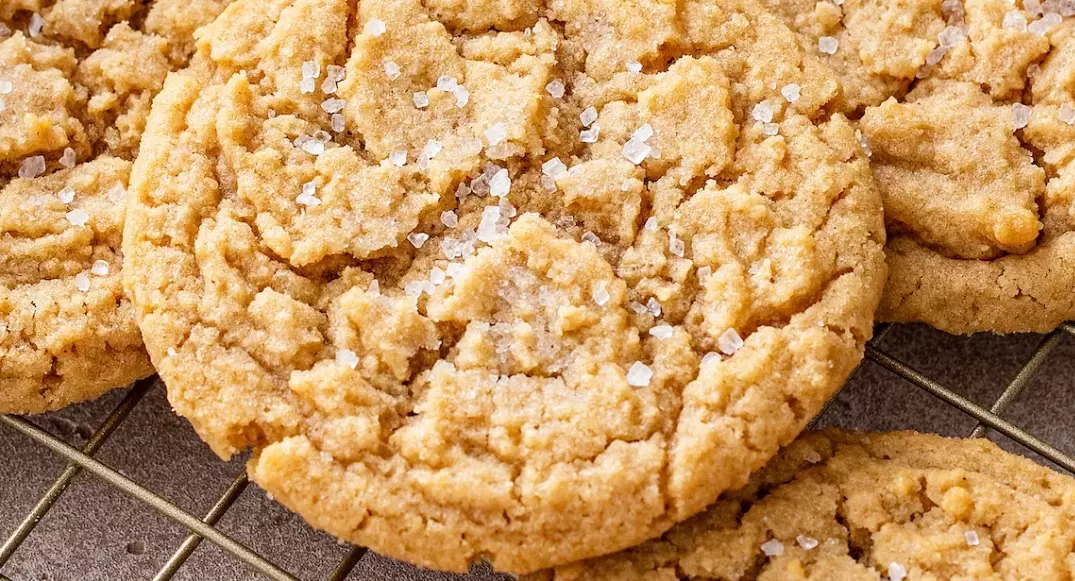
Here’s a quick comparison of how different peanut butter brands can affect your bake, based on my own kitchen trials:
| Peanut Butter Brand/Type | Best For Chewy Texture? | Notes & Texture Outcome |
|---|---|---|
| Jif Creamy | Yes, Highly Recommended | Predictable, consistent dough. Yields a classic, dense chew. The stabilizers prevent oil separation. |
| Skippy Creamy | Yes | Similar to Jif. Slightly sweeter profile, still produces excellent chew. |
| Natural Peanut Butter (Stirred) | No, Not Ideal | High risk of oily, flat cookies. Texture can be greasy or uneven. Requires major recipe adjustments. |
| Crunchy Peanut Butter | Yes, with a caveat | Adds great texture bits, but ensure it's the conventional kind. Chew comes from the dough around the peanuts. |
| Reduced Fat Peanut Butter | Avoid | Often contains extra sugar and starches that can make cookies cakey or gummy. |
How to Make Chewy Peanut Butter Cookies: Step-by-Step Recipe
This is my go-to, no-fail recipe that embodies all the principles discussed. It makes about 24 cookies.
Ingredients:
- 1 cup (250g) conventional creamy peanut butter
- 3/4 cup (150g) packed dark brown sugar (light brown works too)
- 1/4 cup (50g) granulated white sugar
- 1 large egg + 1 large egg yolk
- 1 teaspoon vanilla extract
- 1/2 teaspoon baking soda
- 1/4 teaspoon salt (use 1/2 tsp if your peanut butter is unsalted)
- Optional: 1/2 cup chocolate chips or chopped peanuts
The Method (Where Chew is Made or Broken):
Step 1: Mixing is Everything. In a large bowl, combine the peanut butter, sugars, egg, egg yolk, and vanilla. Mix with a wooden spoon or spatula just until you have a thick, uniform paste. Do not use a stand mixer on high—this isn't a creaming method cookie. Over-mixing here incorporates too much air, leading to puffiness.
Step 2: Incorporate Dry Ingredients. Sprinkle the baking soda and salt over the dough. Fold them in gently until just combined. If adding mix-ins, fold them in now. The dough will be soft and slightly sticky.
Step 3: Chill. Seriously, Chill. Cover the bowl and refrigerate for at least 1 hour, preferably 2-3. This step is non-negotiable. It solidifies the fats, allows the flour to hydrate, and prevents the cookies from spreading into thin, crispy discs. Chilled dough bakes up thicker and chewier.
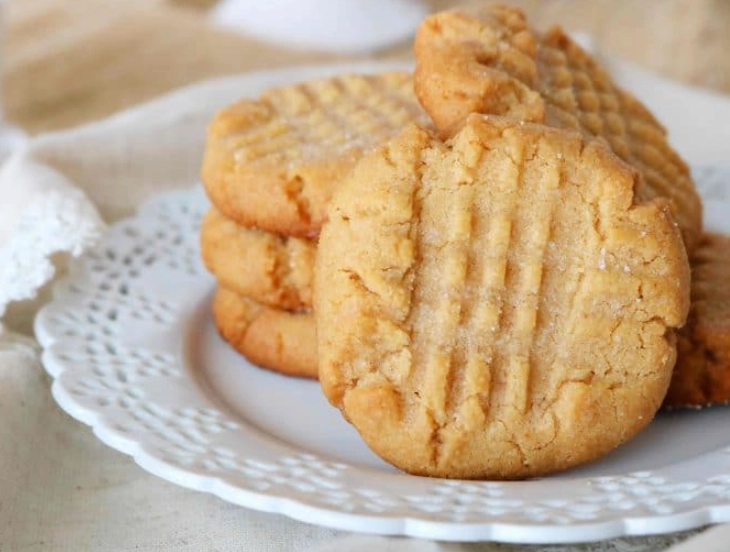
Step 4: Bake with Precision. Preheat your oven to 350°F (175°C). Line baking sheets with parchment paper. Scoop dough into 1.5 tablespoon-sized balls. Place them 2 inches apart. Using a fork, press a classic criss-cross pattern into each ball, flattening them to about 1/2 inch thick.
Bake for 9-11 minutes. The key? Take them out when the edges are just set but the centers still look puffy, soft, and underdone. They will not look "ready." This is the professional baker's trick. They continue to cook on the hot sheet out of the oven.
Step 5: The Cool Down. Let the cookies cool on the baking sheet for 5 full minutes. This allows them to set without becoming rock hard. Then transfer to a wire rack to cool completely. They will firm up into the perfect chewy texture.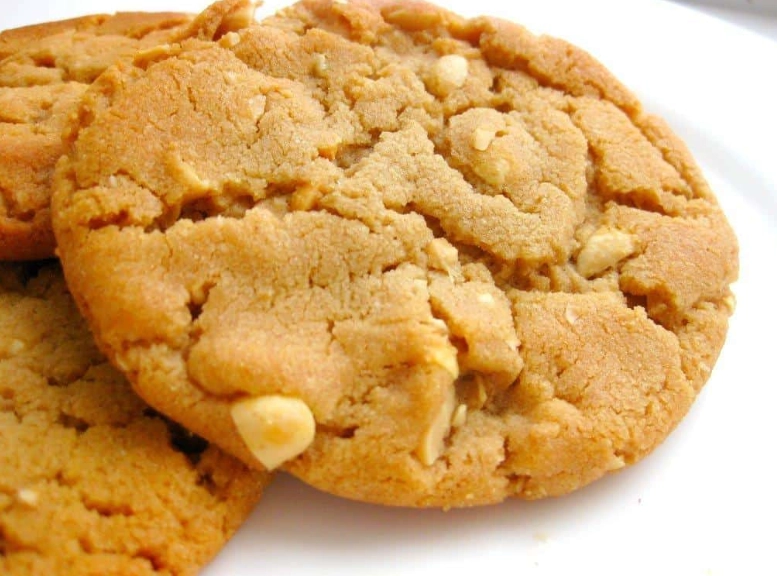
The 5 Most Common Mistakes That Ruin Texture
- Using Natural Peanut Butter Without Adjusting. This is the #1 texture killer for beginners following a standard recipe.
- Skipping the Chill Time. Warm dough spreads fast, resulting in thin, crispy cookies. Patience is a chewy cookie's best friend.
- Over-baking. Baking until the centers look "done" means they'll be dry and hard when cool. Pull them out early.
- Measuring Flour Incorrectly. Scooping flour directly from the bag packs it in, leading to too much flour and dry, cakey cookies. Spoon and level your flour for accuracy.
- Using Only White Sugar. This creates a crispier, snappier cookie. For chew, brown sugar is essential.
Your Chewy Cookie Questions, Answered
Can I use natural peanut butter if that's all I have?
My cookies are always dry after a day. How do I keep them soft?
Why did my cookies turn out cakey and puffy?
 Is it better to use butter or shortening with the peanut butter?
Can I freeze the dough for chewy cookies later?
The path to perfect chewy peanut butter cookies isn't shrouded in mystery. It's a combination of the right ingredients handled with a bit of restraint and understanding. Ditch the all-white sugar, embrace the chill, and have the courage to pull those cookies out of the oven when they look underdone. Your reward will be a batch of cookies with that satisfying, dense, melt-away chew that makes the store-bought version forgettable.
Reader Comments