Quick Navigation
Let's be honest, standing in the grocery aisle staring at a wall of peanut butter jars can be overwhelming. You've got the classic brands you grew up with, and then a whole section of "natural" ones that look... different. The oil is floating on top, the label is simpler, and the price tag is often a bit higher. So what gives? Is it just marketing, or is there a real, tangible difference between natural and regular peanut butter that matters for your health, your recipes, and your taste buds?
I remember the first time I bought a jar of natural peanut butter. I was trying to "eat clean." I got it home, opened it, and was greeted by a thick layer of oil sitting on top of a cement-like paste. My first thought was, "Is this broken?" I tried to stir it, which was an arm workout I wasn't prepared for, and it still never got as smooth as the Jif I was used to. The taste was different too—more intense, less sweet. It made me wonder if I was doing the right thing or just making my life harder for no reason.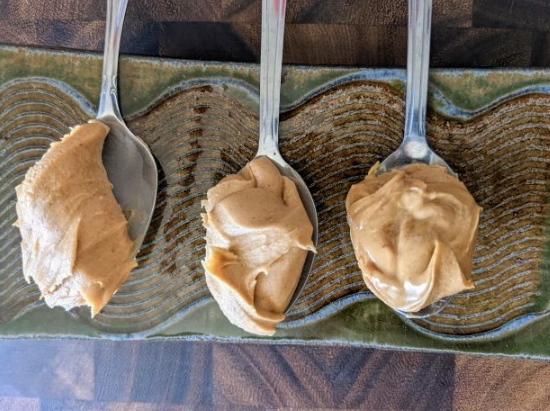
This isn't about declaring one the winner and the other a loser. It's about understanding the trade-offs. Your perfect peanut butter depends entirely on what you value most: convenience, nutrition, taste, or a specific culinary use. By the end of this, you'll be able to grab your ideal jar with confidence, no more aisle-induced panic.
The Ingredient List Tells the Whole Story
This is where the rubber meets the road. The most straightforward way to spot the difference between natural and regular peanut butter is to flip the jar and read. It's a simple test that reveals everything.
Natural peanut butter, at its truest, contains one or two ingredients: peanuts, and sometimes salt. That's it. The U.S. Food and Drug Administration (FDA) doesn't have a formal definition for "natural" on food labels, which can be frustrating. However, in the peanut butter world, the term has been adopted to mean minimal processing and no added stabilizers or sweeteners. The peanuts are roasted, ground, and that's about it. Because of this, the natural oils in the peanuts—which are good, monounsaturated fats—separate and rise to the top. This is the famous "oil-on-top" situation that requires stirring.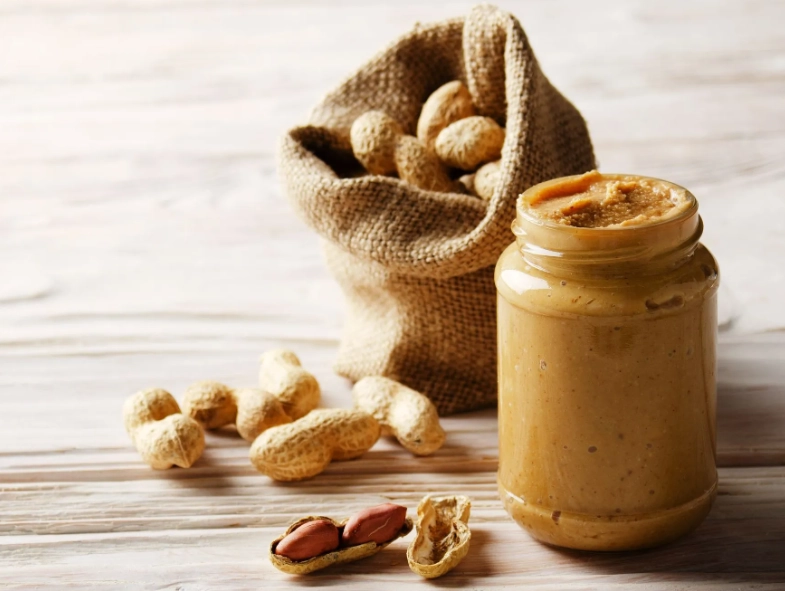
Regular peanut butter, often called "conventional" or "commercial," has a longer ingredient list. You'll see peanuts, of course, but you'll also find added ingredients like:
- Hydrogenated vegetable oils (fully or partially): These are added as stabilizers to prevent the natural oil separation. They keep the texture uniformly creamy and spreadable straight from the jar, fridge or pantry. The problem? The hydrogenation process creates trans fats, which are notoriously bad for heart health. Many brands have moved away from fully hydrogenated oils, but some still use partially hydrogenated oils. Always check the label.
- Sugars (e.g., molasses, corn syrup solids, dextrose): Added to enhance sweetness and balance the flavor profile. This is why regular peanut butter often tastes sweeter and less "peanut-forward."
- Emulsifiers (like mono- and diglycerides): These help bind the oil and solids together permanently, contributing to that no-stir, forever-creamy texture.
So, when you're comparing the two, you're often comparing a simple food to a formulated food product. One is just peanuts, the other is a peanut-based spread designed for specific qualities like shelf stability, spreadability, and a consistent sweet taste.
Nutrition Face-Off: Is One Actually Healthier?
This is the million-dollar question, right? We all want to make the healthier choice. The nutritional difference between natural and regular peanut butter is subtle in some areas and significant in others.
At their core, both are good sources of plant-based protein, healthy fats, fiber, and vitamins like Vitamin E and magnesium. Peanuts themselves are nutritional powerhouses. The divergence comes from those added ingredients we just talked about.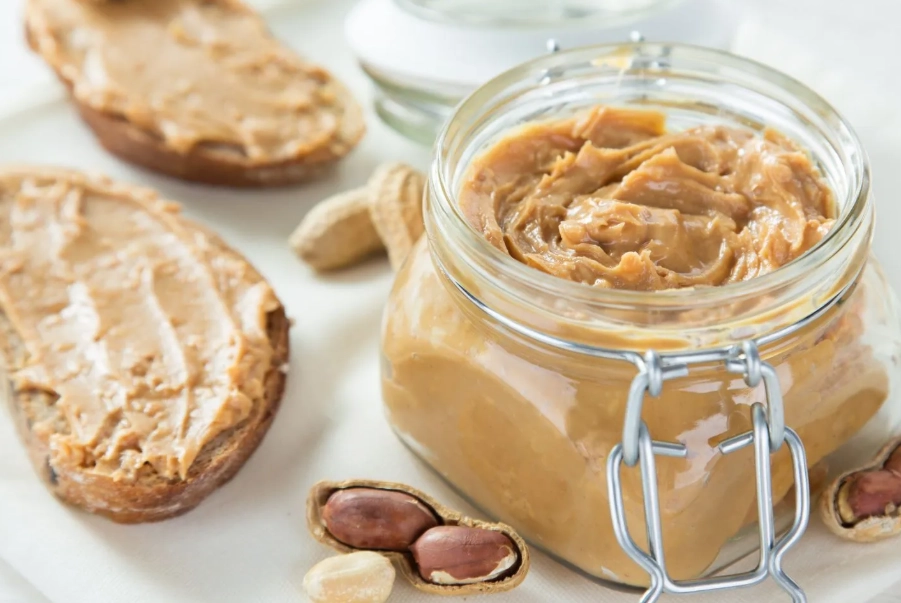
| Nutrient (per 2 tbsp serving) | Natural Peanut Butter (Peanuts & Salt) | Regular Peanut Butter (Conventional Brand) | Why It Matters |
|---|---|---|---|
| Calories | ~190-200 | ~190-210 | Very similar. The main difference comes from added sugars/fats. |
| Total Fat | ~16g | ~16g | Similar total, but the *type* of fat differs dramatically. |
| Saturated Fat | ~2-3g (from peanuts) | ~3-3.5g (often includes added hydrogenated oils) | Natural PB has only naturally occurring sat fat. Regular PB may have more from stabilizers. |
| Trans Fat | 0g | May contain small amounts if partially hydrogenated oils are listed. | This is a key health differentiator. Trans fats are harmful even in small amounts. |
| Total Carbohydrates | ~6-7g | ~7-8g | Slightly higher in regular PB due to added sugars. |
| Added Sugars | 0g | ~1-3g | A major point of difference. Natural PB has zero added sugars. |
| Protein | ~7-8g | ~7-8g | Virtually identical, as the base is still peanuts. |
| Sodium | Varies (~100mg with salt) | Varies, can be higher (~150mg+) | Check labels. "No Salt Added" natural versions have ~5mg. |
Looking at that, the biggest health advantages of natural peanut butter are:
- No Added Sugars: You're getting the natural sweetness of the peanut alone. This is better for blood sugar management and overall sugar intake. The American Heart Association recommends limiting added sugars, and natural peanut butter makes that easy.
- No Artificial Trans Fats: By avoiding hydrogenated oils, you eliminate a major risk factor for heart disease. The fats in natural peanut butter are predominantly the good kinds—monounsaturated and polyunsaturated. Resources like the Harvard T.H. Chan School of Public Health's nutrition source consistently highlight the benefits of these healthy fats over trans and saturated fats.
- Minimal Processing: It's closer to a whole food. For many people following clean-eating or whole-food diets, this is a non-negotiable factor.
But here's a personal take: if the choice is between regular peanut butter and no peanut butter at all for someone, the regular kind is still a decent source of protein and nutrients. The health difference between natural and regular peanut butter is meaningful, but it's not like comparing an apple to a bag of chips. It's more like comparing a baked potato to french fries. One is clearly the simpler, cleaner option, but the other isn't devoid of nutritional value. The added sugar and potential trans fats are the real sticking points for me.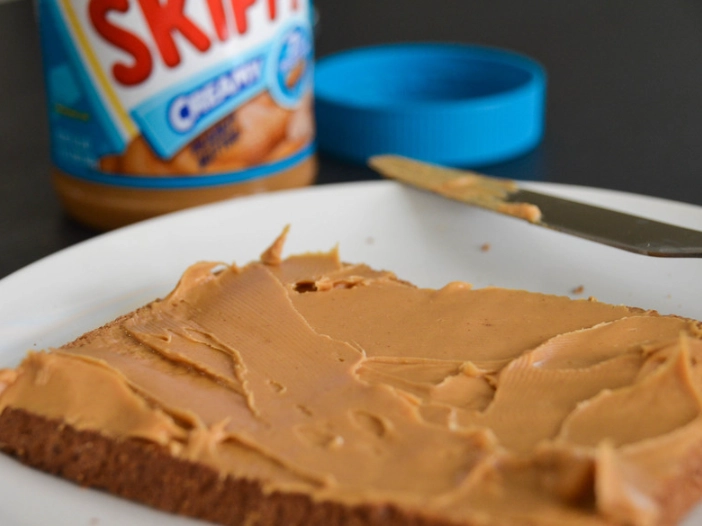
Texture, Taste, and Kitchen Behavior: The Practical Differences
Okay, so natural might have a nutritional edge. But how do they actually *perform* in your kitchen and on your palate? This is where the rubber meets the road—or where the peanut butter meets the bread.
The Great Stirring Debate (And Storage)
This is the most visible practical difference between natural and regular peanut butter. Natural peanut butter separates. It's not a defect; it's a feature of its simple composition. The oil rises to the top, and the peanut solids settle at the bottom. You must stir it thoroughly when you first open it. And I mean really stir. Some people use a knife, some use a mixer. It can be messy and requires some effort.
Regular peanut butter is homogenized. The added stabilizers bind the oil and solids into one uniform, spreadable texture that never separates. You can store it in the pantry for months, and it will always be ready to go. This is a huge point for convenience. For busy mornings, there's no contest.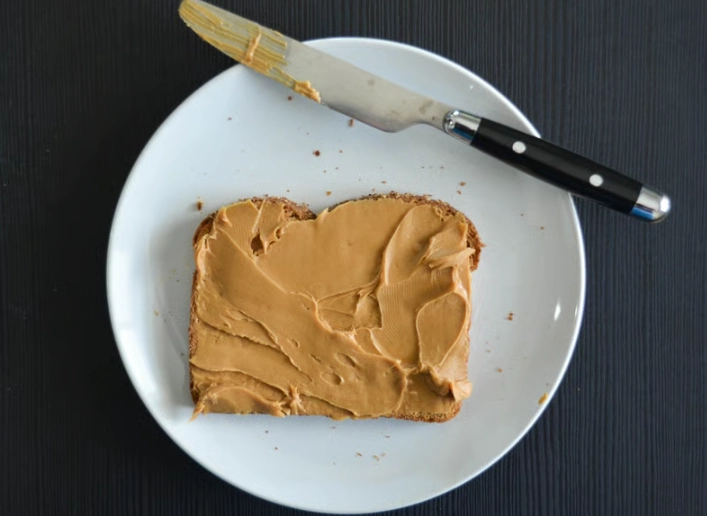
Flavor Profile: Earthy vs. Sweet & Uniform
Taste is subjective, but there's a clear pattern. Natural peanut butter tastes like, well, roasted peanuts. The flavor is more intense, earthy, and sometimes a bit gritty depending on the grind (creamy vs. crunchy). It can be less sweet, and the saltiness (if salted) is more distinct. I find the flavor more complex and satisfying.
Regular peanut butter has a smoother, sweeter, and more consistent flavor. The added sugars round out the sharp peanut edges, and the stabilizers create a velvety mouthfeel that many people find comforting and familiar—it's the taste of childhood for a lot of us. Some brands have a distinctly "candy-like" peanut flavor that you either love or find cloying.
My kids? They voted for the sweet, smooth regular stuff every time when they were younger. It's what they knew.
Performance in Recipes
This is a big one for bakers and cooks. Can you use them interchangeably? Sometimes yes, sometimes no.
- Baking (Cookies, Bars): Regular peanut butter is often preferred because its stable, predictable texture and sweetness are already factored into classic recipes. The emulsifiers help create a chewier, more consistent cookie. Natural peanut butter can work, but it may alter texture—sometimes making things oilier or grainier—and will result in a less sweet final product. You might need to adjust other liquids or sugars.
- Sauces & Dressings: Natural peanut butter shines here. Its pure peanut flavor makes for amazing satay sauces, peanut dressings for salads, or noodle sauces. You have full control over sweetness and saltiness. I'd never use my sweetened regular PB for a savory Thai peanut sauce; it would throw the whole balance off.
- Spreading & Dipping: Cold natural peanut butter (from the fridge) spreads well on bread and is fantastic for dipping apples or celery. At room temperature, it can be oily and runny. Regular PB is the champion of the perfect, non-drip sandwich spread at any temperature.
Navigating the Grocery Aisle: A Buyer's Guide
So you've decided to try natural, or maybe you're re-evaluating your regular brand. The aisle is still confusing. Here's how to cut through the noise.
First, ignore the front-of-jar marketing. Words like "Simple," "Pure," "Organic," or even "Natural" can be used loosely. Go straight to the ingredient list.
For a True Natural Peanut Butter: The list should read: "Peanuts" or "Peanuts and Salt." Some may add palm fruit oil (a non-hydrogenated stabilizer derived from sustainable palm fruit, not to be confused with palm kernel oil). This is a controversial middle ground—it prevents separation but is still a minimally processed added fat. Purists avoid it, but it's a compromise for those who hate stirring. I find brands that use it are easier for beginners.
For Regular Peanut Butter: Look for the shortest list possible even here. Some "better" conventional brands skip hydrogenated oils and use palm oil or fully hydrogenated oils (which contain no trans fat) as stabilizers, and have lower added sugar. It's a spectrum from highly processed to minimally processed regular PB.
Also, consider the grind. You'll find creamy, crunchy, and super-chunky versions in both categories. Natural crunchy often has larger, more irregular peanut pieces, which I love for texture.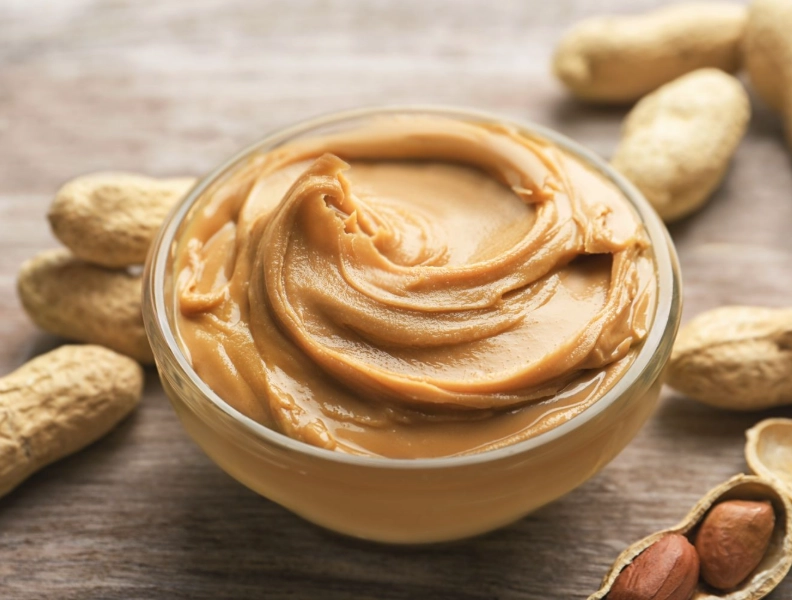
Answering Your Peanut Butter Questions
Is the oil on top of natural peanut butter bad for you?
Not at all! That's just the natural peanut oil, which is primarily heart-healthy monounsaturated fat (the same kind found in olive oil). You want to stir it back in because it's an integral part of the nutrition and texture. Pouring it off would make the remaining paste dry, crumbly, and less nutritious.
Can I use natural peanut butter for baking classic peanut butter cookies?
You can, but be prepared for a slightly different result. The cookies may spread more or less, have a grainier texture, and be less sweet. For a first attempt, maybe do a half-batch to test. Some bakers swear by using half natural and half regular for a balance of flavor and texture.
Which type is better for weight loss or muscle building?
For pure macros (protein, fats, carbs), they're very similar. However, natural peanut butter's lack of added sugars gives it a slight edge for weight management, as you're consuming fewer empty calories. For muscle building, the protein content is identical, so choose based on your overall dietary preferences for processed foods and sugars. The calorie density is the same, so portion control is key for any goal.
Why is some "natural" peanut butter not oily?
Ah, you've found the "no-stir" natural varieties. Check the ingredients. They almost certainly contain an added stabilizer like palm fruit oil. It's still a more minimal ingredient list than conventional PB (usually just peanuts, palm fruit oil, salt), but it's not the pure, two-ingredient version. It's a fantastic convenience option, honestly.
Does natural peanut butter go bad faster?
Yes, generally. Because it lacks preservatives and stabilizers, the oils in natural peanut butter can go rancid over time. Storing it in the refrigerator after opening significantly extends its shelf life (often for several months). The cold also gives it a great texture. Regular peanut butter, with its stabilizers, can typically be stored in a cool, dry pantry for months after opening. Always check the label's "best by" date and storage instructions.
The Final Spread: Making Your Choice
So, after all this, what's the verdict on the difference between natural and regular peanut butter? It's not a simple good vs. bad. It's a choice based on your priorities.
Choose Natural Peanut Butter if: Your top priorities are whole-food nutrition, avoiding added sugars and hydrogenated oils, and you don't mind the extra step of stirring and refrigerating. You appreciate a stronger, pure peanut flavor and mainly use it for spreading on things or making savory sauces.
Choose Regular Peanut Butter if: Convenience and consistent texture are king. You want a no-fuss, always-ready spread that performs reliably in classic baked recipes. The familiar, sweeter taste is what you crave, and you're okay with the presence of added sugars and stabilizers (and you've found a brand without trans fats).
Personally, I keep both in my house now. I have a jar of no-stir natural (with palm fruit oil) in the pantry for quick sandwiches and a pure, two-ingredient natural one in the fridge for when I want that intense peanut hit in a smoothie or sauce. The old jar of super-sweet regular stuff? It's been relegated to emergency baking-only status.
The beauty is, now you know. You can walk down that aisle, pick up any jar, and know exactly what you're getting. You can understand the trade-off between the simplicity of natural peanut butter and the engineered convenience of the regular kind. That knowledge lets you choose based on your needs for that particular week, rather than on guesswork or marketing. And that's the most satisfying spread of all.
Reader Comments