In This Guide
- The Core Peanut Butter Nutrition Breakdown
- Natural vs. Conventional: A Nutritional Showdown
- Health Benefits: What Does the Science Say?
- Potential Downsides and Who Should Be Cautious
- How to Choose the Best Peanut Butter for You
- Your Peanut Butter Nutrition Questions, Answered
- Putting It All Together: Making Peanut Butter Work for You
Let's be real. Most of us have a jar of peanut butter somewhere in the kitchen. It's a staple. But when you're standing in the grocery aisle, staring at a wall of options—creamy, crunchy, natural, reduced-fat, honey-roasted—do you ever wonder what you're actually bringing home? I know I have. I used to just grab whatever was on sale, until I started paying attention to the labels. The difference in peanut butter nutrition information between jars can be huge.
Is it a protein-packed health food or a sugary spread in disguise? The answer, frustratingly, is: it depends entirely on what's in your jar. This guide is here to cut through the marketing hype. We're going deep on peanut butter nutrition facts, so you can make choices that actually align with your health goals, whether that's building muscle, managing weight, or just eating cleaner.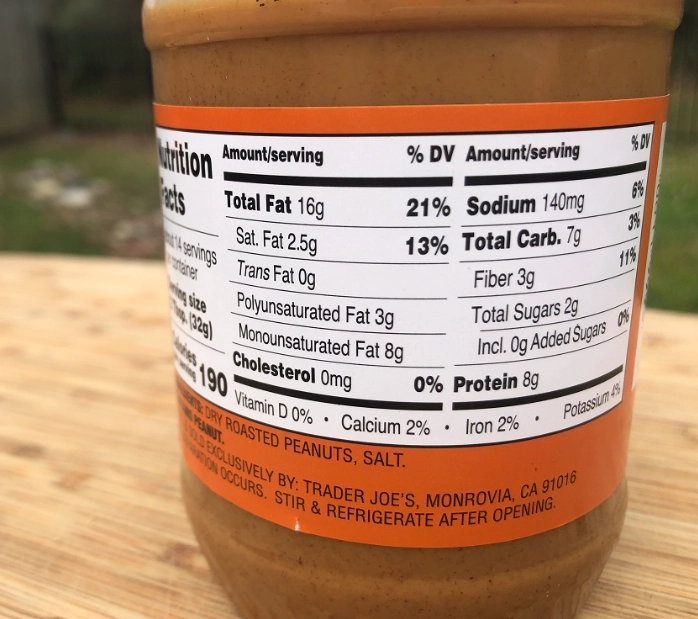
The Core Peanut Butter Nutrition Breakdown
At its heart, real peanut butter is simple: peanuts. Sometimes salt. That's it. The nutrition profile reflects that simplicity. The primary components you need to understand are fats, protein, carbs, fiber, vitamins, and minerals.
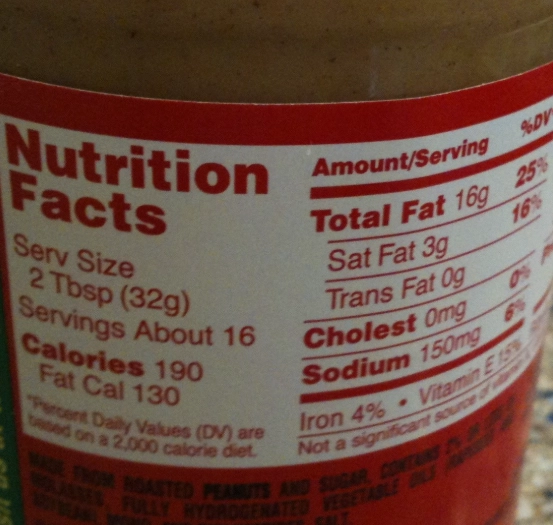
Let's look at a standard 2-tablespoon (32-gram) serving of the plain, classic stuff. This is your baseline for peanut butter nutrition information.
| Nutrient | Amount (in 2 tbsp) | % Daily Value (DV)* |
|---|---|---|
| Calories | ~190-200 | 10% |
| Total Fat | 16g | 21% |
| - Saturated Fat | 3g | 15% |
| - Monounsaturated Fat | 8g | - |
| - Polyunsaturated Fat | 5g | - |
| Protein | 7-8g | 14-16% |
| Total Carbohydrates | 6-7g | 2% |
| - Dietary Fiber | 2-3g | 8-12% |
| - Sugars | 1-3g (natural) | - |
| Sodium | 0-150mg | 0-7% |
*Percent Daily Values are based on a 2,000 calorie diet. Your needs may vary.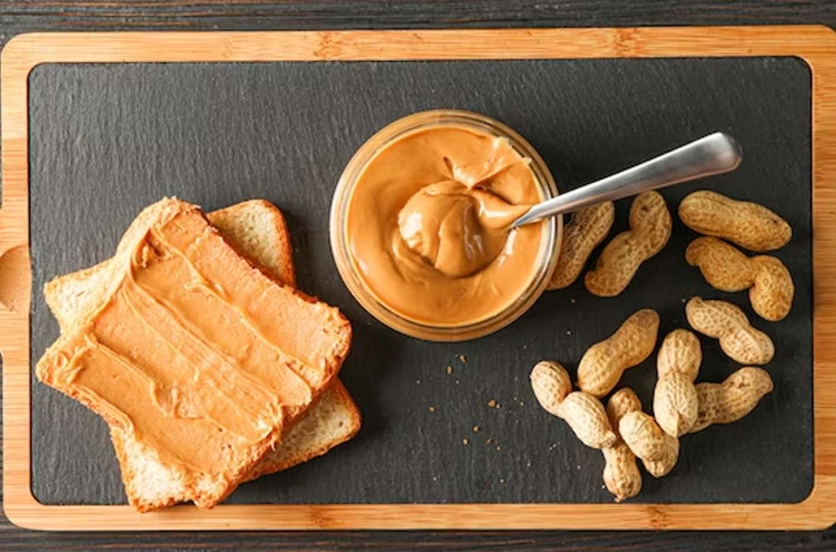
See that fat content? It's high, and that scares a lot of people. But here's the crucial thing: it's mostly the good kind. Over 80% of the fat in peanuts is unsaturated—the heart-healthy kind you find in olive oil and avocados. The monounsaturated fats (MUFAs) are the stars here, linked to improved cholesterol levels and reduced heart disease risk. The saturated fat is present, but in a relatively modest amount.
Now, the protein. Seven to eight grams per serving is solid. It's not a chicken breast, but it's a meaningful amount for a plant-based food. This protein, combined with the fat and fiber, is the golden trio for satiety. It's why a spoonful of peanut butter can keep hunger at bay for hours.
Vitamins and Minerals: The Unsung Heroes
When people talk peanut butter protein and fat, they often skip the micronutrients. That's a mistake. Peanut butter is a surprisingly good source of several essential vitamins and minerals.
- Niacin (Vitamin B3): Vital for converting food into energy and keeping your nervous system healthy. A serving provides about 20-25% of your DV.
- Vitamin E: A powerful antioxidant that protects your cells. You'll get about 10-15% of your DV.
- Magnesium: Involved in over 300 biochemical reactions in your body, from muscle function to blood sugar control. A serving offers about 15% of your DV.
- Phosphorus: Important for healthy bones and teeth.
- Manganese: Supports bone development and metabolism.
- Copper: Helps with iron absorption and energy production.
It's not a multivitamin, but it's a nutrient-dense food. Every bite packs more than just calories.
Natural vs. Conventional: A Nutritional Showdown
This is where peanut butter nutrition information gets really interesting, and where your choice matters most. The term "natural" isn't strictly regulated, but it generally means one thing: no hydrogenated oils.
Conventional, big-brand peanut butters (you know the ones) are engineered for shelf stability and spreadability straight from the fridge. To achieve this, they add hydrogenated vegetable oils—a source of trans fats—along with sugar, emulsifiers, and more salt.
Let's break down the differences.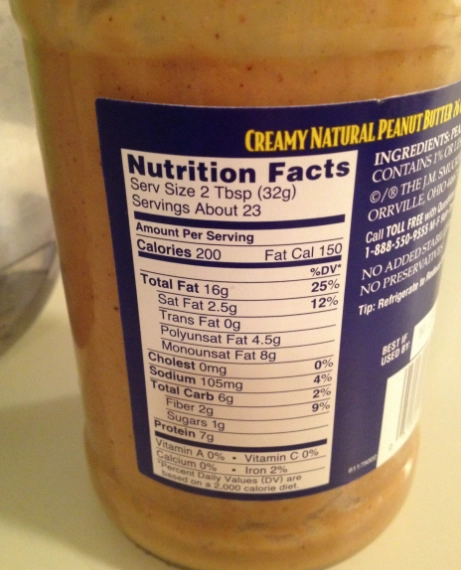
The hydrogenated oils are the biggest red flag. Even if the label says "0g trans fat," if "partially hydrogenated oil" is in the ingredients, it contains trans fats (the FDA allows the 0g claim if it's below 0.5g per serving). These artificial trans fats are the worst type of fat for your heart, raising bad (LDL) cholesterol and lowering good (HDL) cholesterol. The American Heart Association has clear guidelines on avoiding them, which you can read more about on their official page about trans fats.
The sugar content is another major divider. A serving of conventional peanut butter can have 3-4 grams of added sugar. Natural versions have only the tiny amount naturally present in the peanuts themselves (about 1 gram). Over a week, that added sugar adds up without you even noticing.
Health Benefits: What Does the Science Say?
Is peanut butter actually healthy? When you choose the right kind, the research is pretty compelling. It's not a magic bullet, but it's a solid component of a healthy diet.
Heart Health
Despite the old fat-phobic advice, numerous studies link nut and peanut butter consumption to a lower risk of heart disease. The combo of unsaturated fats, fiber, magnesium, and antioxidants like resveratrol works wonders. A large study published in the Journal of the American College of Cardiology found that eating peanuts and tree nuts at least twice a week was linked to a 13% lower risk of cardiovascular disease. The key, of course, is moderation—replacing less healthy fats with nut fats, not just adding them on top of a poor diet.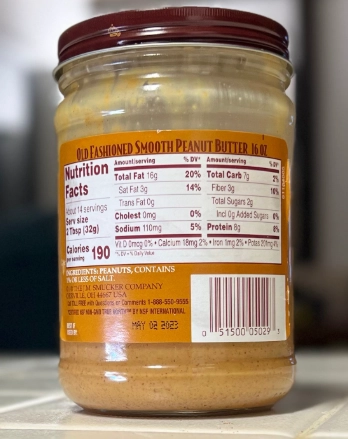
Weight Management
This seems counterintuitive given the calorie density, but it's true. The high satiety factor is the reason. People who include nuts and nut butters in their diet tend to feel fuller longer and may naturally eat less later in the day. The protein and fiber are key players here. Research, including a review in the American Journal of Clinical Nutrition, suggests that nut consumption is not associated with weight gain and may even aid in weight loss when included as part of a calorie-controlled diet.
Blood Sugar Control
For individuals with or at risk for type 2 diabetes, peanut butter can be a smart choice. The healthy fat and fiber slow the release of sugar into the bloodstream. Pairing a carbohydrate (like an apple or toast) with peanut butter creates a more balanced blood sugar response than eating the carb alone. The U.S. Department of Agriculture's FoodData Central is a great resource for verifying the macronutrient profiles that support this benefit.
Muscle Building & Recovery
That peanut butter protein isn't just for show. While not a complete protein (it's low in the amino acid methionine), it still provides a good amount of plant-based protein to support muscle repair and growth, especially when paired with a whole grain (like whole wheat bread) to complete the amino acid profile. It's a convenient, calorie-dense option for those with high energy needs.
Potential Downsides and Who Should Be Cautious
Let's not sugarcoat it—peanut butter isn't perfect for everyone. It's important to be aware of the potential pitfalls.
Calorie Density: This is the biggest one. At nearly 200 calories for two small tablespoons, it's easy to overdo it. I'm guilty of the "heaping tablespoon" that's really two or three servings. Portion control is non-negotiable if weight management is a goal. Using a measuring spoon for a week can be a real eye-opener.
Aflatoxins: Peanuts are susceptible to a mold that produces aflatoxins, which are potential carcinogens. The good news? Commercial processing in the U.S. involves strict monitoring by the FDA. The risk from commercially produced peanut butter is considered very low. Choosing major brands provides an extra layer of safety due to their quality control measures.
Omega-6 Fatty Acids: Peanuts are high in omega-6 fats. While essential, the modern diet is often overloaded with omega-6s and deficient in omega-3s (found in fish, flaxseeds). This imbalance can promote inflammation. It's not a reason to avoid peanut butter, but it's a reason to balance your diet with plenty of omega-3 sources.
Allergies: This is the most serious concern. Peanut allergies are common and can be life-threatening. Obviously, if you have a peanut allergy, peanut butter is off the table.
How to Choose the Best Peanut Butter for You
Armed with all this peanut butter nutrition information, how do you pick a winner? Follow this checklist.
- Ingredients First: Look for a jar where the only ingredients are peanuts and maybe salt. Reject anything with added oils (hydrogenated or palm), sugars, or emulsifiers.
- Check the Sugar: In the nutrition facts panel, look at "Total Sugars." For a pure product, it should be 1-3g with 0g listed as "Added Sugars."
- Consider Sodium: If you're watching your salt intake, look for "no salt added" versions. The salted ones usually have 80-150mg per serving, which is moderate.
- Embrace the Oil Layer: Don't be put off by natural peanut butter that separates. It's a sign of purity. Just stir it thoroughly when you first open it, and store it upside down to help redistribute the oil. You can also store it in the fridge after stirring to keep it firm.
- Texture Preference: This is personal. Creamy or crunchy? Crunchy has the same basic nutrition but provides more texture, which can enhance satiety for some people.
What about powdered peanut butter? It's had most of the fat pressed out, so it's much lower in calories and fat but also lower in the beneficial fats and vitamin E. It's a decent option for adding peanut flavor without the calories, but it's not a nutritionally equivalent substitute for the real thing.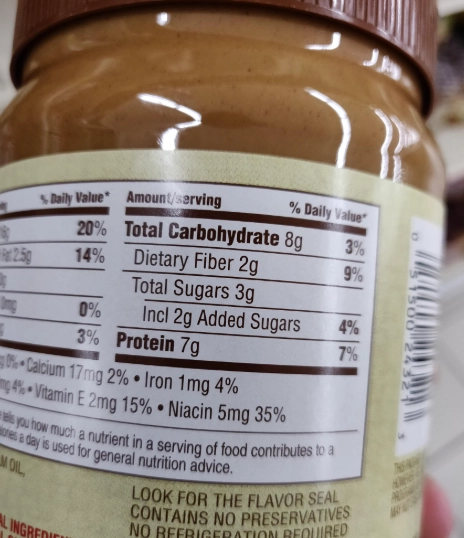
Your Peanut Butter Nutrition Questions, Answered
Putting It All Together: Making Peanut Butter Work for You
So, what's the final verdict on peanut butter nutrition information? It's a nutrient-dense, versatile food that can absolutely be part of a healthy lifestyle. The benefits—heart health, satiety, blood sugar control—are backed by science, but they hinge entirely on choosing a simple, minimally processed product.
Forget the fat-free nonsense and the sugary spreads. Go for the jar with peanuts on the label, and maybe a little salt. Measure your portions at first until you get a feel for what a real serving looks like. Then, enjoy it. Spread it, dip with it, blend it into a smoothie.
It's not a superfood, and it's not poison. It's just a simple, delicious food that, when chosen wisely, brings good nutrition and a lot of satisfaction to your table. And really, isn't that what we all want from our food in the end?
Now, if you'll excuse me, all this talk has made me crave an apple with some of the good stuff. You know what I mean.
Reader Comments