Let's talk about peanut butter and marshmallow cream fudge. You know the one. It's not the fussy, candy-thermometer kind of fudge that makes you sweat. This is the other kind. The kind that feels like a magic trick. You stir a few simple things together in a saucepan, pour it into a pan, and a few hours later you've got squares of pure, creamy, peanut-buttery bliss that practically melt on your tongue. It's a no-bake legend for a reason. But here's the thing I've learned after making it for a decade: even "simple" recipes have their secrets. Get one detail wrong, and instead of that dreamy, smooth texture, you end up with something grainy, too soft, or just off. Today, I'm walking you through not just the recipe, but the why behind every step, so your batch is perfect every single time.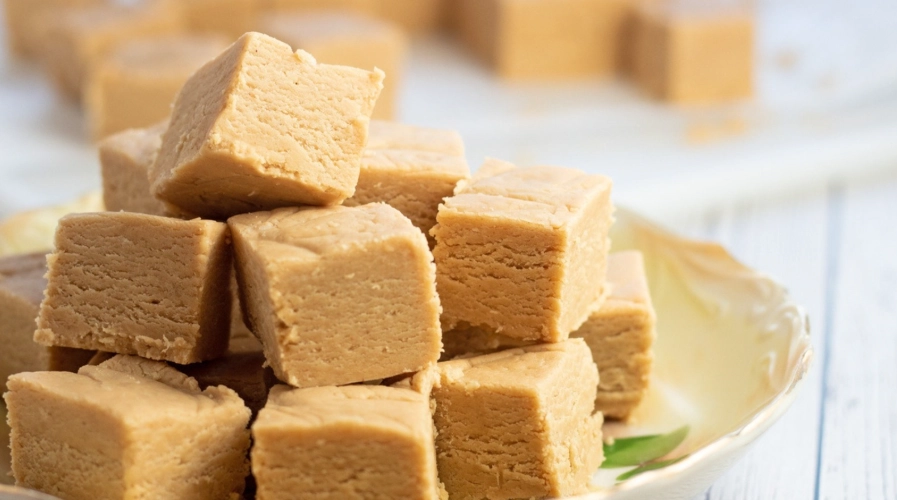
What's Inside This Guide?
How to Make Peanut Butter and Marshmallow Cream Fudge: A Stress-Free Walkthrough
Gather your ingredients. This isn't a drill where you need to run to a specialty store. You likely have most of this already.
What You'll Need:
- Butter: Unsalted. Always unsalted for candy. You control the salt.
- Granulated Sugar: The base. Don't try to reduce it drastically; it's key for structure.
- Evaporated Milk: NOT sweetened condensed milk. This is the most common pantry mix-up. Evaporated milk is unsweetened and thinner, which is what we need here.
- Peanut Butter: Use a standard creamy, shelf-stable brand like Jif or Skippy. The oils are stabilized, which helps the fudge set properly. Natural peanut butter (the kind that separates) can make your fudge oily and not set right.
- Marshmallow Cream (Fluff): The other magic ingredient. It gives that incredible, airy creaminess.
- Vanilla Extract & Salt: The flavor enhancers. The salt cuts the sweetness and makes the peanut butter flavor pop.
You'll also need an 8x8 or 9x9 inch baking pan, lined with parchment paper or foil with some overhang. Trust me, this makes removal a breeze.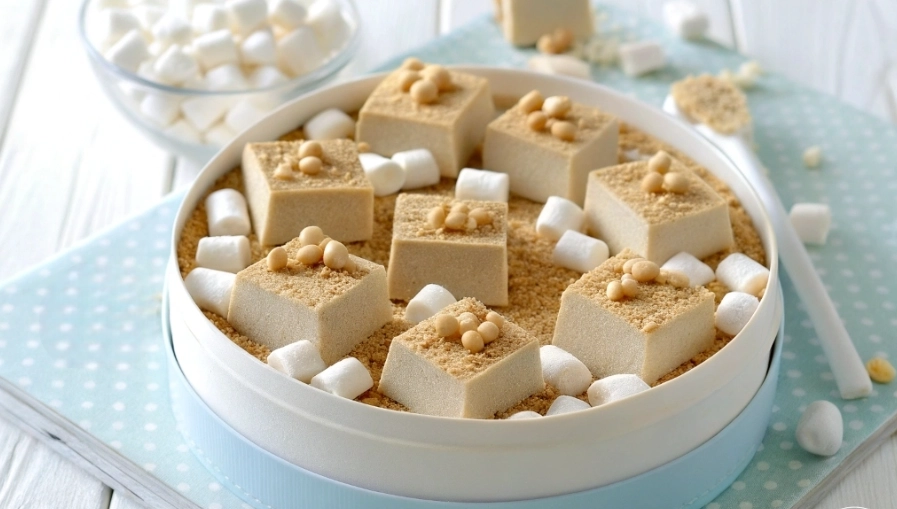
The Process, Demystified
Here’s where people go on autopilot and miss the cues. Don't just watch the clock; watch the pot.
Step 1: The Boil. In a medium-heavy-bottomed saucepan (this distributes heat evenly and prevents scorching), combine the butter, sugar, and evaporated milk. Bring it to a full, rolling boil over medium heat, stirring constantly to dissolve the sugar. Once it's boiling vigorously, set a timer for 5 minutes. Keep stirring. Not occasionally. Constantly. This prevents the sugar from crystallizing on the sides and creating graininess.
Step 2: The Off-Heat Mix. This is critical. Remove the pan from the heat. Immediately stir in the marshmallow cream and peanut butter until they are fully melted and incorporated. It will look glorious and smooth. Now, stir in the vanilla and salt.
Step 3: The Pour and Set. Pour the mixture into your prepared pan. Smooth the top with a spatula. Let it cool at room temperature for about 30 minutes, then transfer it to the refrigerator to set completely for at least 3-4 hours, or overnight is even better. Don't try to cut it while it's warm. Patience is the final ingredient.
Three Secrets No One Tells You About Fudge (Until Now)
Okay, you have the recipe. Here's the expertise—the stuff that separates a good batch from a legendary one.
Secret #1: The Sugar Crystal Saboteur. The enemy of smooth fudge is premature sugar crystallization. Those tiny grains that make it feel sandy. The biggest culprit? Stirring after you've added the peanut butter and marshmallow cream for too long. Once everything is melted and smooth, stop. Excessive stirring as it cools encourages crystals to form. Pour it and walk away.
Secret #2: The Peanut Butter Paradox. I mentioned using commercial creamy peanut butter. Let me tell you about my disaster with "all-natural." I wanted a "healthier" fudge (a laughable concept, I know). The oil separated during setting, leaving a greasy film on top and a weird, crumbly texture underneath. The stabilizers in regular peanut butter are there for a reason in this context. Use them.
Secret #3: The Setting Time Lie. Most recipes say "2 hours to set." That's the minimum for it to be sliceable. But if you want clean, sharp squares that hold their shape at room temperature, give it a full 6 hours or overnight in the fridge. The flavor also improves as it rests. Cutting it too early leads to messy, soft pieces that smear.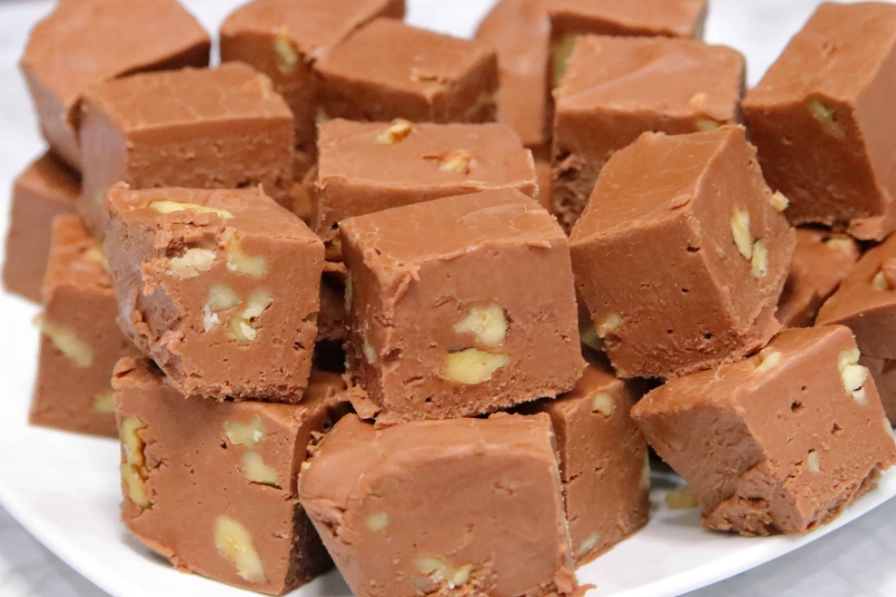
Storing, Gifting, and Serving Your Fudge
You've made perfect fudge. Now what?
Store it in an airtight container in the refrigerator. It will keep for up to 2 weeks. You can also freeze it for up to 3 months. Thaw overnight in the fridge. It's best served cool or at room temperature.
For gifting, cut it into neat 1-inch squares. Layer them in a festive tin between sheets of parchment or wax paper. A simple ribbon and a tag with "Homemade Peanut Butter Fudge" makes a heartfelt gift that beats anything store-bought.
Honestly, I think it's perfect with just a glass of cold milk. But it's also incredible crumbled over vanilla ice cream, or as a sweet bite alongside a strong cup of black coffee.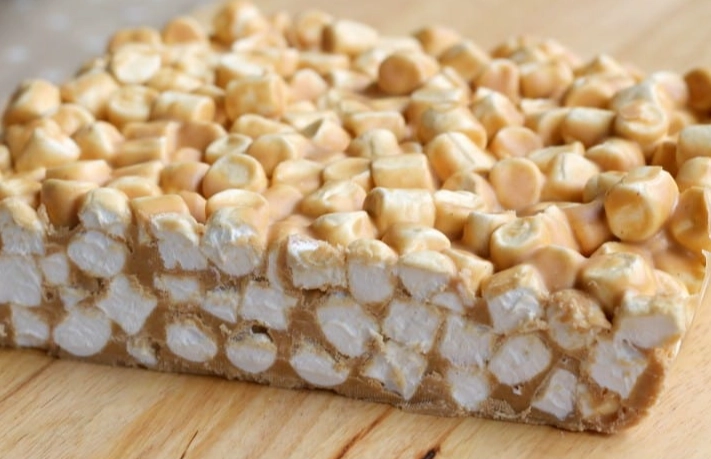
Your Top Fudge-Making Questions Answered
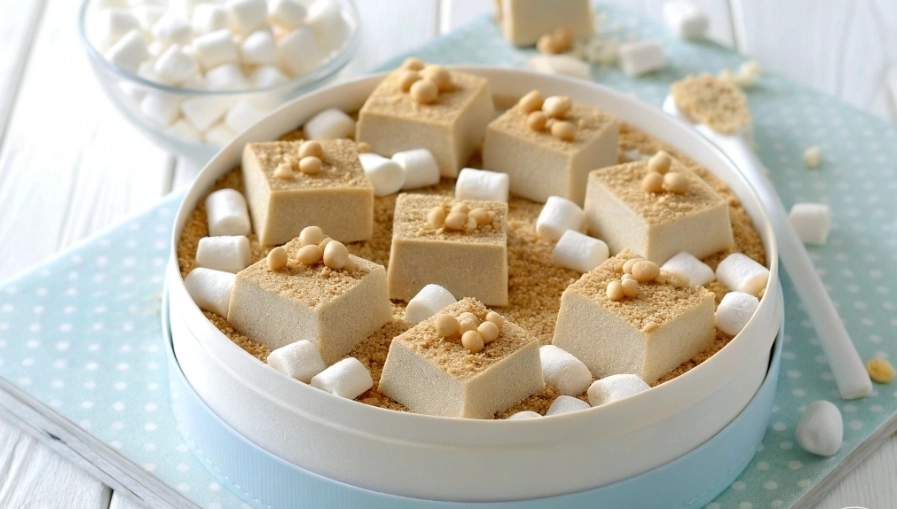 There you have it. More than just a recipe, it's a blueprint for a no-fail, crowd-pleasing treat. The beauty of this peanut butter and marshmallow cream fudge is in its simplicity, but mastering those few key details transforms it from just sweet to spectacular. Go grab that saucepan. Your perfect batch is waiting.
Reader Comments