Let's cut to the chase. If you've ever been intimidated by candy thermometers and the precise stages of sugar syrup, this peanut butter fudge recipe is your new best friend. The secret weapon? A can of sweetened condensed milk. This single ingredient transforms fudge-making from a high-stakes science experiment into a relaxed, almost foolproof kitchen project. I've made this recipe dozens of times, for everything from last-minute holiday gifts to a Tuesday night sugar craving, and it never fails. The result is a batch of unbelievably creamy, rich, and perfectly sweet fudge that sets up with a firm yet melt-in-your-mouth texture.
Why does it work so well? Sweetened condensed milk is essentially pre-cooked milk and sugar. It's thick, stable, and binds everything together without the risk of graininess that plagues traditional boiled fudge. You're essentially skipping the most error-prone step.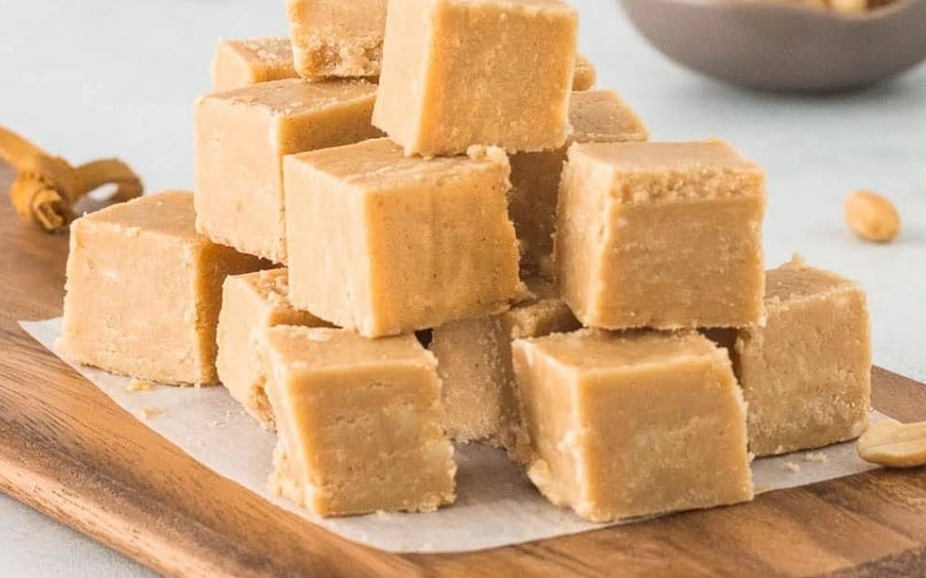
In This Article
- Why This 3-Ingredient Fudge Recipe Actually Works
- Your Shopping List: More Than Just Peanut Butter and Milk
- The Foolproof Step-by-Step Process
- The 3 Biggest Mistakes Everyone Makes (And How to Avoid Them)
- Beyond Basic: Flavor Variations and Gourmet Upgrades
- Storing, Gifting, and Serving Your Homemade Fudge
- Your Peanut Butter Fudge Questions, Answered
Why This 3-Ingredient Fudge Recipe Actually Works
Most traditional fudge recipes require you to cook sugar, butter, and milk to the "soft-ball stage" (around 235°F or 113°C). Miss it by a few degrees, and you get a sticky mess or a grainy brick. It's stressful.
Sweetened condensed milk changes the game.
Companies like Eagle Brand have already done the cooking for you, reducing the milk and sugar to a thick, shelf-stable syrup. When you heat it gently with peanut butter and chocolate chips, you're just melting and combining, not chemically transforming sugars. This drastically reduces the margin for error. The high sugar content and milk solids in the condensed milk inhibit large sugar crystals from forming, which is the primary cause of gritty fudge. According to the science of candy-making, you're creating a "non-crystalline" or "grained" confection, but in the easiest way possible.
Your Shopping List: More Than Just Peanut Butter and Milk
You can make a decent fudge with just three things: peanut butter, sweetened condensed milk, and chocolate chips. But the quality and type of these ingredients directly impact your final product. Let's break it down.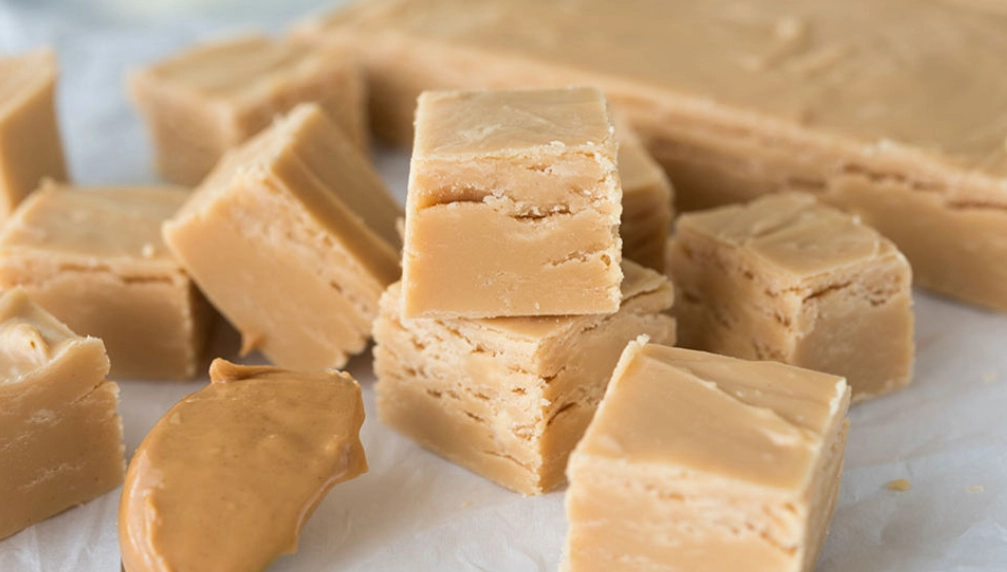
| Ingredient | What to Look For | What to Avoid | Pro-Tip |
|---|---|---|---|
| Peanut Butter | Creamy, commercial brand peanut butter (like Jif or Skippy). These have stabilizers (hydrogenated oils) that help the fudge set firmly and slice cleanly. | Natural peanut butter (the kind that separates). The oil will leak out, creating a greasy layer. | For a deeper flavor, use a "natural" style that doesn't separate, but expect a slightly softer set. |
| Sweetened Condensed Milk | One standard 14-ounce can. Any major brand is fine. | Evaporated milk. They are not the same. Evaporated milk is unsweetened and will not work. | Make sure it's not expired. Old condensed milk can sometimes have a slightly caramelized or "off" flavor. |
| Chocolate Chips | High-quality semi-sweet chips (like Ghirardelli or Guittard) or milk chocolate chips for a sweeter fudge. | Chocolate chips with a very low cocoa butter content (some cheap brands). They might not melt as smoothly. | Chop a chocolate bar instead of using chips for an ultra-smooth melt. Chips are designed to hold their shape. |
| Vanilla Extract & Salt (Optional but Recommended) | Pure vanilla extract and a pinch of fine sea salt. | Imitation vanilla. It can taste artificial. | The salt is non-negotiable in my book. It cuts the overwhelming sweetness and makes the peanut butter flavor pop. |
I learned the hard way about peanut butter choices. My first attempt, fueled by a desire to be "healthy," used an artisanal, oil-on-top natural peanut butter. The fudge tasted great but was an oily disaster that never fully set. It was more of a peanut butter paste. Stick with the classic stuff for this application.
The Foolproof Step-by-Step Process
Grab an 8x8 inch pan. Line it with parchment paper, letting the edges hang over the sides. This is your lifeline for easy removal. No greasing needed.
Now, the main event. In a medium saucepan—not a small one, you need room to stir—combine the entire can of sweetened condensed milk and about 2 cups of peanut butter. Turn the heat to medium-low. Your goal is to warm and combine, not to create a rolling boil. Stir constantly with a silicone spatula. You'll feel the resistance lessen as everything melts together into a glorious, smooth, lava-like mixture. This takes about 5-7 minutes.
Remove the pan from the heat. Immediately stir in your chocolate chips (about 2 cups) and a teaspoon of vanilla extract. The residual heat will melt the chocolate. Keep stirring until it's completely smooth and uniform. Don't rush this. If a few chips are stubborn, you can return the pan to the lowest heat for 15 seconds, but usually, off-heat stirring does the trick.
This is the moment for salt.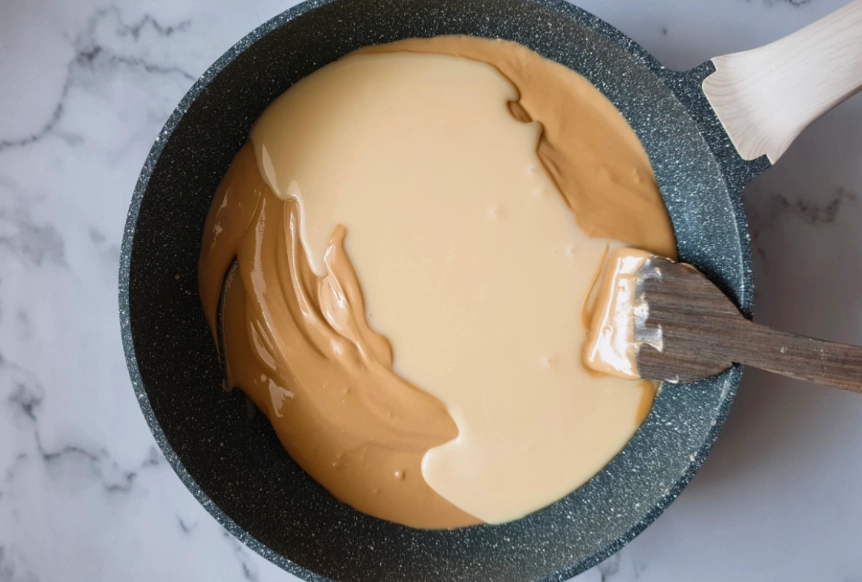
Sprinkle in that quarter teaspoon and give it one final stir. Pour the thick, glossy mixture into your prepared pan. Use the spatula to spread it into an even layer. It will be very thick.
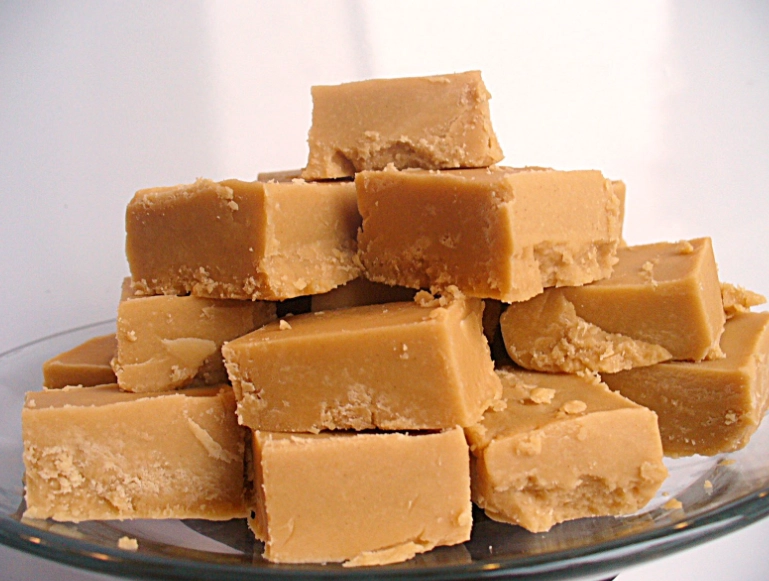
Now, the hardest part: waiting. You must let it cool completely at room temperature before you even think about refrigerating it. If you shock the warm fudge with cold air, condensation can form on the surface, making it sticky. After an hour or two at room temp, cover it loosely and pop it in the fridge for at least 4 hours, but overnight is ideal. This slow, steady cooling ensures the perfect texture.
The 3 Biggest Mistakes Everyone Makes (And How to Avoid Them)
Even with an easy recipe, there are pitfalls. Here’s what I see most often.
1. Using the Wrong Peanut Butter
I've harped on this, but it's the number one reason for failure. The stabilizers in conventional peanut butter are part of the structure. Think of them as the rebar in concrete. Natural peanut butter is just peanuts and oil—no rebar. Your fudge will be unstable.
2. Impatience with Cooling and Setting
You pour the fudge, it looks amazing, and you want to cut it in an hour. Resist. The fudge needs time for its fat and sugar structure to solidify properly. Cutting too early leads to messy, crumbly squares that won't hold their shape. The overnight chill in the fridge isn't a suggestion; it's a requirement for clean cuts.
3. Over-stirring After Adding Chocolate
Once the chocolate is melted in, you're done. Excessive stirring can incorporate air bubbles and, in some cases, cause the fats to start separating. Stir just until you see no more streaks, then pour.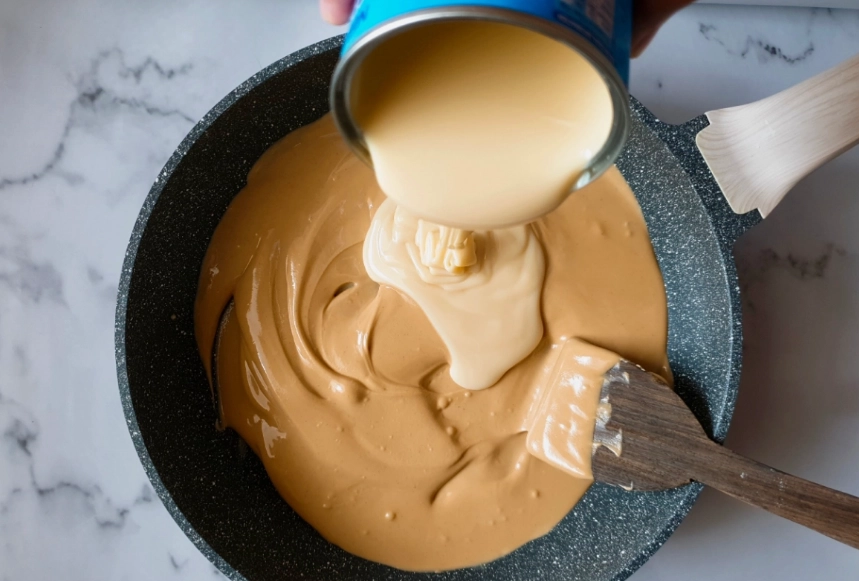
Beyond Basic: Flavor Variations and Gourmet Upgrades
The basic recipe is a blank canvas. Once you've mastered it, try these twists.
Swirled Fudge: Before pouring the entire batch, set aside about a third of the mixture. To the smaller portion, don't add chocolate chips. Pour the chocolate fudge into the pan, then dollop the plain peanut butter fudge on top. Use a knife to swirl for a marbled effect.
Crunchy Add-Ins: After combining everything, fold in a cup of chopped, salted peanuts, pretzel pieces, or even crushed potato chips (trust me, the salty crunch is incredible).
Flavor Infusions: Add a half teaspoon of espresso powder with the chocolate for a mocha twist. Or, swap the vanilla for a splash of bourbon or rum extract for an adult version.
The "Rocky Road": Fold in mini marshmallows and extra chocolate chunks after mixing. You'll need to press it into the pan instead of pouring.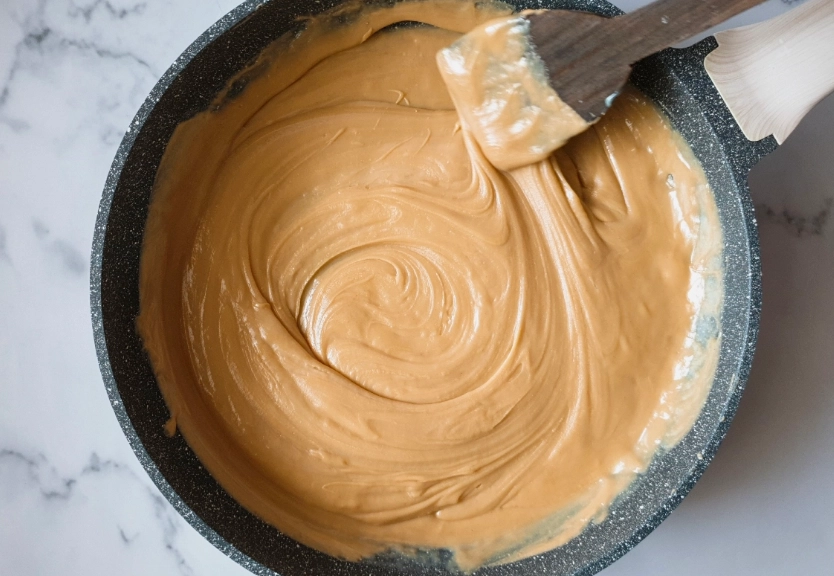
Storing, Gifting, and Serving Your Homemade Fudge
Properly stored, this fudge keeps beautifully. Once fully set and cut, layer the squares between sheets of parchment paper in an airtight container. It will last at room temperature in a cool place for about a week. You can refrigerate it for up to 3 weeks, but let it come to room temp before serving for the best texture and flavor. It also freezes exceptionally well for up to 3 months. Thaw in the fridge overnight.
For gifting, a small cardboard box or tin lined with parchment or wax paper is perfect. Tie it with a ribbon. A handwritten note with the ingredients is a thoughtful touch for those with allergies. It's a personal, heartfelt gift that beats anything store-bought.
Your Peanut Butter Fudge Questions, Answered
 Why did my fudge turn out grainy or sugary?
Reader Comments