Let's cut to the chase: two tablespoons of regular creamy peanut butter pack about 190 calories. But if you think that's the whole story, you're missing the nuances that can make or break your diet. I learned this the hard way when I tracked my intake and realized my "healthy" peanut butter habit was adding 500 extra calories a week. This guide dives deep into peanut butter calories, covering everything from brand differences to portion control tricks that most blogs gloss over.
What's Inside This Guide
What Are the Calories in Different Types of Peanut Butter?
Not all peanut butters are created equal. The calories can swing by 20% depending on ingredients. Here’s a breakdown based on data from the USDA FoodData Central and popular brands like Jif and Skippy.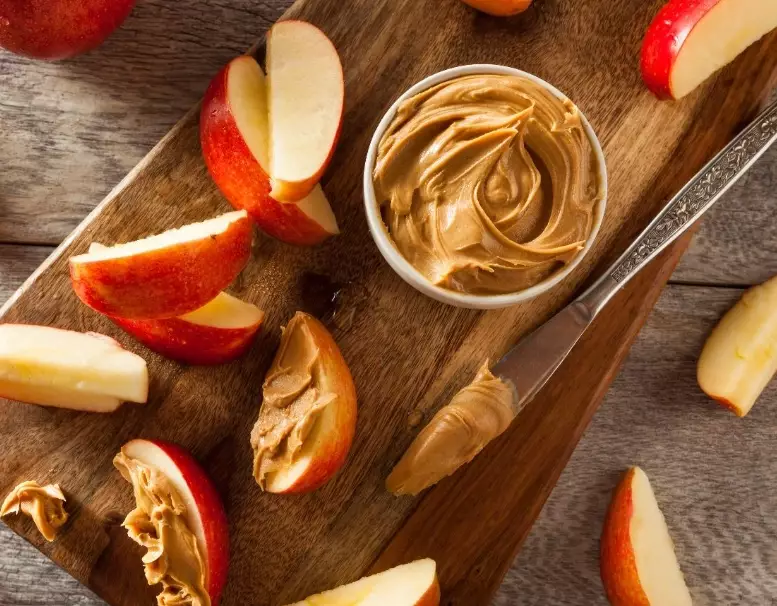
| Type of Peanut Butter | Calories per 2 Tbsp (32g) | Key Notes |
|---|---|---|
| Regular Creamy (with added sugar and oil) | 190-200 | Most common; includes stabilizers |
| Natural Creamy (just peanuts and salt) | 180-190 | Oil separates; often lower in sugar |
| Crunchy (any style) | 190-200 | Texture doesn’t affect calories much |
| Powdered Peanut Butter (e.g., PB2) | 45-60 | Rehydrated; fat removed |
| Reduced-Fat Versions | 150-170 | Often higher in sugar to compensate |
I once switched from natural to regular thinking it was the same, but the added sugar bumped my daily intake by 50 calories without me noticing. That’s a pound of weight gain over two months if you’re not careful.
Creamy vs. Crunchy: Does Texture Affect Calories?
Short answer: no. The calorie difference is negligible—maybe 5 calories at most. Crunchy peanut butter just has chopped peanuts added, which doesn’t change the energy density. Where people mess up is assuming crunchy is healthier. It’s not; it’s the ingredients list that matters.
Natural vs. Regular: The Sugar and Oil Impact
Natural peanut butter, with just peanuts and salt, tends to have slightly fewer calories because it lacks added sugars and hydrogenated oils. But here’s a twist: some natural brands use palm oil, which can add calories. Always check the label. Regular peanut butter often includes molasses or corn syrup, adding empty calories that don’t fill you up.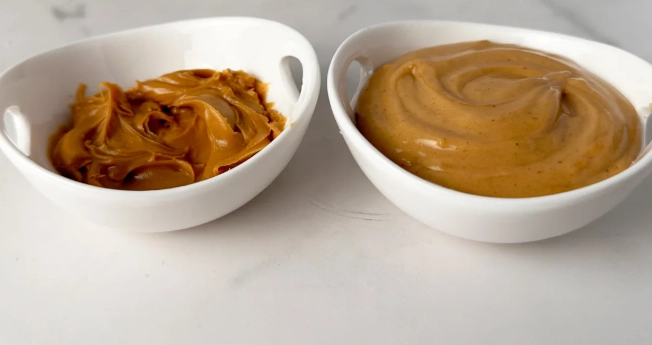
How to Accurately Measure Peanut Butter Calories for Your Diet
Eyeballing portions is the biggest culprit in calorie miscalculation. A "heaping" tablespoon can easily double the calories. Let’s get practical.
Pro Tip: Use a kitchen scale. Weighing peanut butter in grams is more accurate than using spoons, since density varies. Two tablespoons should be 32 grams, but I’ve seen it range from 28 to 40 grams depending on how you scoop.
Here’s a simple method I use:
- Step 1: Place your container on a scale and tare it to zero.
- Step 2: Scoop out your desired amount—say, for a snack, I aim for 16 grams (about 90 calories).
- Step 3: Log it in your app. Most databases use per-100g values, so convert accordingly.
If you don’t have a scale, use measuring spoons and level them off with a knife. Don’t just dig in; that’s how I accidentally added 100 calories to my oatmeal every morning.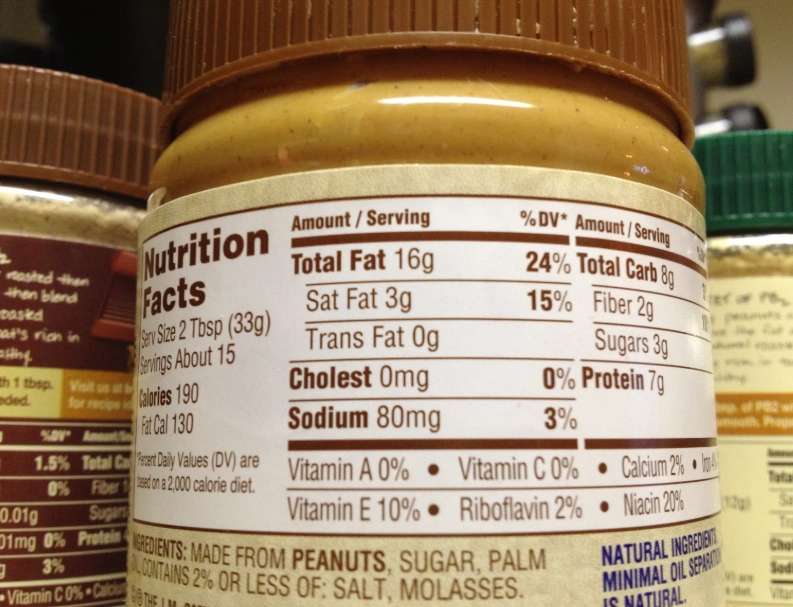
The Role of Peanut Butter in Weight Loss and Healthy Eating
Peanut butter is calorie-dense, but it’s not a diet villain. In fact, its protein and fiber can keep you full longer. The key is moderation. A study from the Harvard T.H. Chan School of Public Health notes that nuts and nut butters, in controlled portions, support heart health without promoting weight gain.
I’ve coached clients who lost weight while eating peanut butter daily. They stuck to one tablespoon (about 95 calories) paired with apple slices or celery. The fat content slows digestion, curbing cravings. But if you’re on a keto or low-carb diet, watch out: some brands add sugars that can kick you out of ketosis.
A Real-Life Scenario: Jane’s Peanut Butter Overhaul
Jane thought she was eating healthy with two tablespoons of peanut butter on toast every morning. That’s 190 calories. But she used a heaping spoon, so it was closer to 250. Over a month, that extra 60 calories daily added up to 1,800 calories—half a pound of potential weight gain. She switched to weighing portions and saved herself from creeping weight.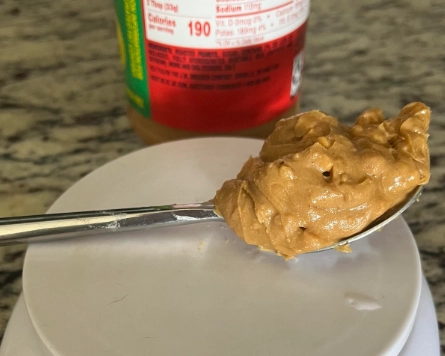
Common Mistakes When Counting Peanut Butter Calories
After years as a nutrition coach, I’ve seen these errors repeatedly. They’re subtle but costly.
- Ignoring Added Oils: Many low-fat peanut butters replace fat with sugar, spiking calories per gram. Check the label: if sugar is in the top three ingredients, reconsider.
- Forgetting About Cross-Contamination: When you dip a knife back into the jar after spreading it on bread, you’re adding unseen calories. I estimate this adds 10-20 calories per use.
- Assuming All Brands Are Equal: A brand like Justin’s natural peanut butter might have 190 calories per serving, while Store Brand could be 210. Always verify with the nutrition facts panel.
My personal blunder was using peanut butter in smoothies without accounting for the liquid volume. The blender left residue, meaning I was consuming only 80% of what I measured. It took a food diary to spot that.
Your Peanut Butter Calorie Questions Answered
Peanut butter calories don’t have to be a mystery. With accurate measuring and smart choices, you can enjoy it guilt-free. Start by checking your jar today—those small adjustments add up to big results.
Reader Comments