Quick Navigation
- Why Should You Even Care About Fiber in Your PB?
- So, How Much Fiber Are We Actually Talking About?
- Beyond the Numbers: What Does This Fiber Actually DO For You?
- How to Actually Find a High Fiber Peanut Butter (The Smart Shopper's Guide)
- My Hands-On Rundown: Peanut Butter Brands & Their Fiber Content
- Frequently Asked Questions (Stuff You're Probably Wondering)
- Wrapping It Up: Your Action Plan
Okay, real talk. I was standing in the grocery aisle the other day, staring at what felt like a hundred different jars of peanut butter. Creamy, crunchy, natural, reduced-fat, no-stir... my head was spinning. And you know what I was really trying to figure out? Which one had a decent amount of fiber in peanut butter. Seems simple, right? But the labels are a mess. Some boast about protein (which, fair), but they're totally silent on the fiber content. It's like the forgotten nutrient in the spread.
I ended up grabbing a couple, got home, and did a deep dive. And honestly, I learned a lot that changed how I shop. If you're trying to bump up your fiber intake (and let's be real, most of us are), understanding the fiber in peanut butter situation is a game-changer. It's not just about the protein hit anymore.
So, let's break it down. No fluff, just what you need to know to make a better choice for your gut and your goals.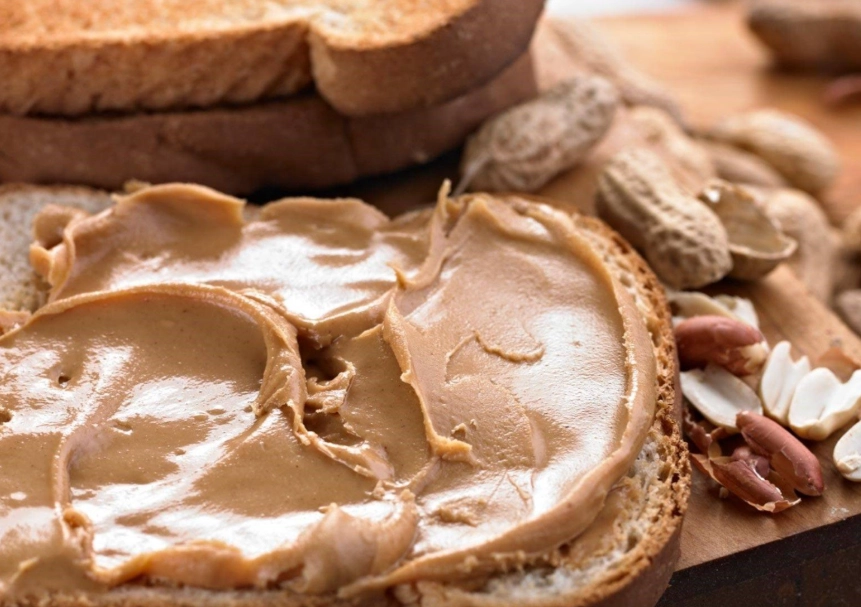
Why Should You Even Care About Fiber in Your PB?
We hear "eat more fiber" all the time. But when it comes to something like peanut butter, it's easy to overlook. You're thinking protein, healthy fats, maybe the taste. Fiber feels like a bonus feature. But it shouldn't be.
Think about what peanut butter often gets paired with: white bread, jelly, maybe a banana. Those are often low-fiber partners. So if your peanut butter is also low in fiber, that whole snack or meal is doing very little for your digestion or keeping you full. Adding a good source of fiber in peanut butter to the mix changes the math completely.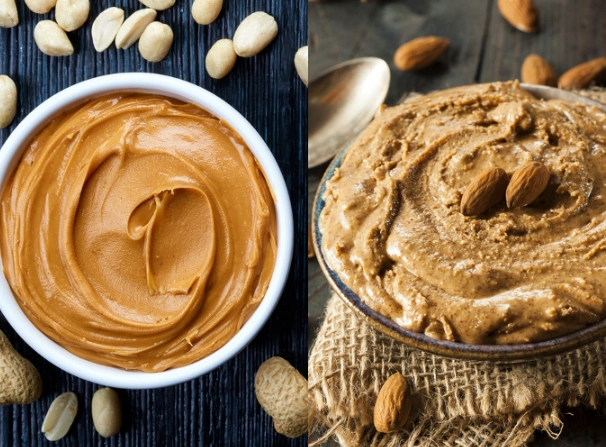
It turns a simple snack into something that actually sustains you. The fiber slows down the digestion of the fats and sugars (even natural ones), giving you a steadier energy release. No more mid-morning crash after your toast.
Quick Thought: I started paying attention to the peanut butter fiber content when I realized my "healthy" afternoon snack wasn't stopping me from raiding the cupboard an hour later. A switch to a higher-fiber brand made a noticeable difference in my cravings.
So, How Much Fiber Are We Actually Talking About?
This is where it gets interesting. The amount of fiber in peanut butter can vary wildly. I mean, from practically zero to a pretty solid contribution to your daily goals.
Let's look at the numbers. A standard serving is usually 2 tablespoons (about 32 grams). Here’s what you typically get across different types, based on data from sources like the USDA's FoodData Central. This is a fantastic resource if you ever want to nerd out on the exact nutrients in thousands of foods.
| Type of Peanut Butter | Fiber per 2 Tbsp (approx.) | What's Going On | My Take |
|---|---|---|---|
| Conventional (Skippy, Jif, etc.) | 1-2 grams | Made with roasted peanuts, sugar, hydrogenated oils, salt. The heavy processing and added ingredients dilute the natural fiber from the peanuts. | Honestly, pretty disappointing. You're getting mostly fat and sugar with a tiny fiber sprinkle. |
| "Natural" Style (Stirred) | 2-3 grams | Just peanuts and salt. The oil separation is a sign. Because it uses the whole peanut, it retains more of the natural fiber found in the nut's skin and body. | This is the baseline for decent fiber in peanut butter. A solid, honest choice. |
| Powdered Peanut Butter (PB2, etc.) | 2-4 grams | Peanuts are pressed to remove most fat, then powdered. Surprisingly, the fiber often remains concentrated. Check the label! | A sneaky good source if you're watching calories, but the taste/texture is different. Not my favorite for sandwiches. |
| High-Fiber / "Better-For-You" Brands | 4-8 grams | These brands often add extra fiber sources like chicory root inulin, flaxseed, or simply use more of the peanut skin/husk, which is fiber-rich. | This is where the magic happens. You can literally double or triple your intake. A total game-changer. |
See the range? From 1 gram to 8 grams. That's a huge swing. If your goal is 25-35 grams of fiber a day (as recommended by groups like the Academy of Nutrition and Dietetics), that 2-tbsp serving could give you a measly 4% or a stellar 20%+ of your daily needs. It matters.
Remember: The fiber content is directly tied to how much of the actual peanut—skin and all—is in the jar, and what else has been added (or taken away).
Beyond the Numbers: What Does This Fiber Actually DO For You?
Okay, so we know the amounts. But why go out of your way to find a high fiber peanut butter? Let's connect the dots to your actual life.
It Keeps You Fuller, Way Longer
This is the big one for me. Fat and protein are satiating, but fiber adds bulk and slows everything down in your digestive tract. A peanut butter with 1 gram of fiber might tide you over for an hour. One with 5-6 grams? That can legitimately be the backbone of a meal that keeps you satisfied for half the day. It's the difference between a snack and sustenance.
Your Gut Bugs Will Throw a Party
A lot of the fiber in peanuts (and especially in added fibers like inulin) is prebiotic. That means it's food for the good bacteria in your gut. A happier gut microbiome is linked to better digestion, a stronger immune system, and even improved mood. Who knew your peanut butter could be a probiotic feeder?
Blood Sugar Balance Gets a Hand
Peanuts have a low glycemic index to begin with. Pair that with a solid dose of fiber, and the carbohydrates in the peanut butter (and whatever you eat it with) are absorbed much more slowly. This prevents those sharp spikes and crashes in blood sugar. It's a more stable energy source, which is crucial for everyone, but especially if you're managing insulin sensitivity.
Heart Health Gets a Nudge
Soluble fiber (the kind found in peanuts and often added to high-fiber blends) can help bind to cholesterol in your digestive system and help remove it from the body. The American Heart Association promotes foods with healthy fats and fiber for heart health. Choosing a peanut butter rich in both aligns perfectly with that.
How to Actually Find a High Fiber Peanut Butter (The Smart Shopper's Guide)
Don't just grab the first "natural" jar you see. You've got to become a label detective. Here’s your field guide.
Step 1: Flip it Over and Look at the Nutrition Facts. This is non-negotiable. Ignore the front-of-package claims like "High Protein" or "No Sugar Added." Go straight to the Dietary Fiber line. You're looking for at least 3 grams per serving, and ideally 4 or more. Anything less is just okay, not great.
Step 2: Scan the Ingredients List. What you want to see:
- Simple List: Peanuts. Maybe salt. That's the gold standard for a pure product.
- Fiber Boosters: If you see "peanut flour," "inulin" (from chicory root), "flaxseed," or "oat fiber," that's a brand intentionally boosting the fiber in peanut butter. This is a good thing!
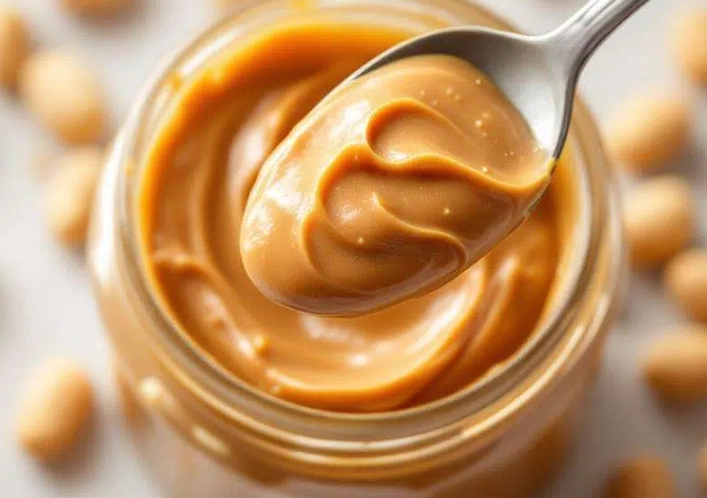
What you want to avoid:
- Filler Oils: Hydrogenated or partially hydrogenated oils (trans fats). These are added to prevent oil separation but offer zero nutritional benefit and can harm heart health.
- Excess Sugar: Sugar, corn syrup solids, molasses. Some is okay for taste, but if it's in the first 3 ingredients, it's a sugar paste with peanuts, not a high fiber peanut butter.
Step 3: Consider the Type.
- Crunchy vs. Creamy: Crunchy sometimes has a *tiny* bit more fiber because it includes more visible peanut bits/fragments, but the difference is usually minimal. Choose based on texture preference.
- Powdered: Don't dismiss it. Mix it into oatmeal, yogurt, or smoothies for a big fiber and protein boost without the fat calories. Just know it won't work for a classic PB&J.
Watch Out: "Reduced Fat" peanut butter is almost always a trap. They remove the healthy peanut fat and almost always replace it with... more sugar or refined carbs to make up for the lost taste and texture. The fiber content usually doesn't improve, and you lose the satiating fat. Just pick a regular or natural one.
My Hands-On Rundown: Peanut Butter Brands & Their Fiber Content
I've tried a lot of these. Here's my informal, totally subjective ranking based on fiber content, taste, and overall quality. This isn't sponsored, just my pantry experience.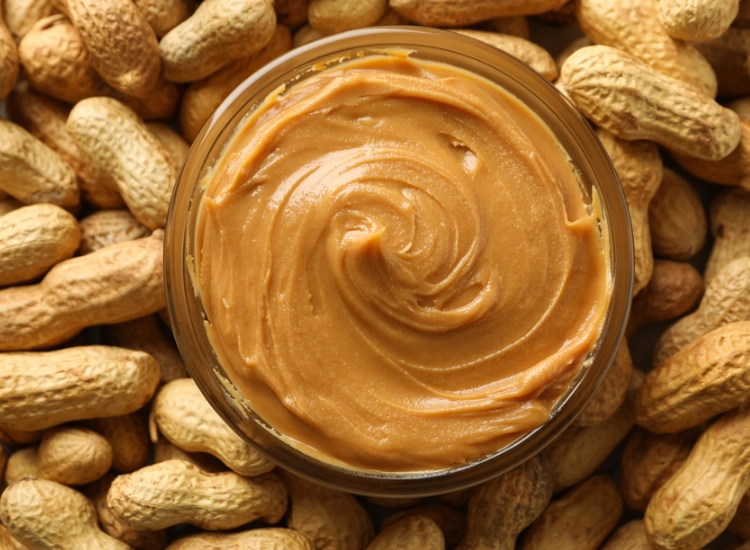
Top Tier (The Fiber Champions - 4g+)
- Crazy Richard's 100% Peanut Powder: 4g fiber per serving. This is my smoothie secret weapon. Just peanuts, powdered. Mixes easily, no added sugar.
- PBfit All-Natural Peanut Butter Powder: 4g fiber. Similar to Crazy Richard's, sometimes easier to find. Tastes good reconstituted with water for a spread.
- Certain "Protein Plus" or "Fiber-Rich" Blends: Brands like Naked Nutrition make a peanut butter with added pea protein and fiber that can hit 5-6 grams. The texture can be very thick and pasty, though. An acquired taste.
Middle Ground (The Solid, Reliable Choices - 2-3g)
- Smucker's Natural: The classic. 2g fiber. It's everywhere, tastes like peanuts, and you have to stir it. A trustworthy staple.
- Teddie All Natural: 3g fiber. I find this one has a slightly better, richer peanut flavor than some others in this range.
- Kirkland (Costco) Organic: 3g fiber. Great value if you have a membership. Tastes good and clean.
The Letdowns (Low Fiber - 2g or less)
- Jif, Skippy, Peter Pan (Regular): 1-2g fiber. They're nostalgic and sweet, but they're not where you go for fiber in peanut butter.
- Most "No-Stir" Natural Butters: Check the label! Many use palm oil or other stabilizers to prevent separation, and while convenient, they often don't boost the fiber beyond the standard 2-3g.
My personal daily driver right now is a natural, stirred kind from a local brand that gets 3g. But when I'm making a post-workout smoothie, I always reach for the powdered kind to pump up the numbers without thinking.
Frequently Asked Questions (Stuff You're Probably Wondering)
Wrapping It Up: Your Action Plan
Look, you don't need to overcomplicate it. Finding a good source of fiber in peanut butter is one of the easiest nutrition upgrades you can make.
- Check your current jar. What's the fiber count? If it's 1 or 2 grams, you know there's room for improvement.
- On your next grocery run, spend 2 extra minutes in the aisle. Compare labels. Look for 3g of fiber or more per serving. Prioritize brands with just peanuts (and salt) or those that add clean fiber boosters.
- Consider keeping two kinds. A natural one for sandwiches and a powdered one for adding to shakes, oatmeal, or baking. It covers all your bases.
- Don't fear the stir. Natural peanut butter that separates is a sign of quality. Just give it a good mix when you open it and store it upside down in the fridge to slow re-separation.
The bottom line is that paying attention to the peanut butter fiber content is a small habit with a big payoff. You get a more satisfying, gut-friendly, and blood-sugar-friendly food that still delivers that classic, comforting taste. It’s a win-win. Now, go forth and find your perfect, fiber-packed jar.
Reader Comments