Let's cut to the chase. If you're scooping out a spoonful of regular creamy Jif or Skippy hoping for a major fiber boost, I've got some disappointing news. The short answer is no, traditional creamy peanut butter is not high in fiber. A standard 2-tablespoon serving typically provides only about 1.5 to 2 grams of fiber. That's just 5-8% of the daily recommended intake (which is 25-38 grams, depending on who you ask).
I remember looking at the label on my own jar years ago, surprised at how low that number was. We associate nuts and seeds with fiber, so what gives?
What You'll Find in This Guide
Why Creamy Peanut Butter is Surprisingly Low in Fiber
It all comes down to processing. A whole peanut in its shell is a decent fiber source. The fiber is primarily in the papery red skin and the peanut itself. To make that ultra-smooth, spreadable product we love, manufacturers do a few things that strip fiber away.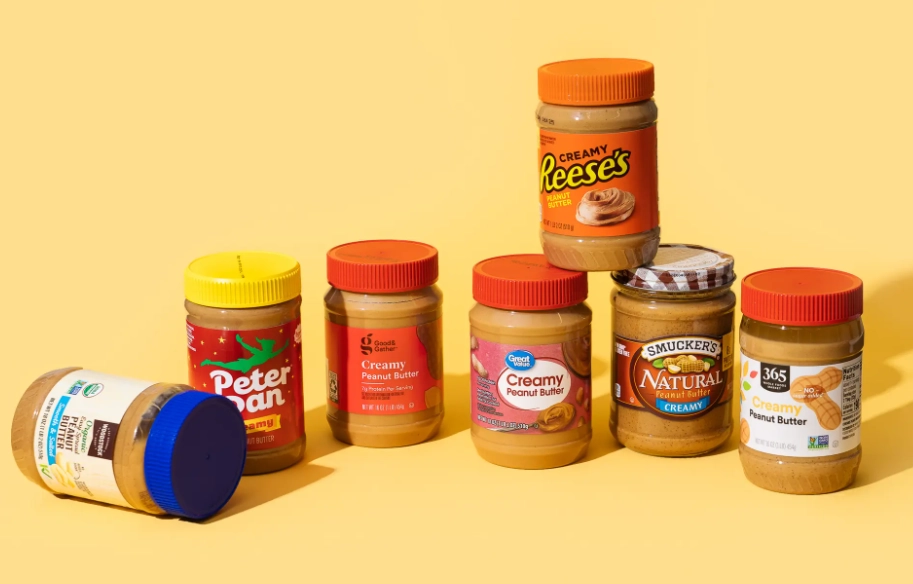
First, they remove the skins. That's a big chunk of the fiber gone right there.
Then, they often add sugar and hydrogenated oils. These ingredients dilute the nutritional profile. You're getting more jar volume from fillers and sweeteners, not from the actual peanuts. So, the percentage of fiber per serving drops.
Think of it like making white bread versus whole wheat bread. The more you refine and process, the more you lose the good stuff. Creamy peanut butter is the "white bread" of the peanut butter world when it comes to fiber content.
Here's a perspective you don't hear often: many people mistakenly think "natural" peanut butter (the kind you have to stir) is automatically high in fiber. It's usually better, but unless the skins are left in, it's still not a fiber powerhouse. The real magic for fiber happens when you start looking at peanut butters that add other ingredients back in.
Fiber Face-Off: Comparing Peanut Butter Types & Brands
Let's get specific. Not all peanut butters are created equal. This table breaks down what you can realistically expect, based on common 2-tablespoon serving sizes. Data is compiled from standard nutrition labels and the USDA FoodData Central.
| Type / Brand Example | Approximate Fiber (grams) | Key Notes |
|---|---|---|
| Traditional Creamy (Jif, Skippy) | 1.5 - 2g | The baseline. Low fiber due to skin removal and added oils/sugars. |
| "Natural" Creamy (Smucker's, Crazy Richard's) | 2 - 3g | Slightly better. Just peanuts and salt. Fiber comes solely from the peanut meat. |
| Powdered Peanut Butter (PB2, Naked PB) | 2 - 4g | Often higher per serving because the fat is removed, concentrating other components. |
| Peanut Butter with Added Flax or Seeds | 3 - 5g+ | This is the game-changer. Brands that mix in flaxseed, chia, or hemp seeds boost fiber significantly. |
| Whole Peanuts (1 oz / 28g) | ~2.4g | For comparison. Eating the whole nut with skin provides more fiber than its creamy counterpart. |
See the outlier? The peanut butters that intentionally add high-fiber ingredients are in a different league. I once picked up a jar of a flax-infused brand on a whim and did a double-take at the label. It had more than double the fiber of my usual go-to. That's when I realized the question isn't just "is peanut butter high in fiber?" but "which peanut butter can be high in fiber?"
Why Fiber Should Be on Your Radar Anyway
We're talking about fiber for a reason. It's not just about "staying regular," though that's a big benefit. According to resources like the Harvard T.H. Chan School of Public Health, a high-fiber diet is linked to a lower risk of heart disease, stroke, type 2 diabetes, and colorectal cancer.
Fiber feeds the good bacteria in your gut. It helps you feel full longer, which can help with weight management. Most of us aren't getting enough. So, if you're using peanut butter as a daily staple—on toast, in smoothies, as a snack—it's worth thinking about how it fits into your overall fiber intake for the day.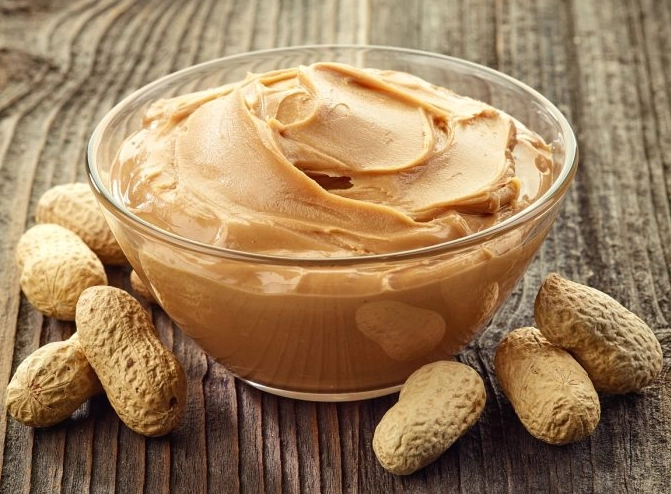
The Real Goal: Don't try to make creamy peanut butter something it's not. Instead, use it as a delicious vehicle to consume other high-fiber foods. Its job is to add flavor, healthy fats, and protein, making those fibrous foods more appealing and satisfying.
How to Actually Make Your Peanut Butter Snack High in Fiber
This is the practical part. Here’s exactly what I do and recommend to transform a low-fiber spread into a fiber-rich meal or snack.
1. Choose a Better Base
Ditch the plain white bread or crackers.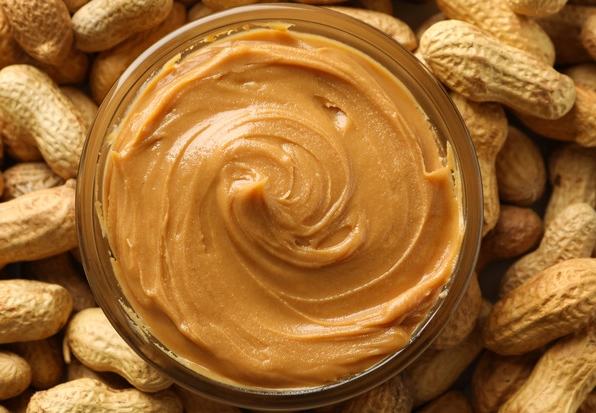
- Whole Wheat or Sprouted Grain Bread: 2 slices can pack 4-6 grams of fiber.
- Rice Cakes (Brown Rice): A couple can give you 2-3 grams.
- Apple Slices or Pear Slices: One medium apple has about 4.5 grams.
- Celery Stalks: Crunchy, hydrating, and about 1 gram per large stalk.
- Oatmeal: A bowl of old-fashioned oats is a fiber powerhouse (4-5 grams per 1/2 cup dry). Stir in a spoonful of peanut butter.
2. Mix-In Magic
Stir things directly into your peanut butter jar or into your portion.
- Ground Flaxseed: One tablespoon adds nearly 2 grams of fiber. It blends right in.
- Chia Seeds: Similar fiber boost, plus they add a fun texture.
- Oat Bran: This is a secret weapon. A spoonful adds a serious fiber punch.
3. Create a High-Fiber "Power Ball" Snack
This is my favorite hack. It makes fiber consumption effortless and delicious.
Simple No-Bake Recipe: In a bowl, mix 1 cup of old-fashioned oats (8g fiber), 1/2 cup of creamy peanut butter, 1/3 cup of honey or maple syrup, 1/4 cup of ground flaxseed (8g fiber), and 1/4 cup of mini dark chocolate chips. Roll into balls. One ball can easily have 3-4 grams of fiber from the oats and flax alone, plus the protein and fat from the peanut butter to keep you full.
Suddenly, you're not just eating peanut butter; you're eating a strategically crafted, high-fiber snack where the peanut butter is the glue holding it all together.
Your Peanut Butter and Fiber Questions Answered
So, is creamy peanut butter high in fiber? By itself, not really. But that's missing the point. Its value isn't as a solo fiber star; it's as a versatile, beloved team player. When you pair it strategically with truly high-fiber foods or choose brands fortified with seeds, you unlock its potential to be part of a diet that easily meets your daily fiber goals. Don't give up on your favorite spread—just get smarter about what you spread it on and what you mix into it.
Reader Comments