Let's cut to the chase: sugar in peanut butter can range from zero to over 10 grams per serving, depending on what you buy. I've spent years digging into nutrition labels, and the variation is staggering. If you're health-conscious or managing sugar intake, this isn't just trivia—it's crucial info that affects your daily choices. In this guide, I'll break down everything from natural vs. commercial brands to hidden sugars and practical tips, so you can make informed decisions without the marketing fluff.
What You'll Learn Today
- Understanding Sugar Content in Peanut Butter
- Natural vs. Commercial Peanut Butter: A Sugar Showdown
- How to Read Nutrition Labels Like a Pro
- Why Sugar in Peanut Butter Matters for Your Health
- Choosing the Best Low-Sugar Peanut Butter: A Step-by-Step Guide
- Common Mistakes and Expert Insights
- Frequently Asked Questions
Understanding Sugar Content in Peanut Butter
Peanuts themselves contain natural sugars—about 1-2 grams per ounce, mostly from fructose and glucose. That's fine; it's the added sugars that trip people up. When manufacturers toss in extra sweeteners, the numbers jump. I remember picking up a jar from a popular brand, thinking it was healthy, only to find 8 grams of sugar per serving. That's like adding a teaspoon of sugar to your sandwich!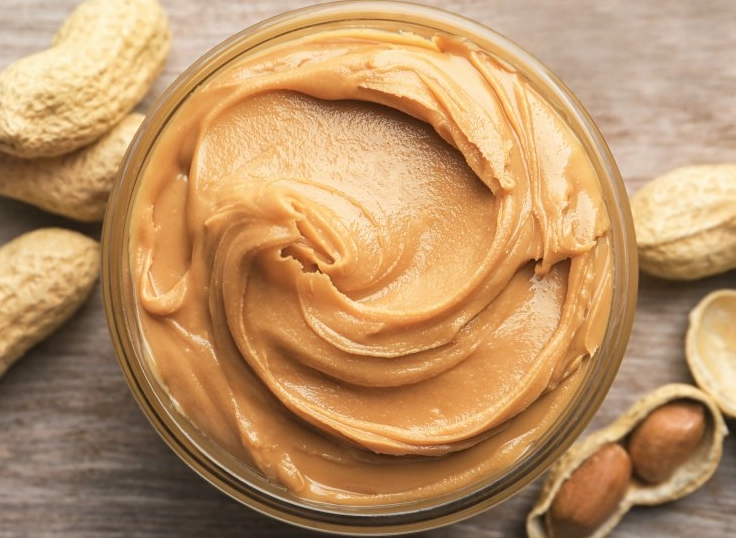
The USDA FoodData Central shows that plain, dry-roasted peanuts have minimal sugar, but processed peanut butter can be a different story. Here's a quick fact: added sugars often come from corn syrup, honey, or plain white sugar, and they're not always obvious. If you're diabetic or watching your weight, this detail matters more than you think.
Natural vs. Commercial Peanut Butter: A Sugar Showdown
Natural peanut butter is supposed to be just peanuts and maybe salt. In theory, sugar content should be low—around 1-3 grams per serving from the peanuts themselves. But I've seen "natural" brands sneak in sugar under names like "evaporated cane juice." It's frustrating, because consumers assume natural means sugar-free.
Commercial peanut butter, like the big names you see in supermarkets, often packs added sugars to enhance flavor and shelf life. A classic example: some creamy varieties hit 10 grams per two-tablespoon serving. That's nearly 20% of the daily added sugar limit recommended by the American Heart Association.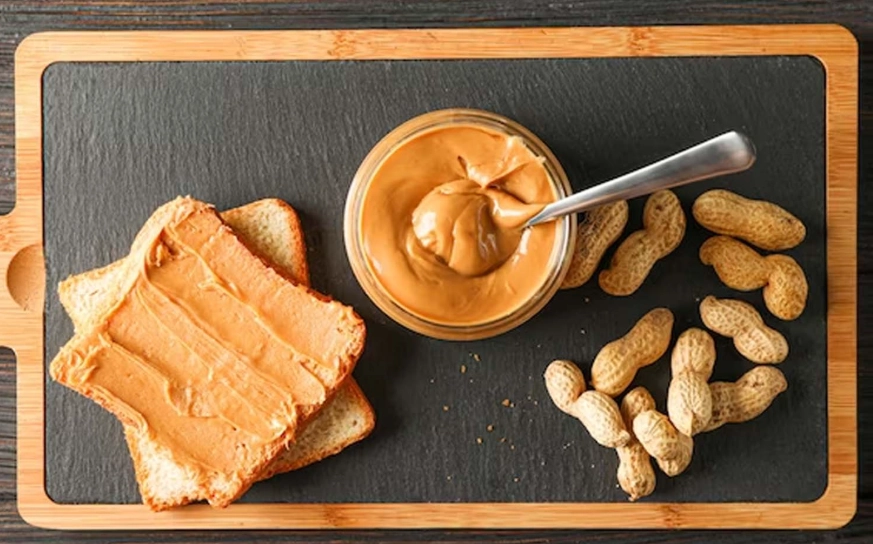
A Side-by-Side Comparison: Sugar in Popular Brands
Let's look at real data. I compiled this table based on recent nutrition labels from common brands. Note how sugar varies wildly.
| Peanut Butter Brand | Type | Sugar per Serving (2 tbsp) | Notes |
|---|---|---|---|
| Brand A Natural | Natural, No Salt | 1g | Just peanuts; oil separation is normal |
| Brand B Creamy | Commercial | 8g | Contains corn syrup and sugar |
| Brand C Organic | Natural, Salted | 2g | Minimal processing; my personal favorite |
| Brand D Reduced Fat | Commercial | 10g | Higher sugar to compensate for less fat |
| Brand E Chunky | Commercial | 6g | Includes molasses for color and taste |
See that reduced-fat option? It's a trap. When fat is removed, sugar often steps in to keep the texture palatable. I fell for this once—it tasted sweeter, but my energy crashed later. Not worth it.
How to Read Nutrition Labels Like a Pro
Don't just glance at the front of the jar. Flip it over and scrutinize the ingredients list. If sugar or its aliases (like high-fructose corn syrup, dextrose, or malt syrup) are in the top three ingredients, put it back. The nutrition facts panel shows total sugars, but you need to infer added sugars—unless the label specifies, which newer FDA regulations encourage.
Here's a trick I use: compare serving sizes. Some brands list a smaller serving to make sugar content seem lower. Always check grams per common measure, like per 100 grams, for a fair comparison. For instance, if one brand has 5g sugar per 32g serving and another has 3g per 20g serving, the second might actually be higher per ounce.
Pro Tip: Look for peanut butter with less than 2g of sugar per serving if you want minimal added sugars. Natural varieties often fit this, but double-check the ingredients to avoid surprises.
Why Sugar in Peanut Butter Matters for Your Health
Added sugars in peanut butter can spike blood sugar levels, leading to energy crashes and long-term issues like insulin resistance. For someone like me, who snacks on peanut butter post-workout, too much sugar undermines the protein benefits. The American Heart Association links excess added sugar to heart disease and obesity, so it's not just about calories—it's about quality.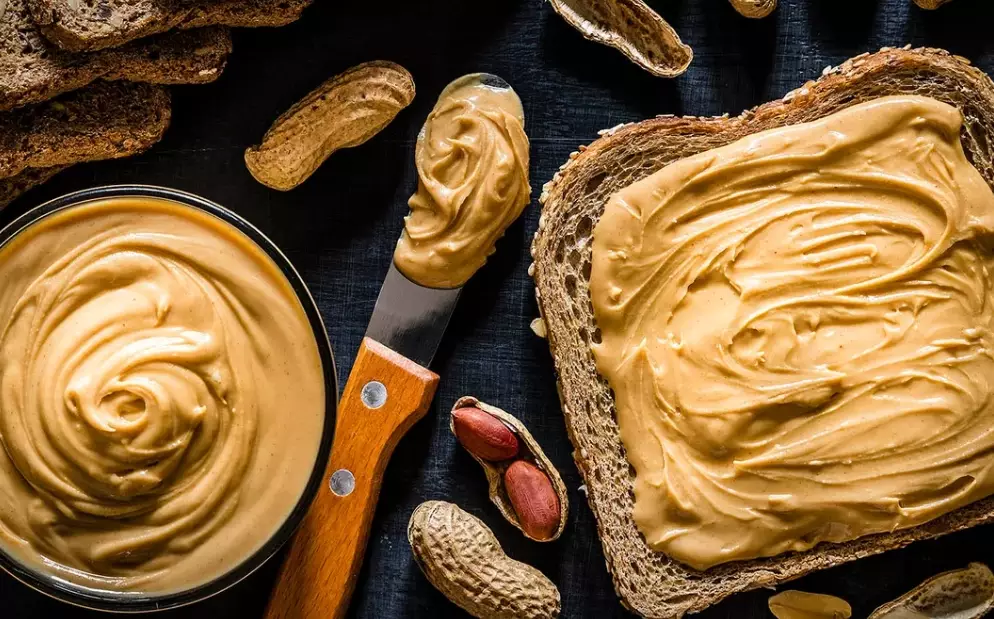
If you're managing diabetes or following a ketogenic diet, every gram counts. Natural sugars from peanuts are slower to digest, but added sugars hit your system fast. I've talked to nutritionists who say that even 5 extra grams daily can add up over months, affecting weight and inflammation.
Choosing the Best Low-Sugar Peanut Butter: A Step-by-Step Guide
Here's my practical approach, honed from trial and error:
- Step 1: Go for natural or organic. These usually have fewer additives. Brands that list only peanuts and salt are gold. I prefer organic because it avoids pesticides, but it's not a must for sugar content.
- Step 2: Check the ingredients list. Keep it short. If you see more than three items, be suspicious. Sugar shouldn't be there at all for a truly low-sugar option.
- Step 3: Compare nutrition facts. Aim for under 3g sugar per serving. Use the table above as a reference—brands like Brand A and Brand C are solid picks.
- Step 4: Consider texture and taste. Low-sugar peanut butter might be grainier or less sweet. I add a dash of cinnamon to mine for flavor without sugar.
- Step 5: Store it right. Natural peanut butter separates; stir the oil in and refrigerate to prevent spoilage. It's a small hassle for better health.
I once switched to a no-sugar brand and hated the taste at first. But after a week, my palate adjusted, and now sugary versions taste overly sweet. It's a win for long-term health.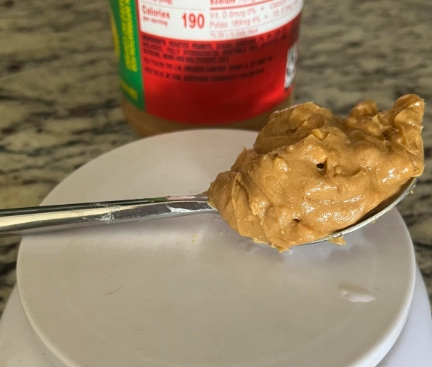
Common Mistakes and Expert Insights
Most people assume "low-fat" or "healthy" labels mean low-sugar. Wrong. In my experience, these are often the worst offenders. Another mistake: overlooking serving sizes. You might think you're eating one serving, but if you're generous with that spoon, you're doubling the sugar intake.
Here's a non-consensus view from my years as a nutrition blogger: many "artisanal" peanut butters marketed as premium add honey or maple syrup, billing them as natural sweeteners. Sure, they're natural, but they're still added sugars that impact your body similarly to table sugar. Don't be fooled by marketing jargon.
Also, homemade peanut butter isn't always sugar-free. I've seen recipes that add sugar for sweetness—defeat the purpose. Stick to plain peanuts in a food processor; it takes 5 minutes and saves you from hidden additives.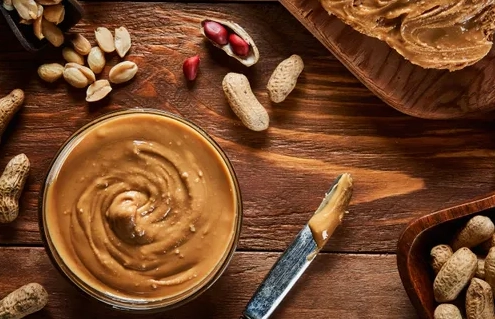
Frequently Asked Questions
Wrapping up, sugar in peanut butter isn't a black-and-white issue. By focusing on natural options, reading labels carefully, and avoiding common pitfalls, you can enjoy this nutritious snack without the sugar overload. Remember, small choices add up—pick a jar that supports your health goals.
Reader Comments