You're standing in the grocery aisle, jar in hand. You love peanut butter, but you're also trying to eat better. The question pops into your head: does peanut butter have fiber? It feels like it should, right? It's made from peanuts, and peanuts are plants. But that creamy, sometimes sugary spread in the jar seems a world away from a fibrous stalk of celery.
Here's the straight answer right up front: Yes, peanut butter does contain fiber. But the amount is a sliding scale, and it depends almost entirely on one thing—what's actually in your jar. The difference between the best and worst options can be huge.
I've been a nutrition coach for over a decade, and I've seen this confusion trip up so many people. They switch to a "healthy" peanut butter only to find it's just fat and sugar with a health halo. Let's clear that up.
What You'll Find in This Jar
- The Fiber Breakdown: How Much Are We Talking?
- Where the Fiber Actually Comes From (And Where It Goes)
- Peanut Butter Showdown: A Fiber Comparison Table
- How to Actually Use Peanut Butter to Boost Your Fiber Intake
- The #1 Mistake People Make With Peanut Butter and Fiber
- Your Peanut Butter Fiber Questions, Answered
How Much Fiber is Really in Your Peanut Butter?
Let's get specific. We need to talk numbers. A standard serving is two tablespoons (about 32 grams).
For a natural peanut butter—the kind with just peanuts and maybe salt—you're looking at roughly 2 to 3 grams of dietary fiber per serving. The USDA FoodData Central database lists 2.6 grams for a 32-gram serving of smooth peanut butter with salt. That's not a massive amount, but it's a solid contribution. For context, that's about the same fiber as a small apple.
Why the range? It comes down to the peanuts themselves. Fiber is concentrated in the peanut skin. Some processing methods remove more skin than others to achieve that ultra-smooth texture. More skin left in means marginally more fiber.
Now, here's where it gets interesting. That 2-3 gram figure is your baseline. From there, the fiber content can only go down, not up, unless manufacturers start adding it back in (which some do, but we'll get to that).
Where the Fiber Actually Comes From (And Where It Goes)
Peanuts are legumes, and like their bean and lentil cousins, they pack both protein and fiber. The fiber in a peanut is mostly insoluble fiber. Think of this as the "roughage"—it doesn't dissolve in water. It adds bulk to your stool and helps keep things moving smoothly through your digestive tract.
So, if peanuts have fiber, why doesn't all peanut butter have a lot?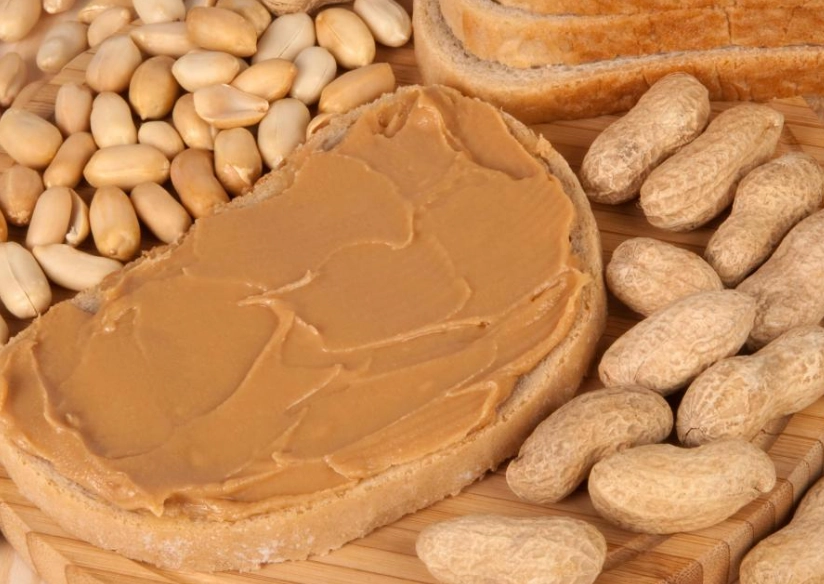
Processing. The journey from peanut to shelf-stable spread involves roasting, blanching (removing the skin), and grinding. The blanching step is the fiber killer. The reddish-brown peanut skin is where a good chunk of the fiber lives. To make conventional, super-smooth, no-stir peanut butter, manufacturers remove almost all of it.
They also often add hydrogenated oils to prevent separation, sugar for sweetness, and emulsifiers. These additives dilute the percentage of actual peanuts—and therefore, the fiber—in each serving. You end up with a spread that's more about fat, sugar, and shelf-life than nutrition.
The "Added Fiber" Trend: A Word of Caution
Walk down the aisle now and you might see jars boasting "High Fiber" or "Added Fiber." Check the ingredients. Often, this means they've added isolated fibers like chicory root inulin or maltodextrin. While this technically increases the fiber number on the label, these isolated fibers can cause significant bloating and gas in many people. Your body might handle the natural fiber matrix in a whole peanut much better.
Peanut Butter Showdown: A Fiber Comparison Table
Let's make this visual. Here’s how different types stack up for a standard 2-tablespoon (32g) serving. Data is sourced from standard nutrition labels and the USDA database.
| Type of Peanut Butter | Estimated Fiber (g) | Key Ingredients | The Reality Check |
|---|---|---|---|
| Natural, Chunky (Peanuts & Salt only) | 3 - 3.5g | Peanuts, Salt | Highest natural fiber. Chunky style often has more peanut bits/skin. |
| Natural, Smooth (Peanuts & Salt only) | 2 - 3g | Peanuts, Salt | The gold standard for balance of nutrition and texture. |
| Conventional National Brand (e.g., Skippy, Jif Creamy) | 1 - 2g | Peanuts, Sugar, Hydrogenated Oils, Salt | Lower fiber due to added oils/sugars and extensive processing. |
| "Powdered" Peanut Butter (e.g., PB2) | 2g (per 12g powder serving)* | Peanuts, Sugar, Salt | *Fiber seems high per calorie because fat is removed. Compare serving sizes carefully. |
| Brand with "Added Fiber" | 4 - 6g+ | Peanuts, Sugar, Vegetable Oils, Chicory Root Fiber, etc. | High number comes from isolated fibers, not whole peanuts. Check for digestive comfort. |
See the pattern? The closer you are to the whole peanut, the better your fiber (and overall nutrition) profile. The table doesn't lie.
How to Actually Use Peanut Butter to Boost Your Fiber Intake
Knowing peanut butter has fiber is one thing. Using it strategically is another. You shouldn't rely on it as your primary fiber source—you'd have to eat a whole jar to meet your daily needs—but it's a fantastic fiber booster.
Think of it as the supporting actor that makes the high-fiber star shine. Here’s how I recommend clients use it:
The Fiber-Pairing Strategy:
Combine your 2-3 grams of peanut butter fiber with other high-fiber foods. This creates a synergistic, satisfying snack or meal.
On whole grain toast: Two slices of a good, seedy whole wheat bread can have 6+ grams of fiber. Add peanut butter and you're at 8-9 grams for breakfast.
With apple slices: A medium apple with skin has about 4.5 grams. Dip it in peanut butter for a 7+ gram snack.
Blended into oatmeal: A bowl of oatmeal starts with 4 grams. Stir in a spoonful of peanut butter and some chia seeds, and you've got a powerhouse meal.
In a savory sauce: Whisk natural peanut butter with a little soy sauce, lime juice, and water. Drizzle over a massive bowl of steamed broccoli and bell peppers. You're adding flavor and a fiber bump to already fibrous vegetables.
This approach is more effective and sustainable than obsessing over the single gram difference between brands.
The #1 Mistake People Make With Peanut Butter and Fiber
I see this all the time. Someone decides to get healthier, so they buy a "natural" peanut butter. They take it home, see the oil separated at the top, and think, "Ugh, this is gross and inconvenient." So they store it in the fridge. The next day, it's a rock-solid brick. They struggle to spread it, give up, and go back to the sugary, easy-to-spread stuff.
They've just traded away fiber and better nutrition for convenience.
Here's the fix: Store your natural peanut butter upside down. Seriously. When you bring it home, flip the jar over and leave it on the counter or in the pantry. The oil will slowly migrate through the paste. After a day or two, flip it right-side up, stir it once, and it will stay perfectly mixed and spreadable at room temperature for weeks. No fridge needed (unless you take months to finish it).
This little hack removes the main barrier people have with the best source of peanut butter fiber.
Your Peanut Butter Fiber Questions, Answered
So, back to that original question. Does peanut butter have fiber? Absolutely. It’s a reliable source, especially if you pick the right jar. But its real power is as a teammate. It makes other high-fiber foods taste better, which means you're more likely to eat them consistently. That's the real win.
Next time you're shopping, turn the jar around. Look for the short ingredient list. Your gut will thank you for the extra gram or two of natural, wholesome fiber.
Reader Comments