Let's cut to the chase: a tablespoon of peanut butter gives you roughly 3.5 to 4 grams of protein. But that number hides a lot—type, brand, and how you eat it all matter. I've been using peanut butter as a protein source for years, and I've seen people get this wrong. They slather it on toast thinking it's a protein powerhouse, then wonder why they're not seeing gains. It's not just about the grams; it's about context.
What You'll Find in This Guide
The Real Protein Breakdown in Peanut Butter
Peanut butter's protein content isn't a fixed number. It depends on what's in the jar. Most folks grab whatever's on sale, but that can cost you protein per spoonful.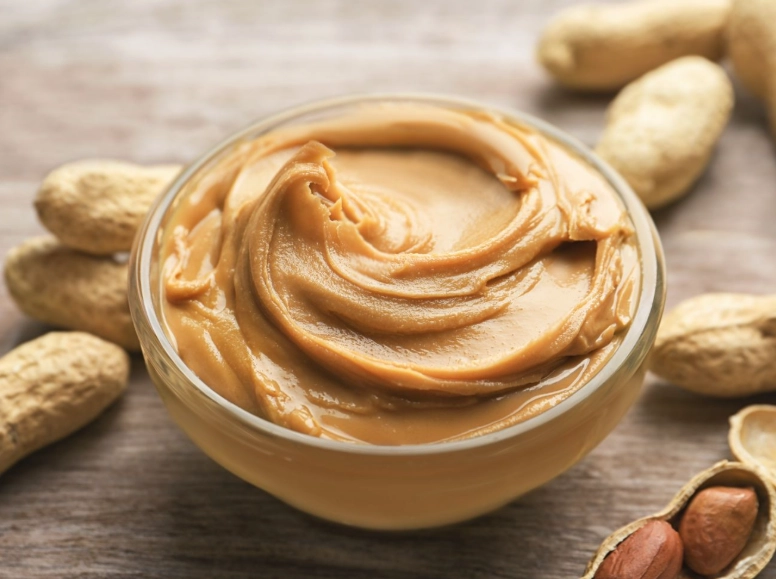
Protein Content per Serving: The Numbers That Matter
A standard serving is 2 tablespoons (32 grams), but let's talk per tablespoon because that's how most of us eat it. Based on data from the USDA FoodData Central, here's the range:
- Natural peanut butter (just peanuts, maybe salt): 4 to 4.5 grams per tablespoon.
- Regular peanut butter (with added oils, sugars): 3 to 3.5 grams per tablespoon.
- Powdered peanut butter (like PB2): 5 to 6 grams per two-tablespoon reconstituted serving, but it's lighter in calories.
I remember buying a cheap brand once—it had 2.5 grams per tablespoon and was loaded with sugar. Felt like a rip-off. Always check the nutrition label; don't assume.
Quick Tip: For maximum protein, go natural. Brands like Crazy Richard's or Smucker's Natural list 4 grams per tablespoon. The oil separation might annoy you, but stir it up—it's worth it.
Natural vs. Regular: A Protein Showdown
Natural peanut butter usually wins by half a gram or so. Why? Less processing means more intact peanuts. Regular versions add hydrogenated oils to prevent separation, which dilutes the protein. But here's a nuance: some "natural" labels sneak in palm oil, so read ingredients. If it says "peanuts, salt," you're good.
I did a side-by-side test last month. Jif Creamy had 3 grams per tablespoon, while Teddie All Natural had 4 grams. Over a week, that difference adds up if you're eating it daily.
How to Maximize Protein Intake from Peanut Butter
Peanut butter alone won't meet your protein needs—it's a supplement. But you can boost its impact with smart pairing.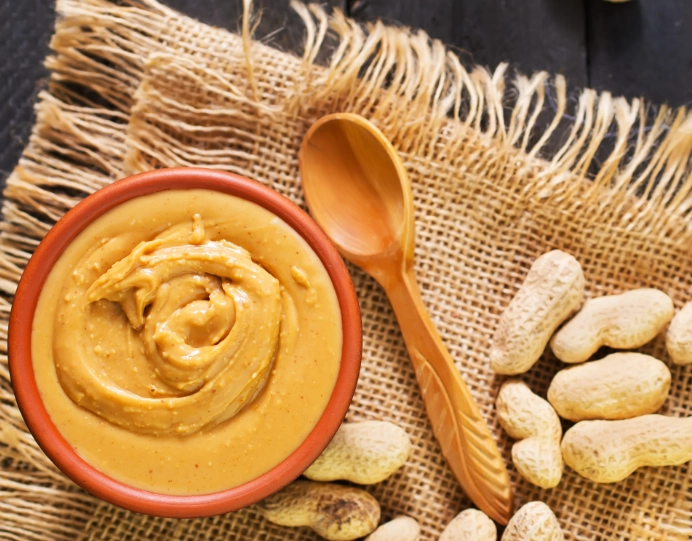
Think about your day. For breakfast, I mix two tablespoons into oatmeal. That adds 8 grams of protein to the oats' 5 grams, making a solid 13-gram start. For snacks, pair it with apple slices or celery; the fiber helps with satiety, but the protein boost is modest. A better move? Spread it on whole-grain bread (another 4-5 grams protein) or blend into a smoothie with Greek yogurt.
Here's a scenario: you're a vegetarian looking for plant-based protein. Peanut butter can be part of it, but don't rely solely on it. Combine with lentils or quinoa to cover amino acid gaps. I learned this the hard way when I tried a peanut butter-heavy diet—felt sluggish because I missed out on lysine, an essential amino acid low in peanuts.
Comparing Peanut Butter to Other Protein Sources
How does peanut butter stack up? Let's put it in a table—it's clearer that way.
| Food Source | Protein per 100 grams | Protein per 100 calories | Notes from My Experience |
|---|---|---|---|
| Peanut Butter | 25-28 grams | 4-5 grams | High in fat, so calorie-dense; good for snacks but not lean protein. |
| Almond Butter | 21-24 grams | 3-4 grams | Less protein, more vitamin E; pricier, so I use it sparingly. |
| Chicken Breast | 31 grams | 10-12 grams | Complete protein, but not plant-based; peanut butter is a decent alternative for vegans. |
| Greek Yogurt | 10 grams per 100g | 8-10 grams | More protein per calorie; I often combine with peanut butter for a balanced snack. |
| Lentils | 9 grams | 7-8 grams | Higher in fiber, but peanut butter wins on convenience. |
See that? Peanut butter holds its own, especially for plant-based options. But per calorie, it's not the top dog. That's why I treat it as a tasty add-on, not a staple.
Another angle: cost. Peanut butter is cheap protein. A jar costing $3 might give 50 servings, versus chicken breast at $5 per pound. For budget-conscious folks, it's a no-brainer.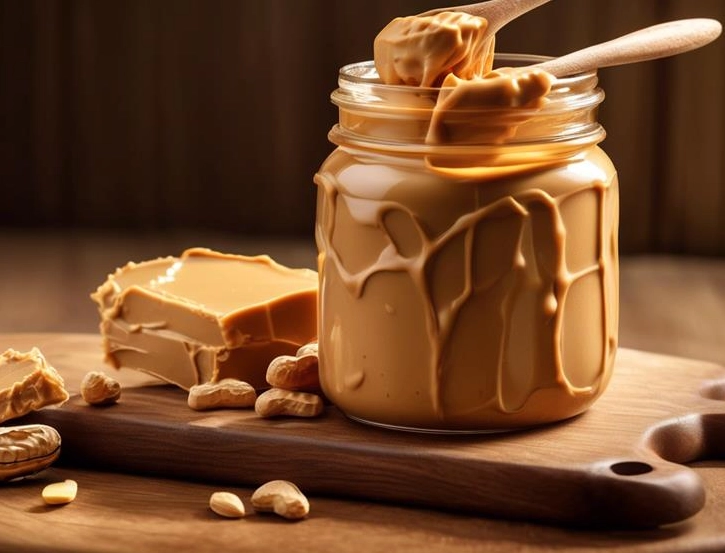
Common Mistakes and How to Avoid Them
People mess up with peanut butter protein all the time. Here are the big ones I've seen.
Mistake 1: Overestimating the protein. Just because it's called "butter" doesn't mean it's protein-packed like meat. Two tablespoons give 7-8 grams, not 20. I had a friend who swapped his protein shake for peanut butter and wondered why his muscles weren't growing. Balance is key.
Mistake 2: Ignoring the fat content. Peanut butter is high in fat—healthy fats, but still calories. If you're watching weight, those extra calories can offset the protein benefit. I use powdered peanut butter sometimes; it cuts fat and boosts protein ratio.
Mistake 3: Choosing the wrong type. Low-fat or reduced-fat peanut butter often has more sugar to compensate, lowering protein per serving. Stick to natural or regular full-fat for better protein density.
My advice? Measure your servings. Eyeballing leads to overeating. A tablespoon is about the size of your thumb—use a spoon to be sure.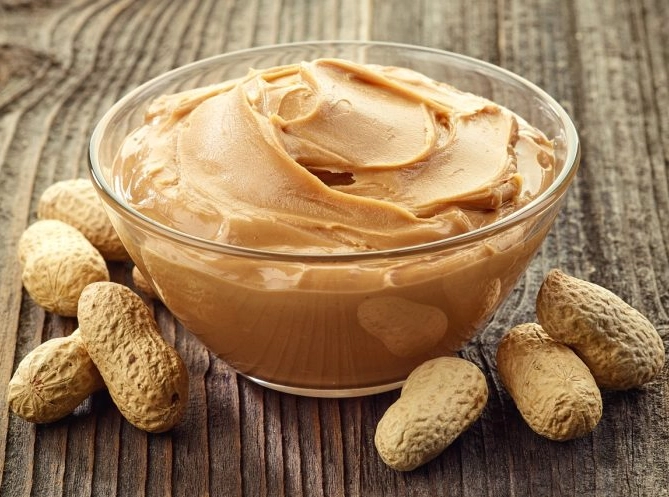
Your Questions Answered
Wrapping up, peanut butter's protein is solid but not stellar. Use it smartly: measure servings, choose natural types, and pair wisely. It's been a staple in my pantry for years, but I never let it fool me into thinking it's a miracle food. For more details, refer to sources like the USDA FoodData Central for accurate data.
Reader Comments