I messed up my first batch of peanut butter fudge years ago—it was a sticky, sugary disaster that never set. Then I tried adding marshmallow cream, and everything changed. This isn't just another recipe; it's the foolproof method I've relied on for a decade. Marshmallow cream acts as a stabilizer, giving you that smooth, creamy texture without the guesswork. If you've ever had fudge turn grainy or too soft, you'll appreciate this.
Jump to What Matters
Why Marshmallow Cream is the Secret Ingredient
Most fudge recipes rely on precise sugar crystallization, which is tricky. Marshmallow cream simplifies it. It contains gelatin and corn syrup, which interfere with crystal formation, resulting in a smoother texture. I learned this from a old community cookbook—the kind with handwritten notes—and it's backed by food science. According to resources like the USDA's food composition database, marshmallow cream adds moisture and prevents sugar from seizing up.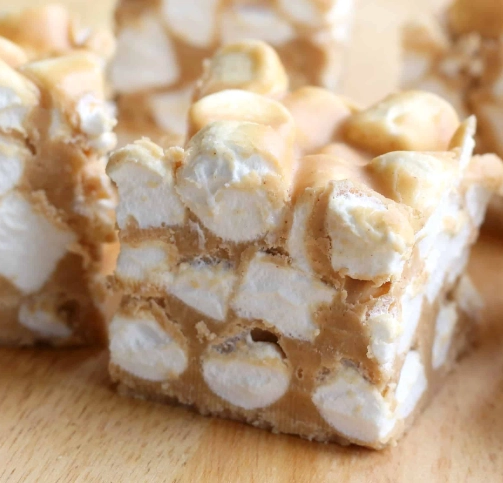
Here's the thing: many recipes use evaporated milk or butter alone, but they can split or become grainy. Marshmallow cream binds everything together. It's like insurance for your fudge. I've tested this side-by-side, and the marshmallow cream version always wins for consistency.
Gathering Your Ingredients: A Simple List
You only need a few items, but quality matters. Don't skimp on the peanut butter—I prefer creamy brands like Jif or Skippy for a uniform texture. Crunchy can work, but it changes the mouthfeel.
- Granulated sugar: 2 cups. White sugar works best; avoid brown sugar unless you want a caramel note.
- Evaporated milk: 5/4 cup (or 1 cup plus 2 tablespoons). Not sweetened condensed milk—that's a common mistake. Evaporated milk has less sugar and more protein, which helps with setting.
- Marshmallow cream: 7 ounces (about one jar). Look for brands like Kraft or store brands; they're all similar.
- Peanut butter: 1 cup, creamy style. Natural peanut butter can separate, so stick with stabilized versions for reliability.
- Butter: 1/4 cup, unsalted. Salted butter can throw off the flavor balance.
- Vanilla extract: 1 teaspoon. Pure extract beats imitation for depth.
Equipment: A heavy-bottomed saucepan (I use a 3-quart one), candy thermometer, 8x8 inch pan lined with parchment, and a wooden spoon. Don't use a thin pan—it heats unevenly.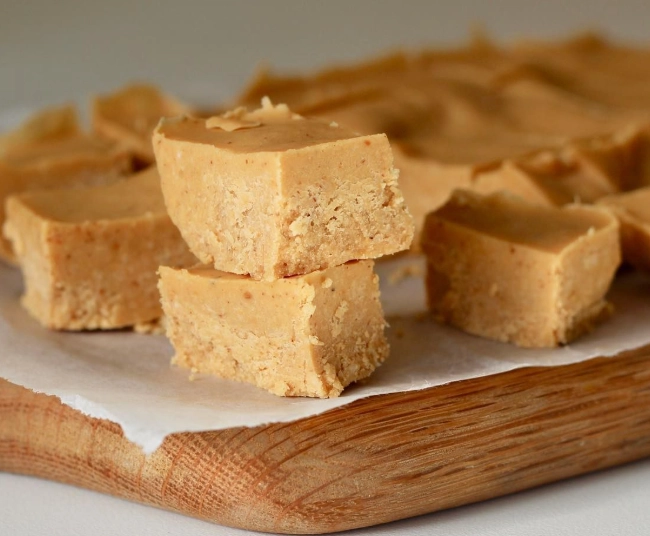
The Foolproof Step-by-Step Process
This takes about 30 minutes active time, plus cooling. Follow these steps closely; I've included nuances most recipes skip.
Prep Stage: Set Yourself Up for Success
Line your pan with parchment paper, leaving overhangs for easy removal. Grease it lightly with butter—this prevents sticking even with parchment. Measure all ingredients beforehand. Fudge making is time-sensitive; you can't pause to hunt for the vanilla.
Place the saucepan on medium heat. Combine sugar and evaporated milk. Stir until the sugar dissolves. This is crucial: if sugar crystals remain undissolved, they'll seed graininess later.
Cooking Stage: The Critical Boil
Once dissolved, bring to a boil. Attach the candy thermometer to the side of the pan, not touching the bottom. Boil without stirring for 5–7 minutes, until it reaches 234°F (soft-ball stage). I check with a cold water test too: drop a bit into ice water; it should form a soft ball that flattens when pressed.
Here's a pro tip: avoid scraping the sides after boiling starts. Those sugar crystals can ruin the texture. Just let it bubble away.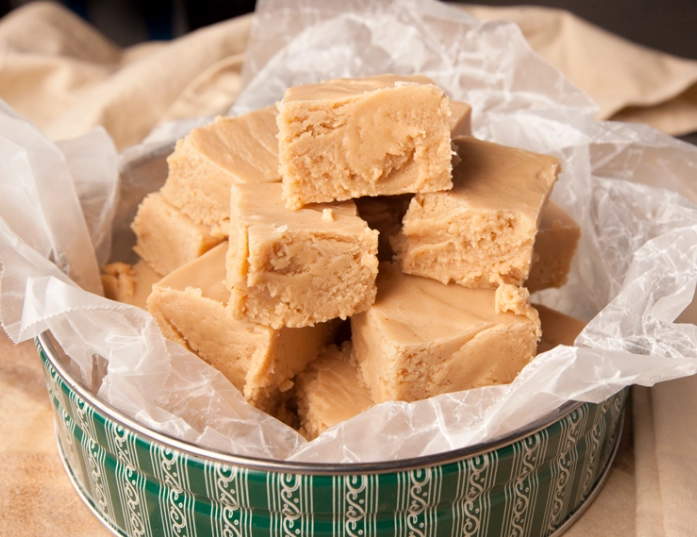
Mixing Stage: Bringing It All Together
Remove from heat. Immediately add marshmallow cream, peanut butter, butter, and vanilla. Stir vigorously with a wooden spoon until smooth and glossy—about 2–3 minutes. It'll thicken as you mix. Pour into the prepared pan, spread evenly with a spatula.
Let it cool at room temperature for 2 hours. Don't refrigerate yet; rapid cooling can cause cracking. After that, you can chill it to speed up setting.
Expert Tips for Perfect Fudge Every Time
I've made this fudge for parties, gifts, and just because. Here are insights from my fails and wins.
- Temperature is key: If your fudge is too soft, you likely didn't reach 234°F. Too hard? You overcooked it. Invest in a reliable candy thermometer—I recommend the ThermoPop brand for accuracy.
- Stirring technique: When adding ingredients off heat, stir in one direction to minimize air bubbles. Overmixing can make it stiff.
- Altitude adjustments: At high altitudes, reduce the boiling temperature by 2°F per 1,000 feet above sea level. Check resources like the National Center for Home Food Preservation for guidelines.
- Flavor variations: Add 1/2 cup chocolate chips during mixing for a swirl, or a pinch of sea salt on top before setting. But keep the base recipe unchanged for best results.
One time, I rushed the cooling and ended up with fudge that wept butter. Now I always let it sit uncovered—no shortcuts.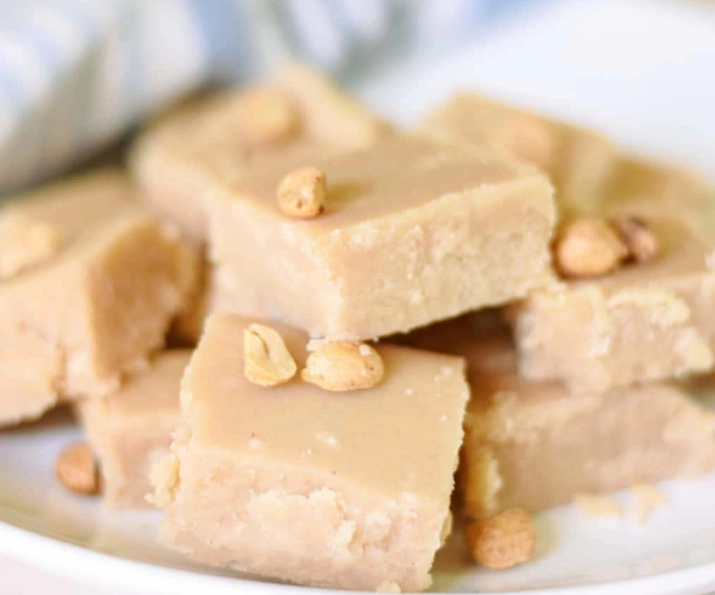
Storing and Serving Your Homemade Fudge
Once set, cut into 1-inch squares. Use a sharp knife dipped in hot water for clean cuts. Store in an airtight container at room temperature for up to 2 weeks. Layer pieces with parchment paper to prevent sticking.
For gifting, pack in decorative tins with wax paper between layers. It travels well—I've mailed it across states without issues.
Serving ideas: Pair with coffee for dessert, or crumble over ice cream. It's rich, so small pieces suffice.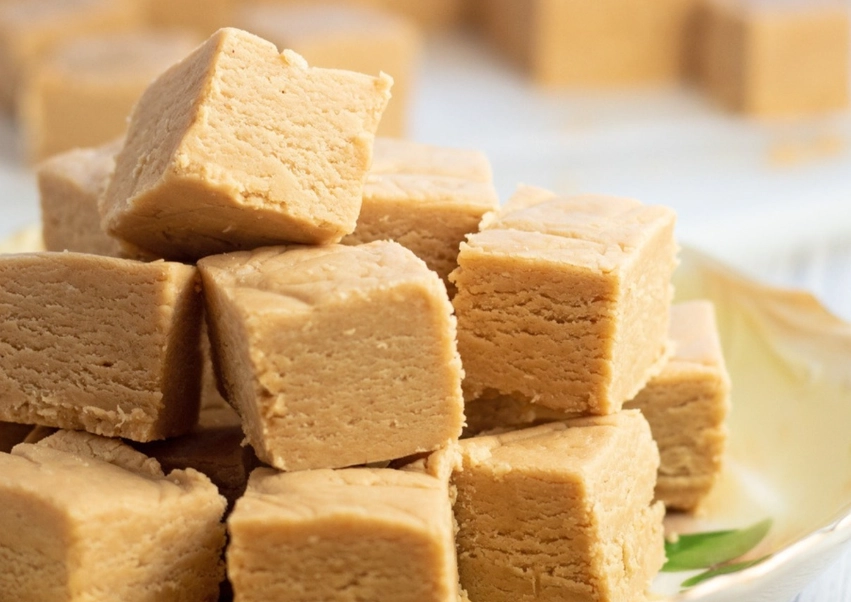
Frequently Asked Questions (Answered by a Pro)
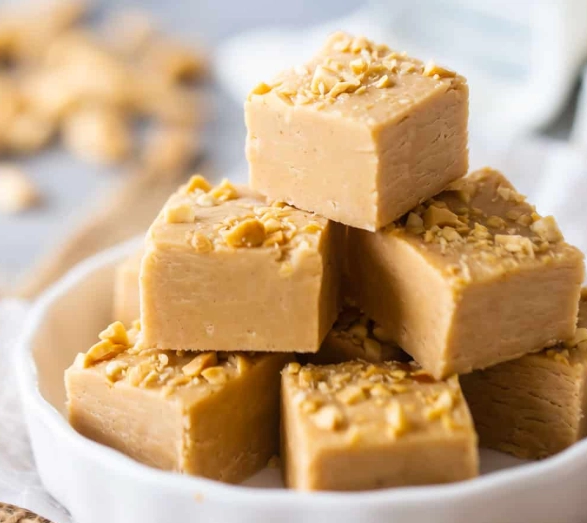
Making peanut butter fudge with marshmallow cream isn't just about following steps—it's about understanding why they work. I've shared the nuances I've picked up over years, from choosing ingredients to troubleshooting. Give it a try, and you'll see why this recipe beats the rest. If you have more questions, drop a comment; I'm happy to help.
Reader Comments