Let's cut to the chase. You're here because you want peanut butter fudge that's smooth, rich, and doesn't require turning on the oven. I've been making this stuff for over a decade, and I can tell you—most recipes get it wrong. They're either too sweet, too grainy, or just plain fussy. This recipe fixes all that. It's a no-bake method that works every time, yielding fudge so creamy it melts in your mouth. Perfect for holidays, gifts, or when you need a quick sweet fix. We'll dive into the specifics, from ingredients to storage, and I'll share some hard-won tricks you won't find elsewhere.
In This Guide
Essential Ingredients for Perfect Peanut Butter Fudge
Good fudge starts with the right stuff. I've seen people throw anything into the mix, and it shows. Here's what you need, and why each item matters.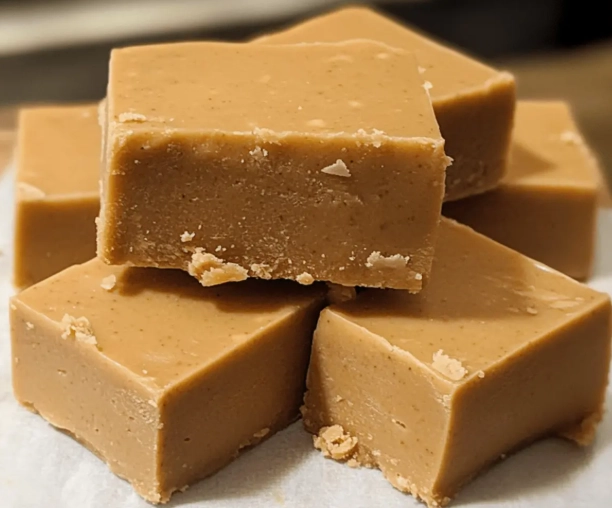
The Role of Each Ingredient
Let's break it down. You'll need:
- Creamy peanut butter: Not the natural kind. Use commercial brands like Jif or Skippy—they have stabilizers that prevent oil separation. I tried natural once, and the fudge was a greasy mess. Trust me on this.
- Unsalted butter: Salted butter can throw off the flavor. Unsalted lets you control the saltiness. Melt it slowly; rushing burns it.
- Vanilla extract: Pure extract, not imitation. It adds depth. A teaspoon is enough—more can taste artificial.
- Powdered sugar: Also called confectioners' sugar. It dissolves easily, giving a smooth texture. Sift it to avoid lumps. Granulated sugar? That's a recipe for graininess.
- Sweetened condensed milk: This is the secret weapon. It binds everything and adds creaminess. Don't substitute with evaporated milk; it's not the same.
Here's a quick table to summarize:
| Ingredient | Quantity | Purpose |
|---|---|---|
| Creamy peanut butter | 1 cup (about 250g) | Base flavor and texture |
| Unsalted butter | 1/2 cup (115g) | Adds richness and helps set |
| Vanilla extract | 1 teaspoon | Enhances flavor |
| Powdered sugar | 3 1/2 cups (420g) | Sweetens and smooths |
| Sweetened condensed milk | 1 can (14 oz or 397g) | Binds and creams |
Grab these, and you're halfway there. Now, tools: a heavy-bottomed saucepan, a mixing bowl, a whisk, and an 8x8 inch pan lined with parchment paper. Don't skip the parchment—it makes removal a breeze.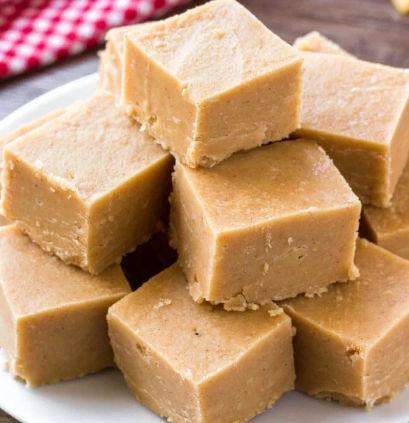
Step-by-Step Guide to Making No-Bake Peanut Butter Fudge
This process is simple, but details matter. Follow these steps closely, and you'll avoid the pitfalls that trip up beginners.
Preparing Your Tools
First, line that 8x8 pan with parchment paper, leaving overhangs on two sides. It's like handles for lifting the fudge out later. Lightly grease it with butter or cooking spray. I learned this the hard way when my fudge stuck and crumbled.
The Cooking Process Explained
Now, the fun part. In a medium saucepan over low heat, melt the butter and peanut butter together. Stir constantly with a whisk. Low heat is key—if it bubbles, you're too hot. This should take about 3-4 minutes until smooth and combined.
Remove from heat. Stir in the vanilla extract. Then, gradually add the sweetened condensed milk, whisking as you go. Some recipes dump it all at once, but that can cause clumping. Take your time.
Next, sift the powdered sugar into a large mixing bowl. Yes, sift. It removes lumps that ruin the texture. Pour the peanut butter mixture over the sugar. Use a spatula to fold it together. Don't whisk vigorously; just mix until no dry spots remain. Overmixing makes the fudge tough.
Transfer the mixture to the prepared pan. Spread it evenly with the spatula. Tap the pan on the counter a few times to remove air bubbles. Let it set at room temperature for at least 4 hours, or refrigerate for 2 hours if you're impatient. I prefer room temperature—it sets more evenly.
Once set, use the parchment overhangs to lift the fudge out. Cut into 1-inch squares with a sharp knife. Wipe the knife between cuts for clean edges. That's it. You've got peanut butter fudge.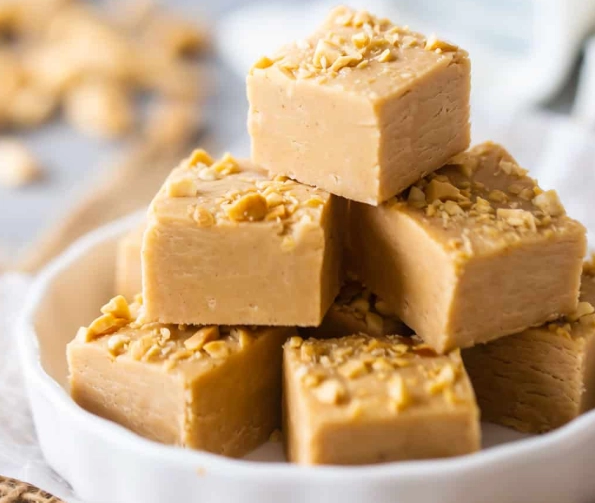
Common Mistakes and How to Avoid Them
I've messed up enough batches to know what goes wrong. Here are the big ones.
Why Your Fudge Might Be Grainy
Graininess usually comes from undissolved sugar. If you use granulated sugar instead of powdered, it won't melt properly. Even with powdered sugar, not sifting can leave tiny lumps. Another culprit: overheating the butter-peanut butter mix. High heat causes separation, leading to a gritty feel. Keep it low and slow.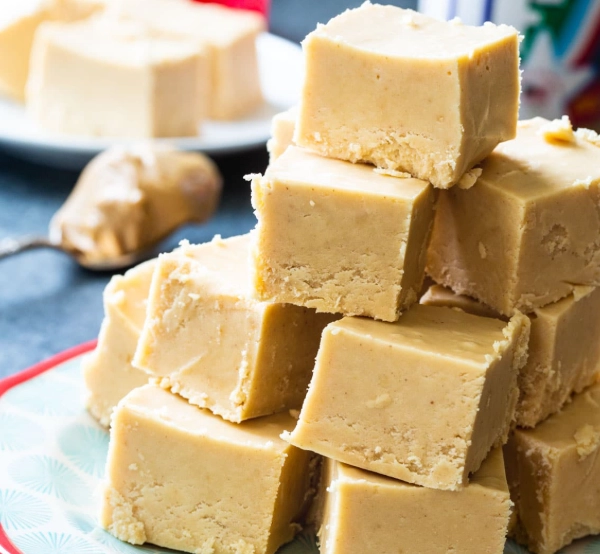
Tips for Smooth and Creamy Texture
For that melt-in-your-mouth quality, ensure all ingredients are at room temperature before mixing. Cold butter or peanut butter can seize up. Also, don't rush the setting time. Cutting too early makes the fudge crumble. If it's too soft, refrigerate it longer. But avoid freezing to set—it can create ice crystals.
One more thing: measure accurately. Eyeballing leads to inconsistency. Use measuring cups and spoons, and level them off.
Variations and Customizations
Once you've mastered the basic recipe, try these twists. They're great for holidays or when you want something different.
Adding Chocolate or Other Mix-ins
For chocolate peanut butter fudge, melt 1 cup of semi-sweet chocolate chips and swirl it into the mixture before setting. Or, layer it: spread half the peanut butter mix in the pan, then a layer of melted chocolate, then the rest. Press in crushed peanuts, pretzels, or sea salt on top for crunch. I love adding a pinch of flaky salt—it balances the sweetness.
Other ideas: stir in mini marshmallows for a rocky road vibe, or mix in crushed cookies. But keep mix-ins to about 1/2 cup total; too many can break the fudge apart.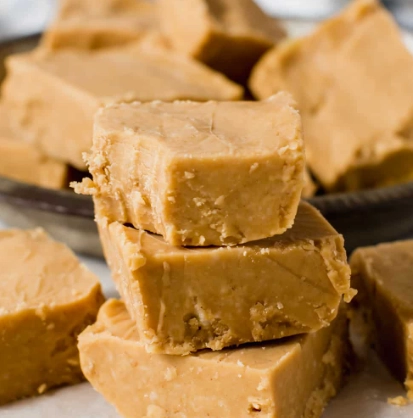
Storing and Serving Suggestions
This fudge isn't just for eating straight from the pan. Here's how to make it last and shine.
Store in an airtight container at room temperature for up to 2 weeks. If your kitchen is warm, refrigerate it to prevent melting. For longer storage, freeze it. Wrap individual pieces in parchment paper, then place in a freezer bag. It keeps for 2-3 months. Thaw in the fridge overnight—never at room temperature, as condensation can make it sticky.
Serving ideas: pile squares on a platter for parties, pack them in gift boxes with ribbon, or crumble over ice cream. I've even used it as a filling for cookies. It's versatile.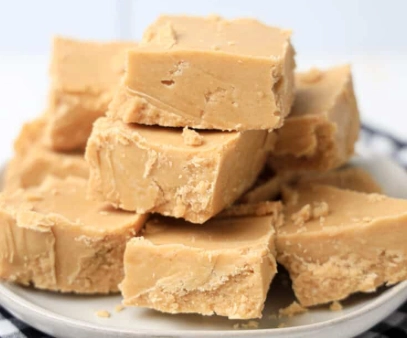
Frequently Asked Questions
There you have it—a comprehensive guide to peanut butter fudge that actually works. It's not rocket science, but attention to detail makes all the difference. Give it a try, and tweak it to your taste. Once you get it right, you'll never buy store-bought again. Happy fudge-making!
Reader Comments