Let's be honest. When you think of a quick peanut butter snack, what comes to mind? A spoonful straight from the jar, maybe slathered on a piece of bread or some celery. It gets the job done, but it's boring. And if you're using the wrong kind of peanut butter, it might be a sugar bomb in disguise.
I spent years in that cycle until I realized I was missing out. Peanut butter is a powerhouse—packed with protein, healthy fats, and fiber—but it's a supporting actor, not the whole show. A truly great snack needs texture, contrast, and a balance that keeps you full for more than twenty minutes.
This isn't about complicated recipes. It's about smart combinations. We're going to move beyond the basics and build snacks that actually satisfy your hunger, fuel your afternoon, and taste fantastic. No fancy culinary skills required.
What's Inside? Your Snack Guide
- Why Peanut Butter Makes the Ultimate Snack Base
- Your First Decision: Picking the Right Peanut Butter
- Three No-Fuss, High-Protein Peanut Butter Snack Ideas
- How to Build a Balanced Peanut Butter Snack (The Formula)
- The One Ingredient Everyone Forgets (And Other Mistakes)
- Your Peanut Butter Snack Questions, Answered
Why Peanut Butter Makes the Ultimate Snack Base
Forget the marketing hype. The real value of peanut butter lies in its simple macronutrient profile. Two tablespoons of natural peanut butter give you around 8 grams of protein and 2-3 grams of fiber. That combo is the golden ticket for snacking.
Protein and fiber digest slowly. They tell your brain you're full and help keep your blood sugar from spiking and crashing like it does with a bag of chips or a candy bar. According to a review published in the Journal of Nutrition and Metabolism, incorporating protein and healthy fats into snacks can significantly improve satiety and reduce subsequent calorie intake.
That's the practical magic. It turns a mindless bite into a strategic pause that actually powers you through your day.
Your First Decision: Picking the Right Peanut Butter
This is where most people go wrong. They grab a jar with a cute label, not realizing the first ingredient is often sugar or hydrogenated oils.
Flip the jar. Read the ingredients list. You want it to be short.
The Expert's Jar Check: The only ingredients should be peanuts, and maybe salt. That's it. No added sugars (cane sugar, molasses, honey), no palm oil, and definitely no hydrogenated oils. The oil separation on top of natural peanut butter? That's normal. Just stir it in.
I made the switch years ago. The first time I tried 100% natural peanut butter, I hated it. It tasted bland, almost bitter compared to the sweet, homogenized stuff I was used to. But after a week, my taste buds adjusted. Now, the old kind tastes like frosting to me. Give it time.
Three No-Fuss, High-Protein Peanut Butter Snack Ideas
These aren't recipes you need to follow to the gram. Think of them as templates. Play with the ratios based on what you have and what you like.
1. The 5-Minute Energy Balls (No Bake Required)
These are my go-to for a pre-gym bite or a 3 PM desk rescue. The mistake people make is adding too much liquid, which turns them into sticky goo. Keep it dry.
Mash together in a bowl: 1 cup rolled oats, 1/2 cup natural peanut butter, 1/3 cup honey or maple syrup (this is the binder, go light if you want less sweet), 1/4 cup ground flaxseed or chia seeds, a handful of dark chocolate chips or chopped dates. Mix until it's a stiff, moldable dough. If it's too dry, add a teaspoon of peanut butter. Too wet, add more oats. Roll into balls. That's it. They keep in the fridge for two weeks.
2. The Crunchy Apple Slice "Sandwiches"
This is the perfect texture combo. Sweet, crisp apple with creamy, salty peanut butter. But here's the trick everyone misses: squeeze a little lemon juice on the apple slices first. It prevents browning and adds a bright tang that cuts through the richness. Core an apple, slice it into rounds, dab with lemon, spread with peanut butter, and maybe sprinkle with a few granola clusters or crushed nuts for extra crunch.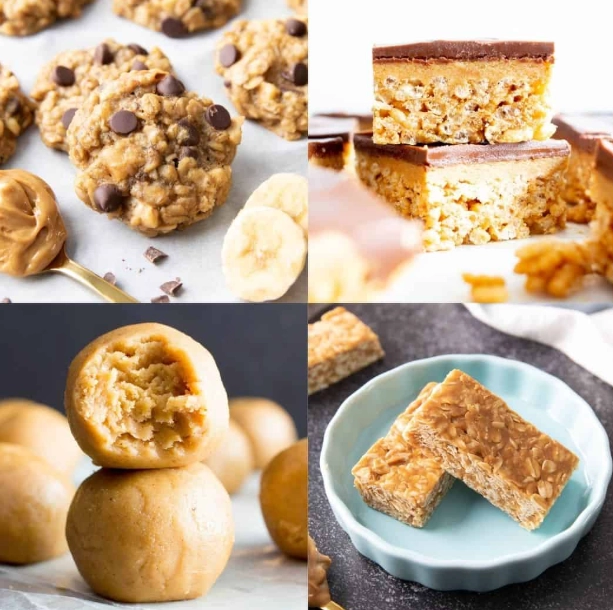
3. The Savory Greek Yogurt Bowl
Hear me out. This sounds weird but it's incredible. The tangy yogurt with savory peanut butter creates a complex, almost cheesy flavor profile. It's packed with protein.
Scoop 3/4 cup of plain Greek yogurt into a bowl. Swirl in a tablespoon of natural peanut butter. Top with everything bagel seasoning, sliced cucumber, and a drizzle of hot sauce or soy sauce. It's a flavor bomb and will keep you full for hours.
How to Build a Balanced Peanut Butter Snack (The Formula)
Once you understand the framework, you can invent your own snacks with whatever's in your kitchen. Every great peanut butter snack should have these three components: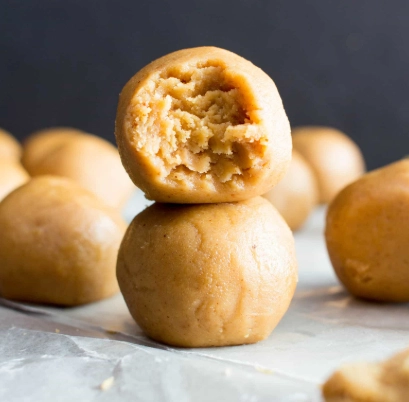
| Component | Role | Examples |
|---|---|---|
| The Base (PB + Protein/Fiber) | Provides satiety, slow-release energy. | Natural peanut butter, Greek yogurt, protein powder, oats. |
| The Crunch (Texture) | Adds satisfaction, keeps it interesting. | Apple slices, celery, rice cakes, granola, nuts, seeds. |
| The Flavor Pop (Sweet/Savory) | Elevates it from fuel to a treat. | Dark chocolate chips, cinnamon, honey, sea salt, hot sauce, banana. |
Example: Base (PB on a rice cake) + Crunch (sliced almonds) + Flavor Pop (a tiny drizzle of honey and sea salt) = A complete snack.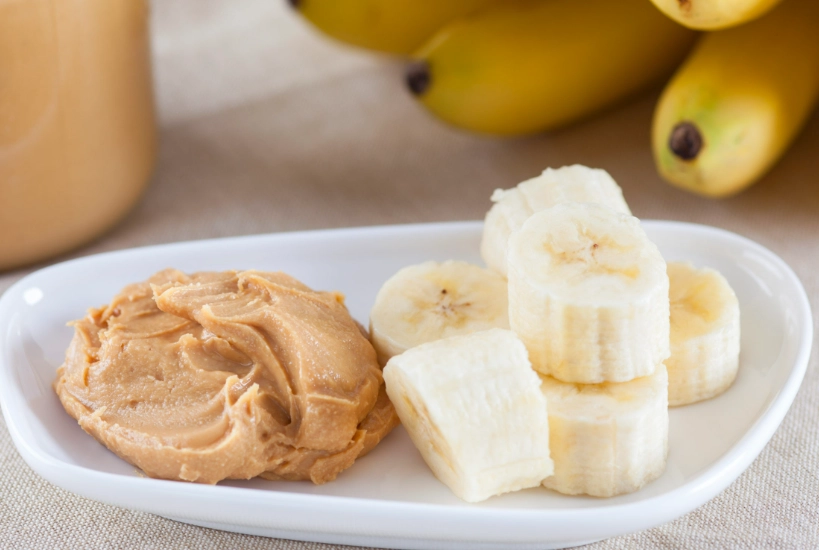
The One Ingredient Everyone Forgets (And Other Mistakes)
Salt.
If you're using unsalted natural peanut butter, your snacks might taste flat. A tiny pinch of flaky sea salt on top of your apple slices or energy balls makes the peanut flavor sing. It's the difference between "okay" and "wow."
Other quick pitfalls: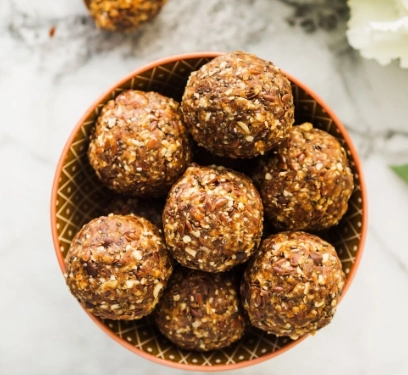
- Overdoing the Portion: Two tablespoons of peanut butter is plenty. It's calorie-dense. Use a measuring spoon until you can eyeball it.
- Sticking Only to Sweet: Peanut butter works brilliantly in savory contexts. Try it with pretzels, on a whole-wheat cracker with a slice of sharp cheddar, or thinned with a little soy sauce and lime as a veggie dip.
- Not Pairing with a Liquid: Peanut butter is thick. Always have a glass of water, tea, or black coffee with your snack. It helps with digestion and fullness.
Reader Comments