I used to think peanut butter was just… peanut butter. A tasty spread. Then I started tracking my food, and the label on that jar became a source of confusion. Was it a protein source? A fat bomb? How could something so simple have so many numbers? If you've ever stared at a nutrition label wondering how to fit peanut butter into your diet goals, you're in the right place. Let's cut through the noise and talk about peanut butter macros—what they really are, how they differ, and how to use them without derailing your progress.
What's Inside This Jar?
Macros 101: It's More Than Just Counting Calories
When we talk about "macros" (short for macronutrients), we're talking about the three big players that make up your food's calories: protein, carbohydrates, and fat. Peanut butter is a fascinating case study because it contains all three, but in proportions that often surprise people.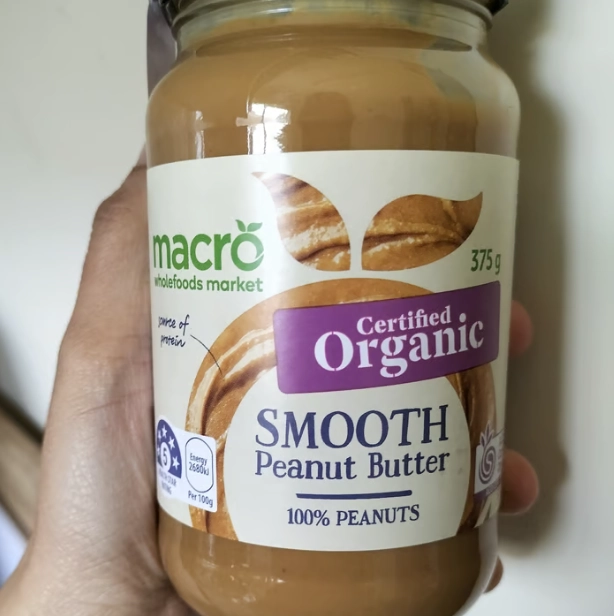
Calories tell you the energy total, but macros tell you the quality of that energy. 200 calories from peanut butter (mostly fat and protein) will affect your body differently than 200 calories from a bagel (mostly carbs). Understanding this ratio is key, whether you're aiming for weight loss, muscle gain, or just better energy.
Quick Tip: Don't fear the fat in peanut butter. Over 80% of its fats are the heart-healthy monounsaturated and polyunsaturated kinds, similar to what you find in olive oil or avocados. The saturated fat content is relatively low.
Breaking Down a Spoonful: Fat, Protein, and Carbs
Let's get specific. We'll use the standard serving size: 2 tablespoons (about 32 grams). This is the amount most labels reference, and honestly, it's smaller than what most of us scoop out.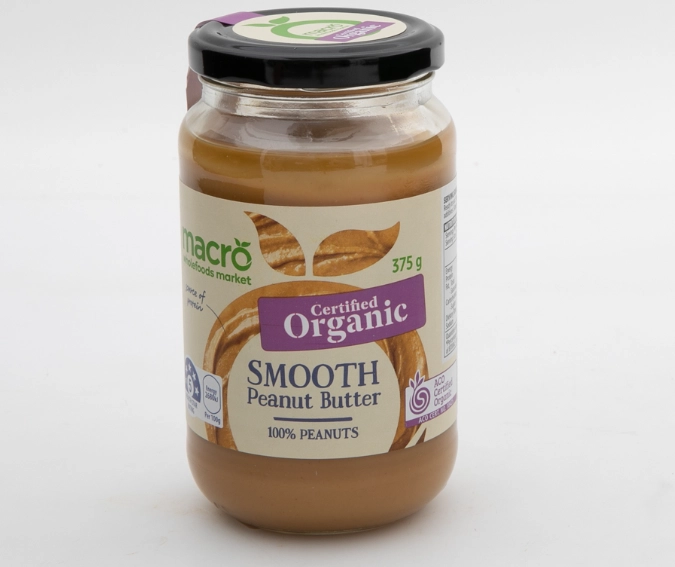
Here’s the typical macro profile for a classic creamy peanut butter:
- Calories: ~190-200
- Total Fat: 16g
- Protein: 7-8g
- Total Carbohydrates: 6-7g
- Dietary Fiber: 2-3g
- Sugars: 2-3g (This is the variable that changes everything)
See that? The dominant macro is fat. It's a high-fat, moderate-protein, low-to-moderate carbohydrate food. The protein content is decent—comparable to an egg—but it's not the primary component. This is the first misconception to clear up. You don't eat peanut butter as your main protein source; you eat it as a delicious, satisfying source of healthy fats that happens to have some protein.
The Net Carb Question for Keto and Low-Carb Diets
If you subtract fiber from total carbs, you get "net carbs," which matter for ketogenic diets. For a 2-tbsp serving: 7g total carbs - 3g fiber = 4g net carbs. That's manageable for most keto plans if you budget for it. But again, this assumes no added sugar.
Natural vs. Regular: A Macro Showdown You Need to See
This is where things get real. The "peanut butter" aisle is a minefield of different macro profiles. Let's compare three common types based on data from the USDA FoodData Central and major brand labels.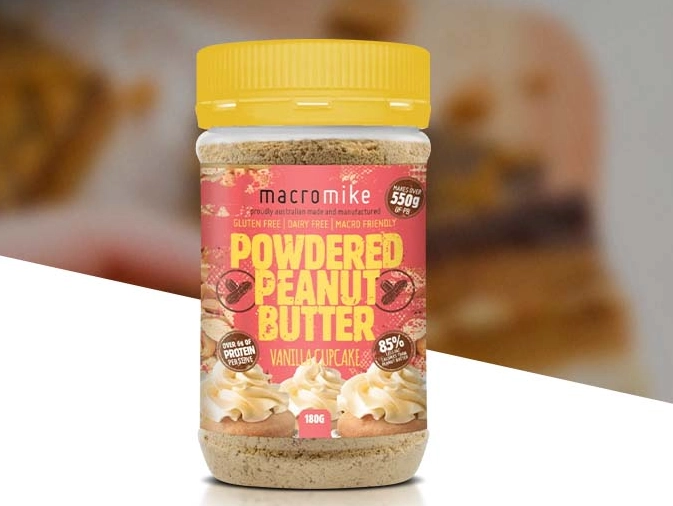
| Type of Peanut Butter (2 tbsp) | Calories | Fat | Protein | Total Carbs | Sugars | Key Ingredient Difference |
|---|---|---|---|---|---|---|
| Natural (Just Peanuts & Salt) | 190 | 16g | 8g | 7g | 1g | Peanuts, salt. Oil separates on top. |
| "Regular" (e.g., Jif Creamy) | 190 | 16g | 7g | 8g | 3g | Contains added sugar, molasses, hydrogenated oils. |
| Powdered (e.g., PB2) | 60 | 1.5g | 6g | 5g | 2g | Defatted peanuts, added sugar. Must be reconstituted. |
Look at the sugar column. That's the silent macro killer. "Regular" brands add several grams of sugar (and often stabilizers like palm oil) for creaminess and shelf-stability. The calorie and fat totals might look similar, but the source of those calories shifts.
Powdered peanut butter is a different beast entirely. By removing most of the oil, they slash calories and fat. The trade-off? It's not the same satisfying, fat-rich food. It's a low-calorie flavoring agent with some protein.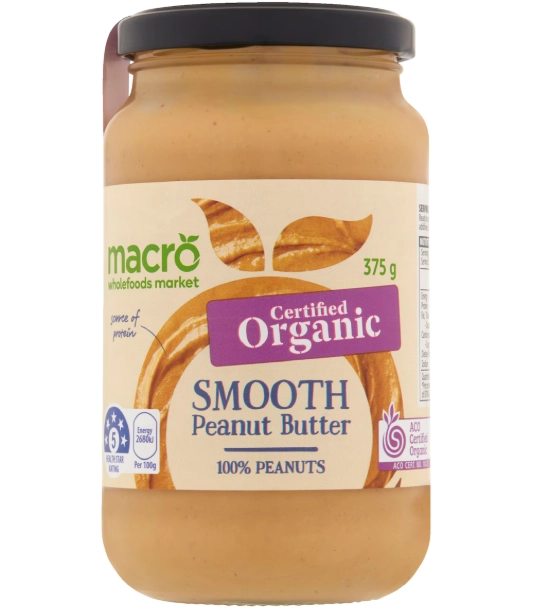
Watch Out: Don't be fooled by "Natural" labels on jars that don't need stirring. Many contain palm oil to prevent separation. This adds saturated fat and often a touch of sugar. True natural peanut butter has one layer of oil on top. Always flip the jar and read the ingredients.
How to Fit Peanut Butter Macros Into Your Diet Plan
Okay, you know the numbers. Now, how do you actually use them? It depends entirely on your goal.
For Weight Loss
Portion control is non-negotiable. That 2-tbsp serving is 200 calories. A heaping "spoonful" can be 3-4 tbsp, pushing 400+ calories without you realizing it.
My method: I use a tablespoon measure for the first week to retrain my eyes. Then, I switch to a small, designated "peanut butter spoon" that I know holds the right amount. Never eat straight from the jar. Pair it with high-volume, low-calorie foods: apple slices, celery sticks, or stir a measured portion into plain oatmeal.
For Muscle Gain or Maintenance
Here, those healthy fats and extra calories are your friend. Peanut butter is a fantastic, calorie-dense way to bump up your intake if you struggle to eat enough.
Think of it as a macro booster. Add a serving to your morning smoothie, spread it on whole-grain toast post-workout alongside some eggs, or mix it into Greek yogurt for a protein-packed, high-calorie snack. The fat helps with satiety and hormone function, which is crucial when you're training hard.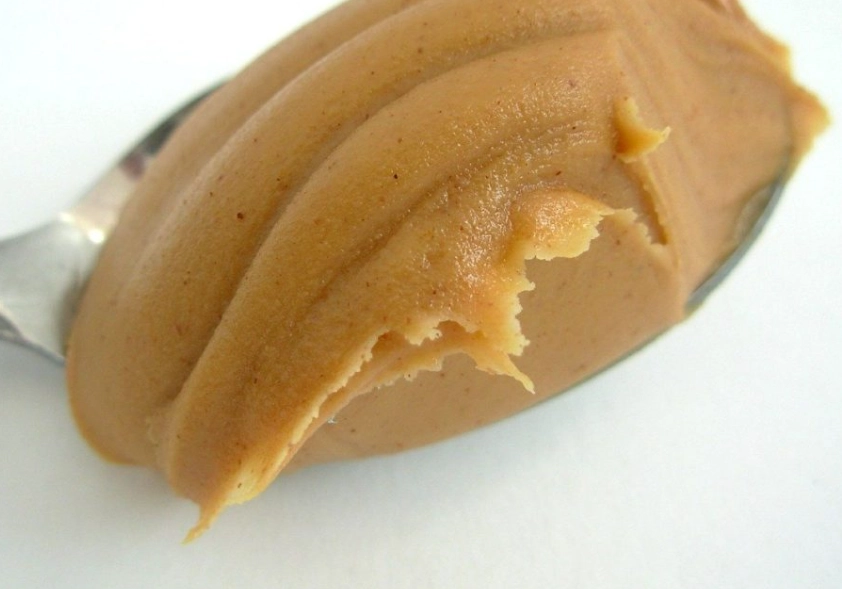
For Keto or Strict Low-Carb
You must choose natural, no-sugar-added peanut butter. The 4g of net carbs per serving can fit, but you have to be precise. Weighing (32g) is more accurate than using a tablespoon. Budget it as a fat source, not a protein source, within your daily carb limit.
Common Macro Mistakes (And How to Avoid Them)
I've made these, and I see others make them all the time.
Mistake 1: Treating it as a primary protein source. As we saw, it's a fat source with bonus protein. If your meal needs 30g of protein, peanut butter alone won't get you there without a huge calorie load.
Mistake 2: Ignoring the "creamy" vs. "crunchy" macro myth. They're virtually identical. The difference is so small it's not worth factoring in. Choose based on texture preference.
Mistake 3: Believing "Reduced Fat" is healthier. Check those labels. To reduce fat, they often add more sugar or fillers to compensate for taste and texture. You're trading healthy fats for processed carbs. Stick with the regular or natural full-fat version.
Real-World Uses: From Breakfast to Post-Workout
Let's get practical. Here are a few ways I use peanut butter while hitting my macros:
The Balanced Breakfast: Two slices of whole-grain toast (30g carbs), 2 tbsp natural peanut butter (16g fat, 8g protein, 4g net carbs), and one scrambled egg (6g protein, 5g fat). Macros are roughly balanced and keep me full for hours.
The Volume Snack: One large apple (sliced) with 1 tbsp of peanut butter for dipping. The fiber and water in the apple balance the density of the peanut butter.
The Muscle-Gain Shake: 1 cup milk, 1 scoop protein powder, 1 banana, 2 tbsp peanut butter, handful of spinach. This can easily pack 50g+ of protein and 600+ quality calories.
The point is to be intentional. Know why it's on your plate.
So there you have it. Peanut butter isn't a "good" or "bad" food—it's a macro package. Understanding that package lets you decide when and how to use it. Ditch the guilt, grab a tablespoon (a real one), and enjoy it as part of a plan that works for you.
Reader Comments