Let's cut to the chase. You're here because you want a peanut butter smoothie that's actually good—creamy, satisfying, and not a clumpy mess that tastes like chalky protein powder. Maybe you need a quick breakfast that sticks with you, a post-workout refuel, or just a delicious treat. I've been blending these things for years, and I've made every mistake so you don't have to. The secret isn't just a recipe; it's understanding why each ingredient matters and how to fix things when they go wrong (and they will).
What You'll Learn Inside
Why Peanut Butter in Smoothies? It's Not Just About Taste
Sure, it tastes amazing. But throwing a spoonful of the right peanut butter into your blender does some heavy lifting. We're talking about a serious dose of plant-based protein and healthy fats. According to the USDA, a two-tablespoon serving packs about 7-8 grams of protein and 16 grams of mostly unsaturated fat. This combo is magic for satiety—it slows down digestion, keeping your blood sugar stable and hunger pangs away for hours. Compare that to a fruit-only smoothie that might leave you rummaging for snacks an hour later.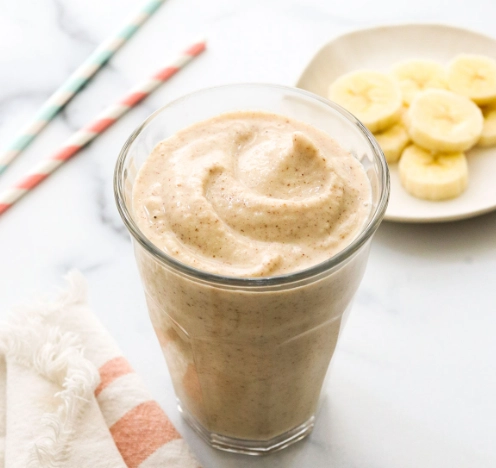
It also creates a luxuriously thick, creamy texture that water or juice alone can't achieve. It turns a drink into a meal.
Choosing Your Ingredients: The Good, The Bad, The Gritty
This is where most people get tripped up. The quality of your smoothie is 90% decided before you even hit the blend button.
The Peanut Butter Itself: The Make-or-Break Factor
Reach for the jar with the oil on top. I'm serious. Natural peanut butter (ingredients: peanuts, maybe salt) is your friend. The kind with hydrogenated oils (so it doesn't separate) often contains palm oil or other stabilizers that can leave a weird, greasy film in your mouth and don't blend as smoothly. The natural stuff emulsifies beautifully into the liquid. A quick stir is a small price for a better texture and cleaner ingredients.
The Liquid Base: More Than Just Water
Your choice here defines the character of your smoothie.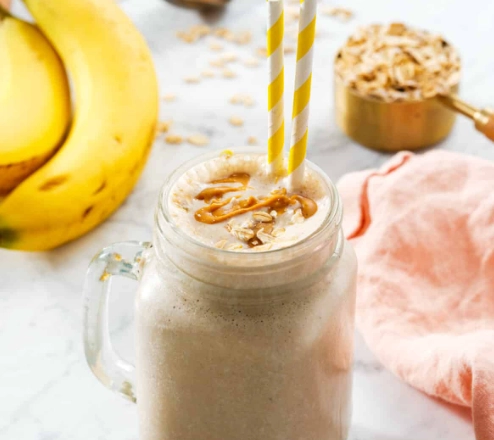
| Liquid | Best For | Flavor Note | Protein Boost |
|---|---|---|---|
| Unsweetened Almond Milk | Classic, light, nutty flavor. | Neutral, lets peanut butter shine. | Low (~1g/cup) |
| Oat Milk | Extra creaminess & slight sweetness. | Oaty, rich. | Low (~3g/cup) |
| Dairy Milk | Traditional, rich, filling. | Creamy, familiar. | High (~8g/cup) |
| Plain Greek Yogurt + Water | Ultra-thick, tangy, high-protein meal. | Tangy, very rich. | Very High (~20g for 3/4 cup yogurt) |
| Coconut Water | Post-workout, lighter, tropical twist. | Sweet, coconut hint. | Low |
The Frozen Element: Non-Negotiable for Texture
Ice waters things down. Frozen fruit gives you thick, cold, spoonable perfection. The banana is the classic—it adds creaminess, sweetness, and body. But don't be a slave to it.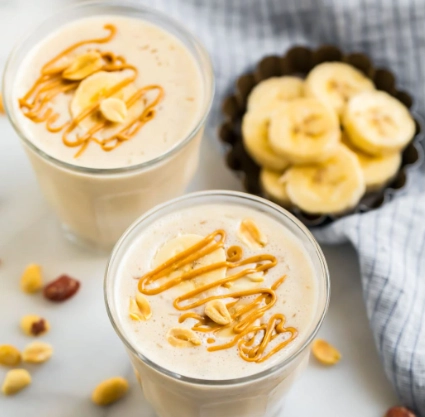
If you hate bananas: Try frozen mango chunks, frozen cauliflower rice (sounds weird, tastes like nothing, promise), or a handful of frozen zucchini slices. They all add bulk and chill without the distinct banana flavor.
The Master Recipe & Step-by-Step Blend
Here's my go-to, fail-safe template. Think of it as your smoothie blueprint.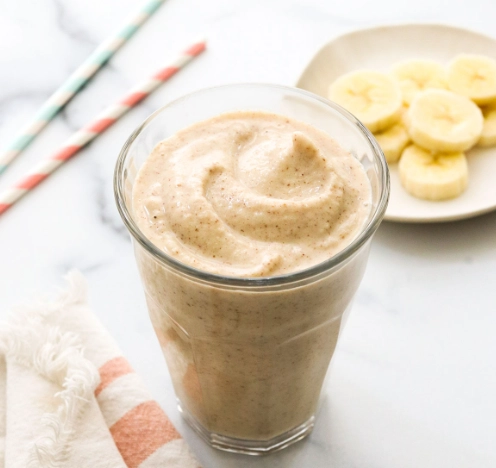
The "Never-Fail" Classic Peanut Butter Banana Smoothie
- Liquid Base: 1 cup unsweetened almond milk (or your choice from above)
- Frozen Fruit: 1 medium banana, peeled, sliced, and frozen
- Protein & Fat: 2 tablespoons natural peanut butter
- Optional Boost: 1 tablespoon chia seeds or hemp hearts, 1 handful of spinach, 1 pitted date for extra sweetness
How to blend it right:
- Liquid first. Always. Pour your milk into the blender jar. This helps the blades move freely from the start and prevents dry ingredients from getting stuck at the bottom.
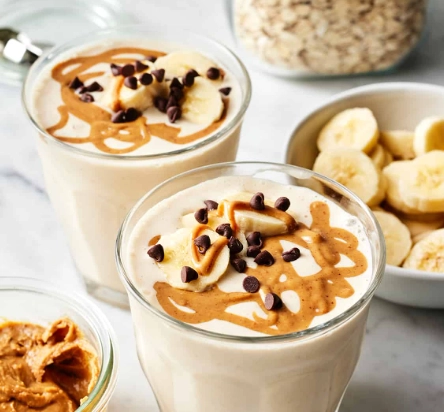
- Add soft ingredients next. Drop in the peanut butter, any yogurt, or soft dates.
- Top with frozen goods. Pile the frozen banana and any other frozen fruit or ice on top.
- Blend low to high. Start on a low speed for 10 seconds to pull everything down into the vortex, then crank it to high for 45-60 seconds until completely smooth and creamy. No more chunk-hunting.
Fixing Common Smoothie Problems
Your smoothie came out wrong. Don't pour it out. Fix it.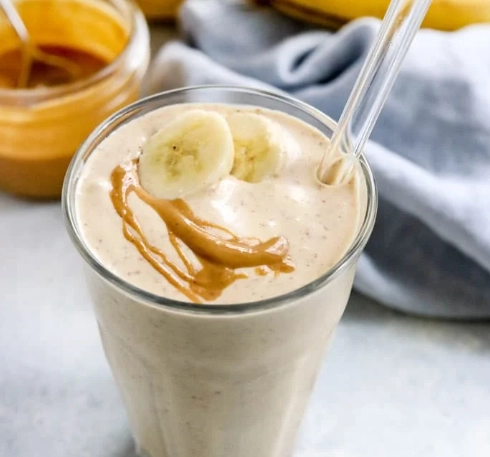
Too Thick? (Spoon-standing-up territory)
Add more liquid, one tablespoon at a time, with the blender running on low if possible. Water, milk, even a splash of cold brew coffee works. Blend for 5-10 seconds after each addition.
Too Thin? (Sad smoothie soup)
Add more frozen fruit. A few extra banana slices or a handful of frozen berries. No frozen fruit? A handful of ice cubes, a scoop of protein powder, or a tablespoon of oats will help thicken it up. Blend again.
Not Sweet Enough?
Add a pitted Medjool date, a teaspoon of maple syrup or honey, or a pinch of cinnamon. The date blends in better than granulated sugar.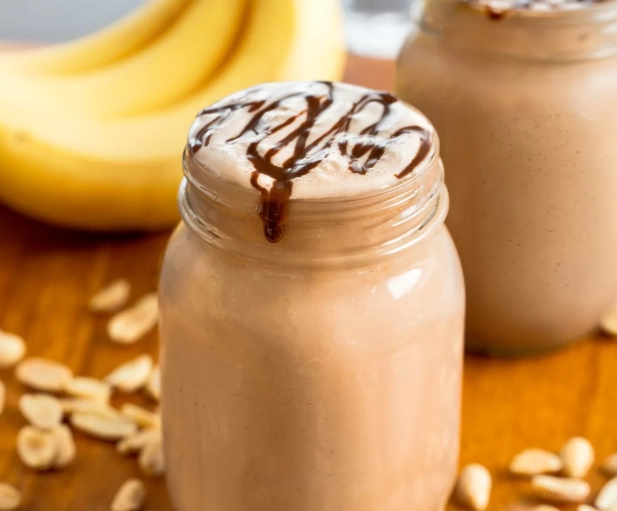
Gritty or Chalky Texture?
This is usually the peanut butter or protein powder not fully integrating. Make sure you're using a runny natural peanut butter (not the dry, compacted kind at the bottom of the jar). For protein powder, try blending it with the liquid alone first for a few seconds before adding other ingredients.
Beyond the Basic: Flavor Boosters & Swaps
Once you've mastered the classic, play around.
Chocolate Peanut Butter: Add 1 tablespoon unsweetened cocoa powder and an extra date.
Coffee Buzz: Replace 1/4 cup of the milk with cold brew concentrate.
Berry Nutty: Swap half the banana for a cup of frozen mixed berries.
Green Monster: Add a big handful of spinach or kale. You won't taste it, I swear.
“Snickerdoodle”: Add 1/4 teaspoon cinnamon and a tiny pinch of nutmeg.
The beauty is in the customization. Hate almond milk? Use oat. Allergic to bananas? Use mango. Make it yours.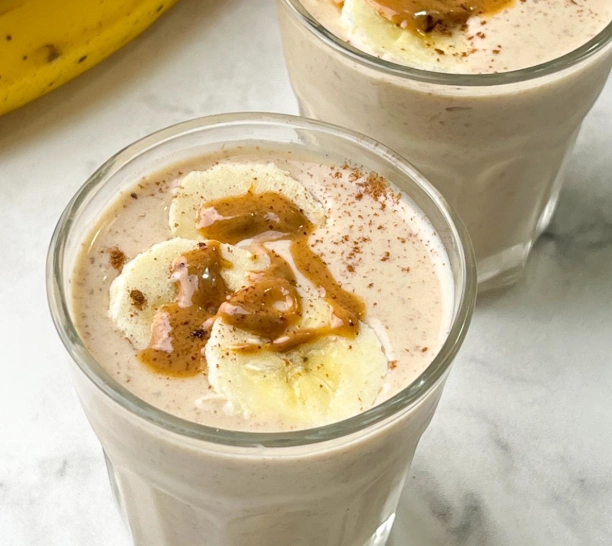
Your Smoothie Questions, Answered
So there you have it. It's more than just a recipe—it's a method. Start with the master blueprint, understand the role of each component, and don't be afraid to tweak it. The perfect peanut butter smoothie is the one that fits your taste, your dietary needs, and gets you out the door feeling great. Now go blend something awesome.
Reader Comments