You grab a spoonful of peanut butter, maybe for a quick snack or to top your morning toast. It tastes good, feels satisfying. But if you're like I was a few years back, you might glance at the jar wondering: is this actually giving me anything besides calories and taste? Specifically, what about fiber? That magical nutrient for digestion, blood sugar, and keeping you full. The answer isn't a simple yes or no. It's a spectrum, and where your jar lands on it makes all the difference between a sugary treat and a genuine health food. Let's cut through the marketing and look at the real fiber content in peanut butter.
What is Fiber and Why Does It Matter?
Think of fiber as the structural part of a plant your body can't digest. It moves through your system, doing cleanup work. There are two main types, and peanuts contain both.
Soluble fiber dissolves in water, forming a gel. It helps slow down digestion, which stabilizes blood sugar and can lower cholesterol. Insoluble fiber doesn't dissolve. It adds bulk to your stool and helps things move along, preventing constipation. Most whole plant foods have a mix.
The U.S. Dietary Guidelines recommend about 28 grams of fiber per day for women and 34 grams for men. Most of us get barely half that. This is where understanding the fiber in your pantry staples—like peanut butter—becomes a practical game-changer. It's not about chasing superfoods; it's about optimizing the foods you already eat.
How Much Fiber is Actually in Peanut Butter?
Here's where it gets interesting. A 2-tablespoon (32g) serving of plain, dry-roasted peanuts has about 2.4 grams of fiber. Logic says turning them into butter should keep that fiber, right? Not always. The final number in your jar depends almost entirely on one thing: whether the peanut skins were left in during grinding.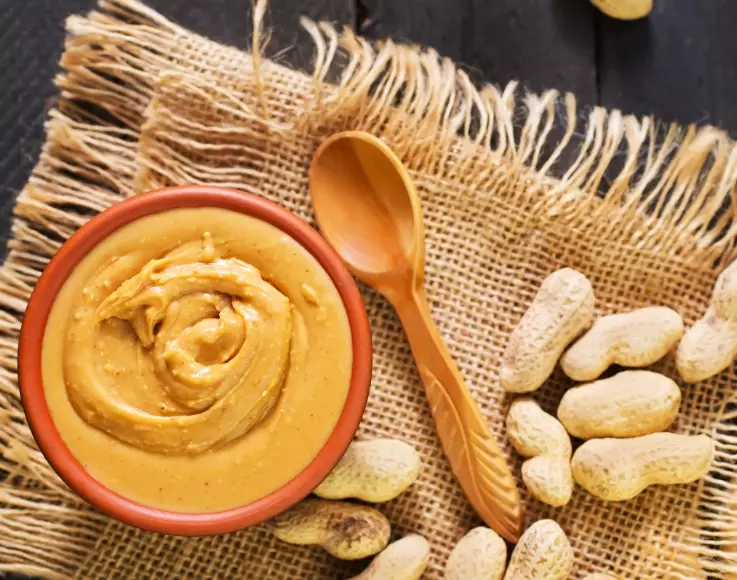
Those thin, reddish skins are fiber powerhouses. Many big manufacturers remove them to create that perfectly smooth, homogenous texture and a lighter color. They're not in the business of fiber; they're in the business of shelf-stable, spreadable consistency.
Let's look at real numbers. I spent an hour in the grocery aisle recently, jotting down labels. The variation was eye-opening.
Peanut Butter Fiber Content: A Reality Check (per 2 tbsp serving)
| Type / Example Brand | Dietary Fiber | Key Ingredients (Why the Difference) | What It Means For You |
|---|---|---|---|
| Conventional, Smooth (e.g., Jif, Skippy) | 1-2 grams | Roasted peanuts, sugar, hydrogenated oils, salt. | Skins removed. Fiber is low, added sugars are high (3-4g). More of a treat. |
| "Natural" No-Stir (e.g., Justin's) | 2-3 grams | Peanuts, palm oil, sugar, salt. | Often uses palm oil to prevent separation. Slightly better fiber, but still processed for texture. |
| True Natural, Stir-Preferred (e.g., Smucker's Natural, Trader Joe's) | 3 grams | Just peanuts and salt. | Often includes some skins. This is your fiber sweet spot—minimal processing, maximal nutrition. |
| High-Fiber / "Powdered" (e.g., PB2) | 2 grams* | Peanuts, sugar, salt (oil pressed out). | *After reconstitution. Surprisingly low fiber due to defatting process. Great for low-cal, not for high-fiber. |
| Peanut Butter with Added Fiber | 4-5+ grams | Peanuts, soluble corn fiber (or inulin), salt. | Fiber is added back. Check the source—some can cause bloating. It's effective but not "whole food." |
See the pattern? The fewer ingredients, and the more you have to stir it, the better your chances of getting a decent fiber hit. That oil layer on top is a good sign—it means they didn't homogenize the life out of it.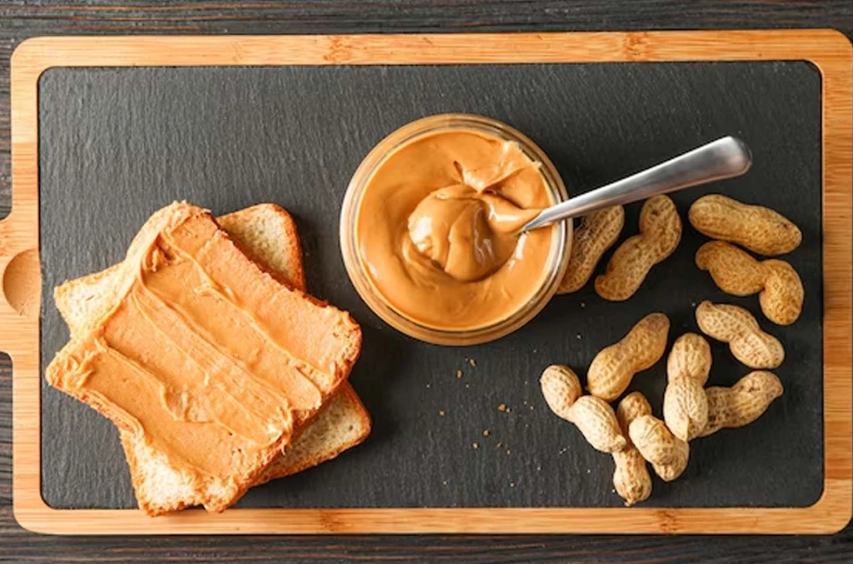
How to Choose a High-Fiber Peanut Butter
Forget brand loyalty for a second. Your mission at the store is to become a label detective. Here's my three-step checklist, honed from too many disappointing jars.
1. The Ingredient List Test
This is non-negotiable. The list should read: "Peanuts, Salt." That's it. Maybe just "Peanuts." If you see sugars (cane sugar, molasses), hydrogenated oils (to prevent separation), or palm oil, put it back. These additives don't just add junk—they're markers of a product that's been overly processed, and that process likely sacrificed the fiber-rich skins.
2. The Fiber Number Target
Look at the Nutrition Facts panel. Under "Dietary Fiber," you want to see at least 3 grams per 2-tablespoon serving. Two grams is okay, but it's the baseline. Three grams or more indicates they probably left more of the good stuff in. If it's 1 gram, it's essentially a fiber-free zone.
3. The Sugar Trap Avoidance
Check the "Added Sugars" line. In a good natural peanut butter, this should be 0g. The natural sweetness comes from the peanuts themselves. Added sugar masks flavor and is a dead giveaway of a product designed for hyper-palatability, not nutrition. A high-fiber diet paired with added sugars is a contradictory mess for your gut and blood sugar.
My personal go-to? The store-brand "natural" peanut butter from my local grocery. Ingredients: peanuts, salt. Fiber: 3g. Cost: about $4. It separates, I stir it, and I know exactly what I'm getting.
How to Boost Fiber in Your Peanut Butter Snacks
Okay, you've got a good jar. Now let's engineer your snacks and meals to be fiber powerhouses. This is where the magic happens. Pairing peanut butter with other high-fiber foods creates a synergistic effect—better digestion, longer-lasting energy.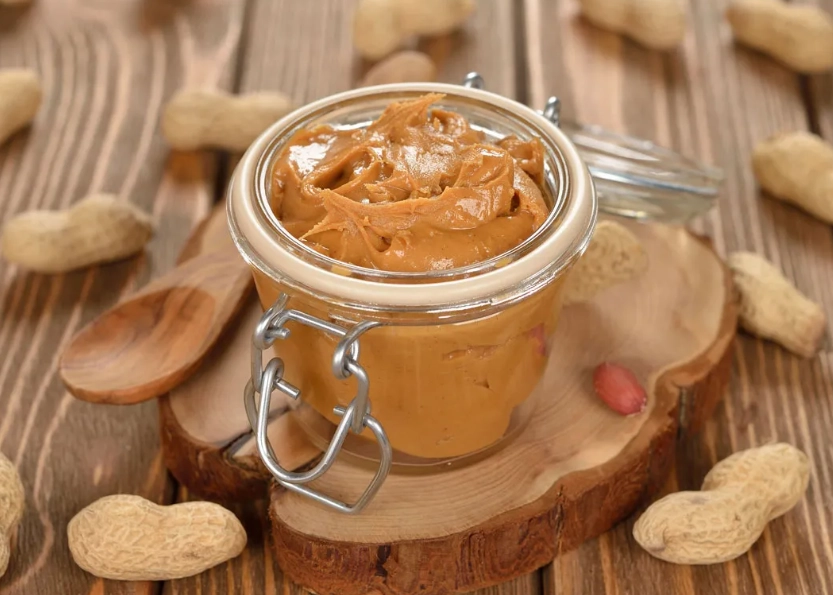
The Carrier is Key: Slathering high-fiber peanut butter on white bread (1g fiber) wastes its potential. Instead, choose:
- Whole-grain or seeded bread: Look for 3-5g of fiber per slice.
- High-fiber tortillas/wraps: Some now pack 5-8g of fiber each.
- Oatmeal: A bowl of old-fashioned oats starts you with 4g fiber.
- Apple or pear slices: The skin adds insoluble fiber.
- Celery or carrot sticks: The ultimate low-cal, crunchy vehicle.
The Mix-In Power-Ups: Stir these directly into your peanut butter or sprinkle them on top:
- Ground flaxseed or chia seeds: A tablespoon adds 2-3g of fiber and healthy omega-3s. This is my #1 hack.
- Hemp hearts: Another 1-2g fiber boost with complete protein.
- A handful of old-fashioned oats: Makes a thicker, heartier spread.
Imagine this: Two tablespoons of natural peanut butter (3g fiber) on a slice of high-fiber bread (5g fiber) with a tablespoon of ground flax (3g fiber). That's an 11-gram fiber snack right there, nearly half your daily target. It's practical, not theoretical.
The Real-World Benefits of Choosing High-Fiber Peanut Butter
Why go through this trouble? Because the payoff is tangible, not just a number on a label.
First, satiety. Fiber slows digestion. A high-fiber peanut butter snack will keep you full for hours, preventing the 3 PM crash that leads to vending machine raids. The fat in the peanuts helps, but the fiber is what stretches that feeling out.
Second, blood sugar stability. When you eat sugar-added peanut butter on white bread, you get a spike and crash. The fiber in natural peanut butter, especially when paired with whole grains, creates a slow, steady release of energy. No jitters, no slump.
Finally, gut health. That fiber is food for your beneficial gut bacteria (prebiotics). A happy gut microbiome is linked to everything from improved immunity to better mood. Choosing the right peanut butter is a small, tasty step toward feeding that inner ecosystem.
It's a shift from seeing peanut butter as just a flavor to seeing it as a functional component of your diet. The fiber content is the best indicator of whether you're holding a jar of processed food paste or a legitimate, nutrient-dense whole food.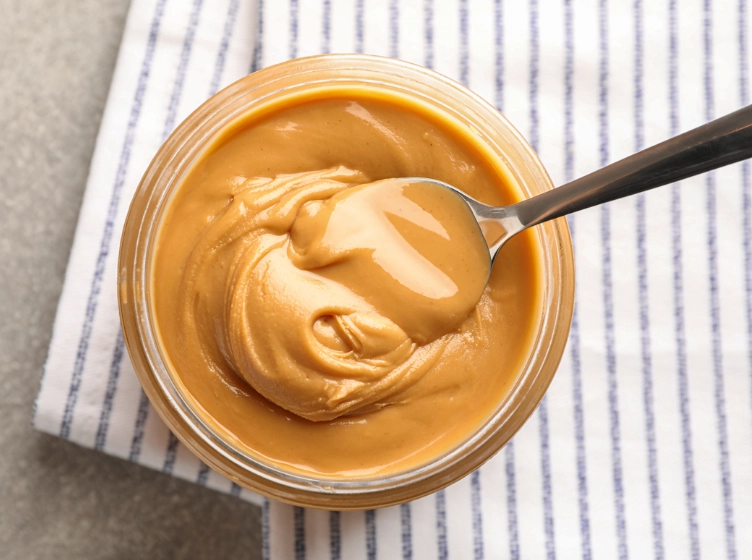
Your Peanut Butter Fiber Questions, Answered
The bottom line is simple. Don't assume your peanut butter is a fiber food. Verify it. Choose jars with one or two ingredients and a fiber count of 3g or more. Then, build your snacks around it with other fibrous partners. That simple act transforms it from a passive condiment into an active tool for better health. Your gut—and your energy levels—will thank you.
Reader Comments