You grab a jar of peanut butter. It seems simple enough. Peanuts, right? Then you look at the label and see a list that reads like a chemistry experiment. What's actually in there? The answer isn't simple, and choosing the wrong jar can turn a healthy fat and protein source into a sugary, processed spread. After years of comparing labels and even making my own, I've learned the differences aren't subtle—they're dramatic.
Here's the truth upfront: what's in your peanut butter determines whether it's a nutritional powerhouse or a dessert in disguise.
What You'll Find Inside
What Are the Core Ingredients in Peanut Butter?
Let's start with the basics. All peanut butter begins with roasted peanuts. The heat brings out the oils and flavor. From there, the path splits.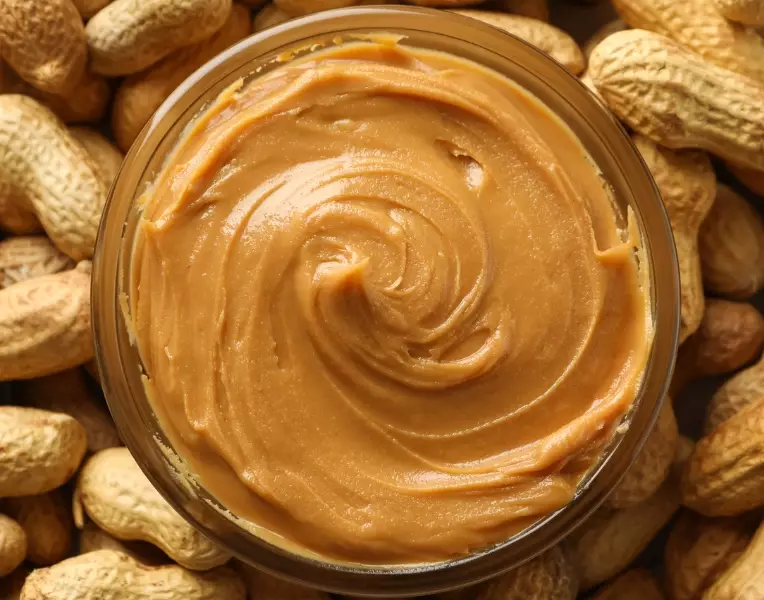
The Good Stuff: What You Want to See
Peanuts. Obviously. But the quality matters. Valencia peanuts are often sweeter, while Runner peanuts are the standard for most big brands. The best jars list just one ingredient: peanuts.
Peanut Oil. This is the natural oil that separates and floats to the top in a natural jar. It's a monounsaturated fat, the same heart-healthy type found in olive oil. Don't pour it off! Stirring it back in is crucial for texture and nutrition.
Salt. A pinch enhances flavor. Sea salt or just "salt" is fine. We're talking 80-150mg of sodium per serving. If you're on a strict low-sodium diet, you can find no-salt-added versions.
The Additives: What You Need to Decode
This is where things get tricky. Manufacturers add these to improve shelf life, prevent separation, sweeten, or cheapen the product.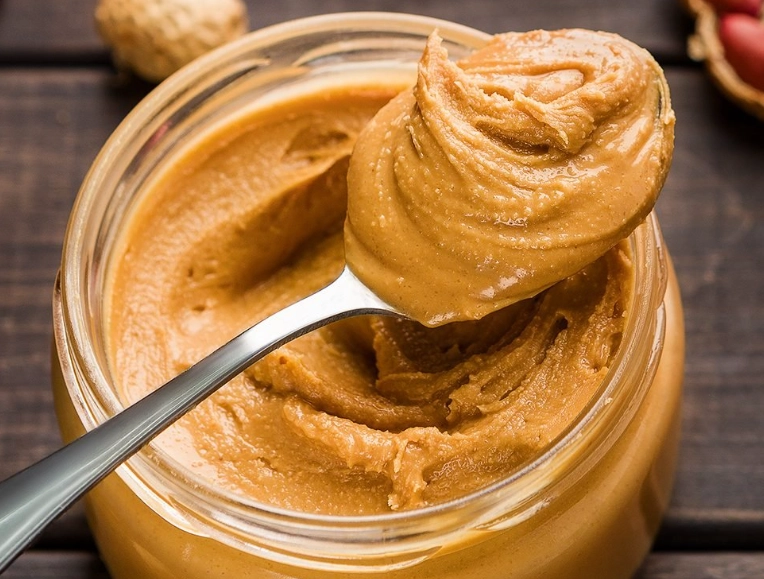
Hydrogenated Oils: This is the big one. To stop oil separation, companies add hydrogenated vegetable oils (like soybean or cottonseed). Partially hydrogenated oils contain trans fats, which are now widely banned. But fully hydrogenated oils are still common. They're harder, more saturated fats that act as a stabilizer. They make the peanut butter creamy and spreadable straight from the fridge, but they dilute the healthy peanut oil with less-desirable fats.
Sugars: Not just sugar. You'll see cane sugar, dextrose, corn syrup solids, or molasses. Some "honey roasted" varieties are loaded. This can add 3-4 extra grams of sugar per serving, turning a savory spread into a sweet one.
Emulsifiers: Like mono- and diglycerides. These help bind the oil and solids so the product never separates. It's purely for convenience and shelf appeal.
Preservatives: Sometimes you'll see TBHQ or other chemicals to give it an unnaturally long shelf life. If you're eating your peanut butter within a few months (you should be), these are unnecessary.
Natural vs. Regular Peanut Butter: A Side-by-Side Comparison
Don't just go by the word "natural" on the label—it's loosely regulated. Look at the ingredients list. Here’s a real-world breakdown of what you're actually getting.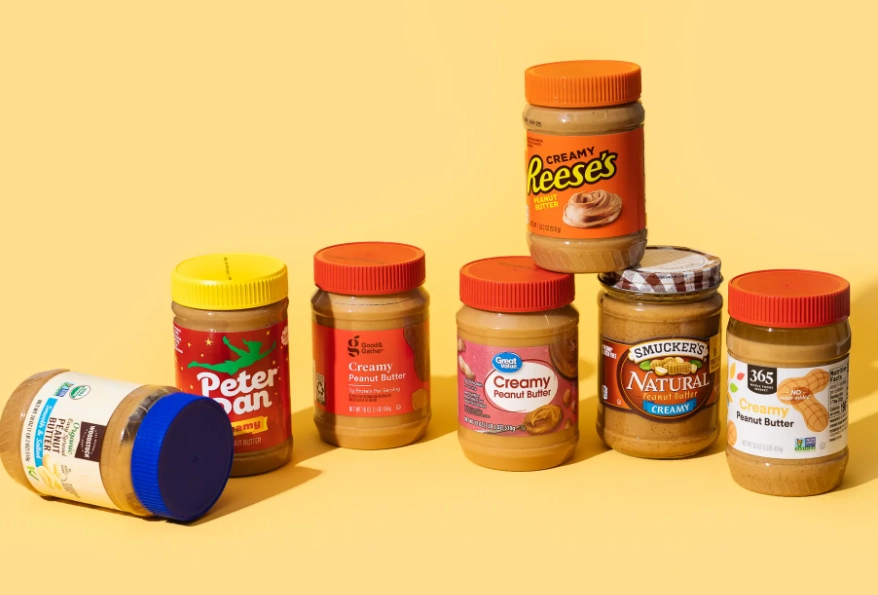
| Ingredient/Aspect | Traditional "Natural" PB | Big Brand "Regular" PB | What It Means For You |
|---|---|---|---|
| Primary Ingredients | Peanuts, Salt. | Roasted Peanuts, Sugar, Hydrogenated Vegetable Oil (Cottonseed, Soybean, and Rapeseed Oil), Salt. | The regular brand adds three extra ingredients to alter taste, texture, and stability. |
| Texture & Separation | Oil separates on top. Requires stirring. Thicker, grainier texture. | No separation. Uniformly smooth and spreadable always. | The convenience of no-stir comes from added hydrogenated oils. The natural texture is more authentic. |
| Sweetness | Pure, roasted peanut taste. Slightly savory. | Noticeably sweeter. | Added sugar makes it more palatable to kids (and adults used to sweetness), masking the pure peanut flavor. |
| Nutrition (per 2 tbsp) | ~190 cal, 16g fat (2g sat), 7g protein, 2g fiber, 1g sugar. | ~190 cal, 16g fat (3g sat), 7g protein, 2g fiber, 3g sugar. | Similar calories/protein, but the regular has more saturated fat (from hydrogenated oils) and 2-3g of added sugar. |
| Shelf Life / Storage | 2-3 months after opening (oil can go rancid). Often stored upside down. | Months, stable at room temp. | The natural product is less processed and more perishable. Refrigeration extends life but hardens it. |
I made the switch to natural years ago. The first few bites tasted off—less sweet, more earthy. After a week, my old favorite tasted like frosting. My palate adjusted. Now, I crave the real peanut taste.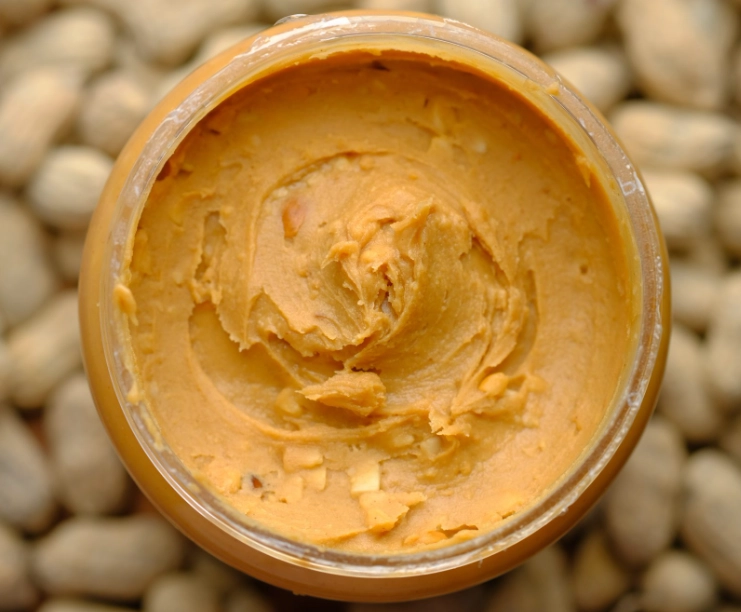
What About Powdered Peanut Butter?
Powdered peanut butter (like PB2) is a different beast. They press out most of the natural oil from roasted peanuts, then grind the defatted cake into a powder. You mix it with water to reconstitute it.
What's in it? Typically: Peanuts, sugar, salt. The big difference is the fat content is slashed from 16g per serving to 1-2g.
This isn't a direct substitute. It's a low-calorie, low-fat alternative for specific uses. The mouthfeel is different—lighter, less rich. It works brilliantly in smoothies, oatmeal, or baking where you want peanut flavor without the fat density. But for a satisfying sandwich? It often falls flat. You're missing the satiating power of those healthy fats.
How to Choose a Healthy Peanut Butter: A Step-by-Step Guide
Forget the marketing on the front. Your only tool is the ingredients list and nutrition label on the back. Here’s my 30-second store-aisle check.
Step 1: Read the Ingredients List. Look for the shortest list possible. The ideal: "Peanuts" or "Peanuts, Salt." That's it. If you see sugar, it should be no higher than the third ingredient, if at all. If you see "hydrogenated" or "palm oil," put it back. Palm oil isn't hydrogenated, but it's a highly saturated fat added for the same no-stir reason, and its production is environmentally contentious.
Step 2: Check the Sugar Content on the Nutrition Label. Under "Total Sugars," look at the grams. For a two-tablespoon serving, 1-2g is natural sugar from the peanuts. Anything above 3g means added sugar. Decide if that's okay for you. For a daily staple, I keep it under 2g.
Step 3: Look at the Type of Fat. Check "Saturated Fat." In a pure peanut butter, saturated fat should be around 2-2.5g per serving. If it's 3g or higher, that's a sign of added hydrogenated or palm oils.
A common mistake? Buying "Low-Fat" peanut butter. To make up for the removed fat (which is the healthy part!), they often add more sugar and starches for texture. You end up with a more processed, higher-carb product that's less satisfying. Just eat less of the full-fat, natural version.
Your Peanut Butter Questions Answered
These are the questions I get asked most, beyond just "what's in it."
So, what's in peanut butter? It can be the pure, simple result of ground nuts—a perfect package of protein, fiber, and healthy fats. Or it can be a highly engineered spread where sugar and stabilizers share top billing. The power is in your hands to read the label and choose. Your toast will thank you.
Reader Comments