Let's be honest. You've probably seen a dozen recipes for peanut butter fudge with marshmallow cream floating around. They all promise "easy" and "creamy." I've made my share of failures—fudge that stayed stubbornly soft, batches that turned gritty, and ones that just tasted like sweetened cardboard. After years of tweaking (and a few more failures I'd rather forget), I've nailed down not just a recipe, but the why behind every step. This isn't just another list of ingredients. It's your roadmap to understanding the alchemy of peanut butter, sugar, and that magical jar of marshmallow cream.
What You'll Find Inside
How to Make Peanut Butter Fudge Marshmallow Cream
Here’s the core method. Read it through first, then we'll dissect each part.
My Go-To Recipe (Makes about 64 one-inch squares)
Prep: 15 mins | Cook: 10 mins | Chill: 4+ hours | Cost: ~$12-$15 total
| Ingredient | Quantity & Specifics | Critical Function |
|---|---|---|
| Granulated White Sugar | 2 cups (400g) | Provides structure and sweetness base. |
| Evaporated Milk (NOT sweetened condensed) | 5/8 cup (150ml) - that's half a 12oz can | Concentrated milk for richness without excess water. |
| Unsalted Butter | 1/2 cup (1 stick / 113g) | Adds fat for smooth mouthfeel and flavor. |
| Marshmallow Cream (Fluff) | 1 full 7oz jar (about 200g) | The secret weapon for creamy texture and preventing graininess. |
| Creamy Peanut Butter | 1 cup (250g) - NOT natural or "stir" type | The star flavor. Must be stabilized (more on this below). |
| Pure Vanilla Extract | 1 teaspoon | Enhances overall flavor profile. |
The Process, Demystified
Step 1: The Boil. In a heavy-bottomed, 3-quart saucepan, combine the sugar, evaporated milk, and butter. Clip on a candy thermometer. Bring to a full, rolling boil over medium heat, stirring constantly. This is non-negotiable. Lazy stirring here will cause the sugar to scorch on the bottom. Once boiling, stop stirring and let it cook until it reaches 234°F to 236°F (112°C to 113°C) on the thermometer. This is the "soft-ball" stage. This takes about 4-6 minutes of active boiling. Don't walk away.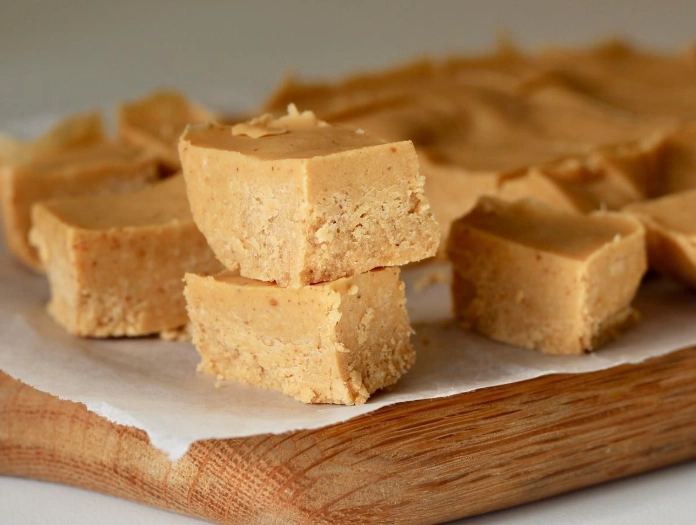
I learned the hard way that guessing the temperature is a recipe for soup. A good digital thermometer is a $15 investment that saves batches.
Step 2: The Fluff & Mix. Remove the pan from heat immediately. Drop in the entire jar of marshmallow cream and the teaspoon of vanilla. Don't stir yet. Let it sit for one minute—this allows the heat to soften the fluff, making it easier to incorporate. Now, stir vigorously with a wooden spoon or stiff silicone spatula until the marshmallow cream is fully melted and the mixture is uniform.
Step 3: The Peanut Butter Incorporation. Add the full cup of peanut butter. Stir, stir, stir until every last bit is melted and the mixture is completely smooth, glossy, and no streaks remain. You'll notice it start to thicken and lose its sheen slightly. That's good. This should take 1-2 minutes of solid mixing.
Step 4: The Pan & Set. Pour immediately into a prepared 8x8 or 9x9 inch pan lined with parchment paper (greasing is not enough, trust me). Spread evenly with a spatula. Let it cool at room temperature for about 30 minutes, then refrigerate uncovered for at least 4 hours, preferably overnight. This slow, firm set prevents condensation and a sticky top.
Ingredient Deep Dive: The Non-Negotiables
This is where most online recipes gloss over the details, leading to your fudge failing.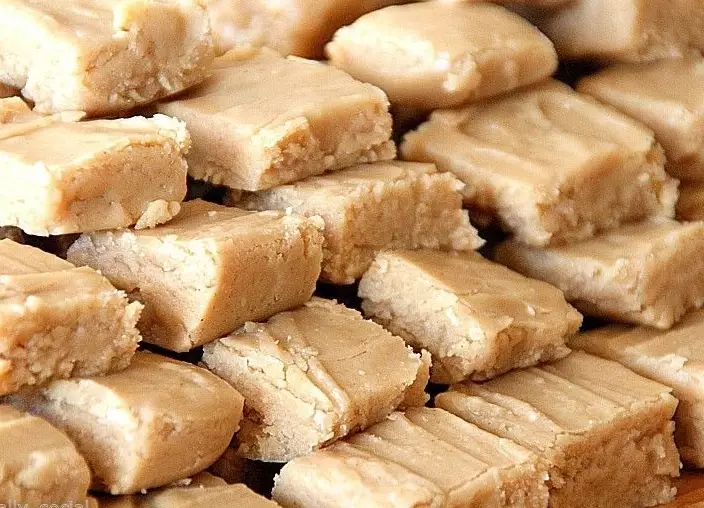
Peanut Butter: The Biggest Pitfall
You must use a commercial, shelf-stable creamy peanut butter like Jif, Skippy, or Peter Pan. These contain hydrogenated oils that keep the peanut butter emulsified. The "natural" or "just peanuts and salt" varieties will separate when heated, leaving you with a greasy, oily layer on top of your fudge. It's a mess. If you're health-conscious, this might be a deal-breaker, but for texture integrity, stabilized peanut butter is mandatory.
Marshmallow Cream: Not Just Sweetness
Marshmallow cream (like Kraft Jet-Puffed Marshmallow Creme or Fluff) is a key structural ingredient. According to food science resources, its primary role is to interfere with sugar crystal formation. Large sugar crystals make fudge gritty. The proteins and sugars in the marshmallow cream get in the way, promoting the formation of millions of tiny, imperceptible crystals instead of a few large, sandy ones. It's your anti-grittiness insurance policy.
Evaporated Milk vs. Other Liquids
Why not regular milk or half-and-half? Water content. Evaporated milk has about 60% of the water removed. Using a liquid with higher water content means you have to boil it longer to reach 234°F, which can lead to overcooked sugar and a harder final product. Evaporated milk gives you richness and the right water-to-sugar ratio from the start.
The Science Behind the Perfect Fudge Texture
Fudge making is controlled crystallization. You're essentially creating a sugar syrup saturated enough to form crystals, but you want to control their size. Here's the sequence:
- Dissolving: Sugar dissolves in the evaporated milk and butter.
- Concentrating: Boiling drives off water, creating a super-saturated solution.
- Seeding & Interfering: When you cool and stir in the peanut butter and marshmallow cream, you're "seeding" the solution with fats and proteins. These act as sites for crystals to form, but the marshmallow cream's structure limits their growth.
- Setting: Slow cooling in the fridge allows these tiny crystals to form a stable, creamy network.
Stirring during the initial boil encourages large crystals. Stirring vigorously after removing from heat encourages small ones. That's why the procedure is so specific.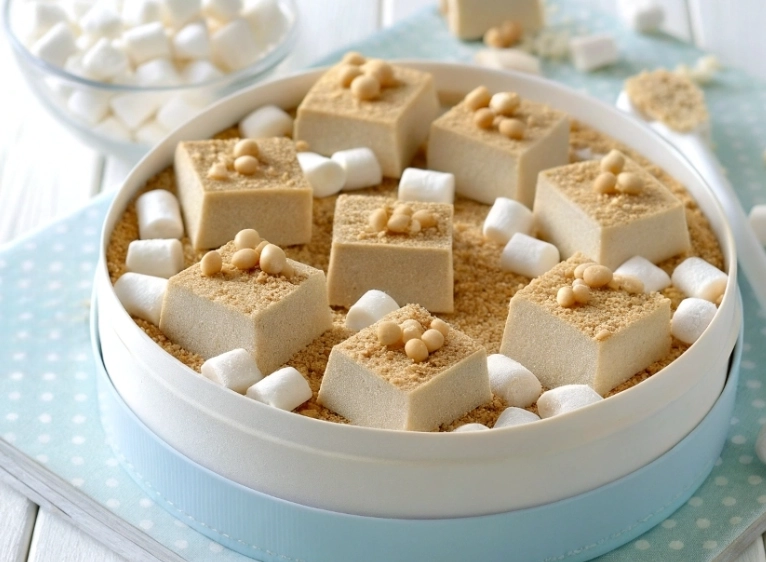
Troubleshooting Your Peanut Butter Fudge
Let's diagnose common issues. I've faced every single one.
Problem: Fudge is too soft and won't set.
Likely Cause: You didn't reach the proper temperature (234°F). Undercooked syrup hasn't lost enough water. Or, you used natural peanut butter which added extra oil.
Fix: Sadly, there's no saving a severely undercooked batch. You can try re-cooking it, but it's tricky. Next time, trust the thermometer.
Problem: Fudge is grainy or sandy.
Likely Cause: Sugar crystals formed too early. This can happen if you stirred during the boiling phase, or if sugar crystals splashed onto the side of the pan and fell back in, "seeding" large crystals.
Fix: Prevent it by washing down the sides of the pan with a wet pastry brush in the first minute of boiling to dissolve any sugar crystals. And never stir once it's boiling.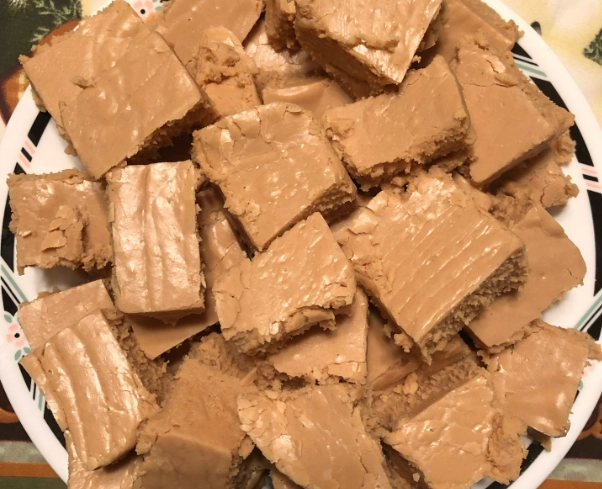
Problem: Fudge is hard and crumbly.
Likely Cause: Overcooked. You boiled past 236°F, driving off too much water.
Fix: It's still edible but less pleasant. Crumble it over ice cream as a topping—waste not, want not.
Creative Twists on the Classic
Once you've mastered the base, play with it.
- Chocolate Swirl: Melt 1/2 cup of semi-sweet chocolate chips with 1 tsp of shortening. After pouring the fudge into the pan, drizzle the chocolate over top and swirl with a knife.
- Salted Caranut: Sprinkle the top with flaky sea salt and chopped, roasted peanuts before it sets.
- Cookie Crunch: Fold in 3/4 cup of crushed vanilla wafers or Oreo pieces at the very end before pouring.
- Spiced: Add 1/2 tsp of cinnamon or a pinch of cayenne pepper to the sugar mixture at the start for a warm kick.
Storing, Serving & Gifting Your Fudge
Cut the chilled fudge into 1-inch squares with a sharp knife wiped clean between cuts. Store in an airtight container in the refrigerator for up to 2 weeks. It can sit at room temperature for a party for a few hours. For gifting, layer squares between parchment paper in a decorative tin. It ships reasonably well in cool weather with an ice pack.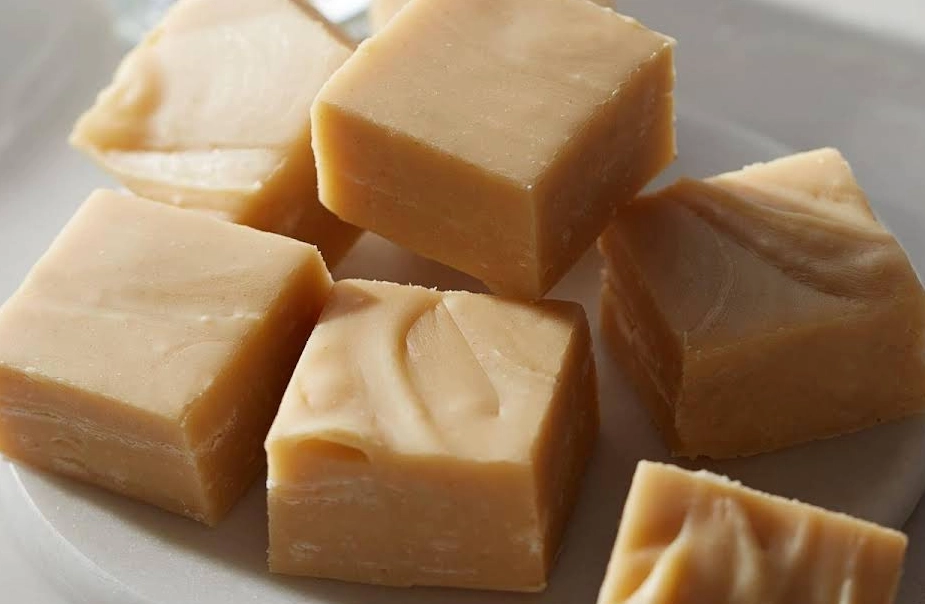
Your Fudge Questions, Answered
Technically yes, but I don't recommend it for beginners. Homemade fluff (like a Swiss meringue) has a different moisture and protein structure. The recipe is calibrated for the density and stability of commercial marshmallow cream. Using homemade could throw off the water balance, potentially affecting the set. Stick to the jar until you're a pro.
That's sugar "bloom." It happens when moisture evaporates from the surface, leaving tiny sugar crystals behind. It's harmless but not pretty. To prevent it, ensure your storage container is truly airtight. Pressing a piece of parchment paper directly onto the surface of the fudge before sealing the container can also help by creating a moisture barrier.
You likely over-mixed after adding the peanut butter. That vigorous stirring is necessary to incorporate everything, but if you go beyond that point, you're agitating the mixture and encouraging more crystal formation, which diffuses light and creates a matte finish. Mix just until smooth and uniform, then stop and pour immediately.
I advise against doubling it in one batch. A larger volume of syrup in the same pot will take much longer to reach temperature, increasing the risk of scorching and uneven cooking. It also becomes very difficult to stir in the final ingredients effectively before the mixture sets up. Instead, make two separate batches. The extra 15 minutes of active time is worth the guaranteed result.
You can use the "soft-ball" test. Drop a small bit of the boiling syrup into a cup of very cold water. If you can form it into a soft, pliable ball that flattens when you take it out of the water, it's ready. But this method is subjective and leaves more room for error, especially for your first time. The thermometer removes the guesswork and is the single best tool for consistent fudge.
Reader Comments