Let's cut to the chase. If you're worried about gluten in peanut butter, here's the short answer: pure peanut butter made from just peanuts is gluten-free. But hold on—that's not the whole story. I've worked with celiac patients for over a decade, and the devil is in the details. Cross-contamination, additives, and misleading labels can turn a safe snack into a risk. In this guide, I'll walk you through everything, from basic science to hidden pitfalls, so you can enjoy peanut butter without fear.
What You'll Find in This Guide
- What is Gluten and Why Does It Matter?
- Is Peanut Butter Naturally Gluten-Free?
- The Hidden Risk: Cross-Contamination in Peanut Butter
- How to Choose Gluten-Free Peanut Butter: A Step-by-Step Guide
- Top Gluten-Free Peanut Butter Brands (with a table)
- Common Misconceptions About Gluten in Peanut Butter
- Your Questions Answered
What is Gluten and Why Does It Matter?
Gluten is a protein found in wheat, barley, and rye. For most people, it's harmless. But for those with celiac disease or gluten sensitivity, it triggers an immune response that damages the gut. Symptoms range from bloating to severe fatigue. I've seen clients struggle for years before linking their issues to gluten. The Celiac Disease Foundation estimates 1 in 100 people worldwide have celiac, but many go undiagnosed. That's why knowing what foods contain gluten is crucial.
Peanuts, the main ingredient in peanut butter, are legumes—not grains. So naturally, they don't have gluten. But food processing complicates things. Let's dive deeper.
Is Peanut Butter Naturally Gluten-Free?
In theory, yes. Peanuts are gluten-free. If you grind them into butter with nothing else added, it's safe. But here's where many get tripped up: commercial peanut butter often includes extra ingredients. Salt, sugar, oils—these are usually fine. But some brands add stabilizers or flavors derived from gluten sources.
Take maltodextrin, for example. It can be made from corn (gluten-free) or wheat (not gluten-free). If the label doesn't specify, you're rolling the dice. I recall a client who reacted to a popular peanut butter brand because it used wheat-based maltodextrin. The label just said "natural flavors," which is a red flag.
Quick Tip: Always scan the ingredient list for words like "wheat," "barley," "rye," or vague terms like "natural flavors" that might hide gluten.
The Hidden Risk: Cross-Contamination in Peanut Butter
This is the big one. Even if the ingredients are gluten-free, cross-contamination during manufacturing can introduce gluten. Factories often process multiple products on shared equipment. A machine that handles wheat crackers one hour might be used for peanut butter the next, leaving traces behind.
I've visited facilities where this happens more often than you'd think. One manufacturer admitted to me that their "gluten-free" line was adjacent to a wheat processing area, risking airborne contamination. For celiacs, even 20 parts per million of gluten can cause a reaction. The FDA sets this as the threshold for gluten-free labeling, but not all brands test rigorously.
How common is it? A study by the Gluten Intolerance Group found that about 5% of peanut butter samples from non-certified brands had detectable gluten. That's low, but if you're sensitive, it's not worth the risk.
The Processing Chain: Where Things Go Wrong
Let's break it down. Peanut butter production involves roasting, grinding, and packaging. If any step shares space with gluten-containing foods, contamination can occur. For instance, conveyor belts might be reused without proper cleaning. I've heard stories from industry insiders about lax protocols in some plants.
Your best bet? Look for brands that dedicate facilities to gluten-free products or have strict allergen controls. Certifications like GFCO (Gluten-Free Certification Organization) require regular testing, so they're more reliable.
How to Choose Gluten-Free Peanut Butter: A Step-by-Step Guide
Don't just grab any jar off the shelf. Follow these steps to stay safe.
Step 1: Check the label for "gluten-free" certification. This is the easiest way. Certifications from GFCO or NSF International mean the product meets strict standards. But beware—some brands use "gluten-free" as marketing without third-party verification. I always recommend cross-referencing with the manufacturer's website.
Step 2: Read the ingredient list carefully. Avoid anything with wheat, barley, rye, or their derivatives. Watch out for hydrolyzed wheat protein or modified food starch. If you see "may contain wheat" or "processed in a facility that also processes wheat," steer clear unless you're not highly sensitive.
Step 3: Contact the manufacturer if unsure. I do this for my clients. Email or call the company to ask about their allergen protocols. Ask specific questions: Do they test for gluten? What's the ppm level? Are facilities dedicated? Many companies have detailed allergen statements online.
Step 4: Consider natural or organic brands, but don't assume safety. Organic peanut butter might avoid pesticides, but it doesn't guarantee gluten-free processing. I've seen organic brands with higher cross-contamination risks because they use shared equipment for cost savings.
Here's a personal anecdote. A friend with celiac thought she was safe with a high-end natural brand. After a reaction, we discovered the factory also made granola with barley. The label didn't mention it. Lesson learned: always dig deeper.
Top Gluten-Free Peanut Butter Brands (with a table)
Based on my experience and industry reviews, here are some reliable options. I've included a table for quick comparison.
| Brand | Gluten-Free Certification | Key Features | Price Range (per jar) |
|---|---|---|---|
| Justin's Classic Peanut Butter | Yes (GFCO) | Made in dedicated facility, no cross-contamination risk | $5-$7 |
| Smucker's Natural Peanut Butter | Yes (label claim, third-party tested) | Simple ingredients, widely available | $4-$6 |
| Crazy Richard's 100% Peanuts | Yes (GFCO) | Just peanuts, no additives, good for strict diets | $6-$8 |
| Jif Natural Peanut Butter | No (may contain wheat due to shared lines) | Avoid if highly sensitive; check labels for warnings | $3-$5 |
| Trader Joe's Creamy Peanut Butter | Yes (store brand, gluten-free labeled) | Affordable, but verify batch testing | $2-$4 |
Note: Prices vary by location. Always double-check labels, as formulations can change. I've seen brands reformulate and introduce gluten risks without fanfare.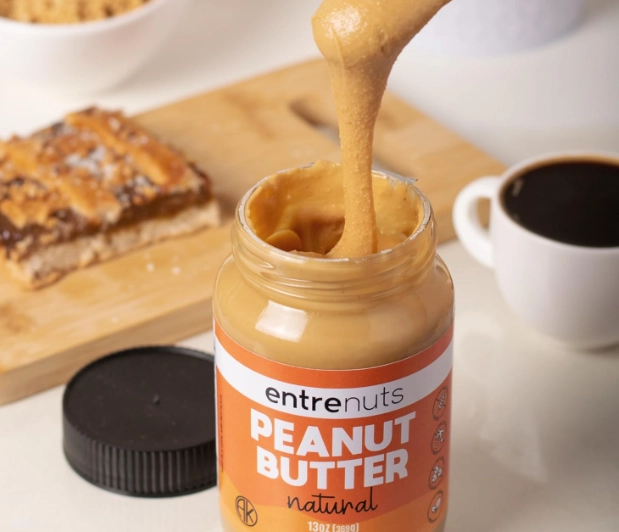
Common Misconceptions About Gluten in Peanut Butter
Let's clear up some myths I encounter all the time.
Myth 1: "All natural peanut butter is gluten-free." Wrong. Natural refers to minimal processing, not allergen safety. A brand can be natural but processed on equipment shared with gluten foods.
Myth 2: "If it doesn't list gluten ingredients, it's safe." Not always. Cross-contamination doesn't appear on ingredient lists. You need to look for allergen statements or certifications.
Myth 3: "Organic means gluten-free." No connection. Organic certification focuses on farming practices, not gluten content. I've reviewed USDA organic standards—they don't address gluten cross-contamination.
Myth 4: "Homemade peanut butter is always safe." Mostly true, but if you use a blender that previously processed gluten-containing foods, you risk contamination. Clean equipment thoroughly.
I once had a client who made peanut butter at home but used a food processor that had chopped wheat bread. She got sick and couldn't figure out why. It's these small oversights that catch people.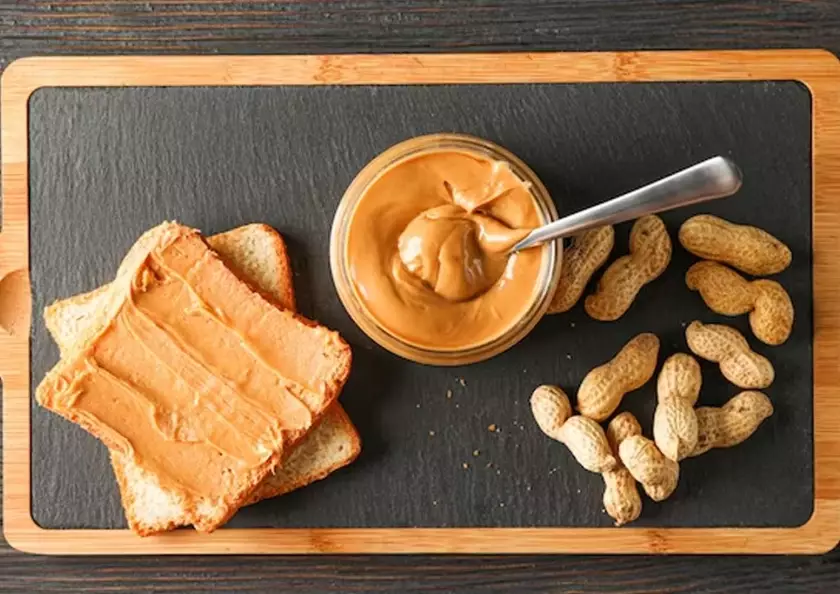
Your Questions Answered
Wrapping up, peanut butter can be a safe, delicious part of a gluten-free diet if you're vigilant. Focus on certified brands, read labels like a detective, and don't hesitate to reach out to companies. From my years in nutrition counseling, I've learned that empowerment comes from knowledge. Share this guide with others who might benefit—it's all about making informed choices without the fear.
If you have more questions, drop a comment below. I'm here to help navigate the tricky world of food allergies.
Reader Comments