Yes, peanut butter has protein. A lot of articles stop right there. But that simple answer doesn't help you decide if it's a good source for your goals, how it stacks up against other foods, or if you're even getting the protein you think you are from your jar. I've spent years looking at nutrition labels, talking to dietitians, and, frankly, eating a lot of peanut butter. The story is more nuanced than a yes or no.
Most people grab a spoonful thinking they're giving their muscles a solid boost. Sometimes they are. Sometimes they're just adding a hefty dose of calories with a protein sidekick. Let's break down the details so you can use peanut butter smartly.
What You'll Find in This Guide
The Straight Facts: Protein in a Serving
The standard serving size for peanut butter is two tablespoons (about 32 grams). Here's what you typically get in that serving:
- Protein: 7 to 8 grams
- Total Fat: 16 grams (mostly the heart-healthy unsaturated kind)
- Carbohydrates: 6-7 grams (including 2-3 grams of fiber and 1-3 grams of sugar)
- Calories: Roughly 190
Eight grams of protein is meaningful. It's about the same as one large egg. It's a decent contribution, especially for a plant-based food. But here's the first nuance: that number assumes you're eating a standard, homogenized peanut butter where everything is evenly mixed.
Quick Reality Check: If you use a heaping spoonful instead of a level one, you're easily looking at 10+ grams of protein, but also 250+ calories. Portion control is everything with this food.
Not All Jars Are Created Equal
Walk down the aisle and you'll see a dozen different types. The protein content can shift depending on what's in the jar.
1. Conventional Creamy/Crunchy (e.g., Jif, Skippy)
These are the classics. They're consistently around 7g of protein per serving. They add things like hydrogenated oils (to prevent oil separation) and sugar. The protein content is reliable because the emulsion is stable.
2. "Natural" Peanut Butter (Oil on Top)
Ingredients are usually just peanuts and salt. The protein can be slightly higher, sometimes 8g per serving, but here's a trap: if you don't stir that separated oil back in thoroughly, you might scoop a serving that's oil-heavy and peanut-solid-light. Your actual protein intake could be lower than the label states. I've seen it happen.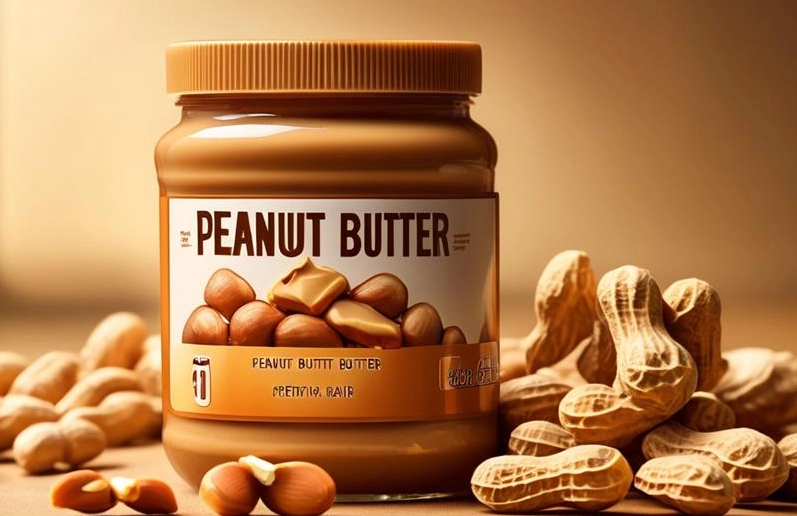
3. Powdered Peanut Butter (e.g., PB2)
This is a game-changer for some. They press out most of the fat. You mix the powder with water. Two tablespoons of the powder (about 13g) have around 6g of protein for only 60 calories. The protein-to-calorie ratio is excellent, but the texture and taste are different. It's a supplement, not a replacement.
4. "High-Protein" or Blended Nut Butters
Some brands now add pea protein or other plant proteins. These can boast 10-12g of protein per serving. Check the ingredient list. If it's just peanuts and added protein isolate, it's a legit boost. If it's filled with other junk, it's not worth it.
How Peanut Butter Protein Compares to Other Common Foods
Context is king. Is 8 grams good? Let's put it side-by-side with other protein sources, looking at a similar calorie cost (roughly 190-200 calories).
| Food | Approx. Serving for ~190 cals | Protein (g) | Key Takeaway |
|---|---|---|---|
| Peanut Butter | 2 tbsp (32g) | 8 | Good protein, but high in fat/calories. |
| Non-Fat Greek Yogurt | 7 oz (200g container) | 20 | Over double the protein for same calories. |
| Canned Tuna (in water) | 3.5 oz (100g) | 23 | A protein powerhouse, lean and complete. |
| Cooked Lentils | 1 cup (200g) | 18 | Great plant-based option, high in fiber too. |
| Chicken Breast | 3 oz (85g cooked) | 26 | The efficiency champion for lean protein. |
| Whole Eggs | 3 large eggs | 18 | More protein, plus fats and vitamins. |
See the pattern? Peanut butter provides moderate protein in a high-calorie package. It's not the most efficient source if your sole goal is maximizing protein intake. Its strength lies in being a tasty, satisfying, and nutritious vehicle that includes protein.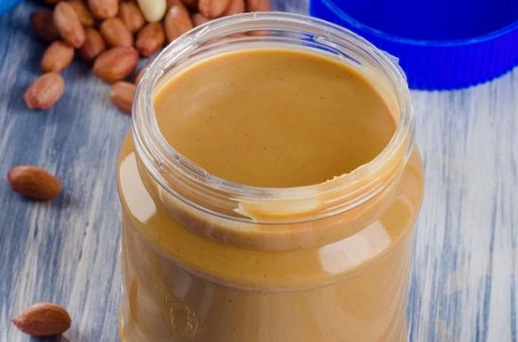
The Quality of Peanut Butter Protein
Proteins are made of amino acids. "Complete" proteins contain all nine essential amino acids your body can't make. Animal sources (meat, dairy, eggs) are complete.
Peanut butter protein is incomplete. It's low in one essential amino acid called methionine. This doesn't make it "bad"—it makes it complementary. Your body can combine amino acids from different foods eaten throughout the day.
The classic combo? Peanut butter on whole wheat bread. The grains make up for the amino acid peanut butter lacks, creating a complete protein profile. It's why that sandwich is such a enduring, effective snack.
So, while the protein in your peanut butter is real and usable, it works best as part of a varied diet.
How to Choose the Best Peanut Butter for Protein
Forget marketing. Look at the label.
- Ingredients List: The best choice for overall health is one where "peanuts" is the only ingredient, or "peanuts and salt." You get the native protein without added sugars or unhealthy fats.
- Protein per Serving: Aim for at least 7 grams per 2-tbsp serving. If it's lower, check if fillers are taking up space.
- Sugar Content: Keep added sugars as low as possible. Under 2g per serving is great. The protein isn't worth it if it's buried in sugar.
- Avoid Hydrogenated Oils: These are trans fats. They're bad for heart health and have nothing to do with protein quality.
My personal go-to is a natural, stirred-well brand from the fridge section. The texture is thick, the taste is pure peanut, and I know exactly what I'm getting.
Putting It to Work: Smart Ways to Use It
To leverage peanut butter's protein effectively, pair it strategically.
For a Post-Workout Boost: Don't rely on it alone. Have it with a carb source to replenish glycogen. A banana with a tablespoon of peanut butter is better than just the peanut butter.
To Build a Complete Meal: Use it as a flavor and nutrient anchor in a sauce. A satay sauce (peanut butter, lime, soy sauce, ginger) over chicken and vegetables adds protein and healthy fats to an already protein-rich meal.
As a Sustaining Snack: This is its sweet spot. The combo of protein, fat, and fiber digests slowly, keeping you full. Apple slices with peanut butter, celery sticks, or a small whole-grain cracker with a smear.
I once tried to use peanut butter as my primary protein source for a week. It was a mistake. I felt sluggish and was constantly hungry. It's a team player, not a superstar.
Your Questions, Answered
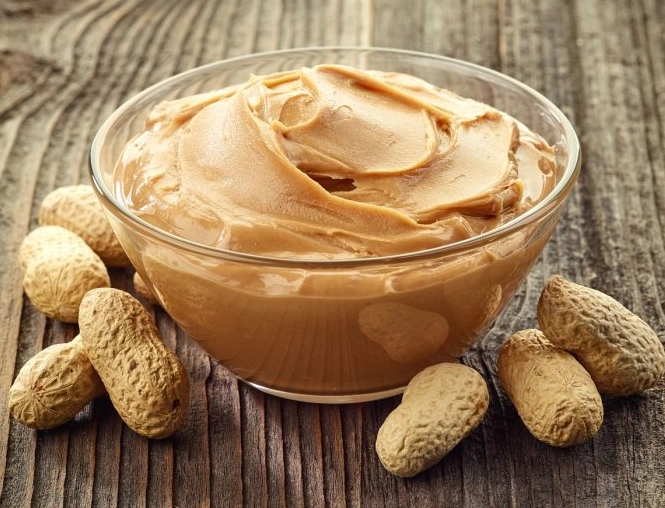
So, does peanut butter have protein? Absolutely. It's a solid source. But it's not a magic bullet. It's a delicious, versatile food that brings healthy fats, fiber, and a moderate amount of good-quality plant protein to your table. Use it to complement other protein sources, not replace them. Choose a jar with simple ingredients, watch your portions, and enjoy it as part of a balanced diet. That's how you get the real benefit.
For precise nutrient data, I often cross-reference with the USDA's FoodData Central database, which is the gold standard for this kind of information.
Reader Comments