Peanut butter seems simple—just smash peanuts, right? But open any grocery aisle, and you'll find jars with labels listing things like hydrogenated vegetable oil, sugar, and emulsifiers. So what's really in there? As someone who's made peanut butter from scratch for over a decade, I'll break it down: at its core, peanut butter is ground peanuts, but commercial versions often include extras for texture, taste, and shelf life. Let's dive into the details, from farm to jar.
Here's What We'll Cover
The Core Ingredients of Peanut Butter
Think of peanut butter as a puzzle—peanuts are the biggest piece, but others fit in to create that creamy spread. Here's what you'll typically find, based on my experience comparing dozens of brands.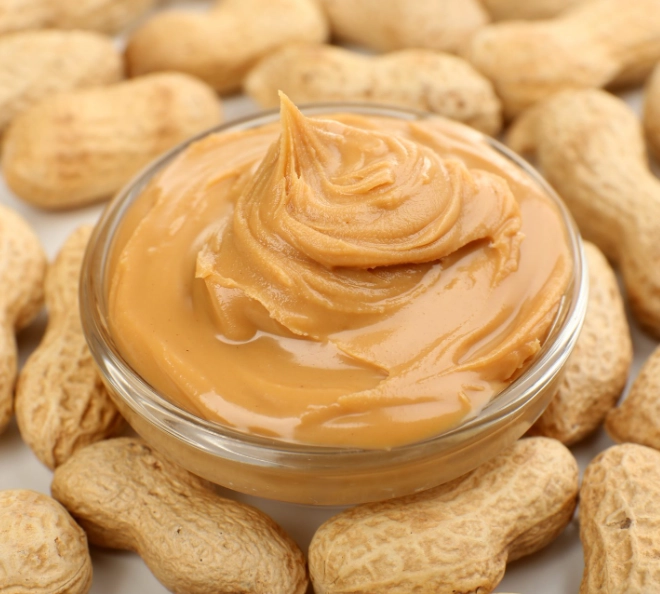
Peanuts: The Star of the Show
Obviously, peanuts are the main ingredient. Most peanut butter uses roasted peanuts, which give that rich, nutty flavor. Raw peanuts can be used too, but roasting enhances the taste and helps release oils for smoothness. In the U.S., the USDA requires peanut butter to contain at least 90% peanuts by weight. That leftover 10%? That's where things get interesting.
I once tried making peanut butter with unroasted peanuts—it tasted bland and gritty. Roasting is key, but over-roasting can make it bitter. Commercial brands often use Runner or Virginia peanuts for a consistent oil content.
Oils and Fats: For That Smooth Texture
Peanuts have natural oils, but sometimes extra oils are added. Hydrogenated vegetable oils (like palm or soybean oil) are common in conventional peanut butter to prevent separation and give a uniform texture. The problem? Hydrogenation can create trans fats, which are linked to heart disease. Natural peanut butter skips this, so the oil separates—you just stir it back in.
A little-known fact: some "natural" brands add non-hydrogenated palm oil to mimic smoothness without trans fats. It's better, but still an additive.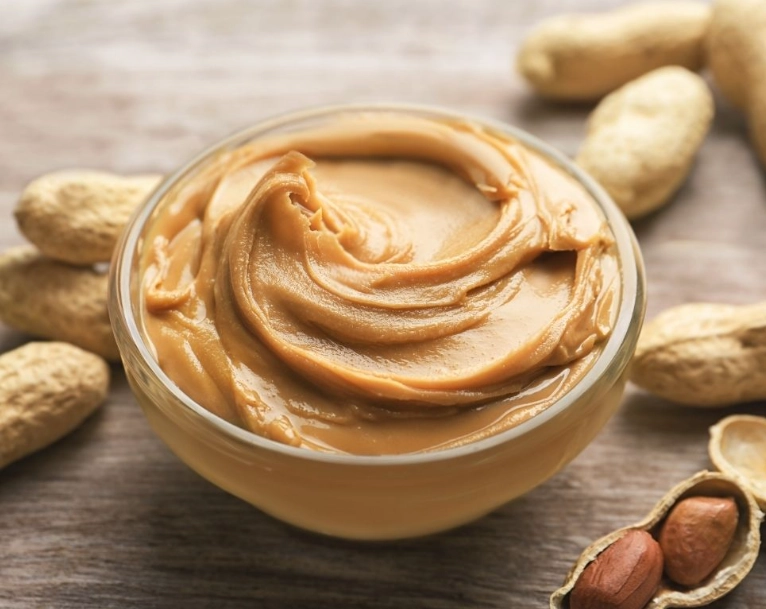
Sweeteners and Salt: Balancing the Flavor
Not all peanut butter has added sugar, but many do. It's usually in the form of cane sugar, molasses, or corn syrup. Salt is added for taste—typically less than 2% of the total. I've seen brands with up to 4 grams of sugar per serving, which adds up if you eat it daily. Unsweetened versions exist, but they can taste flat if you're used to the sweet stuff.
Stabilizers and Emulsifiers: Keeping It Together
Ever wonder why some peanut butter never separates? Stabilizers like mono- and diglycerides or hydrogenated oils keep the oil blended. Emulsifiers help maintain that creamy consistency. They're not harmful in small amounts, but they're unnecessary if you prefer a more natural product. I avoid them because they make the texture too plastic-like for my taste.
Quick Tip: Check the ingredient list order—ingredients are listed by weight. If peanuts aren't first, it's not primarily peanuts. For example, a jar listing "peanuts, sugar, hydrogenated oil" has more sugar than oil, which might surprise you.
How Peanut Butter Is Made: From Farm to Jar
The process starts with harvesting peanuts, which are then cleaned, shelled, and roasted. Roasting temperature matters—too high, and you lose nutrients; too low, and the flavor suffers. After roasting, the peanuts are cooled and blanched to remove skins.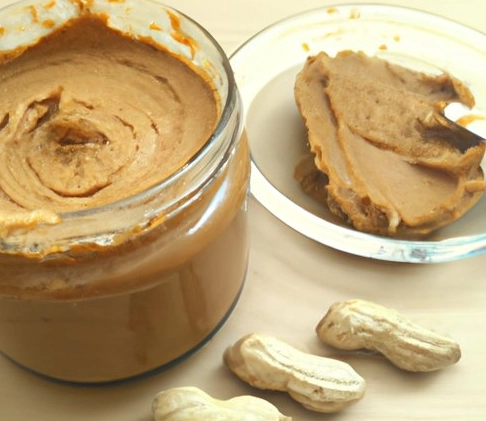
Next, grinding happens. In industrial settings, peanuts are fed into mills that grind them into a paste. This stage is where additives are mixed in. For conventional peanut butter, hydrogenated oils and sweeteners are blended to create a smooth, stable product. Natural peanut butter is just ground peanuts, maybe with salt, so it's coarser and oilier.
I visited a small-scale peanut butter factory once—the smell was incredible, but I noticed they added a dash of honey for a local brand, which isn't always disclosed on front labels. That's why reading the fine print matters.
Finally, the paste is packaged into jars, sealed, and labeled. Homogenization ensures consistency, but for natural versions, separation occurs over time. It's normal—just give it a stir.
Types of Peanut Butter: Natural vs. Conventional
Not all peanut butter is created equal. Here's a breakdown of the main types you'll find, based on ingredients and processing.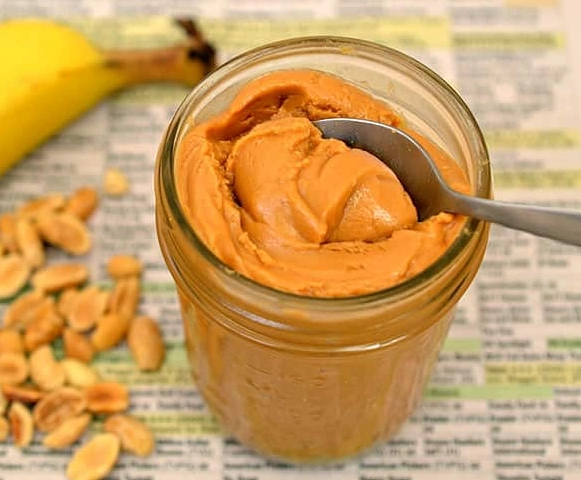
| Type | Key Ingredients | Texture | Shelf Life | Best For |
|---|---|---|---|---|
| Natural Peanut Butter | Peanuts, salt (optional) | Gritty, oil separates | Health-conscious eaters, clean diets | |
| Conventional Peanut Butter | Peanuts, hydrogenated oils, sugar, salt, emulsifiers | Smooth, no separation | 6-12 months | Convenience, kids' preferences |
| Organic Peanut Butter | Organic peanuts, sometimes salt | Similar to natural | 2-3 months | Organic lifestyle, environmental concerns |
| Powdered Peanut Butter | Defatted peanuts, sugar, salt | Powdery, mix with water | Longer shelf life | Low-fat diets, baking |
I lean toward natural peanut butter because it's closer to the source, but it requires refrigeration after opening to prevent rancidity. Conventional types are shelf-stable but often contain more additives.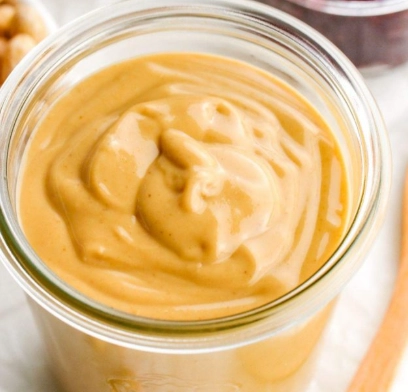
Health Considerations: Is Peanut Butter Good for You?
Peanut butter can be a healthy part of your diet—or not, depending on the ingredients. Let's cut through the noise.
Peanuts are packed with protein (about 7-8 grams per serving), healthy fats (mostly monounsaturated), fiber, and vitamins like E and B6. They're linked to heart health and weight management when eaten in moderation. But added sugars and hydrogenated oils can negate these benefits.
A common mistake: people assume "low-fat" peanut butter is healthier. Not really. The fat in peanuts is good fat; removing it often means adding sugar or fillers. I've seen clients switch to low-fat versions and end up eating more because it's less satisfying.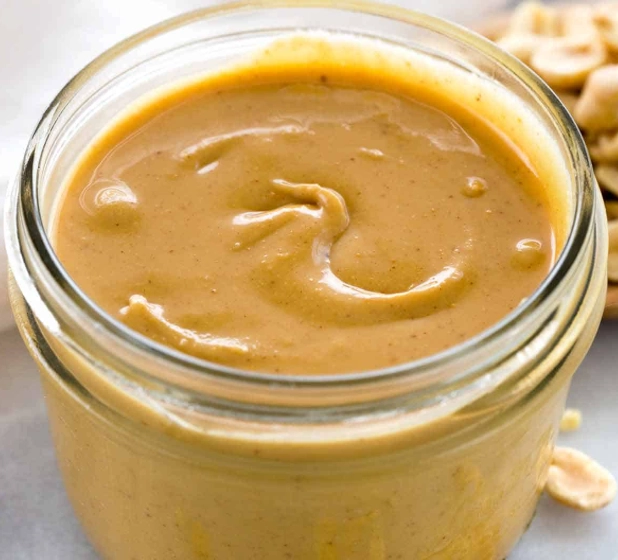
For specific diets:
- Vegan: Most peanut butter is vegan, but check for honey or dairy additives.
- Gluten-free: Peanuts are naturally gluten-free, but cross-contamination in processing can occur. Look for certified labels if you're sensitive.
- Keto: Choose natural peanut butter with no added sugar; it's high in fat and low in carbs.
Portion control is key. A serving is 2 tablespoons, about the size of a ping-pong ball. It's easy to overdo it—I've been there, spoon in hand, jar half-empty.
How to Choose the Best Peanut Butter
With so many options, picking the right jar can be overwhelming. Here's my practical guide, honed from years of trial and error.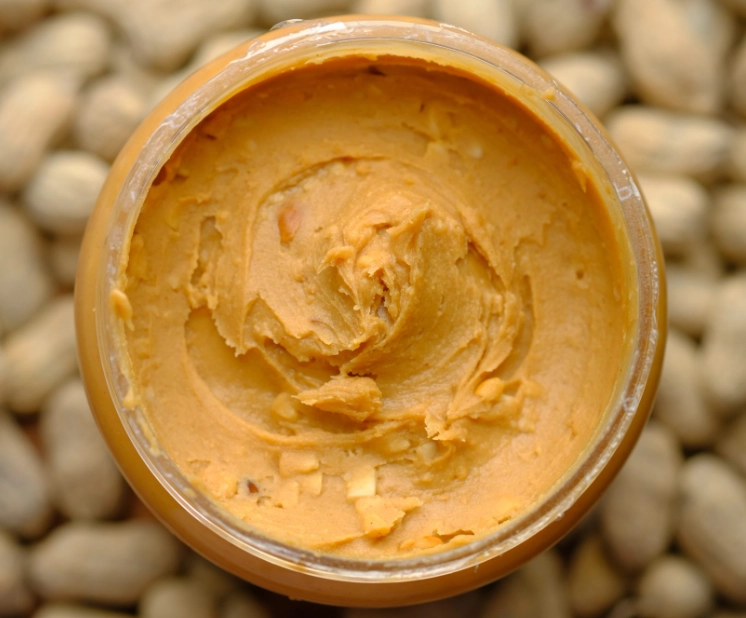
First, read the ingredient list. Ideally, it should have one or two items: peanuts and maybe salt. If you see hydrogenated oils, sugar, or emulsifiers, consider if you're okay with that. For a balanced choice, look for brands with less than 3 grams of sugar per serving and no trans fats.
Second, consider texture. Do you prefer creamy or crunchy? Creamy is ground finer; crunchy has peanut bits. Both use the same base ingredients, but crunchy might have extra chopped peanuts added.
Third, think about usage. For spreading on toast, natural peanut butter works fine. For baking or recipes where consistency matters, conventional might be better because it's more stable. I use natural for everyday eating and keep a conventional jar for baking cookies—it holds shape better.
Price-wise, natural and organic peanut butter tend to cost more, around $5-8 per jar, while conventional is $3-5. Store brands can be cheaper but often have more additives. I've found that making your own saves money in the long run—a pound of peanuts costs about $4 and yields two jars.
Lastly, storage. Natural peanut butter needs refrigeration after opening to prevent oil rancidity. Conventional can stay in the pantry. Always seal the jar tightly to maintain freshness.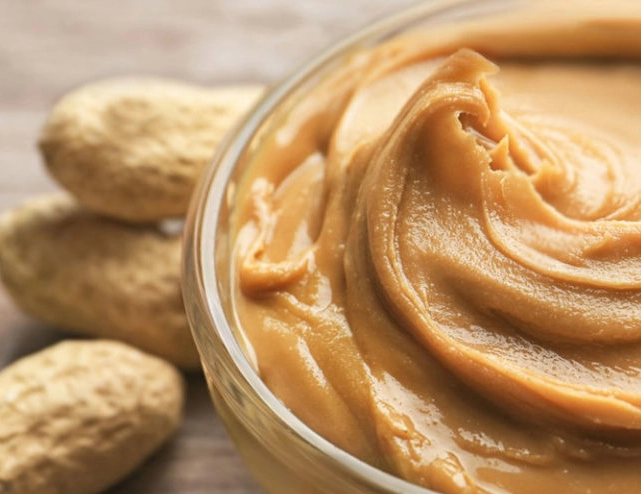
FAQ: Your Top Questions Answered
Peanut butter is more than just a sandwich filler—it's a complex food with simple roots. By understanding what goes into it, you can make better choices for your health and taste buds. Whether you opt for natural or conventional, the key is to enjoy it mindfully. Next time you grab a jar, take a moment to read the label. You might be surprised by what you find.
Reader Comments