You know regular peanut butter. It's sweet, creamy, a childhood friend. Dark roast peanut butter is its sophisticated, world-traveled cousin. It's for when you want the peanut flavor to shout, not whisper. If you've ever found yourself thinking, "I love peanut butter, but I wish it had more... oomph," then this is your missing link. This isn't a minor tweak; it's a fundamental shift in flavor philosophy, taking the humble peanut and pushing its natural nuttiness into deep, toasty, almost savory territory.
I remember the first time I tried it. I was in a specialty food store, and the sample tasted like someone had captured the essence of perfectly roasted bar nuts and turned it into a spread. It was a revelation. It made my standard jar taste one-dimensional.
What You'll Find in This Deep Dive
What Exactly Is Dark Roast Peanut Butter?
It starts with the roast. Most conventional peanut butters use peanuts roasted to a medium or light color. This develops the basic peanut flavor we all know. Dark roast peanut butter uses peanuts that have been roasted longer and at a controlled, often slightly higher temperature.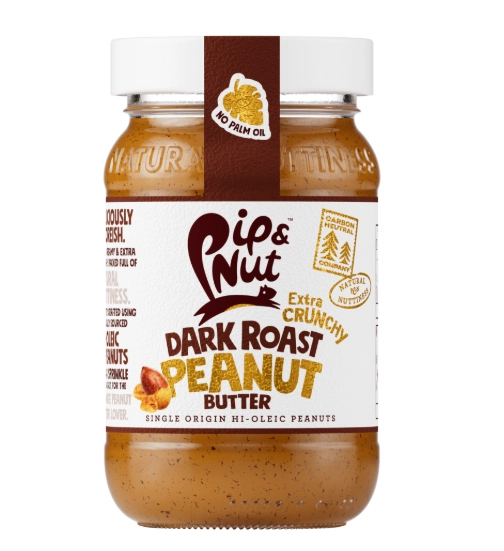
This extended roasting triggers more of the Maillard reaction—that beautiful chemical process that creates complex flavors and aromas in browned food. Think of the difference between white toast and dark, crunchy toast. Or light roast versus dark roast coffee beans. It's the same principle applied to peanuts.
A common misconception is that it's just burnt peanut butter. A good dark roast is never burnt. It's precise. The goal is to develop deep, roasty notes without crossing into bitterness (though a slight bitter edge is common and, for fans, desirable). The color is noticeably darker—a rich, deep brown compared to the beige-tan of regular peanut butter.
The Flavor Profile: Beyond "Nutty"
Describing the flavor is key. It's not just stronger. It's different.
The Core Notes: Intense roasted nut, dark chocolate, coffee, toasted bread, sometimes a whisper of smoke. The sweetness inherent in the peanut is dialed back, replaced by these deeper, more complex flavors.
The Mouthfeel: It can often feel a bit drier or grainier than ultra-creamy standard brands, especially in natural varieties. This isn't a flaw; it's a textural signature of the finely ground, deeply roasted nuts.
The Finish: This is where it really diverges. Instead of a sweet aftertaste, you get a lingering, pleasant roasted quality that's more savory than sweet. It's why this peanut butter plays so well in non-dessert applications.
I've found that people who enjoy bitter notes in food—dark chocolate (70% cacao and above), black coffee, hoppy IPAs—tend to gravitate towards dark roast peanut butter immediately. If you exclusively love sweet, mild flavors, it might be an acquired taste. Start with a small jar.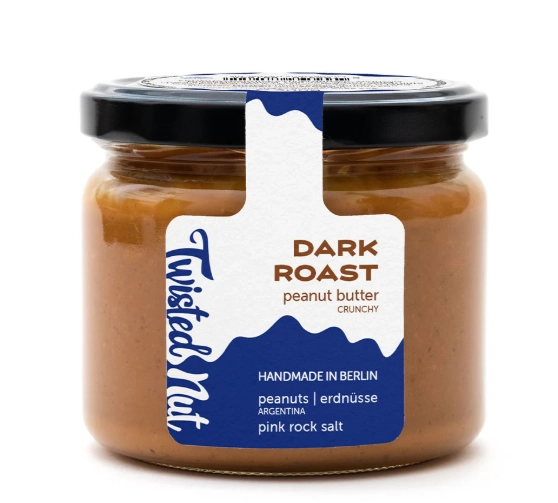
The Best Uses for Dark Roast Peanut Butter (Forget Just Sandwiches)
This is where the magic happens. Using dark roast peanut butter like regular peanut butter is a missed opportunity. Its flavor profile demands different applications.
Savory Applications (Where It Truly Shines)
This is its superpower. The reduced sweetness and enhanced roasty notes make it a killer ingredient in sauces, dressings, and marinades.
- Satay Sauce: This is a no-brainer. The deep roast adds an authentic, charred-kissed depth that light roast peanut butter can't match. Mix it with coconut milk, soy sauce, lime juice, garlic, and a touch of chili.
- Salad Dressings: Whisk a tablespoon into a ginger-soy-lime vinaigrette. It emulsifies beautifully and adds a rich, nutty body to Asian-inspired salads.
- Noodle Sauces: Toss with soba or udon noodles, a splash of sesame oil, shredded veggies, and a protein for a quick, flavor-packed meal.
- Marinades for Grilling: Thin it with a little oil, tamari, and rice vinegar to make a paste for tofu, chicken, or shrimp. The sugars in the peanut help with caramelization on the grill.
I used it in a stir-fry sauce last week, and it added a background complexity that had people asking, "What's in this? It's amazing." That's the dark roast doing the work.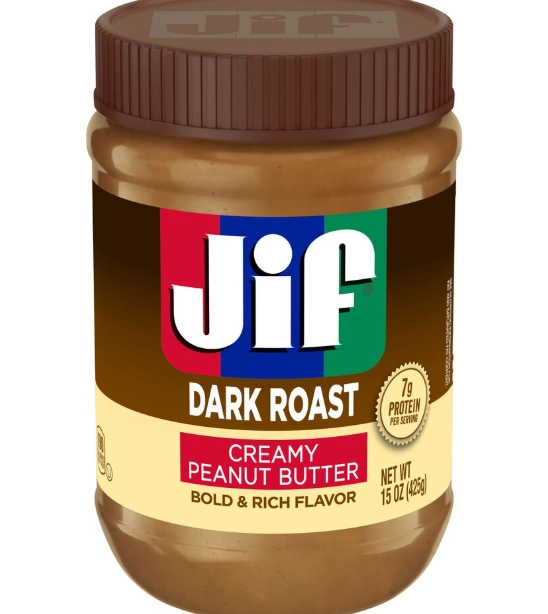
Sweet Applications (The Grown-Up Twist)
When you do use it in sweets, it creates more sophisticated, less cloying desserts.
- Dark Chocolate Pairings: Swirl it into brownie batter or use it as a filling for dark chocolate truffles. The flavors are cousins.
- Energy Balls & Bars: Its robust flavor stands up to dates, oats, and seeds better than sweet peanut butter, making for a less sugary-tasting snack.
- "Deconstructed" Desserts: A dollop on top of vanilla ice cream with a sprinkle of sea salt is a perfect example. The contrast is incredible.
- Modified Baking: You can use it in cookies, but know they'll be less sweet and more intense. I like doing a 50/50 blend with regular peanut butter for a balanced cookie with more depth.
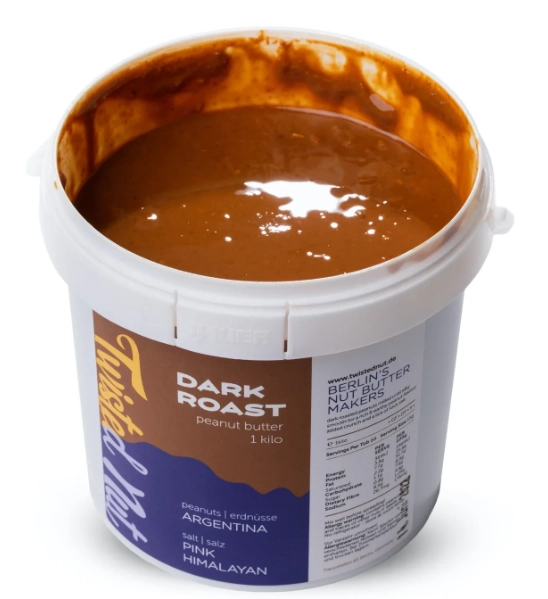
How to Choose the Best Dark Roast Peanut Butter for You
Not all dark roasts are created equal. Here’s what to look for on the label and in the jar.
1. Ingredients List: Simpler is usually better. "Peanuts, salt." That's the gold standard. Some add a touch of oil for creaminess. Avoid brands that add sugar or molasses as a first ingredient—it defeats the purpose of the deep roast. You want the peanut's own roasted flavor to be the star, not masked by sweetness.
2. Texture: Do you want crunchy or smooth? Crunchy dark roast offers an incredible toasted peanut fragment experience. Smooth gives you pure, unadulterated roasted flavor paste.
3. Oil Separation: This is normal for natural peanut butters, dark roast or not. Just stir it back in. A hard, dry layer on top that won't stir in might indicate it's been sitting too long.
4. Color & Smell: It should be a uniform deep brown, not black. The aroma should be powerfully of roasted peanuts, not rancid or off.
A mistake I see people make is buying the first "dark roast" they see without checking for added sugar. If sugar is high on the list, you're essentially buying sweetened peanut butter made with dark peanuts, which is a different product altogether.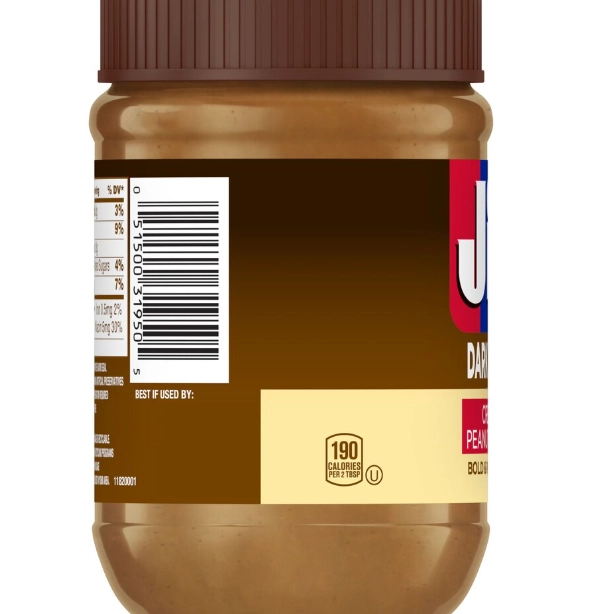
A Look at Top Dark Roast Peanut Butter Brands
Here’s a breakdown of some notable players in the space. This isn't an exhaustive list, but it covers the main styles you'll encounter.
| Brand | Key Characteristics | Price Point | Where to Find |
|---|---|---|---|
| Fix & Fogg "Dark Roast" | Often considered the benchmark. Intense, smooth, perfectly balanced roast with a hint of salt. Ingredients are just peanuts and salt. Consistently excellent. | $$$ (Premium) | Online, high-end grocers (Whole Foods), some specialty stores. |
| Georgia Grinders Dark Roast | Small-batch, stone-ground. Has a more rustic, textured feel. The roast flavor is deep and authentic. They use Valencia peanuts. | $$$ (Premium) | Primarily online, some regional health food stores. |
| Once Again Organic Dark Roast | A great, reliable option from a well-known organic brand. Smooth and creamy with a pronounced roasted flavor. Widely available in natural food channels. | $$ (Mid-Range) | Health food stores (Sprouts, Natural Grocers), online retailers. |
| Store Bulk Bin "Dark Roast" | This is your wild card. Stores like Whole Foods or Fresh Market often have grinders. You can get it fresh. Quality varies by store, but it's a fantastic, low-commitment way to try it. | $ (Varies) | The bulk section of higher-end grocery stores. |
| MaraNatha "No Stir" Dark Roast | Includes palm oil to prevent separation. This makes it creamier and easier to use straight from the jar, but purists might object to the added oil. Flavor is good, not the most intense. | $$ (Mid-Range) | Mainstream grocery stores, big-box retailers. |
My personal go-to is the store bulk bin when I can get it fresh. For a packaged jar, I lean towards Fix & Fogg for its consistent intensity. I find the MaraNatha version a bit too processed-tasting for my preference, but it's a convenient entry point if your regular store doesn't carry other options.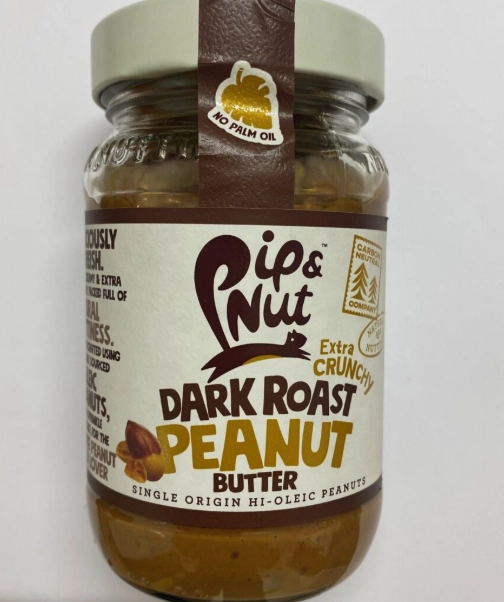
Your Burning Questions Answered
Dark roast peanut butter won't replace your classic jar. And it shouldn't. It's a different tool for a different job. It's for when you want depth, complexity, and a savory punch. It turns peanut butter from a simple spread into a foundational flavor ingredient. Grab a small jar, try it in a savory sauce first, and see if it doesn't change how you think about peanuts forever.
Reader Comments