Let's talk about the elephant in the pantry. You're standing there, faced with a wall of peanut butter jars. Your hand hovers between the familiar smooth tub and the one labeled extra crunchy. Maybe you've always been a smooth loyalist. Maybe you tried crunchy once and found the bits too... aggressive. I get it. But what if I told you that extra crunchy isn't just a texture choice? It's a whole different ingredient with its own personality, best uses, and even a secret fan club (I'm the president). The crunch isn't an afterthought—it's the main event.
What's Inside This Jar?
What Makes Extra Crunchy Different? It's Not Just Chopped Nuts
Here's a common misconception: they just take smooth peanut butter and throw in some chopped peanuts. Not quite. The process starts the same—roasting peanuts, then grinding them into a paste. For smooth, they grind it until it's completely homogenous. For extra crunchy peanut butter, they remove a portion of the peanuts after a coarse grind. These coarse bits are then set aside. The rest of the peanuts continue to be ground into a smooth base. Finally, those reserved, larger peanut pieces are folded back in. It's a layering of textures.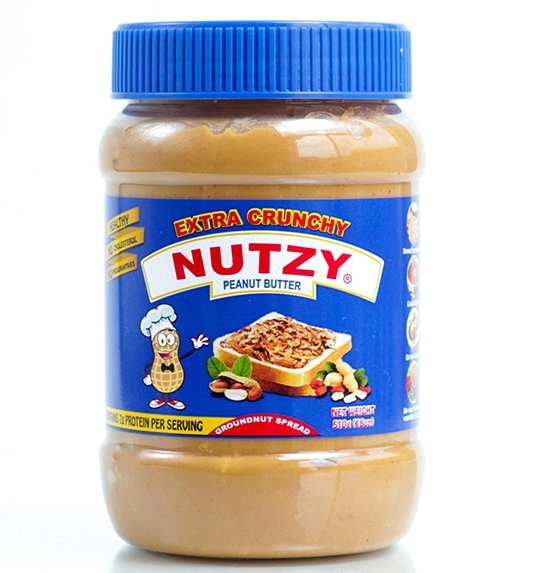
The size and quantity of those added-back pieces is what separates "crunchy" from "EXTRA crunchy". Extra crunchy means more pieces, and often, pieces with a more substantial bite. It's the difference between a gentle rustle and a satisfying snap. This texture does something clever—it tricks your brain into feeling more satisfied. The physical act of chewing those tiny bits slows you down and adds a sensory dimension that smooth butter lacks. I've found that a spoonful of the extra crunchy variety feels more like a snack than a mere spread.
A quick note from experience: Don't assume all extra crunchy brands are created equal. I once bought a bargain brand where the "crunch" was more like stale, powdery crumbs. The best ones use freshly roasted peanuts for their chunks, giving a clean, toasted flavor and a crisp—not tooth-breakingly hard—texture.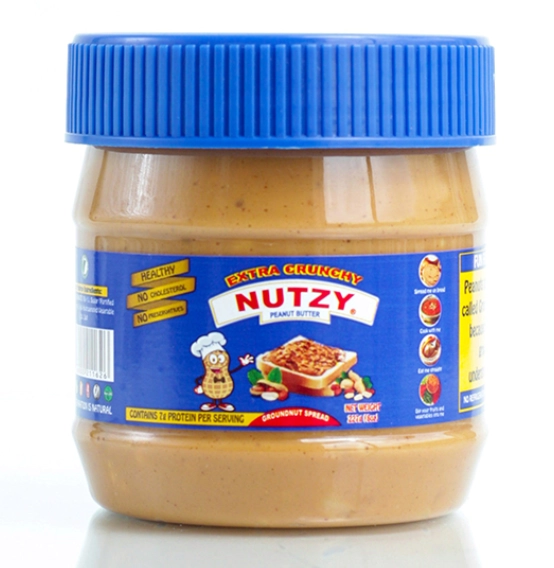
How to Choose the Best Extra Crunchy Peanut Butter: A Buyer's Checklist
Walking down the grocery aisle can be overwhelming. Let's simplify it. Ignore the flashy labels for a second and turn the jar around. Here’s what you should be looking for, in order of importance:
| What to Look For | Why It Matters | Red Flag / Green Light |
|---|---|---|
| Ingredients List | This is the most important part. The shorter, the better. | Green Light: Peanuts, Salt. Maybe a touch of sugar or oil. Red Flag: Hydrogenated oils (trans fats), excessive sugar (corn syrup, molasses), palm oil, emulsifiers. |
| Oil on Top | Natural separation is normal. It means fewer stabilizers. You just need to stir it. | Green Light: A layer of oil at the top. Not a Red Flag, but Note: No separation often means added hydrogenated oils to prevent it. |
| Salt Content | Salt enhances flavor, but too much overpowers the nutty taste. | Aim for less than 120mg per 2-tbsp serving. "Unsalted" is great for cooking control. |
| "Crunch" Visibility | You want to see distinct peanut pieces, not a uniform, gritty paste. | Hold the jar up to the light. Can you see actual pieces? Good. If it just looks speckled, the crunch might be minimal. |
My personal go-to? A store-brand "natural" extra crunchy where the only ingredients are peanuts and salt. It costs less than the fancy labels and the flavor is pure and robust. The crunch is perfect—consistent and never soggy.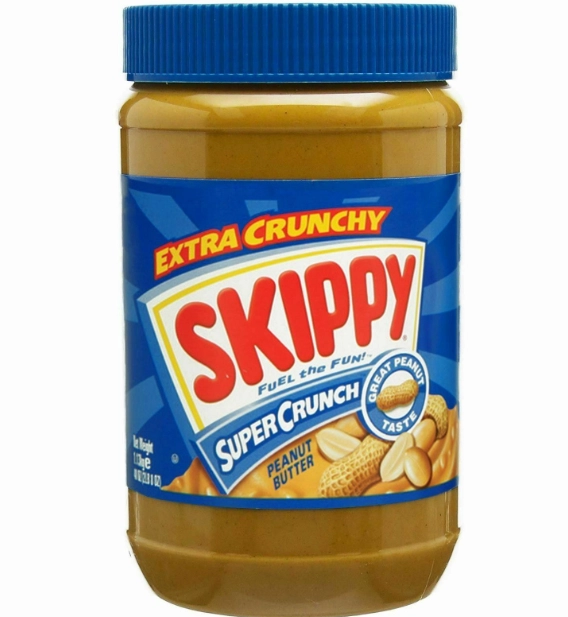
The "No-Stir" vs. "Natural" Debate
This is a big one. "No-stir" or shelf-stable brands use hydrogenated oils to keep the peanut butter emulsified. It's convenient, sure. The texture is uniformly creamy (with crunch bits) right out of the jar. But those hydrogenated oils are trans fats, which are terrible for heart health. The "natural" kind separates and requires stirring, but you're getting a cleaner product. For me, the 60 seconds of stirring is worth it for better health and a fresher taste. I store my natural jar upside down after the first stir—it makes the oil redistribute more evenly next time.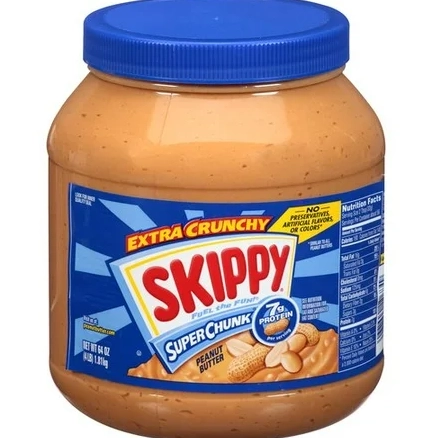
Beyond the Sandwich: 3 Creative Ways to Use Extra Crunchy PB
Sure, it's fantastic on toast. But limiting extra crunchy peanut butter to bread is like only using a Swiss Army knife to open letters. Its texture opens doors. Here are three ways I use it weekly that completely change the game.
Smooth peanut butter works, but extra crunchy binds dry ingredients like oats, seeds, and protein powder better. The tiny pieces create more friction and hold everything together more securely, so your no-bake balls are less likely to crumble. My basic recipe: 1 cup oats, 1/2 cup extra crunchy peanut butter, 1/3 cup honey, 1/4 cup ground flaxseed, a handful of chocolate chips. Mix, roll, refrigerate. The texture is incredible.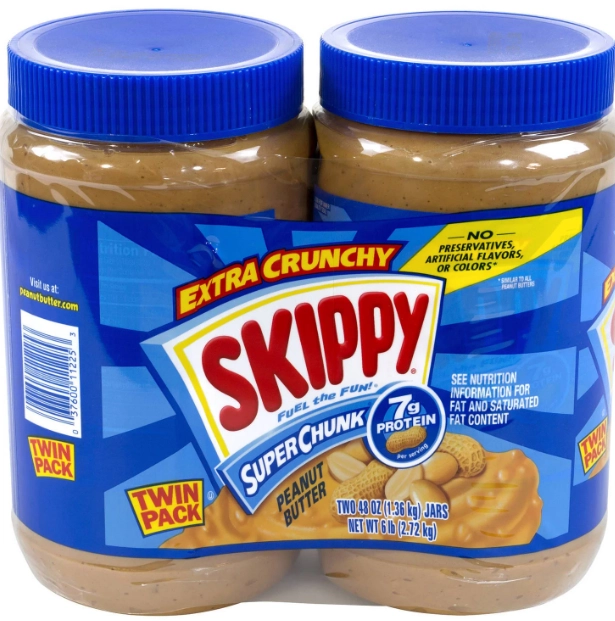
This might sound odd, but trust me. Whisk a big spoonful of extra crunchy peanut butter into your Asian-inspired stir-fry sauce (along with soy sauce, lime, garlic, ginger, and a bit of chili). The creamy base coats the noodles or veggies, while the crunchy bits toast slightly in the pan, adding surprising little bursts of texture to every bite. It elevates a simple sauce into something complex.
Skip the sugary granola. A dollop of extra crunchy peanut butter swirled into plain Greek yogurt is a protein powerhouse. The creaminess of the yogurt contrasts with the crunch of the butter. Add some berries, and you have a breakfast that keeps you full for hours. The fat and protein combo is far more satisfying than carbs alone.
Storing Your Jar: Pro Tips to Beat Oil Separation
The number one complaint about natural extra crunchy peanut butter is the oil separation. It's not a flaw; it's a feature of a real food product. But managing it is key.
- The Initial Stir: Use a long, sturdy knife or a dedicated butter knife. Stir from the bottom up, folding the oil in. It might take a minute of vigorous stirring. Don't pour the oil off—that's where a lot of the flavor and healthy fats live!
- The Game-Changer: After that first full stir, put the lid on tightly and store the jar upside down in your pantry or cupboard. Gravity will slowly pull the oil down through the peanut butter, keeping it integrated. The next time you open it, you'll only need a quick stir.
- Refrigeration? I don't recommend it unless you go through a jar very slowly. Refrigeration makes the oils solid and the peanut butter hard as a rock, making it nearly impossible to spread and dulling the flavor. A cool, dark pantry is perfect.
Your Crunchy Peanut Butter Questions, Answered
So, the next time you're in that grocery aisle, give the extra crunchy jar a confident grab. Think of it not as a spread, but as a textural ingredient waiting to upgrade your snacks, meals, and baking. That crunch is an experience. And once you get used to it, smooth peanut butter might just start to taste a little... boring.
Reader Comments